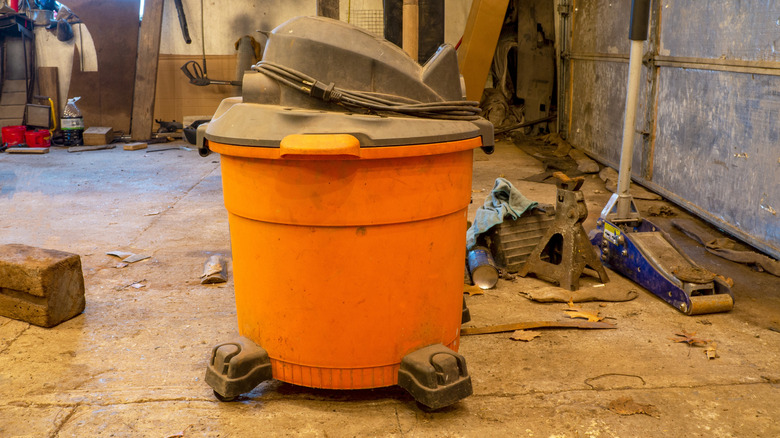

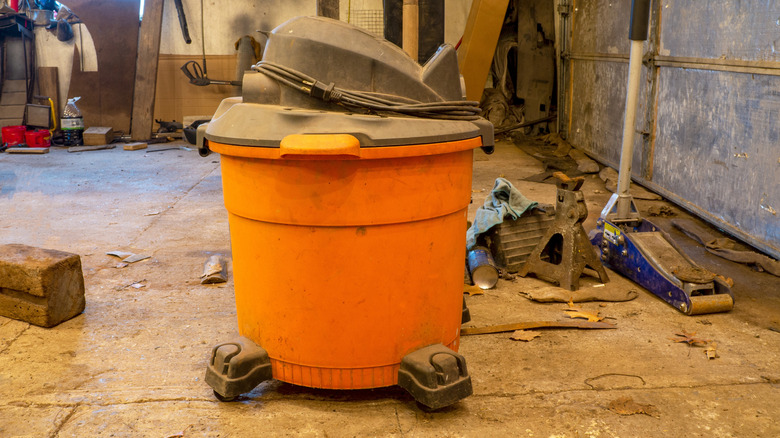
The mighty job site vacuum is an essential tool on many projects, tackling cleanups that would easily overcome a typical household vacuum. In fact, there are several helpful ways you might not realize you can use your Milwaukee shop vac, like cleaning out your home’s gutters. The term “shop vac” is often used, primarily because one of the most popular brands of these vacuums shares the same name. However, you can find these tools also referred to as a industrial vacuum, or jobsite vacuum, among others. Regardless, getting the most out of your shop vac requires it to be clean.
The key areas of a shop vac you need to keep clean are the filter, the hose, and the canister. Fortunately, the steps required are basic and can be performed quickly as part of routine maintenance. While taking care of your tools is just one factor that can determine their lifespan, some shop vacuums can last for a decade before calling it quits. So, these simple measures could help extend service life as well as keep the unit functioning at peak levels.
How to clean a shop vac filter, hose, and canister
With the machine turned off, check the filter for build-up or damage. Depending on the unit, you may need to replace the filter with a new one. However, some shop vacs come equipped with a permanent filter. In that case you’ll need to clean it, which essentially involves gently loosening the accumulated dust and debris by tapping it with another tool or against the inside of garbage can. Other models of filter, such as Shop-Vac’s reusable disc, full polyester, and cartridge filters, can also be rinsed with water, then dried before reinstalling. However, you should always check the manual for your brand of jobsite vacuum to confirm cleaning recommendations.
The hose is another place you need to keep an eye on, as there are plenty of places where material can build up or even larger pieces of debris can get lodged, impacting airflow. Similar to how you would clean your shop vac’s filter, start with the unit powered off and disconnect the hose. Then, gently shake it to allow any trapped material to fall out.
Lastly, the canister, where all the collected material is held, shouldn’t be neglected either. For one thing, you may consider emptying it out after every use, as this can make cleaning easier. If you notice build-up on the bottom or sides of the canister, sweep it off so all the vacuumed bits are dumped into the trash.
Cleaning a shop vac after wet jobs
One of the advantages of many jobsite vacuums over a typical household unit is that you can you can use a shop-vac in wet conditions. However, it’s important to confirm that your model can handle liquids, and that you replace the paper filter used for dry operation with a foam sleeve if necessary prior to use. You will need to perform some extra cleaning steps afterward though, as mold and unpleasant odors can take up residence in your vacuum otherwise. This is especially true if you want to unclog a drain using a shop vac, as you can use it like a powerful plunger.
After using the shop vac for a wet job, you’ll need to address the filter, hose, and canister as usual. If your unit uses a foam sleeve filter for wet jobs, it should be rinsed and thoroughly air dried after use. You can also disconnect the hose and spray the interior with water, allowing it to drain out of one side. The hose too will need to be completely dry before using again; it’s advised to hang up the hose by one end so moisture doesn’t pool anywhere.
Finally, you need rinse the canister out with clean water afterward and allow it to air dry, even going so far to tip it upside down so any remaining liquid runs out. You can go further by adding about a quarter cup of bleach to a gallon of warm water to clean the inside, as this can also help disinfect the canister and help prevent mold growth.

Stephan is the sports journalist for the Maple Grove Report.