
It’s a question that plagued car designers for over a century: How do we make a car go faster? Instinctually, one would assume that you could throw horsepower at it until you achieve the numbers you want, but that only works to a point. After all, the definition of “fast” extends beyond just how hard a car accelerates and the top speed it can hit; otherwise, supercars would more closely resemble drag cars. Rather, what makes a supercar quick is a combination of two elements: power-to-weight ratio and grip.
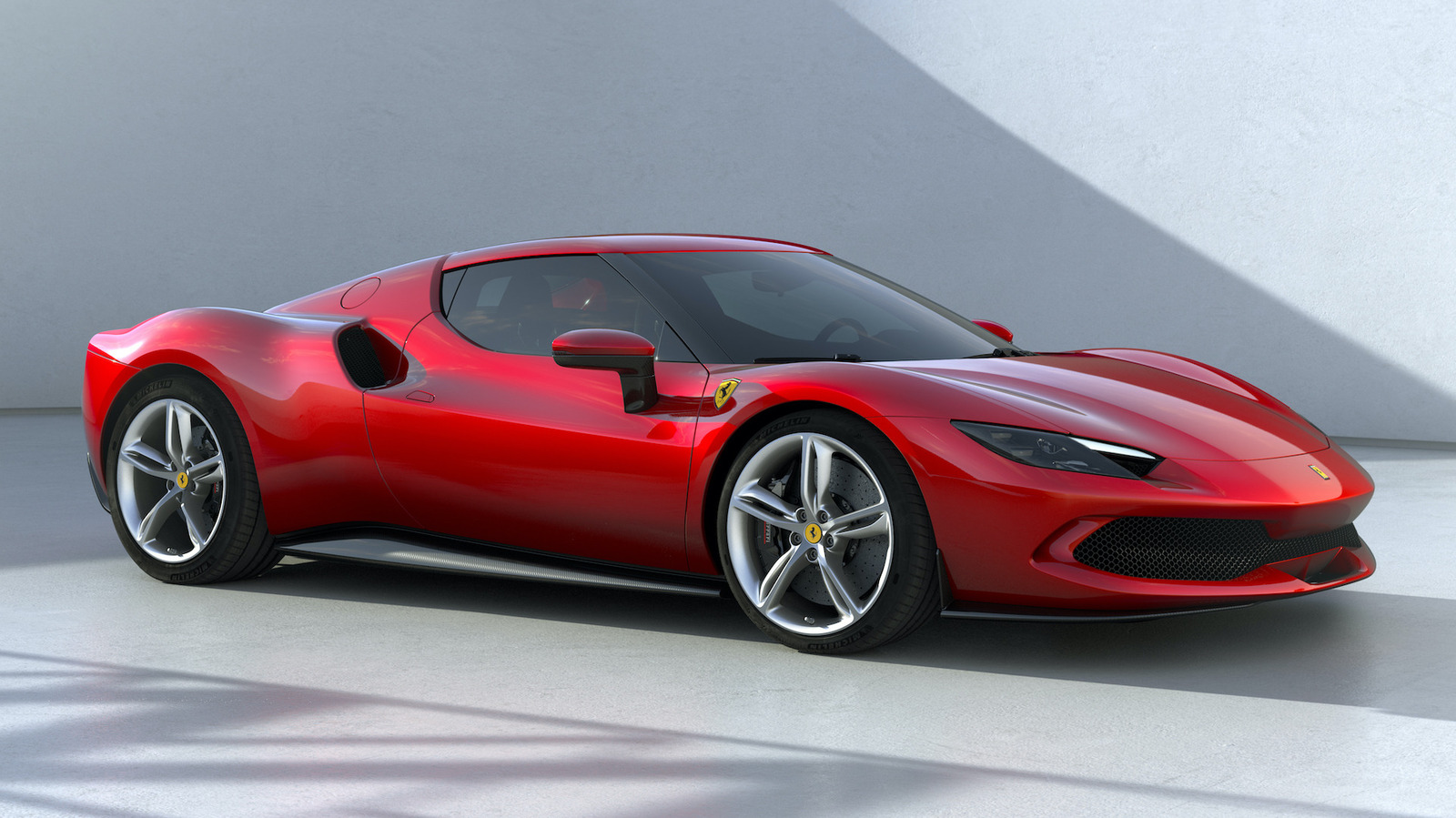
Power-to-weight ratio influences how quickly the car can get up to speed and how easily it maintains that speed, while grip reflects how well it holds to the road and is influenced by elements like aerodynamics and tires. Combine both elements, and presto, you have a car that’s fast on the straights and maintains speed through the corners. A fast supercar, by design, will have a lower power-to-weight ratio than your average car, as well as aero parts like functional front and rear wings, a rear diffuser, and wide tires to increase grip. All that, combined with sophisticated systems and a modern, stiff chassis, makes up the recipe for most supercars today outside of certain specialized machines like the Caterham Seven — which, for all its greatness, is remarkably one of the worst cars ever in terms of aerodynamic efficiency.
Of course, the actual physics behind it all are far more nuanced than that. For instance, how do weight and power determine a car’s speed, beyond the obvious “more power is more fast?” Likewise, how do large tires, aerodynamic devices, and a low center of gravity help carry that momentum?
Why power-to-weight ratio and balance matter
All cars need horsepower, but supercars take it a step further by (usually) having bigger engines with more power than the average car. That seems simple enough on the surface. But it’s not so straightforward. Think about it this way: The largest piston engine in the world produces over 100,000 hp, but the cargo ships it powers go only a fraction of the speed of a supercar. Similarly, some high-load big rigs produce around the same power as some supercars, but aren’t fast at all. That’s because these vehicles are all far heavier.
There’s a famous quote attributed to Sir Colin Chapman, founder of Lotus: “Simplify, then add lightness.” That formula went on to secure victories throughout the 1950s and 1960s, solidifying Lotus as an outstanding motorsports constructor and later influencing Lotus sports cars like the Elise and Exige. Put simply, having less weight to push around amplifies the horsepower an engine makes. You don’t need a massive engine to shove around a little car, which is how supercars go fast in the first place. Sure, a bigger power is nice, but weight is also a vital part of the equation.
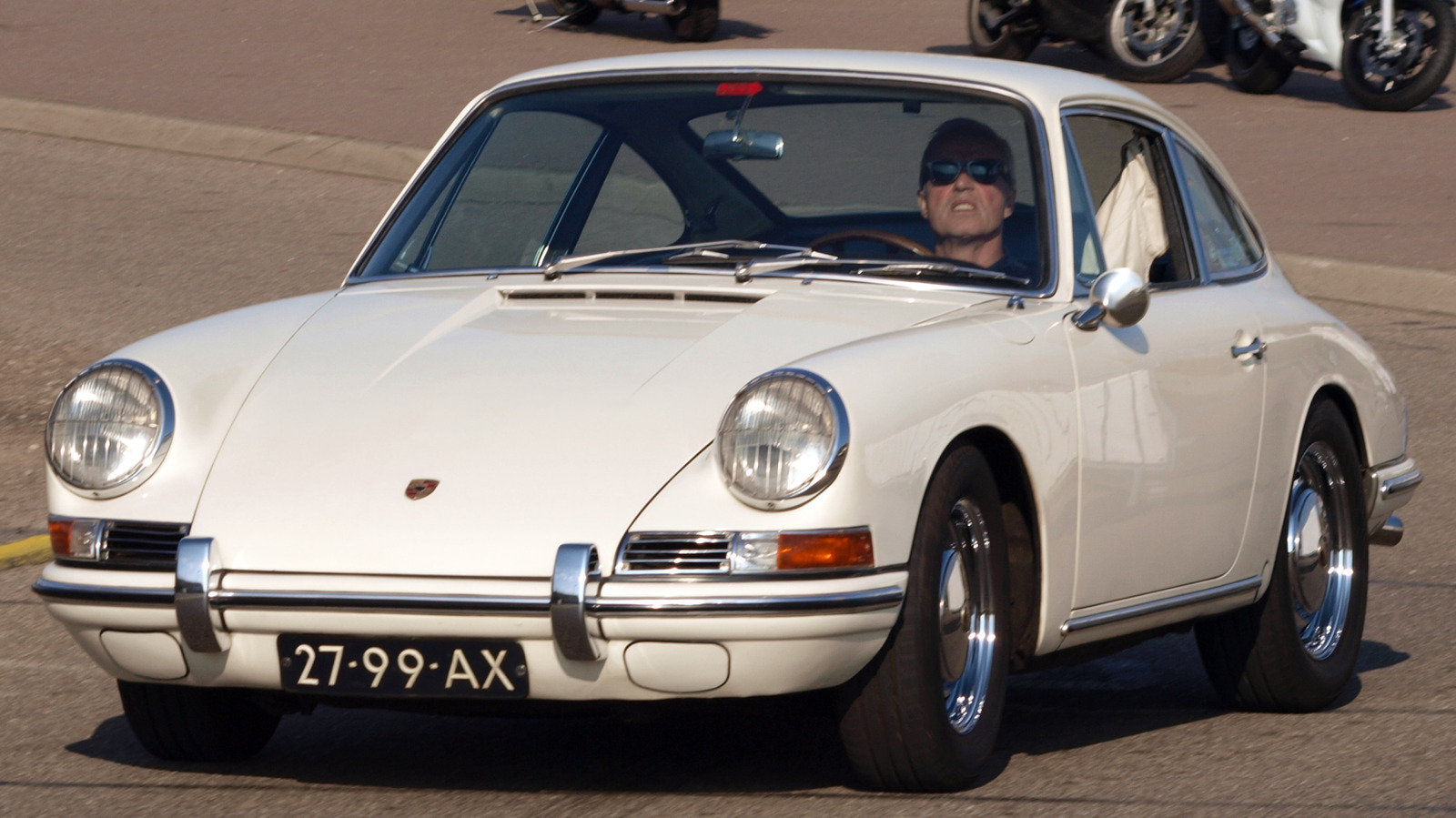
Where that weight is placed is also vital. Supercars, much like racecars, ride close to the ground to lower their center of gravity, keeping the car balanced and planted. Engine placement also matters because engines are generally quite heavy and can affect handling. That’s why rear-engine Porsches tend to oversteer, and front-heavy cars understeer. Most modern supercars feature mid-engine layouts, affording their platforms an ideal front-to-rear weight balance.
Getting quicker in the corners
Balance and weight matter when cornering, too; a car turns better if there’s less mass to throw around. It’s basic Newtonian physics — the car’s mass wants to keep moving in a straight line, so the tires have to coax it to turn. This means supercars, by necessity, must have good tires and a planted chassis to turn well.
However, that’s only the tip of the iceberg. Now, we’ll get into aerodynamics. To keep things brief, the faster the car goes, the more air it must move out of the way. Some of that air becomes drag, preventing the car from going faster. A body that minimizes drag lets the car slice through the air and leave a smaller wake, granting it a higher top speed. That’s why supercars are shaped the way they are.
The second core component of aerodynamics rests not in drag, but in downforce. More aggressive aerodynamic elements like a pronounced front and rear wing, diffusers, and canards all work to push a car to the ground. The more force it pushes down with, the faster it can corner (generally with the trade-off of top speed). That’s why many modern supercars have movable aerodynamic devices like extendable wings — these extend to keep the cars planted at speed and retract for better aerodynamic efficiency in a straight line. Some also take advantage of ground effect, which sucks the car to the ground for even more downforce. Good examples include the McLaren F1, which had a secret pair of fans that provided downforce and decreased drag, and the GMA T.50 fan car.

Stephan is the sports journalist for the Maple Grove Report.