
Canada is one of the United States’ most prominent military allies, included in its Five-Eyes intelligence-sharing program. Like other heavily armed NATO allies, Canada operates a blue-water navy, which includes submarines. As of writing, the Royal Canadian Navy has four Victoria-class diesel-electric attack submarines, but only one is operational. In July 2026, Canada selected the German defense company, TKMS, as its supplier of 12 new submarines, all of which are significantly more advanced than its current boats.
Canada doesn’t manufacture its own submarines, nor does the nation build its own fighter jets, which isn’t uncommon throughout NATO. Canada began its search for new subs in July 2024, as its United Kingdom-built Victoria-class submarines were nearing the end of their service life. By selecting TKMS as its preferred supplier of 12 new Type 212CD boats, the Royal Canadian Navy will have a larger force to patrol and protect its maritime routes, which is important, as Canada has the longest coastline of any country.
Canadian Prime Minister Mark Carney told Defense News, “These subs will strengthen our defense industrial base, they will deepen our partnerships with trusted allies, and they will open new opportunities for Canadian businesses in European supply chains.” Concerns over climate change and potential increased Arctic aggression are primarily why Canada sought new subs. The deal with TKMS is the largest defense procurement Canada has ever undertaken, and it could cost an estimated 70 billion USD once procurement, maintenance, infrastructure, and weapon armament are taken into consideration.
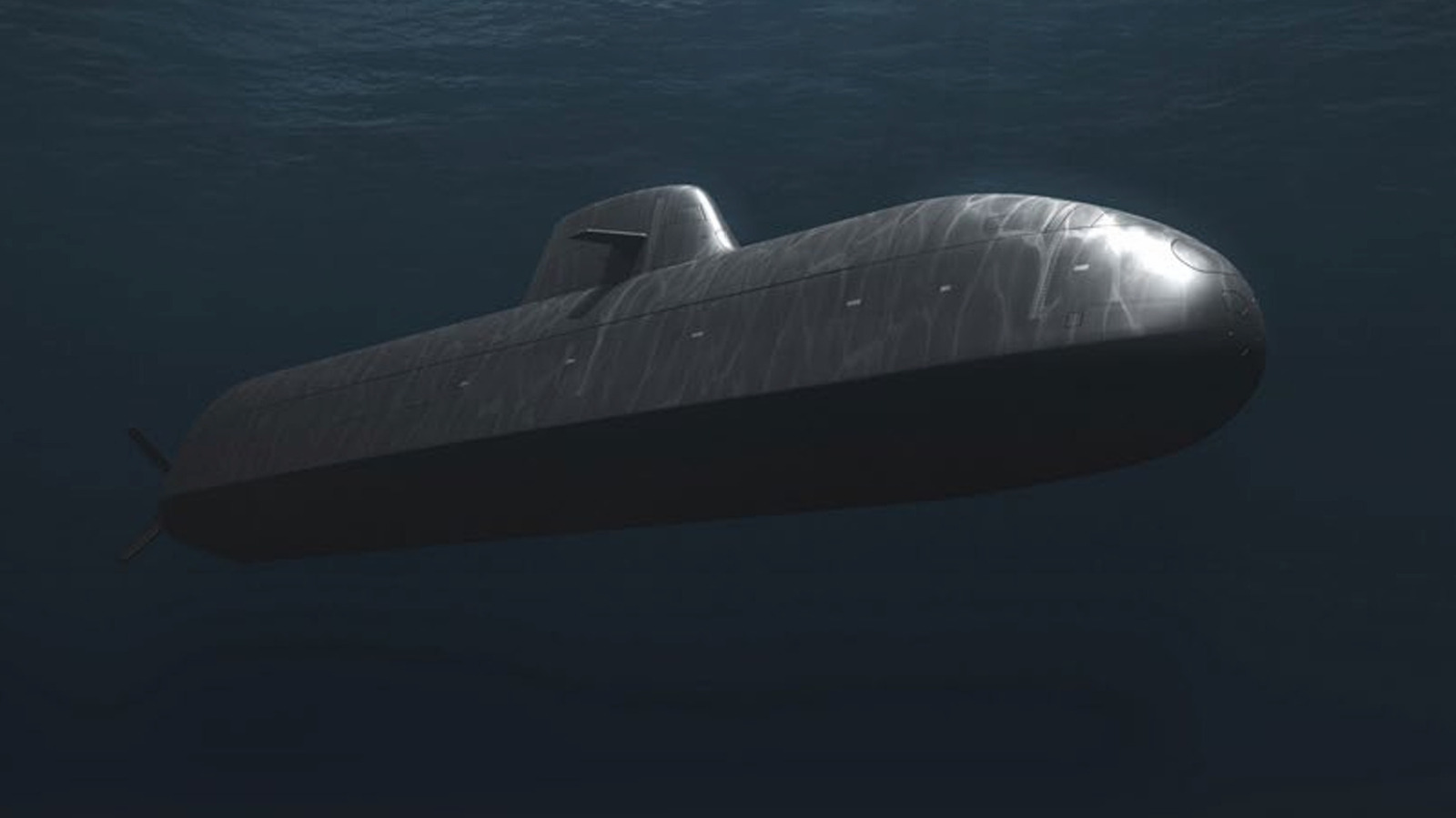
Canada’s incoming fleet of Type 212CD submarines
Canada is set to receive 12 brand-new Type 212CD boats, where “CD” stands for “Common Design.” TKMS began building them in 2021 to fulfill a contract for the German Navy, so they’re considerably more advanced than Canada’s current older generation submarines. Each boat utilizes stealth technology to make it harder to detect, and it’s powered by a diesel-electric system that uses a hydrogen fuel cell-based Air Independent Propulsion system for power storage and distribution. This allows for the Type 212CD to produce energy silently, further helping prevent its detection through sonar.
Each sub is equipped with a combat system designated “ORCCA,” which uses a single multipurpose interface to integrate data analysis. In terms of weapons, which could change depending on what Canada decides to go with, the Type 212CD sub can be outfitted with anti-ship guided missiles and torpedoes. Canada uses two types of torpedoes: the U.S.-made lightweight Mk. 54 and the U.S.-made Mk. 48 torpedo, which is widely considered to be the deadliest torpedo in the world.
Type 212CD subs are, as of writing, the only submarines that can fire the self-guided SeaSpider anti-torpedo torpedo, part of which is manufactured in Canada. The boats are also equipped with defensive systems that protect the submarines without diminishing their lethality. In terms of the boat’s size, each Type 212CD displaces over 3,000 tons of seawater. They measure 240 feet in length and boast extended endurance over previous Canadian-operated models. It’s unclear when all 12 subs are expected, though the first four will be delivered by 2034.

Stephan is the sports journalist for the Maple Grove Report.