
Tour Tokyo’s 11 Actual Anime Locations Fans Can Visit
Tokyo is one of the few cities in the world where fiction and reality seem to overlap naturally. Neon-lit streets, quiet suburban neighborhoods, historic shrines, bustling train stations, and futuristic shopping districts have all served as inspiration for some of anime’s most unforgettable scenes. For anime fans, visiting these real-world locations offers something far deeper than sightseeing—it creates the rare experience of stepping directly into places once seen only on screen. Whether you grew up watching emotional slice-of-life stories, action-packed adventures, romantic dramas, or science-fiction classics, Tokyo holds countless spots that feel instantly familiar.

Real Anime Locations You Can Visit in Tokyo
From the famous pedestrian crossings of Shibuya to peaceful stairways hidden in residential neighborhoods, these locations allow visitors to experience the atmosphere, architecture, and cultural details that inspired beloved animators and directors. Some places are globally recognized landmarks, while others are quiet corners known mainly to dedicated fans.
Here are 11 real anime locations in Tokyo that every anime enthusiast should consider visiting, complete with their locations, how to get there, and why each destination remains unforgettable.
1. Suga Shrine Staircase – Your Name

Located in Yotsuya, Shinjuku, Suga Shrine became internationally famous after appearing in Makoto Shinkai’s Your Name. The shrine itself is a peaceful local place of worship, but the stone staircase leading up to it became iconic because it serves as the emotional meeting point between Taki and Mitsuha in the film’s climactic scene. Fans immediately recognize the red railings, narrow road below, and the urban skyline that frames the staircase so perfectly.
To get there, take the JR Chuo Line or Tokyo Metro Marunouchi Line to Yotsuya Station. From the station, it is approximately a ten-minute walk through a quiet residential district. The route itself feels cinematic, gradually building anticipation before you finally reach the staircase.
What makes Suga Shrine especially recommended is the emotional connection many viewers have with Your Name. Standing at the top of the stairs, it becomes easy to understand why the animators chose this location. The contrast between spiritual calm and busy city surroundings perfectly reflects the film’s themes of connection, distance, and destiny. Visiting during sunset creates an especially magical atmosphere, closely resembling the warm lighting seen in the movie.
2. Washinomiya Shrine – Lucky Star

Washinomiya Shrine is located in the greater Tokyo metropolitan area and has become a pilgrimage destination for Lucky Star fans. The shrine appears throughout the series as the setting for family visits, seasonal festivals, and humorous conversations among the main characters. Its authentic architecture and traditional atmosphere made it an ideal backdrop for the anime’s slice-of-life storytelling.
From central Tokyo, take the JR Utsunomiya Line from Ueno Station to Kuki Station, then transfer to the Tobu Isesaki Line to Washinomiya Station. From there, the shrine is about an eight-minute walk.
What makes this location special is how warmly it embraces anime tourism. Local shops often feature Lucky Star memorabilia, themed souvenirs, and event collaborations that celebrate the anime’s connection to the community. The shrine grounds themselves are spacious, peaceful, and beautifully maintained, making it enjoyable even for visitors unfamiliar with the series.
Seasonal festivals add even more appeal, especially during New Year celebrations when the shrine comes alive with visitors, food stalls, and traditional decorations. Fans often recreate scenes from the anime while taking photographs at familiar spots. Washinomiya remains one of Japan’s most successful examples of anime tourism, helping to support a local cultural landmark.
3. Akihabara Electric Town – Steins;Gate

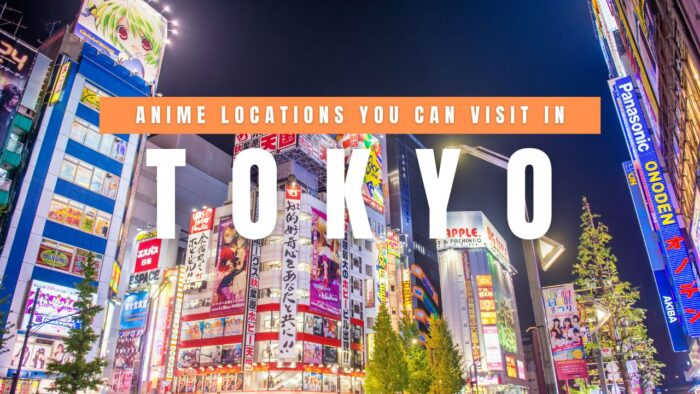
Akihabara, located in Chiyoda City, is inseparable from Steins;Gate. The district appears throughout the anime as the home of Rintaro Okabe’s Future Gadget Laboratory, as well as the setting for major events involving time travel, conspiracies, and emotional turning points. The anime accurately recreates countless streets, storefronts, and intersections, making Akihabara feel immediately recognizable.
To reach Akihabara, simply take the JR Yamanote Line, Keihin-Tohoku Line, or Tokyo Metro Hibiya Line to Akihabara Station. Most major anime landmarks are within walking distance.
What makes Akihabara recommended is the overwhelming sense of immersion. Fans can walk through streets almost identical to those shown in the series, from busy crossings to narrow side alleys filled with electronics stores, gaming centers, and anime merchandise shops. Even the district’s energy feels faithful to the anime’s depiction.
Visiting in the evening is especially memorable, when neon signs illuminate the streets, and crowds create the same atmosphere seen in the show. Beyond Steins;Gate, Akihabara represents anime culture itself, making it essential for any Tokyo anime itinerary.
4. Shibuya Crossing – The Girl Who Leapt Through Time

Located directly outside Shibuya Station, Shibuya Crossing is one of Tokyo’s most recognizable landmarks and appears in The Girl Who Leapt Through Time. The film uses the crossing to symbolize movement, change, and the flow of time, perfectly matching its central themes.
To get there, take the JR Yamanote Line, Saikyo Line, or Tokyo Metro to Shibuya Station. The crossing is immediately outside the station’s Hachiko exit.
What makes this location special is its scale and energy. Thousands of pedestrians cross from every direction whenever the lights change, creating a synchronized movement that feels almost cinematic. Fans of the movie instantly recognize the urban landscape, giant digital billboards, and constant activity.
The best time to visit is late afternoon or evening, when the city lights begin illuminating the streets. Viewing the crossing from an elevated café or observation deck allows visitors to appreciate the same perspective often shown in anime.
Shibuya Crossing represents modern Tokyo at its most dynamic. Its connection to The Girl Who Leapt Through Time gives it emotional significance, turning an already famous landmark into a meaningful destination for anime fans.
5. Kanda Myojin Shrine – Love Live!

Kanda Myojin Shrine, located near Akihabara, appears frequently in Love Live! as an important meeting and cultural location for the characters. The shrine’s vibrant red architecture, stone pathways, and traditional gates are faithfully recreated in the anime.
To reach it, take the JR Yamanote Line to Akihabara Station, then walk approximately ten minutes uphill.
What makes Kanda Myojin highly recommended is its unique blend of history and pop culture. The shrine dates back over a thousand years, yet it fully embraces modern anime fandom. Visitors often find official collaboration merchandise, themed ema plaques, and seasonal displays connected to Love Live!.
Walking through the shrine grounds, fans can easily identify exact camera angles and backgrounds used in the series. The elevated location also provides scenic views of the surrounding neighborhoods.
Special festivals bring additional energy, often attracting both worshippers and anime enthusiasts. This coexistence of ancient tradition and modern fandom creates a uniquely Tokyo experience. For Love Live! Fans, Kanda Myojin offers not just recognizable scenery, but a genuine cultural connection.
6. Odaiba Seaside Park – Digimon Adventure

Odaiba became legendary among anime fans through Digimon Adventure, where it served as the home district of the main characters and the site of major battles and emotional moments. Odaiba Seaside Park, in particular, appears in multiple scenes.
To get there, take the Yurikamome Line from Shimbashi Station to Odaiba-Kaihinkoen Station. The park is only a short walk away.
What makes Odaiba unforgettable is how accurately the anime captured its futuristic waterfront atmosphere. Wide promenades, open plazas, modern architecture, and views across Tokyo Bay all match scenes from the series.
Fans can walk along the same coastline where key events unfolded while enjoying spectacular skyline views. Sunset is particularly beautiful, with reflections across the water creating a cinematic atmosphere.
Beyond anime connections, Odaiba offers shopping centers, museums, and entertainment complexes, making it easy to spend an entire day exploring. For longtime Digimon fans, visiting Odaiba feels like revisiting childhood memories in physical form.
7. Ikebukuro – Durarara!!

Ikebukuro, in Toshima City, serves as the primary setting of Durarara!!. The anime portrays the district’s streets, alleys, intersections, and commercial areas with remarkable accuracy.
Take the JR Yamanote Line to Ikebukuro Station. Most recognizable locations are within walking distance.
What makes Ikebukuro so compelling is its layered personality. During the day, it is lively and commercial, but at night it takes on a mysterious atmosphere that perfectly matches the anime’s tone.
Fans can visit Sunshine 60 Street, West Gate Park, and countless recognizable intersections. Walking these streets often feels like stepping directly into the show.
Ikebukuro is also home to major anime stores, themed cafés, and merchandise centers, adding another level of appeal.
Because Durarara!! focuses so heavily on urban legends and hidden stories that exploring Ikebukuro becomes an adventure in itself. Every street corner seems to hold a familiar memory from the series.
8. Tama River – A Silent Voice

The Tama River appears in emotionally significant scenes in A Silent Voice. Its wide riverbanks, pedestrian paths, and quiet atmosphere perfectly support the film’s themes of reflection and healing.
To get there, take the JR Nambu Line to Noborito or nearby stations, depending on your chosen access point.
What makes the Tama River recommended is its emotional tranquility. Unlike busy urban anime locations, this setting offers space, silence, and natural beauty.
Walking along the river at sunrise or sunset creates a deeply personal experience, especially for fans who connected with the film’s emotional journey.
Cyclists, joggers, and local families create a calm, authentic atmosphere. The openness of the landscape feels almost identical to the anime.
For fans seeking meaningful anime tourism beyond shopping districts and landmarks, the Tama River offers a peaceful, memorable destination.
9. Tokyo Metropolitan Government Building – Weathering With You

Located in Shinjuku, this towering government complex appears in Weathering With You as part of the city’s dramatic skyline.
Take the Toei Oedo Line to Tochomae Station. The building is directly connected.
What makes it recommended is its panoramic observation decks, which offer breathtaking views across Tokyo similar to the film’s aerial scenes.
Fans can look out over endless city blocks, train lines, and distant mountains while imagining the story’s weather-driven events.
The observation decks are spacious and ideal for photography. On clear days, visibility extends remarkably far.
Because Weathering With You focuses so heavily on Tokyo’s urban beauty, few places capture its visual identity better than this location.
Visiting during sunset offers the most cinematic experience.
10. Tokyo Tower – Cardcaptor Sakura

Tokyo Tower appears in multiple magical scenes in Cardcaptor Sakura, symbolizing wonder, adventure, and mystery.
To get there, take the Toei Oedo Line to Akabanebashi Station, then walk approximately five minutes.
What makes Tokyo Tower so special is its timeless silhouette. The bright red-and-white structure stands out beautifully against the city skyline, exactly as portrayed in the anime.
Inside, visitors can access observation decks, exhibitions, and souvenir shops while enjoying expansive city views.
Nighttime visits are particularly memorable when the tower glows against the dark sky.
For fans of magical girl anime, few locations feel as iconic or emotionally resonant.
Tokyo Tower remains one of the city’s most beloved landmarks, and its anime legacy only enhances its appeal.
11. Asakusa and Senso-ji – Demon Slayer Inspiration

Asakusa’s historic district and Senso-ji Temple appear in Demon Slayer during Tanjiro’s early encounters in Tokyo.
To get there, take the Tokyo Metro Ginza Line to Asakusa Station. The temple is a short walk.
What makes Asakusa extraordinary is its preservation of old Tokyo architecture. Traditional lanterns, wooden storefronts, stone pathways, and temple gates create an atmosphere that feels transported from another era.
Fans immediately recognize the streets where Tanjiro first explored the city.
The area is especially vibrant during festivals and evening illuminations.
Visitors can enjoy traditional snacks, cultural performances, and temple rituals while exploring familiar scenery.
Among all anime locations in Tokyo, Asakusa offers one of the richest combinations of historical authenticity and anime recognition.
Closing Thoughts
Tokyo is more than the capital of Japan—it is a living canvas for anime storytelling. Every staircase, shrine, skyline, and neighborhood carries the possibility of recognition, nostalgia, and discovery. Visiting these real anime locations transforms beloved scenes into tangible experiences, allowing fans to connect with their favorite stories in a deeply personal way.
Whether you are following the emotional footsteps of Your Name, reliving the adventures of Digimon, or wandering the neon streets of Steins;Gate, Tokyo offers endless opportunities to step beyond the screen and into the worlds that inspired generations of anime creators.
Tokyo Travel Tour Packages You Should Try
Follow and subscribe to OutofTownBlog.com on Facebook , Twitter, Instagram, Pinterest, and YouTube for more Travel-related updates.
Read:

Stacie Harris is a local resident and reporter of the Maple Grove area. Stacie reports on medicine and science for the Maple Grove Report.