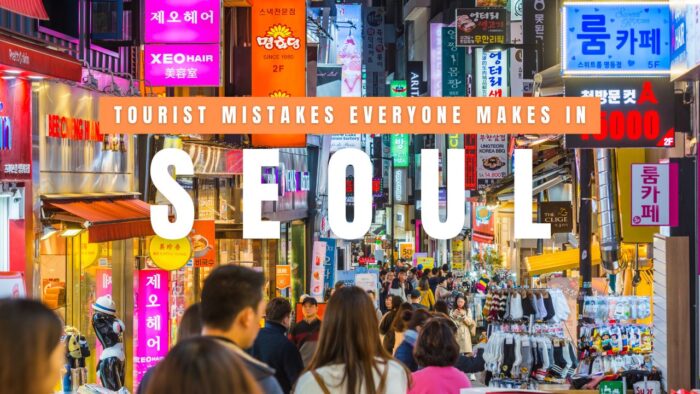

A Frequent Traveler’s Guide to Exploring South Korea’s Dynamic Capital the Smart Way
Few cities in Asia leave as powerful a first impression as Seoul. It is a city where five-hundred-year-old palaces stand beside glass skyscrapers, where quiet mountain trails begin only minutes from neon shopping streets, and where food, fashion, technology, and tradition merge in ways that feel almost effortless. Every time I return, I discover something new—an alley filled with hidden cafés, a neighborhood festival, a tiny family restaurant tucked behind a busy avenue, or a scenic overlook most visitors never find.
Tourist Mistakes Everyone Makes in Seoul
But as exciting as Seoul can be, it also has a learning curve. First-time visitors often arrive with assumptions shaped by other major cities, only to discover that transportation works differently, dining etiquette matters more than expected, and timing can make or break an experience. The good news is that most mistakes are easy to avoid once you understand how the city moves.
After many visits—some smooth, some filled with avoidable errors—these are the twelve tourist mistakes I see again and again in Seoul, and exactly how you can avoid making them.
1. Staying Only in the Most Famous Tourist Districts
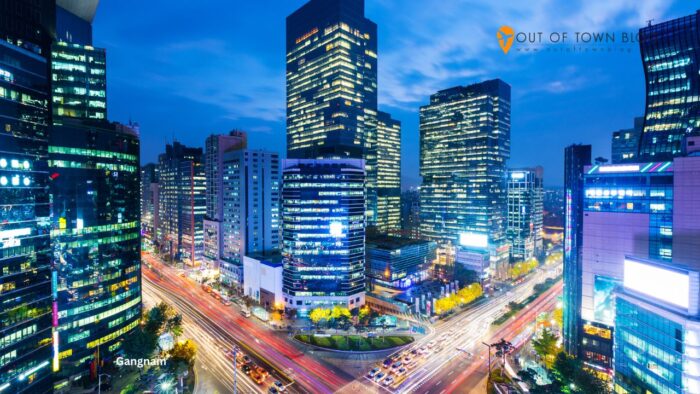
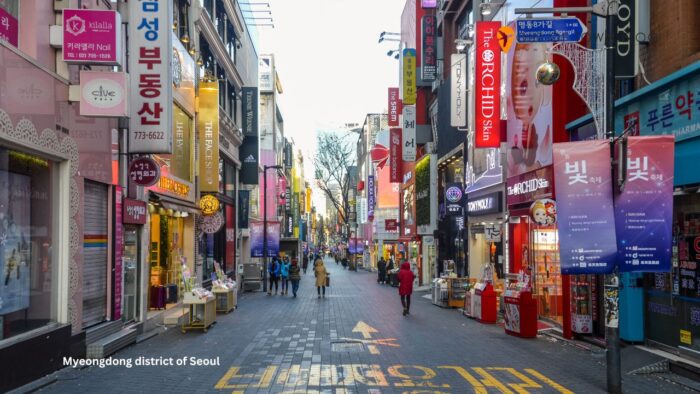
One of the most common mistakes travelers make in Seoul is booking accommodation exclusively in famous districts like Myeong-dong or Gangnam without exploring what other neighborhoods offer. It is understandable—these names appear in nearly every travel guide, social media post, and itinerary recommendation. They are convenient, energetic, and packed with shopping, dining, and nightlife. However, staying only in these high-profile areas can create a limited impression of the city. Visitors often end up surrounded by chain stores, crowded streets, inflated prices, and restaurants designed more for tourists than locals.
Seoul is a city of neighborhoods, and each district has its own personality. Areas such as Hongdae provide youthful creativity and street performances. Insadong offers a more traditional atmosphere. Seongsu has become a hub for design, coffee culture, and local fashion. Itaewon brings international influences, while quieter residential areas reveal the everyday rhythm of local life.
To avoid this mistake, research neighborhoods before booking. Think about your travel style. If you prefer nightlife, art, food, history, or peaceful mornings, Seoul has a district that matches. Staying somewhere that reflects your interests transforms your experience from sightseeing to genuine immersion.
2. Depending Entirely on Taxis Instead of Public Transportation
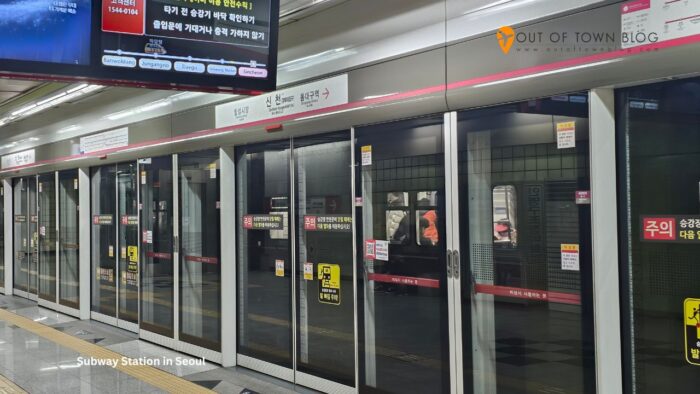
Many travelers assume taxis are the easiest way to get around Seoul, especially after long flights or when navigating an unfamiliar city. While taxis are generally reliable, affordable compared with many global capitals, and widely available, depending on them for your entire trip is both expensive and inefficient. Seoul’s traffic can become extremely congested during rush hours, weekends, and holiday periods, turning short rides into frustrating delays.
The real strength of Seoul lies in its public transportation system. The subway network reaches almost every major attraction, shopping district, museum, university area, and residential neighborhood. Stations are clean, signs are multilingual, and trains are remarkably punctual. Buses complement subway lines and often provide scenic routes through neighborhoods tourists might otherwise miss.
Travelers who ignore public transportation often spend more money, lose valuable time, and miss part of the local experience. To avoid this mistake, purchase a transportation card as soon as you arrive. Spend a little time understanding subway maps and transfer stations. Download local navigation apps before your trip. Once you become comfortable with the system, moving around Seoul becomes faster, cheaper, and surprisingly enjoyable.
3. Underestimating How Much Walking Seoul Requires
Many first-time visitors plan packed itineraries in Seoul without realizing how physically demanding the city can be. Attractions may appear close together on a digital map, but distances become far longer when you factor in underground subway passages, steep streets, hillside neighborhoods, palace grounds, shopping districts, and stair-heavy station transfers. Even experienced travelers can find themselves exhausted halfway through the day.
Seoul is built among hills and mountains, which gives the city its beautiful skyline and dramatic viewpoints, but also creates unexpected elevation changes. Areas like Bukchon, Namsan, and university districts can involve continuous uphill walking. Shopping zones such as Myeongdong and Dongdaemun often require hours of standing and exploring.
Travelers who arrive with fashionable but impractical shoes quickly regret the choice. Blisters, fatigue, and rushed sightseeing become common consequences.
To avoid this mistake, prioritize comfort over style. Bring broken-in walking shoes with strong support. Plan your itinerary geographically rather than jumping between distant neighborhoods. Schedule café breaks, park stops, or quiet temple visits between busier activities. Seoul rewards those who explore on foot, but preparation determines whether that exploration feels exciting or exhausting.
4. Trying to Eat Only at Viral Restaurants

Social media has transformed how people travel, and Seoul is one of the cities most affected by this trend. Visitors often arrive with lists of famous restaurants, viral dessert cafés, celebrity-endorsed barbecue spots, and trendy street-food markets. While some of these places deserve their reputation, building your entire culinary experience around internet fame often leads to disappointment.
Popular venues may involve long waiting times, rushed service, crowded seating, and menus adapted for international tastes. In many cases, travelers spend more time standing in line than actually enjoying the food. Meanwhile, authentic neighborhood restaurants only a few streets away serve better meals at lower prices with a more relaxed atmosphere.
Seoul’s food culture thrives in side streets, basement eateries, local markets, and family-owned establishments where recipes have remained unchanged for decades. Some of the best meals never appear online.
To avoid this mistake, use viral spots as occasional highlights rather than daily priorities. Ask locals for recommendations. Explore near office districts during lunch hours. Follow crowds of residents rather than influencers. If a restaurant is full of local workers, students, or families, chances are you are about to eat very well.
5. Ignoring Dining Etiquette and Local Customs
Food is central to life in Seoul, but many visitors unknowingly create awkward situations by overlooking basic dining etiquette. Unlike some destinations where casual dining rules are flexible, small gestures in Korea communicate respect, awareness, and cultural sensitivity.
A common mistake is to start eating or drinking before the oldest person at the table begins. Another is sticking chopsticks upright in rice, which carries funeral associations. Some travelers pour drinks only for themselves instead of for others. Others speak loudly, move dishes without awareness, or misunderstand how shared meals function.
These mistakes are rarely treated harshly, especially toward foreign visitors, but understanding local customs creates smoother interactions and often earns warmer responses from restaurant staff and new acquaintances.
To avoid this mistake, learn a few simple dining habits before arrival. Observe what locals do at nearby tables. Wait before starting meals in group settings. Offer to pour drinks for others. Handle shared dishes thoughtfully. Small efforts communicate respect and often lead to richer cultural exchanges.
In Seoul, meals are not just about food—they are about relationships, hierarchy, hospitality, and shared experience.
6. Visiting Major Attractions Only During Peak Hours

One of the easiest ways to ruin an otherwise beautiful experience in Seoul is visiting famous attractions at the same time as everyone else. Travelers often follow standard guidebook schedules, arriving at palaces late in the morning, shopping districts in the afternoon, and observation decks around sunset. The result is predictable—crowded entrances, long ticket lines, packed photo spots, and diminished enjoyment.
Places that feel magical in quiet moments can feel overwhelming when thousands of people arrive at once. Historic sites lose some of their atmosphere. Scenic viewpoints become crowded with selfie sticks. Museums feel rushed.
The mistake is not visiting popular places—it is visiting them at predictable times.
To avoid this, start earlier than you think necessary. Morning visits often provide cooler temperatures, better lighting, and fewer crowds. Alternatively, explore popular areas on weekdays instead of weekends. Evening visits can also reveal a completely different atmosphere.
Planning around crowd patterns gives you better photographs, calmer experiences, and more meaningful memories. In a city as active as Seoul, timing can be just as important as destination.
7. Assuming Everyone Speaks English Fluently
Because Seoul is modern, international, and technologically advanced, many travelers assume communication will always be effortless. While English is taught widely, fluency varies significantly depending on age, neighborhood, profession, and situation. Hotel staff and younger professionals may communicate comfortably, but market vendors, taxi drivers, older shop owners, and small restaurant staff may not.
Travelers who assume English will solve every situation often become frustrated during transportation questions, food ordering, or shopping interactions. Misunderstandings can lead to ordering mistakes, navigation confusion, or missed opportunities.
The solution is not to fear communication—it is to prepare.
Before arriving, learn basic Korean phrases, such as greetings, thank-yous, yeses, nos, and simple ordering expressions. Save Korean addresses on your phone. Screenshot directions. Use translation apps offline.
Most importantly, speak patiently and respectfully. Seoul residents are often willing to help when they see a genuine effort.
Language preparation is not about fluency. It is about showing openness, reducing stress, and turning potentially confusing moments into memorable cultural exchanges.
8. Overpacking the Daily Itinerary

Seoul offers so much that many travelers attempt to experience everything in three or four days. They schedule palace visits, shopping streets, museums, food markets, rooftop cafés, river walks, nightlife, mountain hikes, and day trips—all within impossibly tight timelines.
On paper, the itinerary looks exciting. In reality, it creates exhaustion, rushed meals, missed trains, shortened visits, and little time to actually absorb what makes the city special.
Seoul is not a checklist destination. It is a city best understood through atmosphere—lingering in a café, wandering quiet alleys, watching street musicians, exploring bookstores, or sitting beside the river after sunset.
To avoid this mistake, choose two major activities per day and allow flexible time between them. Group nearby attractions together. Leave space for unexpected discoveries.
Some of your best memories in Seoul may come from places you never planned to visit. Overplanning prevents spontaneity, and spontaneity is often where the city reveals its true character.
Travel smarter by seeing less, but experiencing more deeply.
9. Forgetting That Seasons Change the Entire Experience

Many travelers choose travel dates based on flight prices or vacation schedules without understanding how dramatically Seoul changes across the year. Seasonal conditions influence everything—from clothing and transportation comfort to attraction opening hours, festival schedules, and food choices.
Summer can be intensely hot, humid, and rainy. Winter may bring icy sidewalks and subzero temperatures. Spring attracts blossom crowds. Autumn creates some of the city’s most beautiful landscapes, but also increases domestic tourism.
Travelers who pack without checking seasonal realities often struggle with discomfort, inappropriate clothing, or missed seasonal opportunities.
To avoid this mistake, research not only temperatures but also humidity, rainfall, daylight hours, and cultural events for your travel period. Pack layers. Bring umbrellas during rainy seasons. Reserve seasonal attractions early.
Understanding the season helps you plan smarter routes, choose better neighborhoods, and experience local traditions tied to specific times of year.
In Seoul, the city you visit in January feels almost entirely different from the city you experience in October.
10. Shopping Without Understanding Tax Refund Options
Seoul is a shopping paradise, and many visitors enthusiastically buy cosmetics, fashion, electronics, stationery, snacks, and gifts without realizing they may qualify for tax refunds. By ignoring this system, travelers sometimes leave significant money unclaimed.
The mistake usually happens because people do not ask, lose receipts, shop below minimum thresholds, or fail to understand airport refund procedures.
Depending on where you shop, tax-free purchases may be processed instantly, while others require documentation for departure. Without preparation, travelers may arrive at the airport confused, rushed, or unable to complete the process.
To avoid this mistake, ask whether purchases qualify for tax-free shopping before paying. Keep receipts organized in one envelope or digital folder. Verify refund requirements before departure.
If you plan major shopping days, review airport procedures in advance rather than at the last minute.
A little organization can save enough money to fund an extra meal, museum visit, or memorable evening in the city.
11. Treating Convenience Stores as Emergency Options Only
Many international travelers view convenience stores as places for bottled water, quick snacks, or forgotten toiletries. In Seoul, this mindset causes people to miss one of the city’s most practical and surprisingly enjoyable experiences.
Korean convenience stores are deeply integrated into everyday life. They offer fresh meals, coffee, desserts, seasonal snacks, travel supplies, mobile accessories, and late-night social spaces. Students, office workers, travelers, and locals all rely on them.
Ignoring convenience stores means missing affordable breakfasts, midnight meals, local drinks, and easy transportation top-ups.
To avoid this mistake, explore several branches during your stay. Compare products between brands. Try ready-made meals, local desserts, and seasonal specialties.
Many stores also provide seating areas where you can pause, observe local life, and recharge between activities.
In a city that moves as quickly as Seoul, convenience stores are not backup plans—they are part of the culture itself.
12. Leaving Without Exploring Beyond the Obvious

Perhaps the biggest mistake of all is leaving Seoul, having seen only what appears on postcards—palaces, towers, shopping streets, and famous food markets. While these places deserve attention, they represent only the surface of the city.
Seoul’s deeper character lives in hillside neighborhoods, independent bookstores, university streets, riverside bike paths, hidden temples, underground art spaces, and residential alleyways where daily life unfolds quietly.
Travelers who stay only on the tourist path often describe Seoul as exciting. Those who venture beyond it describe Seoul as unforgettable.
To avoid this mistake, dedicate at least one day to a no-fixed-itinerary. Choose a neighborhood with little online hype and simply walk. Enter small cafés. Browse local shops. Follow side streets. Sit in parks.
The city rewards curiosity more than schedules.
Some of Seoul’s most meaningful experiences cannot be booked, reviewed, or mapped. They can only be discovered.
Closing: Seoul Becomes More Rewarding the More Thoughtfully You Travel

Seoul is not difficult to love, but it is a city that reveals itself in layers. The first layer is bright, energetic, and unforgettable. The deeper layers—its customs, neighborhoods, routines, flavors, and quiet corners—belong to travelers willing to slow down, observe, and adapt.
Every mistake on this list is common because Seoul feels familiar and futuristic at first glance. Yet beneath that modern surface lies a culture shaped by tradition, rhythm, and subtle social expectations. Learning how the city works does not limit your adventure—it enhances it.
Avoid these twelve mistakes, stay curious, and Seoul will reward you not simply with photographs and souvenirs, but with stories you will keep long after the journey ends.
Seoul Travel Tour Packages You Should Try
Follow and subscribe to OutofTownBlog.com on Facebook , Twitter, Instagram, Pinterest, and YouTube for more Travel-related updates.
Read:

Stacie Harris is a local resident and reporter of the Maple Grove area. Stacie reports on medicine and science for the Maple Grove Report.