
A Frequent Traveler’s Practical Guide to Exploring the Lion City Like a Seasoned Insider
Singapore has a reputation for being one of the cleanest, safest, and most efficient destinations in the world. Its skyline gleams, its streets are immaculate, and its transport system feels almost futuristic. For first-time visitors, it often appears easy—perhaps even effortless—to explore. That assumption, however, is exactly where many travelers go wrong. Beneath the polished surface lies a city with its own rhythms, cultural nuances, unspoken etiquette, and practical realities that can surprise even experienced globetrotters.

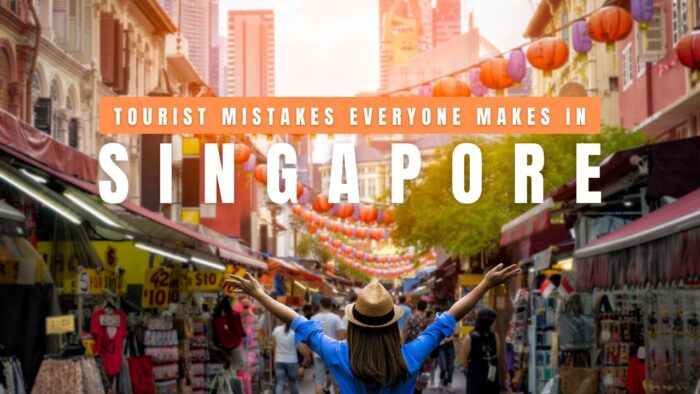
Tourist Mistakes Everyone Makes in Singapore
After multiple visits to this remarkable island nation—wandering through hawker centers at midnight, navigating rush-hour MRT crowds, discovering hidden neighborhoods, and occasionally learning lessons the hard way—I’ve noticed the same avoidable mistakes repeated by tourists from all over the world. Some mistakes cost money, others waste precious time, and a few can make travelers miss the authentic side of Singapore entirely.
If you want your trip to feel smoother, richer, and far more rewarding, here are twelve tourist mistakes everyone seems to make in Singapore—and exactly how to avoid them.
1. Assuming Singapore Is Small Enough to Explore Without Planning

One of the most common mistakes travelers make is looking at Singapore’s size on a map and assuming they can casually “figure things out” as they go. Technically, Singapore is compact compared with many countries, but that doesn’t mean its attractions are conveniently clustered. A morning at Sentosa, an afternoon in Gardens by the Bay, and an evening in Changi’s Jewel may look manageable on paper, yet travel times, queues, and walking distances can quickly eat into your schedule.
Many visitors underestimate how much time is spent transitioning between districts. Even with Singapore’s exceptional public transportation system, moving from one side of the island to another can take longer than expected when station transfers, orientation, and crowds are involved. By the second day, some travelers realize they’ve spent more time commuting than sightseeing.
To avoid this mistake, group attractions by neighborhood. Dedicate one day to Marina Bay, another to Chinatown and Tiong Bahru, another to Sentosa and HarbourFront. Use MRT route apps before leaving your hotel, and leave buffer time between major attractions. Singapore rewards organized travelers far more than spontaneous ones.
2. Underestimating the Tropical Heat and Humidity
Many tourists arrive in Singapore expecting “warm weather,” only to discover a level of humidity that can drain energy within an hour. The city’s equatorial climate means temperatures remain consistently high throughout the year, but it’s the moisture in the air that catches most people off guard. Walking ten minutes outdoors can feel like an unexpected workout.
Visitors often begin their mornings full of enthusiasm, planning back-to-back outdoor attractions, only to find themselves exhausted by lunchtime. Excessive sweating, dehydration, and heat fatigue are surprisingly common among travelers who pack as if they’re visiting a mild summer destination.
The best way to avoid this mistake is to work with Singapore’s climate rather than fight it. Start outdoor sightseeing early in the morning, ideally before 10 a.m. Schedule museums, malls, cafés, or indoor attractions during the hottest afternoon hours. Carry water with you at all times, even if you don’t feel thirsty. Lightweight, breathable clothing makes an enormous difference, as does comfortable footwear.
An umbrella is also essential—not only for sudden tropical rain but for shade. In Singapore, respecting the weather isn’t optional—it’s part of traveling smart.
3. Eating Only in Shopping Malls and Tourist Restaurants

Singapore is famous for food, yet many visitors accidentally limit themselves to polished mall restaurants and heavily marketed tourist eateries. While these places can be convenient, they rarely capture the city’s true culinary spirit.
Singapore’s real food culture lives in hawker centers—vibrant communal dining spaces where generations of cooks perfect dishes that define the nation’s identity. Travelers who ignore these places often leave saying the food was “good,” not realizing they missed what makes Singapore extraordinary.
Part of the hesitation comes from uncertainty. Some tourists feel intimidated by the crowds, unfamiliar menus, or the self-service system. Others assume low prices mean lower quality. In reality, some of the world’s best meals in Singapore cost less than a cup of coffee elsewhere.
To avoid this mistake, visit famous hawker centers and explore neighborhood favorites. Arrive during non-peak hours if crowds feel overwhelming. Observe locals—notice which stalls have the longest queues. Bring cash or check payment options in advance.
Most importantly, be adventurous. The dish you can’t pronounce may become the most memorable meal of your entire trip.
4. Forgetting That Singapore Has Strict Rules

Singapore’s reputation for cleanliness and order doesn’t happen by accident. It’s supported by laws that many tourists either overlook or dismiss as exaggerated stories. Unfortunately, some visitors discover the rules only after making costly mistakes.
Eating or drinking on the MRT, littering, smoking in prohibited areas, jaywalking, and ignoring designated public spaces can all lead to fines. Even seemingly harmless habits—like leaving trash behind after a snack—can attract unwanted attention.
Many tourists assume enforcement only targets locals or that “one small mistake” won’t matter. Singapore’s public systems work precisely because expectations apply to everyone. Visitors who ignore this often stand out for the wrong reasons.
Avoiding this mistake is simple: observe your surroundings carefully. Look for signs before smoking, eating, or disposing of waste. Carry a small trash bag if bins aren’t immediately visible. Keep your transport rides food-free, even if you’re hungry.
Rather than seeing the rules as restrictive, view them as part of what makes Singapore so comfortable, efficient, and enjoyable for millions of people. Respecting the system means becoming part of it.
5. Visiting Only Marina Bay and Missing the Real Neighborhoods

Marina Bay is breathtaking. The skyline, waterfront, architecture, and light shows create an unforgettable first impression. But many tourists make the mistake of spending their entire trip in this polished district, believing they’ve “seen Singapore.”
In reality, Marina Bay represents only one side of the city. Beyond the iconic skyline lies a far richer, more personal Singapore—heritage neighborhoods, family-run cafés, traditional markets, and streets layered with cultural history.
Travelers who never venture beyond the postcard attractions often miss the stories that make the city memorable. They photograph the landmarks but never feel connected to the place itself.
To avoid this mistake, dedicate time to neighborhoods like Kampong Glam, Little India, Joo Chiat, Tiong Bahru, and Chinatown. Walk slowly. Enter local bakeries. Browse independent bookstores. Talk to shop owners.
Some of Singapore’s most meaningful experiences aren’t ticketed attractions—they’re hidden in alleyways, murals, shophouses, and neighborhood coffee stalls. The moment you step away from the skyline, the city begins to reveal its personality.
6. Taking Taxis Everywhere Instead of Using the MRT

Many first-time visitors default to taxis or ride-hailing apps, assuming they’re faster and more convenient. While Singapore’s roads are efficient, relying exclusively on private transport can quickly inflate your travel budget.
More importantly, you miss one of the city’s greatest advantages: the MRT. Singapore’s train network is clean, affordable, reliable, and incredibly easy to navigate. It reaches most major attractions with impressive precision.
Tourists who avoid the MRT often end up spending unnecessary money sitting in traffic during peak hours, especially around business districts. Some even arrive late because they assumed driving would always be faster.
To avoid this mistake, purchase a transport card or use contactless payment from day one. Download an MRT route app and familiarize yourself with line colors and transfer stations. Avoid rush-hour crowds if possible, but don’t fear them—they move efficiently.
Using the MRT isn’t just transportation; it’s part of understanding how Singapore works. Once you embrace it, the city suddenly feels smaller, simpler, and far more accessible.
7. Ignoring Sudden Rainstorms
Singapore’s weather can shift dramatically within minutes. Bright sunshine can become heavy rain before you finish your iced coffee. Yet countless tourists head out each day without umbrellas, waterproof bags, or backup plans.
The result? Soaked clothes, damaged electronics, canceled outdoor plans, and unnecessary frustration. Some visitors lose hours waiting under the shelter for storms to pass.
Rain is not an occasional inconvenience in Singapore—it’s part of everyday life. Locals prepare automatically, but tourists often assume forecasts guarantee stability.
To avoid this mistake, always carry a compact umbrella, even if the sky looks clear. Waterproof pouches for phones and passports are worth the small investment. Plan indoor alternatives near outdoor attractions so sudden weather changes don’t ruin your day.
Rain in Singapore is often intense but short-lived. If you’re prepared, it becomes part of the adventure instead of a disruption.
8. Overspending on Bottled Water and Convenience Purchases
Singapore is modern, polished, and undeniably premium—but that doesn’t mean every daily expense needs to be expensive. Many tourists unknowingly overspend on bottled drinks, snacks, and convenience items from tourist-heavy locations.
After several days, these small purchases quietly add up. A few dollars here and there can add up to a surprisingly large travel expense.
What many visitors don’t realize is that Singapore’s tap water is safe, clean, and internationally respected. Yet countless travelers continue buying bottled water out of habit.
To avoid this mistake, bring a reusable water bottle and refill throughout the day. Shop at neighborhood supermarkets instead of tourist kiosks for snacks and essentials. Stock your hotel room with supplies on your first day.
Smart spending doesn’t mean sacrificing comfort—it means avoiding unnecessary tourist pricing so your budget goes toward experiences that actually matter.
9. Dressing Without Considering Cultural Sensitivity
Singapore is modern and international, but it’s also deeply multicultural, with communities rooted in Chinese, Malay, Indian, and other traditions. Some tourists assume casual vacation clothing works everywhere, only to realize certain places call for more awareness.
Temples, mosques, heritage sites, and religious neighborhoods often require respectful attire. Revealing clothing may feel out of place or even restrict entry.
The mistake usually isn’t intentional—it’s simply a lack of preparation. Yet clothing choices can influence how comfortably and respectfully you experience cultural spaces.
To avoid this mistake, carry a lightweight scarf, shawl, or overshirt in your day bag. Research dress expectations before visiting religious sites. Comfortable, modest clothing often works best in Singapore’s climate anyway.
Respectful dressing isn’t about formality—it’s about understanding where you are and honoring the communities that shape the city.
10. Packing Every Day With Too Many Attractions

Singapore’s efficiency creates a dangerous illusion: because transportation works so well, tourists believe they can fit ten attractions into one day.
The reality is very different. Queues, walking distances, meal breaks, weather, and simple sensory overload can quickly turn an ambitious itinerary into an exhausting checklist.
By the third attraction, many travelers stop appreciating what they’re seeing because they’re already worried about the next reservation.
To avoid this mistake, choose three major highlights per day, with room for spontaneous discoveries. Allow neighborhoods to unfold naturally. Sit in a café. Watch people. Wander side streets.
Singapore isn’t a city that rewards speed. It rewards curiosity, attention, and balance. Sometimes your favorite memory comes from the unplanned hour between destinations.
11. Shopping Only on Orchard Road

Orchard Road is world-famous for shopping, luxury brands, and polished retail experiences. Naturally, many tourists treat it as Singapore’s ultimate shopping destination.
But limiting yourself to Orchard means missing a much broader retail culture—of independent designers, vintage finds, artisan goods, cultural crafts, and neighborhood markets — that tells a deeper story.
Tourists who spend all their shopping time in malls often leave with global brands they could buy anywhere.
To avoid this mistake, explore Bugis, Haji Lane, Chinatown markets, and neighborhood boutiques. Look for locally designed fashion, handmade gifts, specialty teas, and heritage crafts.
The best souvenir isn’t always expensive—it’s something uniquely tied to the place where you found it.
12. Treating Singapore as a Stopover Instead of a Destination
Perhaps the biggest mistake of all is assuming Singapore is simply a transit city—a quick layover between larger adventures. Many travelers schedule only one or two nights, expecting that to be enough.
By the time they visit a few landmarks, sample a hawker meal, and take skyline photos, they’re already heading to the airport. What they leave with is a snapshot, not an understanding.
Singapore may be compact, but its layers reveal themselves slowly. Food, architecture, neighborhoods, museums, gardens, nightlife, heritage, and hidden local traditions deserve time.
To avoid this mistake, give Singapore at least four to five full days. Leave room for neighborhoods you’ve never heard of. Return to places at different times of day. Explore beyond guidebooks.
Singapore isn’t just a stop between destinations. For travelers who give it proper time, it becomes the destination they remember longest.
Final Thoughts: Travel Smarter, Experience Deeper
Singapore often looks effortless from the outside—organized streets, seamless transportation, spotless public spaces, and attractions that seem designed for convenience. But the travelers who truly fall in love with this city are the ones who move beyond the obvious, respect its rhythms, and stay curious enough to explore what lies between the landmarks.
Avoiding these twelve common mistakes won’t just save you money, time, or unnecessary stress. It will transform your trip from a typical sightseeing checklist into something richer, slower, and infinitely more personal.
Because in Singapore, the best experiences rarely come from simply seeing more. They come from noticing more.
Singapore Travel and Tour Packages
Check out our complete list of recommended Hotels in Singapore via Agoda, or you may also see available Airbnb properties in the city.
Want more updates about other Singapore tourist spots? Like, Follow, and Subscribe to OutofTownBlog.com on Facebook, Twitter, Instagram, and Pinterest, and Team out of Town on YouTube for more Singapore Travel Spots.
Also see:

Stacie Harris is a local resident and reporter of the Maple Grove area. Stacie reports on medicine and science for the Maple Grove Report.