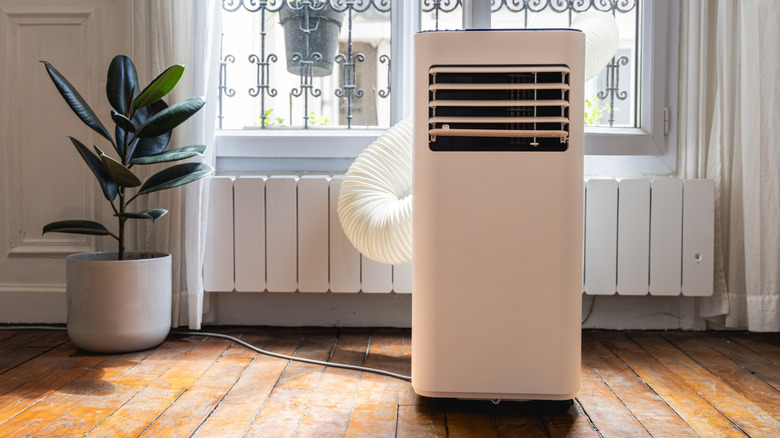

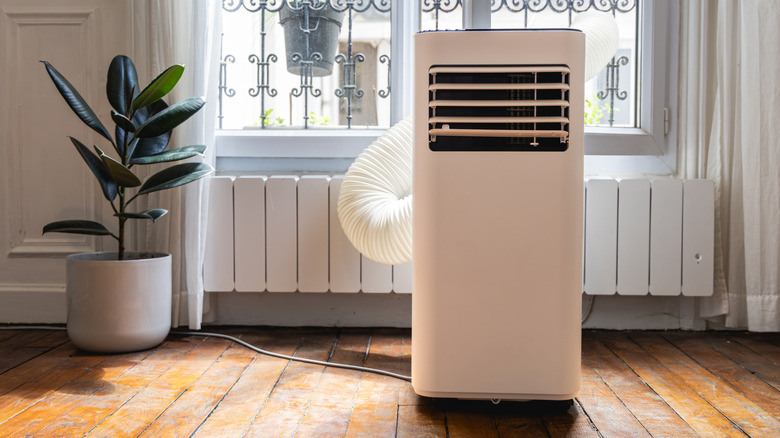
It’s difficult to imagine what life must have been like before air conditioners. In 2026, some areas of the U.S. like the southwest were already reaching triple digits in March, with Phoenix, Arizona registering 105 degrees Fahrenheit. Fortunately, instead of withering in sweltering summer heat, you can choose from a few different types of air conditioners. Window units, portable units, and split AC designs provide cooling solutions beyond the large central home HVAC systems.
Each of these choices, while having their own pros and cons, effectively cool using a similar process. A fan forces hot air from the room to flow over an evaporator coil that sits at around 40 degrees Fahrenheit. This air is simultaneously cooled and dehumidified and then dumped back into room, lowering the temperature. Most of the time this process works flawlessly, but there are occasions when AC units can act up.
LG is among the global industry giants of cooling solutions and offers one of the best portable air conditioners in 2026. While many are happy with its air conditioning products, there are a few issues expressed by some owners of LG air conditioners who have run into trouble. These include reports of noisy operation, the unit failing to cool, and even water leaks.
LG air conditioners can be noisy when running

There is a difference between sound generated during normal operation of an AC unit and problematic noise. Your average cooling unit will emit sound at between 40 and 60 decibels — for context, 60 dB is around the volume of a standard conversation. By far, the compressor is the loudest component of an AC unit. Portable air conditioner types often put out the most sound because unlike a split unit, which puts the noisier parts outside, the compressor sits in the room with you.
However, some owners have complained of hearing unusual things from their LG air conditioner. For example, several owners complained in user reviews of excess noise on the LG 10,000 & 8,000 BTU 115-Volt Window Air Conditioner Combo on its Home Depot listing. Apparently, the issue may stem from something as simple as failing to remove all the packaging after opening to improper installation. If the unit isn’t level and secure within the frame of the window it can produce more sound and potentially rattle. It’s also possible that a part has loosened or foreign debris has entered the unit. Catching these problems early with regular maintenance can be a significant factor in the average lifespan of an AC unit.
LG air conditioners sometimes fail to cool down the room adequately
Few things are as frustrating as an air conditioner that fails to perform any cooling. Some owners of LG units have expressed dismay as they patiently waited hours for a more comfortable temperature to no avail. In one case, an owner reported their portable LG-branded air conditioner ran for 16 hours and only brought the room down 4 degrees.
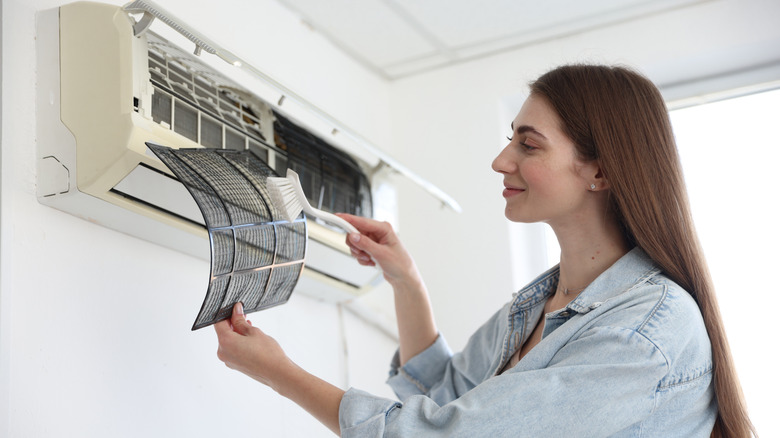
A unit that doesn’t cool could be the result a few simple things that are easy to check. In the case of a portable machine which has a large hose that exhausts hot air out the window, ensuring it isn’t pinched or restricted in any way is a good start. However, often it can be clogged filters which inhibit cooling performance, as this can restrict airflow. If the filters are dirty, cleaning them can help the unit run properly.
It’s also good to maintain proper expectations, especially when outdoor temperatures are approaching triple digits. One way to set the proper temperature for the conditions is to employ the 20-degree rule for air conditioners, which states your unit shouldn’t be set more than 20 degrees lower than the outdoor temperature. Chances are it wouldn’t get much colder and will only work the machine harder.
LG air conditioners sometimes suffer from water leaks

Condensation is a natural part of the cooling process for any type of air conditioner. Portable units often feature an evaporation function that removes water from a collection tank, but can also be manually drained. Split units feature drain lines that run outside, and some window models direct water toward the condenser to evaporate and cool the unit at the same time. However, in some cases LG owners were noticing water leaking out of their unit and into their homes. One customer lamented that their portable AC had leaked a significant amount onto the hardwood floor, damaging it in the process.
There are a few culprits that could cause an AC to leak water. The first place to check, depending on what type of unit, would be the drain line. If the water isn’t able to freely flow through the line due to a blockage, it will back up. On a window unit, properly leveling it according to LG’s recommendations is key in preventing leaks. For example, if the machine was tilted forward slightly toward the inside of the room, the condensation may not travel along the intended channels and drip water on the floor instead.

Stephan is the sports journalist for the Maple Grove Report.