
Fully electric vehicles are becoming more and more prevalent, but some people still prefer hybrids over EVs. Hybrids combine the best aspects of both full-electric motors and gasoline-fueled engines, and as such, they offer decent power output, reduced emissions, and impressive fuel efficiency. They’re also generally quieter, and they remove the charging hassle and fear of running out of power that comes with a full EV.
Hybrids depend on a battery pack to power the electric motor. These batteries often come with generous warranties, with major automotive brands like Ford and BMW offering eight-year warranties. However, even though there are measures you can take to ensure your hybrid’s battery lasts as long as it’s supposed to, it will still degrade and fail over time. When this happens, you’ll probably experience some of the most common problems that affect lithium-ion or nickel-metal hydride batteries, like overheating and reduced battery capacity.
Given that most hybrid battery repairs or replacements can cost thousands of dollars, understanding these problems is vital for current owners and potential buyers alike. As an owner, it can help you detect and troubleshoot small issues that might worsen into something serious, and if you’re a buyer, you’ll be able to decide if the hybrid car is worth investing in. With that said, here’s a look at common problems you’ll find with hybrid batteries and how you can avoid them.
Your battery drains too fast
One thing to keep in mind about all types of batteries is that they are susceptible to battery drain, especially as they age. Your high-voltage hybrid battery pack is no different. In an ideal scenario, a hybrid battery should last about eight to ten years, and you should not experience persistent battery drain during this period. However, if your pack is relatively new, and you notice telltale signs of a dying battery, such as a noticeable drop in your average MPG or reduced performance, that’s cause for concern. Your aging battery cells are probably losing efficiency, and it’s best that you visit a pro for inspection and repair.
Apart from age, there are many reasons why your car’s battery is draining so fast. Factors such as exposure to extreme temperatures and frequent deep discharges can all lead to premature battery drain. The battery will also start to lose capacity if you leave your vehicle untouched for months or engage in bad driving habits, say, pushing the engine too hard for too long. To avoid putting your hybrid battery at risk of premature draining, experts recommend parking your car in a shaded area. You’ll also want to drive your car regularly — not short drives, as they can also shorten the lifespan of both the 12-volt and high-voltage batteries. Don’t forget to commit to proactive maintenance as it’s key to a long hybrid life.
Your battery overheats
Another common and dangerous problem you may encounter with hybrid batteries is overheating. It’s quite normal for batteries to generate a little heat when in use due to chemical reactions. When it starts to heat up excessively, however, you’ll want to take caution; an overheating hybrid battery can present some serious issues. It can reduce your battery’s lifespan by increasing wear and damaging battery cells and also impact your car’s performance and fuel efficiency.
Overheating is one of the warning signs that your hybrid battery needs to be replaced. You can always tell your battery is dangerously overheated if it’s hot to the touch or if a battery warning light pops up on the dashboard. There are several reasons why your hybrid battery will overheat. Think of being exposed to direct sunlight for extended periods, pushing your car too hard to gain speed instantaneously, and faulty electronic connections.
You can keep all these from happening by avoiding common mistakes that ruin car batteries. Mechanics also warn against depleting or deep-discharging your high-voltage battery pack. It’s also wise that you practice proper maintenance. Blocked air intakes, dirty filters, and faulty fans are known culprits for overheating hybrid batteries. Aside from this, be on the lookout for software updates that could entail battery management improvements.
Dead cells or faulty battery modules
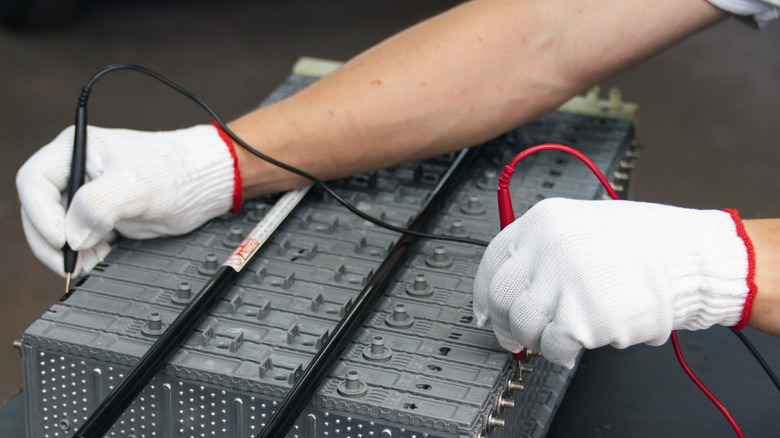
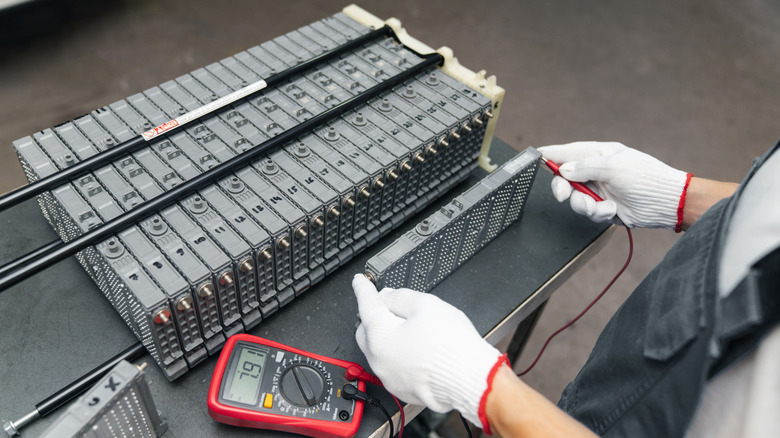
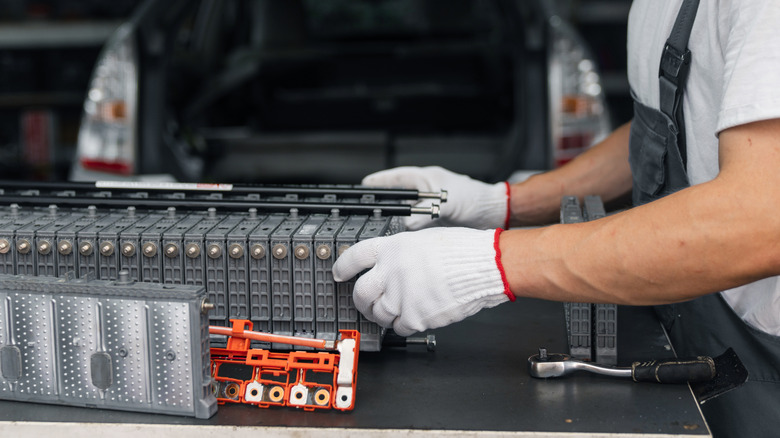
A hybrid battery is not just one big battery. It’s a pack composed of multiple individual modules with low-voltage battery cells, organized to deliver a given voltage level required for efficient operation. Considering that they’re connected to work together, if one module fails, either due to manufacturing defects or physical damage, the whole system will be affected, too.
When this happens, you’ll probably miss everything that makes your hybrid SUV or truck worth driving — think of tremendous fuel savings and impressive driving range. In addition to a decline in fuel efficiency and performance, error codes may appear on your dashboard, your car may feel sluggish during acceleration, and strange noises may appear. To avoid this, keep up with routine battery checks, avoid deep discharges, and minimize how you use your hybrid battery.
If you notice any of these signs, experts recommend you visit your garage for diagnostic scans immediately. Left unchecked, the issue can spread to other cells, leading to total battery failure, which, as we mentioned, is quite expensive to replace. Also, if you’re a DIY enthusiast, you might be tempted to swap faulty modules with new ones. Before you go ahead with your plan, you’ll want to think twice. If done incorrectly, it may result in repeated battery failures and, worse still, a short circuit that could lead to a “thermal event.”

Stephan is the sports journalist for the Maple Grove Report.