4 Cool Bluetooth Gadgets You Can Connect To Your Echo Dot


We may receive a commission on purchases made from links.

Smart screens and speakers have found a permanent place in many of our households, since they help with playing music, controlling smart plugs, setting reminders, and much more. The use cases are plenty, especially when paired with other smart home gadgets that solve everyday problems. Speaking of pairing your smart speaker with external devices, the Amazon Echo Dot — one of Amazon’s most affordable and popular smart speakers — sports Bluetooth connections, which means it can be paired with some cool Bluetooth gadgets for added functionality. You can, for example, can pair multiple Echo speakers for a stereo setup or even connect external speakers with a better sound output during a party. Apart from audio, though, there are several other ways that you can take advantage of the Echo Dot’s Bluetooth module.

A few smart home gadgets, like smart light bulbs, often need a hub to function. However, if the bulb has Bluetooth support, it can be connected to and controlled by an Echo Dot without an external hub, which makes it a handy option. Similarly, there are other such gadgets that can take advantage of the Bluetooth Low Energy (BLE) protocol of the Echo Dot to establish a connection. Here are some of the best and most useful gadgets that we’ve found that can enhance your life and home. All you have to do is put your Echo Dot in pairing mode and connect the required device with the help of the Alexa app on your smartphone.

Bluetooth speakers

While there are several handy uses for an Amazon Echo Dot speaker, arguably the most popular one is playing music. This is primarily because it’s so quick and simple to ask Alexa to play your favorite album or track without having to manually look for it on your phone. Convenience aside though, Echo devices are capable speakers by themselves, which means the sound output is loud and clear. However, the small form factor means that the bass can be lacking, and the sound may not be able to fill a large room. If you’re having a party with your friends, you might miss out on that extra oomph. This is where the Echo Dot’s ability to connect to an external speaker comes into play.

If you have a Bluetooth speaker lying around at home, all you have to do is put it in pairing mode, head to the Alexa app, and connect the speaker to your Echo Dot. This works with pretty much any Bluetooth speaker, right from budget options to large home theatre setups. As long as the speaker is connected to the Echo Dot, all its responses — not just the songs — will play via the speaker itself. That said, the Echo device will still use its onboard microphones to detect and register your voice queries. This is one of the simplest yet the most popular uses that we’re sure a lot of you will appreciate. In case you don’t already have a speaker, the Anker Soundcore 2, which retails for around $30, is a user-favorite with a rating of 4.5 from close to 150K reviews.

Smart bulbs

The issue with a lot of good smart lighting solutions is that the installation process can be a headache — especially if they need a hub. Bluetooth smart bulbs are an easy fix, offering a plug-and-play solution. Modern Bluetooth bulbs from brands like Philips Hue or GE connect directly to your Echo Dot right out of the box, instead of requiring a central hub. This integration capability makes it an easy entry point into smart home automation. The biggest advantage of a system like this is that you can use bulbs and other smart home gadgets from multiple brands without worrying about compatibility.

Having a brand-agnostic solution helps avoid multiple issues. Once you invest in a Philips hub, for example, you may not be able to use bulbs from other brands with the same hub. This means you’re locked into the Philips ecosystem, unless you splurge on another hub from a different brand. Wi-Fi bulbs can already tackle this problem, but they can sometimes bog down your home network. Bluetooth bulbs, on the other hand, communicate locally with your Echo Dot. The feature set remains the same; you can set up daily routines so your lights slowly turn warmer in the evening, or shut down the entire house with a single phrase as you walk out the door. Additionally, you can connect as many bulbs via Bluetooth and operate the all individually. The Philips Hue 60W smart LED bulb, with its 4.7-star rating across more than 16,000 reviews, is a good starting point for under $50.

Smart switches

If you’re looking for creative use cases for your old Amazon Echo, smart switches are a good investment. The Switchbot smart switch button is an excellent replacement for old appliances and gadgets that lack internet connectivity; stick it beneath a manual switch and suddenly you can control it with your smartphone or Amazon Alexa device. Lots of devices and appliances launched in recent years may have built-in smart functionality to turn them on and off remotely. However, an old coffee maker or air purifier may not have the feature, and that’s exactly where a device like the Switchbot smart switch comes in handy. Once you connect it via Bluetooth to your Echo Dot, you can turn an appliance on or off with just your voice.

This works well with push-button switches, but you can’t use a single Switchbot to operate a larger, more traditional switch like the kind that controls the lights in your house both on and off. If you want both functionalities, you will have to purchase two Switchbots and install them on either side of the switch. While the product description mentions that you need a hub to use the device with Alexa, it’s only applicable to older Echo devices that cannot behave like a Bluetooth hub. With over 28,000 reviews and a rating of 4.1 stars, users definitely seem to love the Switchbot smart button thanks to its ability to use older gadgets easier. There’s something to be said about having a fresh cup of coffee waiting for you right after stepping out of the shower in the morning, isn’t there?

Bluetooth turntables

For those who have a large collection of vinyl records from back in the day, a Bluetooth turntable is pretty much a must-have. If you have one lying around, you would be glad to know that you can easily connect it to your Echo Dot. Since a good number of Bluetooth turntables have built-in wireless transmitters, you can wirelessly use your Echo Dot as a speaker instead of relying on your turntable’s internal one. Thanks to this setup, you can place your turntable at a distance from the Echo Dot without running audio wires all through the room.

This is a pretty neat trick; while the Echo Dot is usually the brain sending audio out to other speakers, in this scenario, it acts as the wireless receiver instead. The Audio-Technica wireless turntable is an excellent option in case you don’t have one already and are looking to buy one. It is pricey at around $230, but it’s got a solid 4.6-star rating across more than 8,700 reviews. Apart from a turntable, pretty much any other audio device that has a built-in Bluetooth transmitter can be used with an Echo Dot as well, so don’t feel like you’re limited to just spinning records remotely.

How we picked these gadgets

The primary criteria for a gadget to make it to this list is the fact that it connects to an Echo Dot speaker purely via Bluetooth and not Wi-Fi. Hence, it’s vital to note that not all types of gadgets of a particular kind may work via Bluetooth. An example of this is that not all smart bulbs support Bluetooth Low Energy connectivity. That’s why we’ve included suggested products that support the technology at play here; the ones we do recommend all have a rating of at least 4.1 stars across thousands of reviews. Additionally, all Echo devices — including the Echo Dot — need to be first connected to a Wi-Fi network for their initial setup before they can be used to connect to Bluetooth devices. Therefore, all the gadgets have been recommended with the assumption that you have access to a Wi-Fi network and that your Echo device is set up.


Source link

Leave a Reply

Subscribe to Our Newsletter

Get our latest articles delivered straight to your inbox. No spam, we promise.

Recent Reviews


Complex-sounding medical procedures are notorious for creating feelings of anxiety in those who face them, and a cystoscopy is no exception. The name itself can sound intimidating, and the idea of a procedure that involves the bladder and urethra might even create additional worry. However, while the term might sound intimidating, a cystoscopy is a relatively quick and straightforward procedure frequently performed right in your doctor’s office.

Learn more about cystoscopies and what you can expect from this common procedure.

What Is a Cystoscopy?

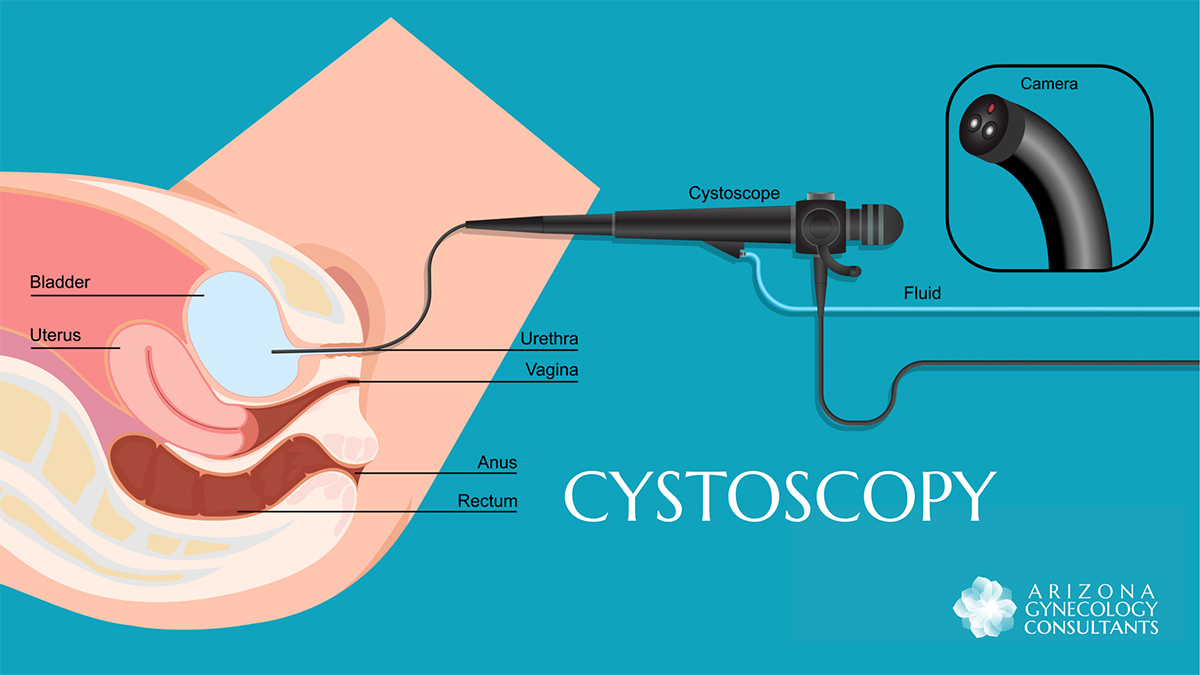
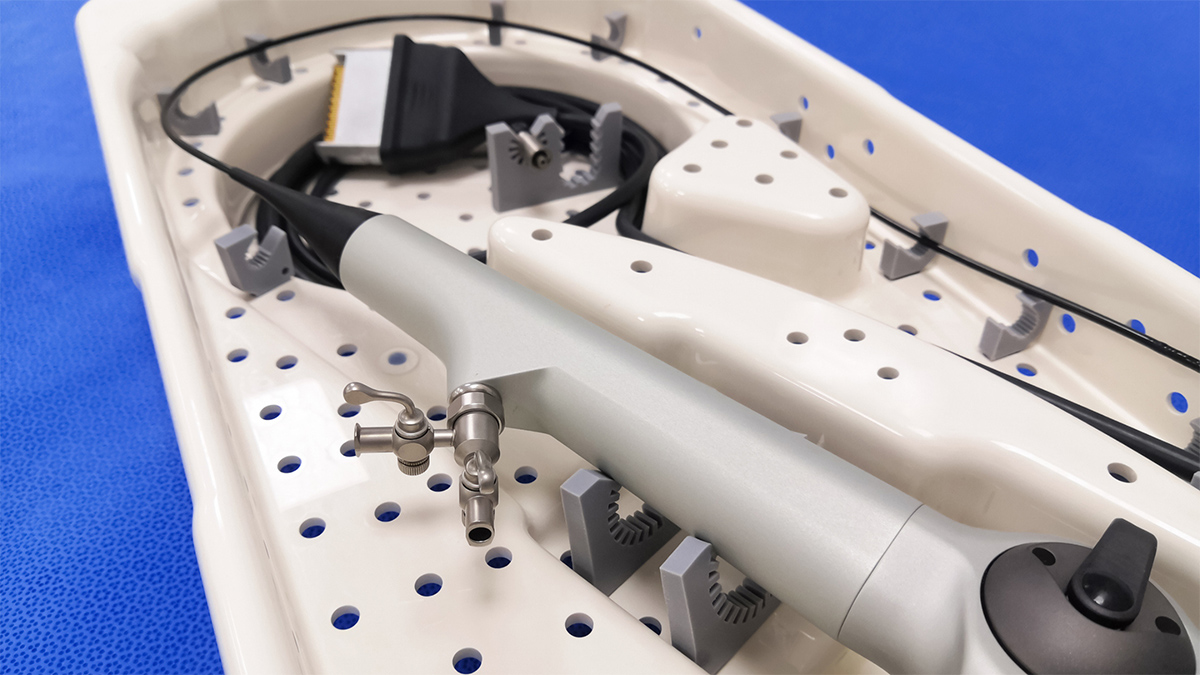
A cystoscopy is a minimally invasive medical procedure performed with the purpose of examining a person’s urethra and bladder for abnormalities. During a cystoscopy, a physician uses a thin, telescope-like tube equipped with a light and a camera called a cystoscope. As the thin tube is gently inserted through the urethra and into the bladder, the camera transmits to a monitor, providing your doctor with a clear view.

There are two types of cystoscopes: rigid and flexible. As its name suggests, a rigid cystoscope is a straight, relatively firm tube often preferred for its clear images and its ability to enable the smoother passage of other medical instruments for biopsies. A flexible cystoscope is made of thinner, bendable materials that can more easily navigate the curves of the urethra. This can be more comfortable for patients.

Cystoscopy may identify several issues related to the urinary tract

Why Is a Cystoscopy Performed?

Cystoscopy may identify several issues related to the urinary tract.

These can include: 

  • Blood in the Urine (Hematuria) – Identifying the source of blood in the urine is a common reason for performing a cystoscopy. The procedure can reveal infections, bladder stones, tumors, or other abnormalities.
  • Painful Urination (Dysuria) – Cystoscopy can help determine the cause of pain or burning during urination, such as inflammation, infection, or structural issues.
  • Frequent Urination or Urinary Urgency – These symptoms may indicate bladder irritation, an overactive bladder, or other underlying conditions. A cystoscopy can help providers reach a diagnosis.
  • Urinary Incontinence – This procedure can help providers evaluate the bladder and urethra to identify potential cases of incontinence, such as structural problems or nerve issues.
  • Difficulty Starting or Stopping Urination – Cystoscopy could help identify blockages that are creating problems with urination.
  • Recurrent Urinary Tract Infections (UTIs) – If UTIs are frequent, the procedure could help identify contributing factors.
  • Incomplete Voiding – People experiencing the feeling of incomplete bladder emptying may need a cystoscopy to identify the cause.
  • Chronic Pelvic Pain – In some cases, a cystoscopy may be performed to investigate urinary tract involvement in chronic pelvic pain.

In general, cystoscopies give medical providers the opportunity to identify and diagnose bladder, urethral, and urinary tract conditions.

Identify and diagnose bladder, urethral, and urinary tract conditions

A cystoscopy can be used to diagnose:

  • Bladder cancer
  • Bladder stones
  • Bladder inflammation (cystitis)
  • Urethral strictures
  • Congenital abnormalities
  • Foreign bodies
  • Interstitial cystitis/painful bladder syndrome

Other bladder and urethral conditions can be treated using a cystoscopy camera and a tube to guide medical instruments.

Procedures and interventions may include:

  • Removal of small bladder tumors or polyps
  • Removal of bladder stones
  • Widening narrowed areas of the urethra through urethral dilation
  • Overactive bladder injections
  • Placement or removal of stents (small tubes) to relieve blockages
  • Repairing small fistulas, which are abnormal connections between the bladder and other structures.

Early detection and diagnosis are key to avoiding the serious and life-altering complications that can come with bladder and urinary tract issues. Prompt intervention prevents worsening symptoms and the development of chronic conditions, creates the opportunity for more effective treatment, improves outcomes, and boosts survival rates for conditions like urinary tract cancers.

Preparing for the Procedure

If your physician has recommended a cystoscopy, it is crucial that you ask questions and review cystoscopy information so that you are comfortable and informed. Your physician will explain the details of the test to you, including what to expect before, during, and after the procedure.

They will discuss:

  • The purpose of the test
  • Whether it will occur in the office or another outpatient setting
  • How it will be performed
  • Whether local or general anesthesia will be used
  • Any potential risks or discomforts you can expect
  • When and how you can expect to receive the results

Before the procedure, you’ll be asked to sign a consent form. This indicates your agreement to undergo the test. Make sure you review this form thoroughly and ask your healthcare team to clarify anything you may not understand.

Physician has recommended a cystoscopy

If the cystoscopy is used as a diagnostic tool, you’ll likely only need local anesthesia to numb the urethra. However, if the cystoscopy is used to perform a procedure or biopsy, you may require general anesthesia, though this is extremely rare. If so, there will likely be specific fasting guidelines you’ll need to follow before the test. Be sure to carefully follow any instructions you receive about when to stop eating and drinking, or what you might be allowed to drink. You might also receive instructions about following a special diet for one to two days before the test.

Remember:

  • It is crucial to inform your healthcare provider if you are pregnant or suspect that you might be.
  • Let your healthcare provider know if you have any sensitivities or allergic reactions to medications, latex, iodine, tape, or any type of anesthesia.
  • Be sure to inform your healthcare provider of all the prescription and over-the-counter medications you take, including any vitamins, supplements, and herbal remedies.
  • You will need someone to drive you home after receiving sedation or anesthesia.

What to Expect During a Cystoscopy

A cystoscopy is a standard and generally well-tolerated procedure. However, getting informed about what to expect can ease some anxieties you may have.

The process typically begins with your physician positioning you comfortably, which usually  means lying on your back with your knees bent. The medical staff will ensure your privacy and maintain a professional and discreet environment throughout the procedure.

Before the cystoscope is gently inserted, a local anesthetic gel is typically applied to the urethra to numb the area and minimize any discomfort. In some cases, depending on your medical history or anxiety levels, your doctor might recommend light sedation. If another procedure is scheduled, you may receive general anesthesia.

Cystoscope

The cystoscope is then carefully passed through the urethra and into the bladder. Your physician may allow sterile saline to flow into your bladder to help expand it and make the lining of the bladder easier to see. You may feel some pressure or a mild urge to urinate, but the procedure should not be painful. The cystoscopy procedure is generally relatively quick, often taking about 5 to 15 minutes to complete.

After the Cystoscopy: Recovery and Side Effects

Following the procedure, if you received sedation or anesthesia, you will be moved to a recovery area for monitoring. The specifics of this recovery will depend on the type of sedation you received. Once your blood pressure, heart rate, and breathing are consistent and you are awake, you will either be transferred to another room or allowed to go home. You can typically return to your regular diet and activities unless your healthcare provider advises otherwise.

Important Post-Cystoscopy Notes

  • It is important to increase your fluid intake after a cystoscopy to help dilute your urine and ease urinary discomfort.
  • To ease any remaining discomfort, you can apply a warm, damp washcloth over your urethral opening or take a warm bath.
  • It is normal to see some blood in your urine, pink urine, or experience mild burning during urination for the first day or two.
  • Take pain medication for soreness or discomfort only as recommended by your healthcare provider. Avoid aspirin and NSAID medications like ibuprofen and naproxen that may increase bleeding risk.
  • Your doctor may prescribe an antibiotic; be sure to take it as instructed.
  • You should contact your healthcare provider if you experience fever or chills, frequent or urgent need to urinate, inability to urinate, lower back pain, or continued burning or blood in your urine.

Answering Frequently Asked Questions about Cystoscopies

If you are facing a cystoscopy, you may have questions about what to expect before, during, and after the procedure.

Here are some of the most frequently asked questions our patients have about cystoscopy:

Is a Cystoscopy Painful?

For most women, a cystoscopy only causes mild discomfort rather than significant pain. You might feel some pressure or a temporary stinging sensation during insertion. This pressure may feel strange due to the sensitive nature of your urinary system, but cystoscopies are generally a quick process.

At Arizona Gynecology Consultants, we prioritize your comfort and your health. Our experienced team is committed to using only the most gentle, non-invasive techniques during your procedure. We understand that even mild discomfort can be a source of anxiety, and we take every measure to ensure the procedure goes smoothly while you are as comfortable as possible.

Will I Need to Take Time Off Work?

If your cystoscopy will require general anesthesia, you should plan to take the next day off work, but you should likely be able to return on the second day. You should also avoid driving for 24 hours after general anesthesia. If your physician recommends only local anesthesia, you should be able to return to work the next day if you feel well enough.

Do Cystoscopies Have Any Side Effects?

Experiencing a mild, temporary burning sensation during urination after a cystoscopy is not uncommon. The majority of individuals undergoing cystoscopies will have minimal to no side effects. However, if you notice a fever or chills or ongoing painful urination, it is crucial to call your doctor.

What Are The Risks of a Cystoscopy?

While infection is the primary risk associated with a cystoscopy, it is quite uncommon. Introducing bacteria into the urinary tract during the procedure is what causes infections, and infections that occur after cystoscopy are very rare. The only other potential risk is a minimal chance of urethral scar tissue formation due to scope irritation, but this is most common with patients who receive frequent cystoscopies.

When Should I Know the Results of the Cystoscopy?

For a diagnostic cystoscopy, your provider will likely know the results during the procedure. If a biopsy is taken, the results typically take up to two weeks. Please ask your healthcare team when you can expect your results in your records or if you will hear from them directly.

Cystoscopy at Arizona Gynecology Consultants

If you are facing a cystoscopy at Arizona Gynecology Consultants, you can trust our experienced team to provide exceptional care and genuine compassion. Our dedicated physicians and staff have performed many cystoscopies. We approach each unique case with a deep understanding and refined technique.

We believe in clear communication and strive to ensure you feel informed and empowered. Before your cystoscopy, the procedure will be explained to you thoroughly, and any questions or anxieties you may have will be addressed. We understand the personal nature of gynecological health, and our staff is trained to guide you through each step.

If you would like to learn more about AZGYN cystoscopy or have specific questions, we encourage you to visit our services page for more detailed information.

AZGYN_Surgeons

Please do not hesitate to call our office to speak with a member of our caring team. We are here to support your health journey.

Schedule Your Consultation at AZGYN

Urinary issues can be disruptive to your life and lead to additional health concerns. Understanding the root cause of your symptoms is the first step towards finding relief and regaining control over your health. Take the first steps to address your concerns by consulting with a specialist who can ensure you receive an accurate diagnosis and personalized treatment options. Book a consultation with a women’s health specialist at AZGYN today.

The post What Is a Cystoscopy? appeared first on AZGyn.


Source link