
5 Beach Destinations I Won’t Return To After Visiting 45 Countries


Share The Article

I don’t think you’d find many people arguing against how social media has jaded us, especially Instagram.

With easy-to-apply filters, if your friends’ or favorite influencers’ posts are your North Star for travel, be prepared to be disappointed from time to time.

Full disclosure: as locals say, I pay a “sunshine tax” to live in San Diego, so it takes a lot to impress me, and even more to disappoint.
Tamarindo is a popular beach town on the Pacific coast of Costa Rica, known for its golden sand, great surfing waves, and relaxed atmosphere. Surrounded by lush nature and wildlife.

Conversely, I grew up in Texas, a state not exactly known for its coastline, with the exception of a few bangers like Corpus Christi.

That said, having traversed 45 countries, I’ve had some real letdowns, including my most recent trip.

And thanks to the burden of knowledge that comes with the territory at Travel Off Path, I know some of the places once tattooed in my mind’s eye as untouched paradises likely wouldn’t live up to the version I experienced again.

Here are 5 beach destinations I have no plans of visiting ever again:

PLUS: We’ve created an interactive quiz for you at the end of this article to find your perfect alternative.

Tamarindo, Costa Rica

Besides coming back home to sunny SoCal, Tamarindo was the last beach town I visited.

Tamarindo, Costa Rica colorful welcome sign by beach

Beyond the headache of navigating Costa Rica by bus/private shuttle right now due to hellacious highway construction, I was hoping arriving in Gaunaaste’s beloved Tamarindo would be worth what I thought was a 4.5-hour journey that turned out to be 7 hours in a cramped bus seat.

It wasn’t.

What I found was undeniably postcard-worthy, especially at sunset, sipping local Imperial birrias, but the in-between of being offered annoying bird-calling trinkets and illegal substances every 20 yards, plus the inflated tourist prices for small portions of dry meat and unseasoned rice, quickly became almost as unbearable as the ride here.
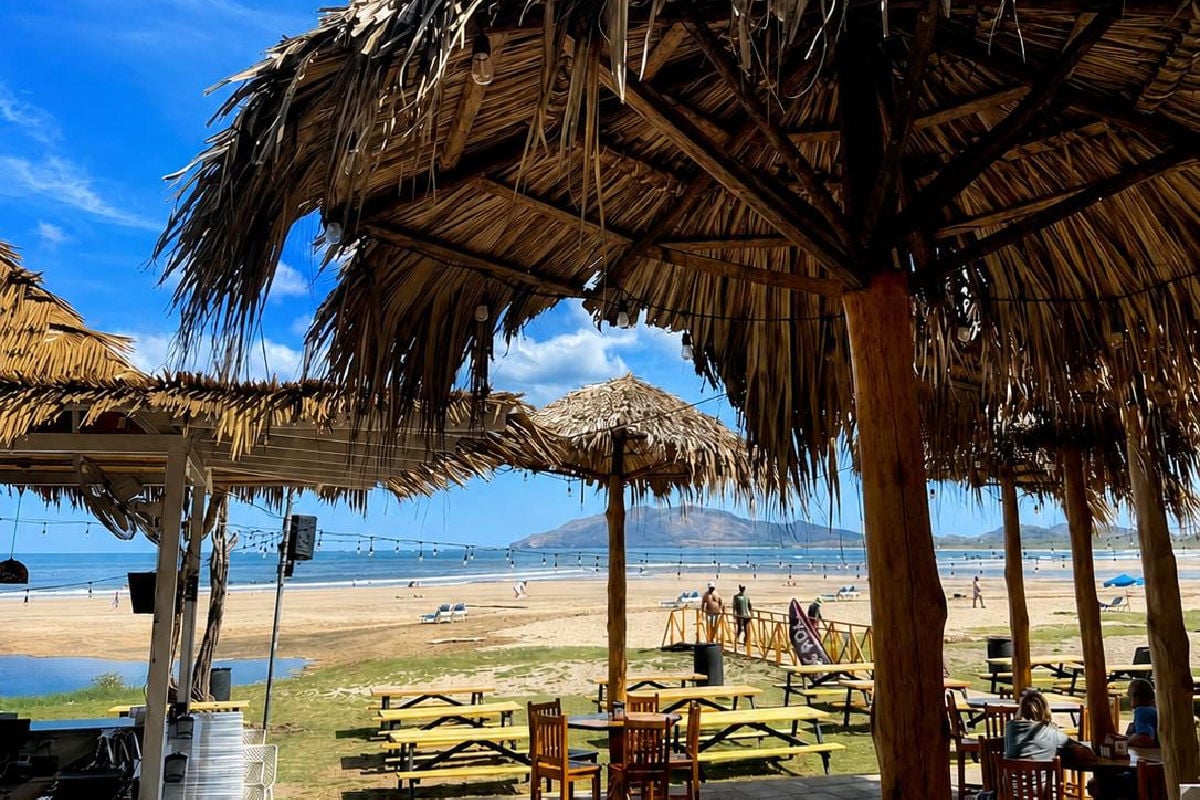
Beachfront cafe in Tamarindo, Costa Rica

Tamarindo is undeniably Costa Rican — monkeys still run wild, after all — but it’s also very “Americanized” and lacks the authentic “Pura Vida” atmosphere travelers might expect.

Add in the clique-y surf scene, and it feels more like a wave-shredder’s gathering than a truly relaxing beach escape.

Best alternative: Secrets Papagayo — located roughly an hour and a half north, tucked away on a black-sand volcanic cove, it’s truly one of my favorite all-inclusive resorts.

Tamarindo’s real-time Safety Index score is 80/100 as voted by travelers (including me):

Vik, Iceland

Iceland is my favorite country, but Vik is Exhibit A of why I’m afraid to go back.

You see, I visited Iceland first in 2016 if memory serves my fuzzy 36-year old brain right, meaning I had the pleasure of exploring one of the world’s most otherworldly countries before it became mainstream.

Now?

Iceland is a full-fledged tourist destination. Every time I plan on going back, sky-high hotel prices and numerous reports of overtourism concerns lead me to change my mind.

Remarkable view of Vikurkirkja church in Vik, Iceland

Vik is absolutely one of the most gorgeous coastal spots I’ve been to in all my travels — a place so pretty it doesn’t seem real —but I know I wouldn’t ever get that moment I did roughly a decade ago where there were no footprints in the fine, pitch-black sand seeming to stretch for miles.

Take this report from 2025, for example, where tourists flocked to Vik in droves, ultimately clogging the town’s septic tank.

Yeah, I’ll pass on that…

Best alternative: The Faroe Islands — a spitting image of Iceland with pristine black-sand shores free of mass tourism

Iceland’s Safety Index score is 89/100:

South Beach, Miami

View of South Beach, Miami

I’ve visited Miami once.

I was more impressed by its vibrant cultural neighborhoods like Little Havana than what I thought would be equally vibrant beaches, especially in its most sought-after neighborhood, the ritzy untz-untzing weekend playground of South Beach, known for its nocturnal nightlife and luxe hotels dotting every block.

The beach, though?

I found it to be way over-hyped.

Maybe I visited on the wrong day, but I couldn’t even see my feet when I stepped in for a quick dip.

Factor in through-the-roof prices for just a sandwich and lackluster coastline, there are way better spots in South Florida.

Pink lifeguard tower - Miami, FL

Best alternative: Key Biscayne — a Miami hideout with soft white-sand beaches, tropical parks, and none of South Beach’s bottle-service nonsense

Miami’s Safety Index score is 69/100:

Santorini, Greece

Santorini belongs in the Vik category — again, one of the most beautiful paradises on Earth that lives up to the hype, but is now overwhelming to visit in more ways than one.

Though, I can still taste the crepes on a breezy patio after waking up at the crack of dawn to take in Santorini’s immaculate dreamscape of whitewashed cliffside villages and deep-blue caldera views before the town woke up, there are so many another Greek islands with similar vibes and aesthetics without the outrageous whole-paycheck hotel rates for a sub-par villa.

Young Woman Climbing Up The Steps Of Oia, Santorini, Greece

Best alternative: Chania, Crete — my favorite Greek destination thus far as it’s blissfully underrated, feels more local, and insanely cheap across the board

Santorini’s Safety Index score is 90/100:

Albufeira, Portugal

I’ve heard many times Portugal’s Alagarve region is the “San Diego” of the country, and I can see it after visiting.

But beach-hopping wasn’t always as enjoyable as it is in my hometown.

Albufeira is a golden-sand poster child touted by just about every travel publication, so the secret has long been out and you can feel it with every step you take and every food item and obligatory sangria you order.

Besides its San Diego-esque reputation, the Algarve is largely known as being super cheap — but not Albufeira.

A Young Woman Taking A Picture In A Viewpoint In Albufeira, Portugal

The beaches are very pretty with clear-water waves crashing into a truly golden shoreline, but the pesky vendors refusing to make “no” for an answer, the crowded alleyways ruining any sense of timeless charm, and overpriced everything make Albufeira more of a dud than a stud.

Best alternative: Quarteira, Portugal — a nearby town with very affordable name-brand resorts, buzzing marina, golden shores without harassing vendors and far fewer crowds, and one of the best meals of my life at Social.

The Algarve’s Safety Index score is 90/100:


Now take this quiz to find your perfect alternative!


Step 1 of 3

What is the primary setting you are looking for?


Step 2 of 3

Pick your perfect beachscape:


Final Step

What is the main thing you want to avoid on this trip?


🇨🇷

Secrets Papagayo, Costa Rica

The Relaxing All-Inclusive Cove

The Perfect Alternative to Tamarindo!

Why: You want an authentic tropical escape without the aggressive vendors or clique-y surf scenes. Tucked away on a black-sand volcanic cove roughly an hour and a half north, this is the ultimate spot for pure relaxation.

🇫🇴

The Faroe Islands

The Untouched Nordic Dream

The Perfect Alternative to Vik, Iceland!

Why: You crave dramatic, otherworldly nature without the overflowing tourist crowds and sky-high prices. The Faroe Islands are a spitting image of Iceland, boasting pristine black-sand shores that are still largely untouched by mass tourism.

🇺🇸

Key Biscayne, Florida

The Quiet Tropical Hideout

The Perfect Alternative to South Beach!

Why: You want gorgeous white sand and warm waters, but have absolutely zero interest in the overpriced, nocturnal bottle-service nonsense of South Beach. Key Biscayne offers beautiful tropical parks and pure relaxation right in Miami’s backyard.

🇬🇷

Chania, Crete

The Authentic Mediterranean Escape

The Perfect Alternative to Santorini!

Why: You want incredible Greek aesthetics and historical charm without paying whole-paycheck hotel rates for sub-par villas. Chania is blissfully underrated, feels incredibly local, and is remarkably cheap across the board.

🇵🇹

Quarteira, Portugal

The Golden Algarve Harbor

The Perfect Alternative to Albufeira!

Why: You want beautiful golden shores and buzzing marinas without the overwhelming crowds, harassing vendors, and overpriced menus of Albufeira. Quarteira offers affordable name-brand resorts and some of the best coastal dining in Portugal.


Source link

Leave a Reply

Subscribe to Our Newsletter

Get our latest articles delivered straight to your inbox. No spam, we promise.

Recent Reviews


Navigating a personal injury claim can feel overwhelming, especially when you’re dealing with medical bills, insurance calls, and recovery all at once. Many people wonder whether they can handle the process themselves or if they need professional legal help. While some minor cases can be managed independently, others particularly those involving severe or life-altering harm require the expertise of a catastrophic injury lawyer to ensure fair compensation and long-term protection.

Understanding where to draw the line is crucial. Making the wrong decision can cost you time, money, and potentially the compensation you deserve.

When You Can Handle a Personal Injury Claim Yourself

Not every injury case requires legal representation. In fact, many straightforward claims can be resolved without hiring a lawyer, especially when the situation is clear-cut.

1. Minor Injuries with Full Recovery

If your injury is relatively minor such as small cuts, bruises, or mild sprains and you’ve fully recovered without long-term complications, handling the claim yourself is often manageable. Insurance companies typically process these claims more quickly, and the compensation amounts are usually limited and predictable.

2. Clear Liability

When it’s obvious who is at fault and there’s little to no dispute (for example, a rear-end car accident with clear evidence), you may be able to negotiate directly with the insurance company. Having photos, witness statements, and a police report can strengthen your position.

3. Minimal Financial Losses

If your expenses are limited to minor medical bills and a short period of missed work, the claim is generally straightforward. In such cases, the effort and cost of hiring a lawyer might outweigh the benefits.

4. Comfort with Paperwork and Negotiation

Some individuals feel confident handling documentation, communicating with insurers, and negotiating settlements. If you’re organized, detail-oriented, and willing to invest time, managing a simple claim can be feasible.

When You Should Think Twice About Going Solo

While handling a claim yourself can work in simple situations, many cases quickly become complex. This is where risks start to outweigh the benefits.

1. Serious or Long-Term Injuries

If your injury requires ongoing medical treatment, rehabilitation, or results in permanent disability, the stakes are significantly higher. Calculating future costs such as lost earning capacity or long-term care can be complicated. In these cases, working with a catastrophic injury lawyer becomes essential to ensure nothing is overlooked.

2. Disputed Liability

If the other party denies responsibility or tries to shift blame onto you, handling the claim alone can be challenging. Insurance companies often use tactics to minimize payouts, and without legal expertise, it’s easy to accept less than you deserve.

3. Insurance Company Pressure

Insurance adjusters may seem helpful, but their goal is to protect the company’s bottom line. They might offer quick settlements that appear fair but don’t account for long-term consequences. Without experience, it’s difficult to recognize when an offer is insufficient.

Cases involving multiple parties, unclear fault, or complicated medical conditions require deeper legal and technical knowledge. Missing a single detail such as proper documentation or deadlines can weaken your case significantly.

The Hidden Risks of DIY Injury Claims

Handling your own claim isn’t just about saving money it also comes with potential downsides that many people don’t anticipate.

  • Undervaluing Your Claim: Many individuals focus only on immediate expenses and forget future costs like therapy, medication, or reduced earning potential.
  • Missing Legal Deadlines: Every claim is subject to time limits. Missing a deadline could mean losing your right to compensation entirely.
  • Accepting Low Settlements: Once you accept an offer, you typically can’t reopen the case even if your condition worsens.
  • Emotional Stress: Managing negotiations while recovering physically and mentally can be exhausting.

These risks become even more serious in high-impact cases, where the financial and emotional consequences can last a lifetime.

Signs You Should Seek Professional Help

If you’re unsure whether to proceed alone or hire a lawyer, watch for these warning signs:

  • Your injury affects your ability to work long-term
  • Medical treatment is ongoing or uncertain
  • The insurance company disputes your claim
  • Multiple parties are involved
  • You’re unsure how to calculate fair compensation

When any of these factors are present, consulting a catastrophic injury lawyer can provide clarity and protect your interests. Even a brief consultation can help you understand the true value of your case and the best course of action.

Finding the Right Balance

The decision to handle a personal injury claim yourself ultimately depends on the complexity of your situation. Simple cases with clear outcomes may not require legal representation, but as soon as uncertainty, severity, or long-term impact enters the picture, professional guidance becomes invaluable.

Think of it this way: handling a claim yourself might save money upfront, but it can cost far more if you underestimate your damages or accept an unfair settlement. On the other hand, knowing when to seek help ensure that your rights and your future are fully protected.

Final Thoughts

Personal injury claims aren’t one-size-fits-all. While self-representation works in some cases, it’s not always the safest route. The key is recognizing the difference between a manageable claim and one that carries lasting consequences.

If your situation involves serious injuries, unclear liability, or long-term financial impact, stepping beyond the DIY approach could make all the difference. Taking the time to assess your case carefully and seeking expert guidance when needed can help you secure the outcome you truly deserve.


Source link