When the cafe racer movement began in post-war Britain, it was mainly British companies like Triumph, Norton, and BSA who dominated the scene. This makes sense, since, at the time, these three were among the biggest motorcycle makers in the country; their stock was easy to find and modify, so their models were popular. However, of these three huge British motorbike brands, Triumph was the leader of the pack, by a country mile. It had released the now-legendary Triumph Bonneville towards the end of the 1950s, and it is this decade (and the 1960s) that is considered the brand’s golden era.
It’s easy to see why Triumph will dominate every single conversation — many of the most iconic cafe racers were built on Triumph bones. However, as early as the 1960s, other makers were catching on to this rising popularity wave and coming out with factory cafe racer builds of their own. At first, the movement relied on riders modifying so-called “donor bikes” with longer fuel tanks, upgraded fairings, and new seating positions, all definitive features of cafe racer bikes. Over time, brands offered these as stock options on their most popular models. Even with available stock options, buying a standard motorcycle and converting it to a cafe racer build remained popular among enthusiasts.
However, aside from a few legendary models, many of these bikes remain forgotten today, overshadowed by the dominance of larger names. Here are five from brands other than Triumph.
Ducati 750
John Keeble/Getty Images
First up, we have the 750 line from Ducati, available in the GT and S models. The 750 GT came out first and was the company’s first two-cylinder road-going offering. The original engine displaced 748 cc across two cylinders, and made an impressive 60 hp paired to a five-speed transmission. However, the horsepower did, as expected, take a long time coming, with peak power only available from 8,000 rpm.
Still, it was an insanely performant machine, capable of reaching speeds of 124 mph, or 200 km/h. These 750 GT figures were completely stock from the production line, so a modified version could likely squeeze a lot more power out of that L-shaped twin-cylinder powerplant. Also, the factory 750 GTs of the early 1970s did not come with any sort of cowling, fairing, or windshield, meaning that it was, strictly speaking, not aerodynamic.
The addition of a proper fairing and windshield alone would probably net a much better riding experience, and more importantly, performance. Two years later, the 750 S version would be made available with almost no changes to the engine, but with (optional) cafe racer styling elements. The 750 GT came with an elongated fuel tank, a forward riding position, and other styling features that became synonymous with cafe racers of the era.
Royal Enfield Continental GT
Royal Enfield came out with a bike called the Continental GT in the 1960s, just as the Triumph Bonneville, or “Bonnie,” was seeing its heyday. The Continental GT 250 was an upgrade to the Royal Enfield Crusader it was based on, featuring a more tuned engine and upgraded internals. Displacement stood at 248 cc across an air-cooled solo cylinder, mated to a five-speed gearbox.
Notably, the head of Royal Enfield at the time had noticed that many young people were modifying the company’s bikes into cafe racers. So, he reached out to the youngest employees at Enfield dealers and asked them for feedback, which led to the GT 250 in the early sixties. The new features on the new cafe-styled Continental included rear-set foot pegs, ace bars (clip-on versions, of course), minor upgrades to the engine internals, and a new cafe racer style fuel tank.
An interesting bit about this fuel tank was that the filler hole was located below the highest point of the fuel tank, meaning you couldn’t fill it to the brim without gas spurting out of the tank. Performance was, of course, approximately one-third of the Ducati that we just looked at above — but then again, so was displacement. The Continental GT 250 made a reasonable 21 hp at 7,500 rpm, giving it a top speed of around 85 mph — and UK learners could also use the bike, since it was under 250 cc.
Laverda 750 SF
The 750 SF was launched towards the end of the 1960s, likely to capitalize on cafe racer popularity. Also, just like the Ducati, the Laverda 750 was first offered in a GT trim level, with an S for “sport” version following a few months later. Eventually, a new and updated model called the “Super Freni” would be launched with an upgraded front brake.
Functionally in the same class as the Ducati 750 S that we were introduced to earlier, the Laverda shipped with a 744 cc, twin-cylinder engine. The transmission was a five-speed unit that drove the rear wheel via chain final drive, and fuel was funneled into the compression chambers via carburetors, as was standard for the time. In sum, the total power output for the Laverda 750 SF stood at an impressive 60 hp, and later on, iterations like the 750 SF1 and SF2 would marginally increase this power.
Being a bike intended to be sporty but not extreme, insane amounts of torque wouldn’t be needed, as bikers who buy this class would be more concerned with riding dynamics, the scream of the exhaust, and how the bike looked. To that end, the 750 SF weighed 507 pounds, and that’s with all fluids installed. It had a top speed of 115 mph, though this would vary according to rider profile, weather conditions, and riding profile.
Harley-Davidson XLCR
In the long, storied history of the Harley-Davidson brand, the company has been best-known for its line of cruiser/tourer motorbikes. Some aficionados would know about the trike line offerings from the Milwaukee-based company, but only those deeply entrenched in Harley lore would know that it also made a cafe racer, for a very limited time. This bike was the XLCR, and was first released in 1977, so it was a bit late to the cafe racer movement.
However, the inspiration for the XLCR was immediately clear, including the long, sloping fuel tank, wide-set handlebars, crouched-forward riding position, front-biased proportions, and available paint schemes. The engine in this gorgeous bit of Americana-flavored UK culture was a 998 cc unit that spread its displacement across twin cylinders. The transmission was a four-speed unit that drove the rear wheel, and the entire package came in around the $3,500 mark, give or take a hundred dollars.
Total power output for the XLCR stood at 57 hp, which it made at a decent 6,000 RPM, making it quite a performant machine for the time. A 1980 Harley-Davidson Low Rider made about 67 hp and 67 lb-ft of torque, while weighing 637 pounds wet. The XLCR got quite close to those numbers, and weighed a bit less, coming in at 530 pounds in running order, meaning it was probably a riot to ride. It’s a shame the model didn’t really catch on among buyers.
Norton Manx
The only other entrant on our list that comes from the UK — the stomping grounds of Triumph motorcycles — is the Norton Manx. Norton, now owned by Indian firm TVS, got its start as a fairly successful racing bike manufacturer before marketing its bikes to private buyers. The Norton Manx 500 was one such example, and it would go on to win several races.
The engine was a single-cylinder unit that made about 50 hp at the rear wheel. Initially launched in 1946, this model featured classic cafe racer styling. It had a drooping fuel tank, which the rider had to reach over to get a good grip on the handlebars. The foot pegs were positioned right where the seat started, so your knees would always be around your waist, and there was no fairing on stock models.
In other words, it was a cafe racer, through and through. Also, the Manx 500 had a smaller sibling in the form of the Manx 350, which had a different bore and stroke, though both shared the same price at launch in the early 1960s. Today, Norton aims to capitalize on the Manx’s legendary history by releasing the Manx R superbike.
Spyware can track you, record calls, and steal phone data.
Watch for odd behavior, data spikes, unknown apps, and battery drain.
Use antivirus software, update regularly, and avoid untrusted app sources.
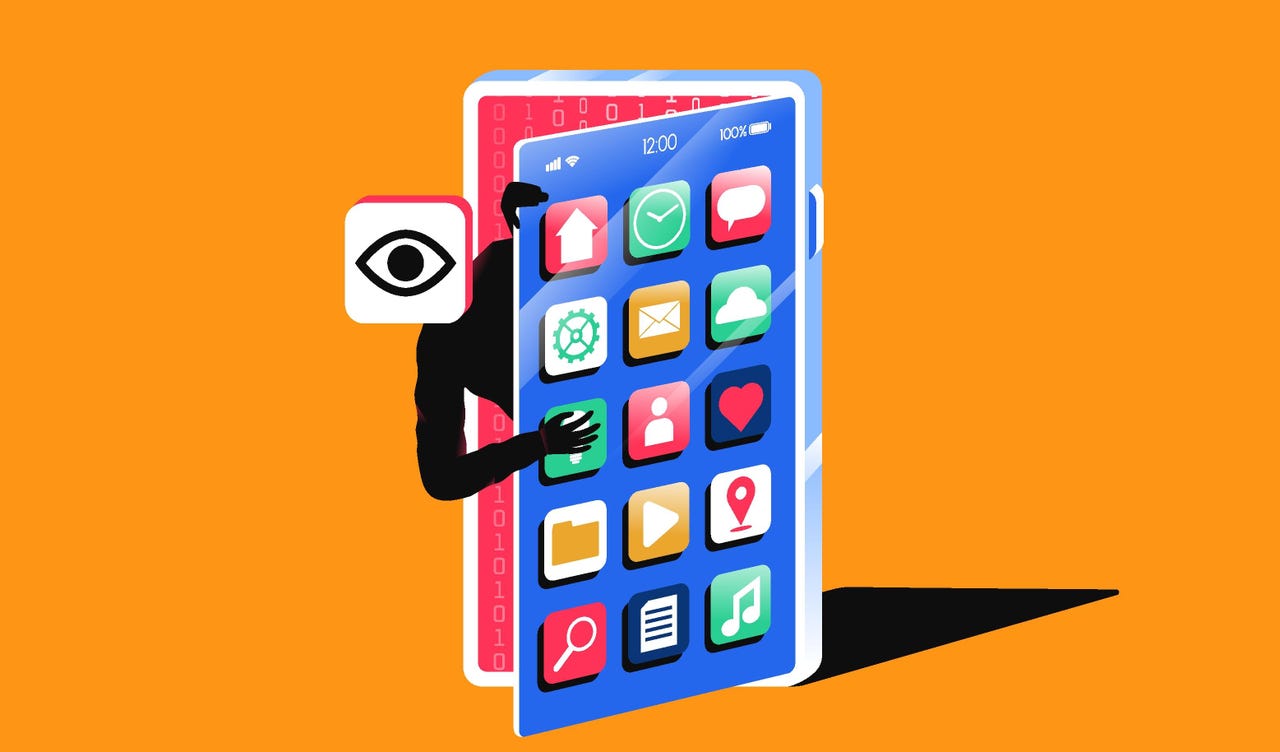
Spyware is one of the biggest threats to your mobile security and can severely impact your phone’s performance if you are unlucky enough to become infected. It is a type of malware that typically lands on your iPhone or Android phone through malicious mobile apps or through phishing links, emails, and messages.
While appearing to be a legitimate software package or useful utility, spyware will operate quietly in the background to monitor your movements, spy on your activities, and may also record your conversations, whether they are phone calls or social media threads. You may find your actions screenshotted, your call records logged, and even your physical location tracked via GPS.
This information is then sent to a remote server and into the hands of someone else without your permission.
Similarly, a remote monitoring app promoted for parental use or work purposes could be abused and become a privacy invader rather than a legitimate service.
Let’s explore the different types of spyware you might encounter, the warning signs of infection, and how to quickly remove it from your smartphone.
Spyware explained
It’s helpful to know the basic differences among types of spyware before you tackle infections on your handset.
Nuisanceware is bundled with mobile apps. It interrupts your web browsing with pop-ups, changes your homepage or search engine settings, may try to force you to watch videos, and may collect your browsing data to sell to ad agencies and networks. Although considered malvertising, it is generally not dangerous, as it focuses on generating illicit revenue by forcing ad views or clicks.
There’s also generic mobile spyware. It steals operating system data, clipboard data, and anything of value, such as cryptocurrency wallet data or account credentials. Spyware isn’t always targeted and may be used in spray-and-pray phishing attacks.
Spyware may land on your device through phishing, malicious email attachments, social media links, fraudulent SMS messages, or physical device tampering.
Advanced spyware, sometimes also classified as stalkerware, is a step up from basic spyware. This malware is unethical and dangerous. It is sometimes found on desktop systems but is now more commonly installed on handsets. Stalkerware is typically used to spy on an individual and monitor what they do, say, and where they go, and is often linked to cases of domestic abuse.
Spyware and stalkerware may be used to:
Monitor emails, SMS, MMS messages, and other forms of communication sent and received, including Facebook and WhatsApp.
Intercept live cellular calls or Voice over IP (VoIP) applications.
Hijack camera functions to take photos and videos.
Screenshot mobile device screens and send them to a controller.
Track victims via GPS.
Conduct keylogging, account compromise, and data theft.
Finally, there’s government-grade commercial spyware, with Pegasus among the best-known variants. Unless you’re part of a group of specific interest to ethically challenged governments, it’s unlikely that it will impact you due to the expense of targeting victims.
Spyware warning signs
There aren’t always indicators of an infection attempt in real time, but the following scenarios could be warning signs that you are being targeted:
Strange permission, download, or software installation requests appear on your handset.
If your phone goes missing or is out of your possession for a period of time and then reappears with settings or changes you do not recognize, this may indicate that your device has been tampered with.
When it comes to stalkerware, initial infection messages may be more personal and tailored to the victim. Physical access to a handset may be necessary.
There are also signs you can watch for that may indicate your phone has been compromised. The most common are:
Power: You may experience unexpected handset battery drain, overheating, or sluggish performance.
Behavior: Strange behavior, such as GPS or camera functions turning themselves on and off without your input, or random reboots and unexplained crashes.
Pop-ups: If you are being bombarded with pop-ups, it’s likely that some form of adware is hidden on your handset. You may also find that your preferred search engine has been changed.
Increased cellular data usage: Information exfiltrated from your smartphone or hidden, active remote connections will use data.
Distortion: You may hear unusual noises or distortion during phone calls. Although this could simply be due to poor reception, it may also be a sign of interception.
On and off: You may also have trouble completely turning off your device, as more advanced spyware might prevent you from doing so.
Financial transactions: If spyware has obtained sufficient permissions, it may have signed you up for services or premium SMS plans you didn’t ask for.
Android
One telltale sign on an Android device is a setting that allows apps to be downloaded and installed outside of the official Google Play Store. If this setting is enabled, it may indicate tampering or jailbreaking without your consent. Not every form of spyware and stalkerware requires a jailbroken device, however.
This setting is found in most modern Android builds in Settings > Security > Allow unknown sources. (This varies depending on the device and vendor.) You can also check Apps > Menu > Special Access > Install unknown apps to see if anything is unfamiliar.
Some forms of spyware also use generic names and icons to avoid detection. For example, they may appear to be useful utility apps such as calendars, calculators, utilities, or currency converters.
iOS
iOS devices that aren’t jailbroken are generally harder to infect with malware than Android handsets, unless a spyware developer is exploiting an unpatched vulnerability.
However, the same principles apply. With the right tool, exploit, or software, your device could be compromised either with physical access or remotely. You may be more susceptible to infection if you have not updated your iPhone’s firmware to the latest version and you do not run frequent antivirus scans.
How to remove spyware from your smartphone
Spyware is often hard to detect and can be difficult to remove. It is not impossible in most cases, but it may take some drastic steps on your part.
When spyware, especially stalkerware, is removed, operators may receive an alert indicating that the victim’s device has been cleaned. Should the flow of your information suddenly stop, this would be another clear sign to the attacker that the malicious software has been removed. Do not tamper with your device if doing so would risk your physical safety.
Instead, reach out to law enforcement and supporting agencies. Otherwise, here are some removal options:
Run a malware scan: There are mobile antivirus solutions available that can detect and remove spyware. This is the easiest solution available, but it may not be effective in every case. Cybersecurity vendors, including Malwarebytes.
Use a dedicated spyware removal tool: You can also use software specifically designed to detect and remove spyware. However, be careful to download tools only from reputable firms and official sources, as one of the most common ways to distribute malware is to disguise it as antivirus software. Check out the spyware removal apps offered by Bitdefender, Avast, and Malwarebytes.
Delete suspicious apps: Examine the list of installed apps on your handset and remove any you don’t recognize.
Check device administration controls: In advanced security settings, you can see if any suspicious apps have admin permissions. If so, you can try removing them, although this may require restoring your handset to factory settings.
Reboot in Safe mode: Restarting your smartphone in Safe mode prevents third-party software from running. On Android handsets, you can usually do this by long-pressing the power-off button and selecting Safe mode. This can allow you to safely uninstall apps — but it is not a failsafe solution against advanced spyware variants.
Update your operating system: It may seem obvious, but when an operating system releases a new version, which often includes security patches and upgrades, it can — if you’re lucky — cause conflicts and problems with spyware. Keep it updated.
If you have found suspicious software on your handset, consider changing your passwords and enabling biometrics.
If you suspect account compromise, change the passwords for every important account you have. Many of us have one or two central “hub” accounts, such as an email address linked to all of our other services. Remove access to any such hub services you use from a compromised device.
For added security, consider changing your account passwords on a PC, forcing a logout on other devices, and enabling biometric authentication to prevent physical handset tampering.
An important point to mention is that sometimes spyware or other forms of malicious software might end up on your device via an initially benign app. There have been cases of developers releasing a genuine, useful app in official repositories, such as a currency converter or weather app, and then, after a large user base has been gathered, the developers twist the app’s functions into a Trojan through a software update.
If you recently downloaded a mobile app and now your phone is displaying odd behavior, consider removing it and running a malware scan.
Keeping spyware and stalkerware off your device
Unfortunately, no mobile device is completely protected against the scourge of spyware. However, we have provided some tips below to mitigate the risk of future infections:
Protect your device physically: Your first line of defense is to maintain adequate physical controls. Modern smartphones let you set PIN codes and patterns or use biometrics such as fingerprints or retina scans to prevent your handset from being physically tampered with.
Update your operating system: Install OS updates as soon as they are available. They contain security fixes and patches and are one of the most important lines of defense against malware.
Use antivirus software: Mobile antivirus solutions can detect and remove spyware. Running frequent scans will help protect your handset.
Only download apps from official sources: Most spyware and malware are found outside Google Play and the App Store, so be cautious about installing apps from third-party websites. Sometimes, malicious apps still slip through the net, so check reviews and app descriptions before installing anything new.
Enable app security: Enable built-in scanners that check any new app installs. On Android, you can find this setting in Security and privacy > App security.
Check permissions: You should monitor what permissions have been issued to which apps and when. If you haven’t used an app with extensive permissions for a while, consider deleting it. If any apps appear more intrusive than necessary, remove them and refuse to provide permissions on install.
Watch out for malicious links: Mobile malware is often spread through phishing and malicious links. These links may urge you to download apps from outside Google Play or the App Store and may be disguised as everything from antivirus software to streaming services.
Do not jailbreak your device: Jailbreaking not only voids your warranty but can also allow malicious apps and software to gain a deep foothold in your operating system, making removal extremely difficult.
Enable multi-factor authentication (MFA): When account activity and logins require further consent from a mobile device, this can also help protect individual accounts. (However, spyware may intercept the codes sent during 2FA protocols.)
If all else fails: Factory reset
Performing a factory reset and clean install on the device you believe is compromised may help eradicate some forms of persistent spyware. Make sure to back up important content first, as this process can’t be reversed.
On Android platforms, the reset option is usually found under Settings > General Management > Reset > Factory Data Reset.
On iOS, go to Settings > General > Transfer or Reset Phone.
Google’s guide to factory resetting your device can be found here, and Apple has also provided instructions on its support website.
Unfortunately, some malware may survive factory resets. Failing that, consider restoring to factory settings and then disposing of your device.
Parental control or employee monitoring apps: spyware?
There are cyberthreats around every corner, and while children often want a smartphone and to be on social media at a young age, parents want to monitor what they are viewing and who they are interacting with online in order to protect them.
This is a responsible position to take, but at their core, parental control apps are designed for surveillance — as are many “employee productivity” apps.
The main issue is the potential for abuse, turning what may have been a product developed with good intentions into invasive software used for purposes beyond protecting a minor or ensuring employee time is used wisely.
A balance between a right to privacy and protection has to be maintained. With this in mind, both Apple and Google have introduced parental controls for their devices. These features focus on restricting screen time, locking and unlocking devices, managing permissions lists, restricting web content and app downloads, and approving purchases.
Regarding employee monitoring apps, don’t install them on your personal handset. If your employer insists on using them, then it should issue you a work laptop and phone.
Most common consumer monitoring apps
As we mentioned earlier, many apps may be advertised as parental control monitors or simple trackers, but their use can be unethical. Other app developers freely market their products for full device control and surveillance.
Apps often use the phrases ‘spy,’ ‘monitor,’ or ‘parental control,’ but they may also disguise themselves on a device as a utility, a game, or otherwise as an innocent piece of software.
Are Google and Apple protecting devices from spyware?
Google and Apple are generally quick to remove malicious apps that manage to evade the privacy and security protections in their respective official app stores. When individuals are considered particularly at risk, you can enroll in Google’s Advanced Protection Program, which provides additional security for your Android device.
Google has also banned spyware and stalkerware ads, and the firm’s Threat Analysis Group is constantly publishing research on new commercial spyware strains and their potential targets.
Apple has cracked down on parental control apps, citing privacy-invading functions as the reason for removal. The company offers its own parental device control service called Screen Time for parents who want to limit their child’s device usage.
Furthermore, the company does not allow sideloading — that is, installing third-party apps from sources other than Apple’s App Store — and is quick to remove any iOS apps that exhibit privacy-eroding functionality.
Apple also provides Lockdown Mode, an optional setting you can enable on your iOS device for extreme security. However, unless you don’t mind a heavily restricted smartphone, you should only consider this option if you are worried about commercial-grade spyware.
To provide the best experiences, we use technologies like cookies to store and/or access device information. Consenting to these technologies will allow us to process data such as browsing behavior or unique IDs on this site. Not consenting or withdrawing consent, may adversely affect certain features and functions.
Functional
Always active
The technical storage or access is strictly necessary for the legitimate purpose of enabling the use of a specific service explicitly requested by the subscriber or user, or for the sole purpose of carrying out the transmission of a communication over an electronic communications network.
Preferences
The technical storage or access is necessary for the legitimate purpose of storing preferences that are not requested by the subscriber or user.
Statistics
The technical storage or access that is used exclusively for statistical purposes.The technical storage or access that is used exclusively for anonymous statistical purposes. Without a subpoena, voluntary compliance on the part of your Internet Service Provider, or additional records from a third party, information stored or retrieved for this purpose alone cannot usually be used to identify you.
Marketing
The technical storage or access is required to create user profiles to send advertising, or to track the user on a website or across several websites for similar marketing purposes.