5 Old World Destinations Everyone Should Visit At Least Once


Share The Article

Wanna know why places like Frankfurt aren’t on Americans’ radar?

Because they’re missing that centuries-old wow factor we typically picture when dreaming of trips across the pond.

As such, instead of following crowds to Paris, Barcelona, and Athens this summer, our expert team took a deep dive to compile a round-up of 5 Old World destinations where crowds are the furthest thing from your mind and cookie-cutter experiences aren’t anywhere to be found.
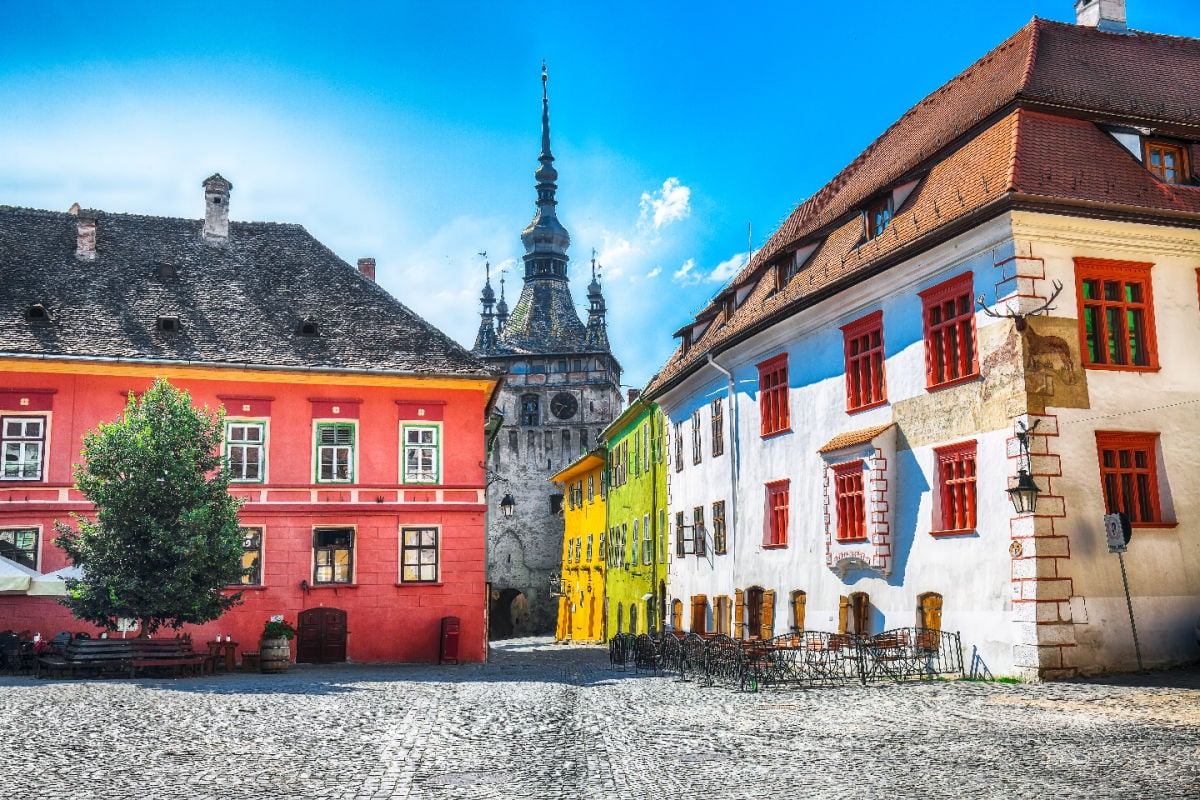
Vibrant town square in Visby, Sweden

These are the type of places to pack your best walking shoes for timeworn cobbled streets you could lap all day, and to clear out your phone’s storage for color-wheeled facades and medieval marvels.

Here are 5 Old World destinations everyone should visit at least once:

PLUS: We’ve built an interactive quiz for you at the end of this article to find your perfect match!

Sighișoara, Romania 🇷🇴

Sighișoara (pronounced see-ghee-SHWAH-rah) is tucked away in Transylvania, oozing charm from a past time most places could only dream of preserving.

This colorful hilltop citadel feels stuck in time with cobbled alleyways, fortified towers, pastel facades, and medieval walls that still wrap around one of the continent’s best-preserved inhabited old towns — the exact Old World image we likely envision when planning a Euro-trip.

Panoramic View Of Sighisoara, Romania, Eastern Europe

Unlike other postcard charmers rising in the ranks, such as Bruges, there’s virtually no hype for Sighișoara, making it one of Europe’s most underrated escapes in another underrated country at that.

Better yet, travelers claim Romania is one of Europe’s safest countries, currently seeing an impressive score of 90/100 on our Safety Index:

Visby, Sweden 🇸🇪
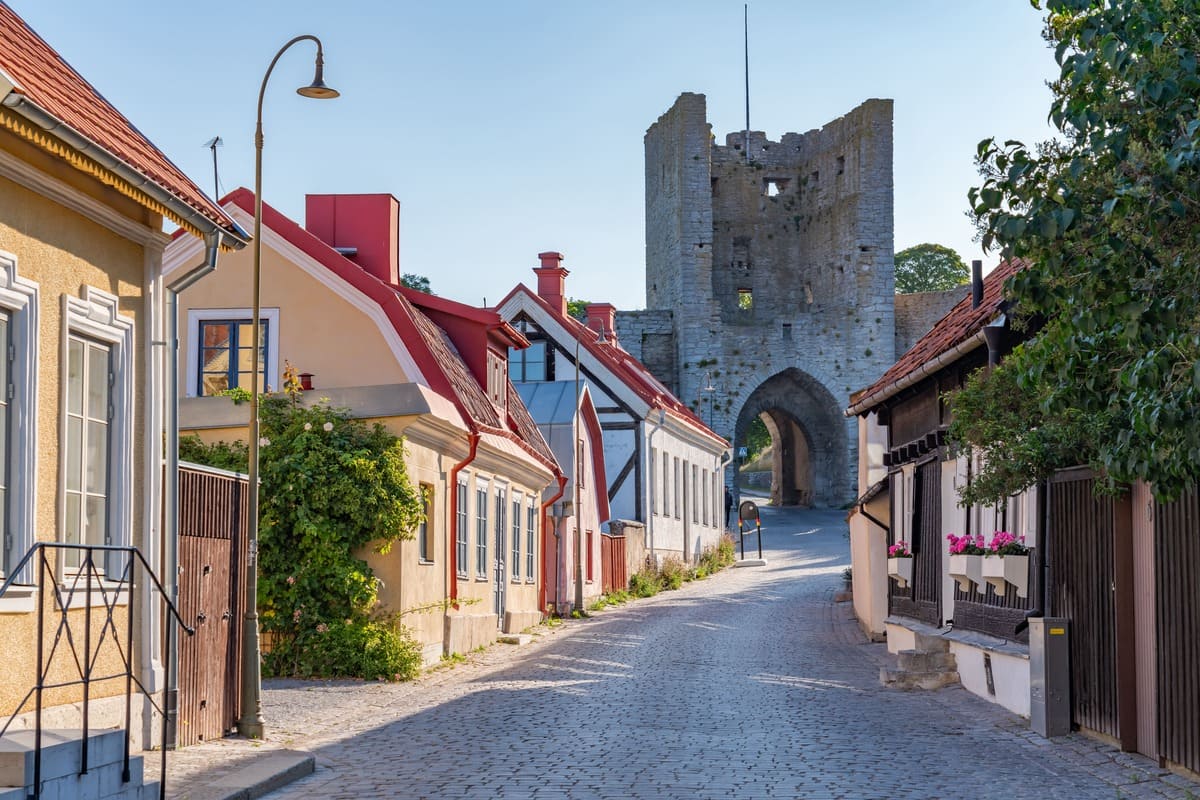
Visby Old Town, Sweden

Sweden may not typically be on your Bingo card, however, let me tell you even the country’s largest urban sprawl of Stockholm beholds one of my favorite Old Town districts in Europe.

If I had the chance to redo my trip, though, I’d skip Copenhagen and spend more time in Sweden in the hush-hush hideouts locals keep close to the chest, like Visby.

The vibes in Visby are ridiculously enchanting, boasting a UNESCO-protected medieval dreamscape as it gleams with rose-covered cottages, stone walkways, and ancient ruins drawing “oohs” and “ahhs” at every turn — plus, it’s on an island.

This former Hanseatic trading post isn’t just pretty old buildings; it was once a major medieval commerce hub and has remarkably retained its storied fabric as arguably Scandinavia’s best-kept secret.
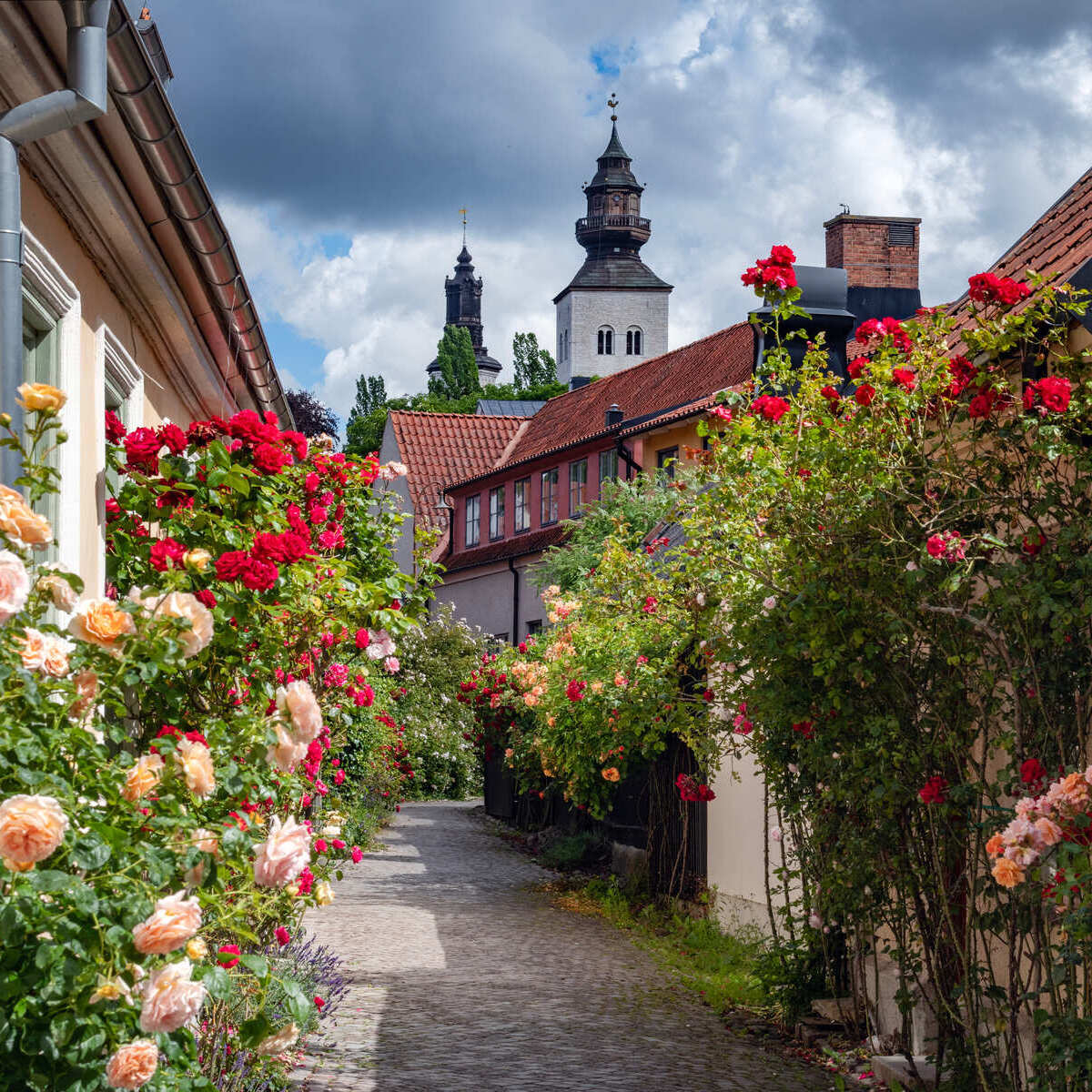
UNESCO Listed Capital Town Of Visby, Gotland Island, Sweden

Fellow travelers currently rate Sweden’s safety at 75/100 on our Safety Index:

While you’re planning out logistics, you might as well double-check travel alerts and tourist fees for your trip.

Košice, Slovakia 🇸🇰

Not to hijack my own article, but Košice has long been on my ever-changing bucket-list.

Once I visited much more popular Bratislava on a whim a handful of years ago, I realized I’d been sleeping on Slovakia far too long.

That’s when I discovered Košice, a city located in eastern Slovakia almost hugging Ukraine, that feels worlds away from the overly touristy version of Europe we can easily become disappointed by.

Historic medieval cathedral in Kosice, Sloavakia

While Košice is a historic stunner no matter what time of year you visit, I know we’re getting ahead of ourselves here — come winter, this virtually unknown city transforms into one of Europe’s most unsung wonderlands, taking on a whole new glow that makes it feel like you’ve clicked your heels and landed inside a snow globe.

That’s not to mention Košice Castle ruins and UNESCO-listed caves nearby to level up your trip even more.

Fellow travelers currently rate Slovakia’s safety at 95/100 on our Safety Index:

Vianden, Luxembourg 🇱🇺

If you thought Luxembourg City was the only worthwhile destination in one of Europe’s tiniest countries, you’d be mistaken.
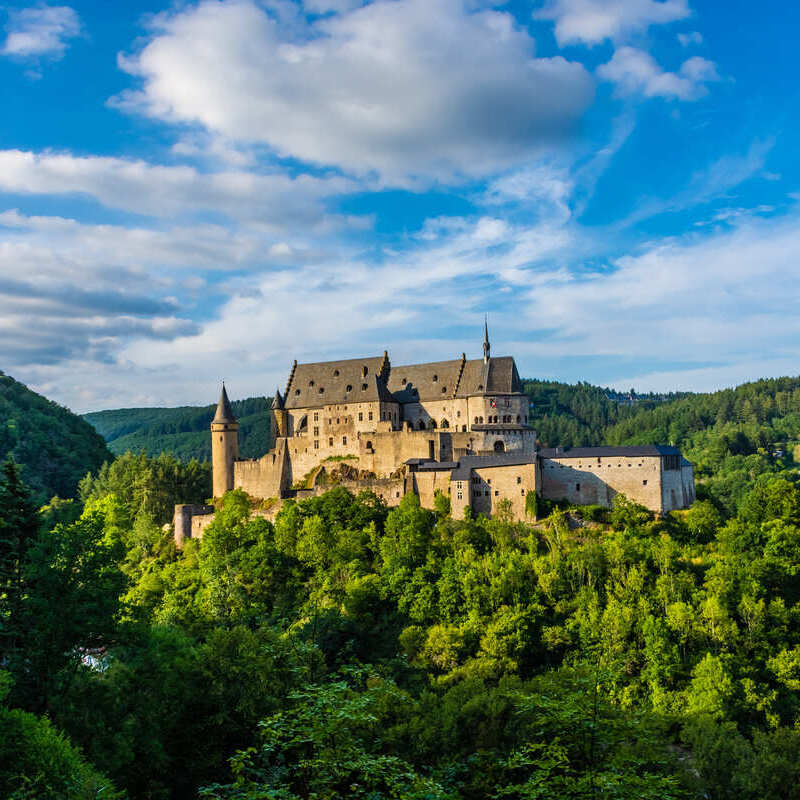
View Of Vianden Castle, In The Small Town Of Vianden, Luxembourg, Western Europe

There’s blissful wine country bordering Germany along the Moselle River, and perhaps the country’s most treasured hideaway is little-known Vianden, a castle-crowned village that feels ripped from another century.

Yes, Luxembourg may tend to be on the expensive side, but hey, that’s why we’re saying you can visit just once.

Plus, one of the most unique aspects about the whole country is that Luxembourg has offered free transportation end-to-end since 2020, no questions asked.

Fellow travelers currently rate Slovakia’s safety at 85/100 on our Safety Index:

Gazientep, Türkiye 🇹🇷

Travelers love to visit the origins of any given place. For example, did you know my hometown of San Diego is the “birthplace of California”?

A Kebab Shop In Turkiye

Next time you grab a kebab after a night out, spare a thought for Gaziantep, Türkiye — the country’s UNESCO-recognized culinary capital, said to be the O.G. of both kebabs and baklava.

But it’s not just the drool-drawing cuisine that’s worth a visit this deep into the world — even as fitting as it may be to gobble in Türkiye — it’s the beautifully preserved old city, buzzing bazaars, historic mosques, and castle tours that make Gaziantep go beyond filling your gut.

As Türkiye has become Eurasia’s undeniable new hotspot, Gaziantep doesn’t quite feel like part of that mix, sitting so close to Syria — a country with a war-torn timeline of its own, even as it attempts to revamp its image as a welcoming tourist destination.

As such, don’t be deterred from visiting due to safety, though travelers don’t seem to have caught up…

Fellow travelers currently rate Türkiye’s safety at 71/100 on our Safety Index:


Now take this quiz to find your perfect match!


Step 1 of 3

What’s your ideal Old World atmosphere?


Step 2 of 3

What’s your ultimate travel ‘must-do’?


Final Step

How do you factor in budget and logistics?


🇷🇴

Sighișoara, Romania

The Transylvanian Citadel

Tap to Reveal Details

Sighișoara

Why it’s a match: You want an incredibly safe, affordable, and perfectly preserved Old World escape! Tucked away in Transylvania, this hilltop citadel feels completely stuck in time.

Must Do: Clear out your phone’s storage! Lap the timeworn cobbled alleyways, fortified towers, and pastel facades all day long.

🇸🇪

Visby, Sweden

The Scandinavian Secret

Tap to Reveal Details

Visby

Why it’s a match: You are seeking an enchanting, hush-hush hideout! This former Hanseatic trading post on a Swedish island is arguably Scandinavia’s best-kept secret.

Must Do: Draw “oohs” and “ahhs” at every turn as you wander through a UNESCO-protected medieval dreamscape gleaming with rose-covered cottages and stone walkways.

🇸🇰

Košice, Slovakia

The Winter Wonderland

Tap to Reveal Details

Košice

Why it’s a match: You want a historic stunner that feels worlds away from the overly touristy version of Europe, boasting an incredibly high safety score.

Must Do: Level up your trip by exploring nearby UNESCO-listed caves and castle ruins. If you visit in winter, the city transforms into an unsung snow-globe wonderland!

🇱🇺

Vianden, Luxembourg

The Castle-Crowned Village

Tap to Reveal Details

Vianden

Why it’s a match: You appreciate pristine, storybook scenery and modern convenience! This little-known hideaway borders the Moselle River and feels ripped from another century.

Must Do: Explore the magnificent castle and take full advantage of the fact that Luxembourg offers free transportation end-to-end for everyone, no questions asked.

🇹🇷

Gaziantep, Türkiye

The Culinary Capital

Tap to Reveal Details

Gaziantep

Why it’s a match: You travel for culture and authentic flavors! This city is Türkiye’s UNESCO-recognized culinary capital and the origin of both kebabs and baklava.

Must Do: Go far beyond filling your gut by taking in the beautifully preserved old city, buzzing bazaars, and historic mosques far from the typical tourist crowds.


Source link

Leave a Reply

Subscribe to Our Newsletter

Get our latest articles delivered straight to your inbox. No spam, we promise.

Recent Reviews


There are certain engine configurations that are known even to those whose interest in engines is minimal. For instance, most people will know what makes a V-engine a V-engine, and even the differences between an in-line and flat engine

One engine design trait that’s perhaps less well-known is also related to the engine block, but not to with how the cylinders are arranged in the engine, rather with how they’re supported and cooled. When looking at this aspect of engine design, there are really three main types of engine block to look at. At the extremes are closed-deck and open-deck engine blocks, with some modern engines taking a halfway house approach with a semi-closed design. 

Let’s start by defining what an engine deck is. Essentially, the engine deck is that part of the block that the head gasket sits on, and the engine head attaches to. This means that an inline engine with a single line of cylinders will have one deck, whereas a V-configuration with two banks of cylinders will have two decks. 

Now that we understand that, we can begin to discuss the differences between closed-deck and open-deck engine blocks. In an open-deck engine, there is open space around the top of the cylinders that allows the coolant to circulate more freely. In a closed-deck design, in case you haven’t guessed it by now, the deck features extra material that offers less in the way of cooling, but it does support the cylinders more rigidly. Let’s pop the cylinder head off and have a closer look at these engine block types and why they matter more than you may think. 

Open-deck engines are cool, but flawed

For engine makers, there are definite advantages to open-deck designs — they cost less to manufacture when compared to closed-deck engines, and keep the engine cooler by exposing more of the surface area of the cylinder to the cooling liquid. 

However, all this open space around the cylinders is all very well and good when looking at cooling and manufacturing complexity — but cracks start to appear (sometimes literally) when we look at other aspects of closed-deck engine blocks. While it’s unfair to call open-deck engines unreliable and leave it at that, there are trade-offs in the design, and these become more noticeable in high-performance situations.

Essentially, the lack of material at the top of the engine deck means the engine is less structurally rigid right at the point where it meets some of the most extreme forces engines have to cope with — the combustion point at the top of the cylinder.

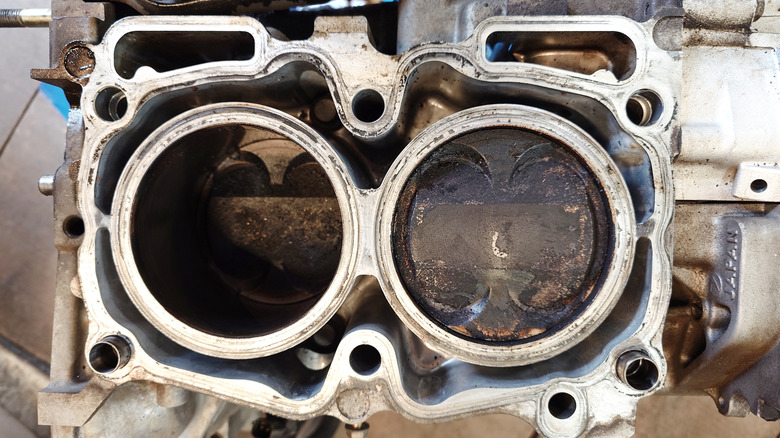
If you removed the head from an open-deck design and look down at the deck, this structural weakness is visible. From this viewpoint, the cylinders look separate from the rest of the engine block, with the gap between the two being used for coolant, as some open-deck designs have limited support at either end of the cylinder bank. While this gives more space for coolant to move freely, the downside is that it also does the same for the cylinder. Over time, even the limited movements of cylinders can weaken the head gasket and bring all the associated troubles that follow such a failure. 

Why some engines use closed- and semi-closed deck designs

Open-deck engine blocks are optimized for cooling and manufacturing efficiency. However, incorporate such a configuration in a high-revving, turbocharged brute of an engine and, well, it could end very badly. This is why such engines will usually use a closed-deck configuration. 

In a closed-deck engine, the open spaces around the cylinders of an open deck are filled with additional material. Obviously, the removal of such space and the flexibility it gives to the cylinders substantially strengthens the engine block. This is why some people fill engine blocks with concrete — it removes the flexibility afforded by the presence of cooling chambers. This is especially important for high-performance engines, but to call it overkill for the family runabout is not overstating the case. 

However, and the more observant among you will be there by now, filling an engine’s cooling cavities with material may add strength — but at the expense of cooling efficiency. This is why many modern turbocharged engines or higher-performance engines use a halfway house design in the form of semi-closed decks. 

Semi-closed decks are a compromise design that offers more rigidity to the cylinders by adding more support points. These supports are usually at the top of the cylinder. For instance, while there are pros and cons to Subaru’s EJ20 engine, the company released a version with a semi-closed deck with four additional support points, which should make it less prone to bore distortion. Ultimately, open-deck and closed-deck engine blocks represent design decisions based on the demands the engine is expected to handle. 


Source link