5 Things That Will Affect Your Trip To Europe This Summer


Share The Article

From the cobbled streets, to the vintage cafés where you can gorge on all the home-baked bread and pastries you want without feeling bloated or putting on weight, to the medieval castles perched on hills that look like they were sketched by Walt Disney himself—or more like, inspired the legend, per se…

Europe is calling this summer, and if you’re anything like us, as in, a helpless culture buff with a penchant for the Old World, you will answer.
5 Things That Will Affect Your Trip To Europe This Summer

Before you go ahead booking those flights, however, if you haven’t already, there’s a couple of things you should know. Well, five of them.

Whether this will be your first time country-hopping across the pond, or you’re a repeat visitor, this is no longer the Europe you maybe grew familiar with, whether it’s safety or border rules. To keep it straight with you, a lot has changed, and we’re not saying this to put you off visiting, but either you catch up to the new rules quickly, or you could be in for some real travel headache on arrival.

Worry not. In case you don’t know me, hi, I’m Vini, Travel Off Path‘s official eurocorrespondant, and your favorite tale-weaver from Paris, and I’m here to guide you through you it.

Beware Of The New Entry/Exit System
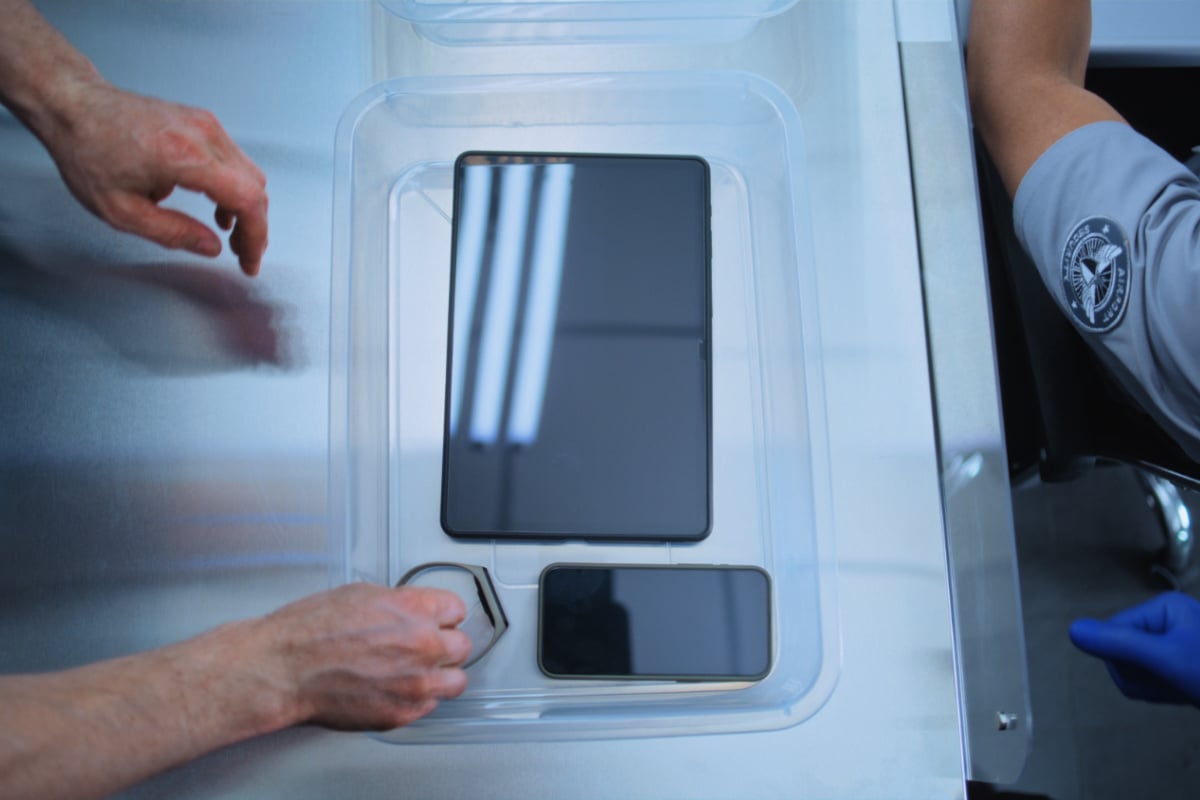
Overhead view of passenger placing items in security bin at airport with phone

We have to start with the big elephant in the room: the EES, or Entry/Exit System.

In case you haven’t been keeping up to date with Travel Off Path in the last few months, maybe you’re not aware Europe has undergone a major overhaul of its border rules. To sum it up, if you’re traveling on an American passport, you’re not required to undergo mandatory fingerprinting and a facial scan upon arriving to the Old Continent.

This is true for every entry point into the Schengen Zone, the (as of now) 29-country customs union where internal passport checks do not apply… or they shouldn’t. But I’m getting ahead of myself here. 👀

If you have reservations about allowing foreign governments to access your biometric data, you might want to give (most) of Europe a miss from now on, and try these 5 European countries where EES does not apply.

Those who do not mind getting digitally computed will want to stick around to read number two.

Prepare For Massive Border Delays
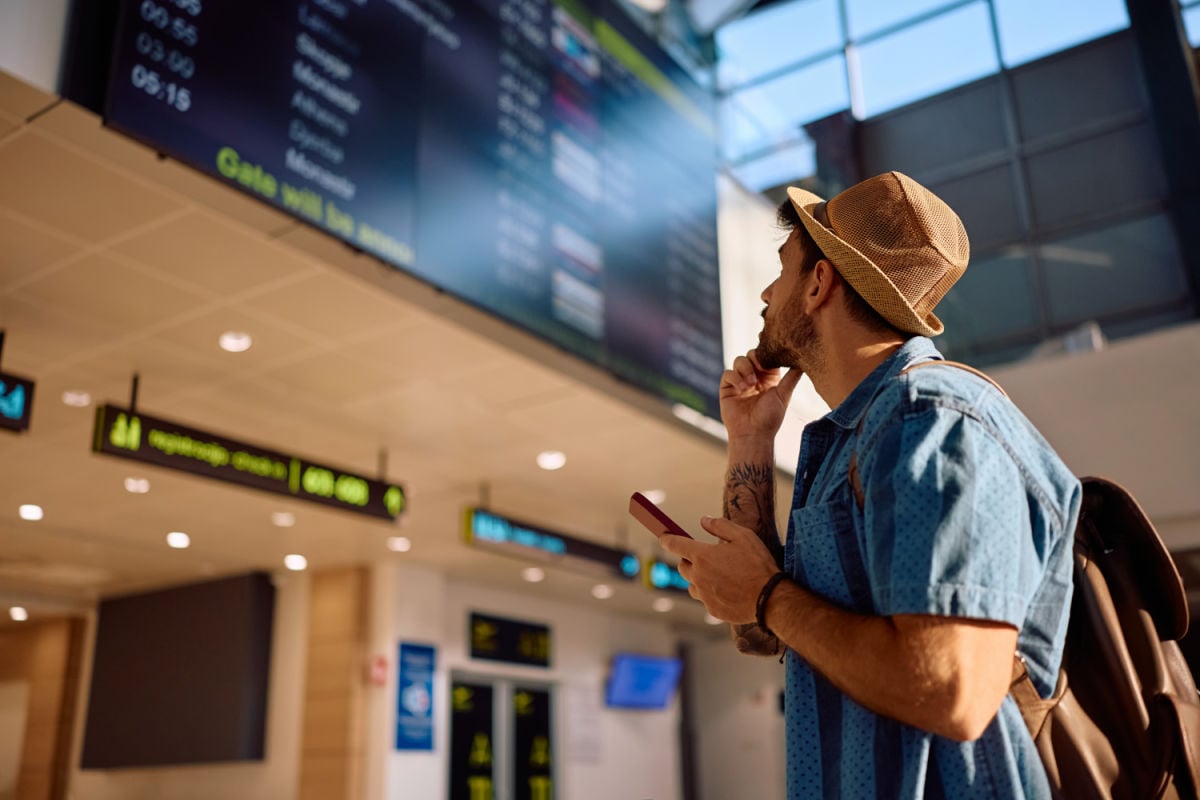
Male tourist in airport with phone looking at departures board

As with any new border system, the EES is causing some truly massive, severely-disruptive delays. That is because travelers must first register with the system, usually by the form of submitting their biometric data at a ‘check-in kiosk’ upon arrival, before proceeding to actual passport control.

Each EES registration takes on average between 60 and 90 seconds, depending on the European airport, and while this does not sound like a lot, picture you’re landing alongside 1,000 other passengers, at the same time, and being funneled down the same arrivals hall.

It quickly turns into a living nightmare, especially if you’re on a very short connection, or you have booked a train to your final destination that’s leaving soon after landing.

From Lisbon, to Paris, to Milan, thousands of passengers have been missing flights even after arriving to the airport 3 to 4 hours in advance, and EES is to blame.
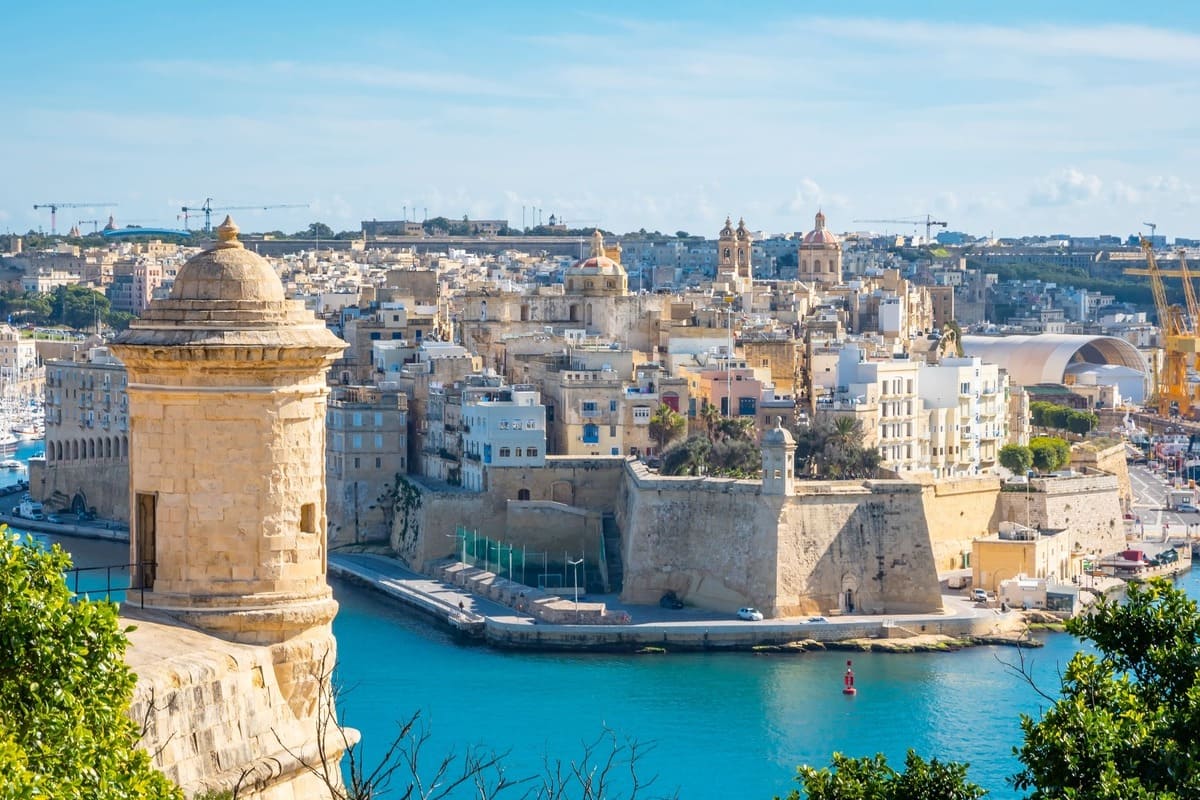
Why This Stunning Country Is Becoming Europe's Next Tourist Hotspot

Even if you’re leaving the EU, you must ‘check out’ at an EES kiosk so they can actually keep track of how long you’ve been in Europe.

For those who aren’t familiar with the rules, Americans generally get 90 days out of any 180-day period, but rules may vary drastically between European nations. Ahead of flying, use our Entry Requirement Checker to stay up to date with the current entry and stay regulations at your destination.

You Can’t Enter Britain Without This Permit

Speaking of different regulations, in case you’re planning on adding the United Kingdom to your itinerary this summer, you should know simply being in possession of a valid U.S. passport no longer suffices.
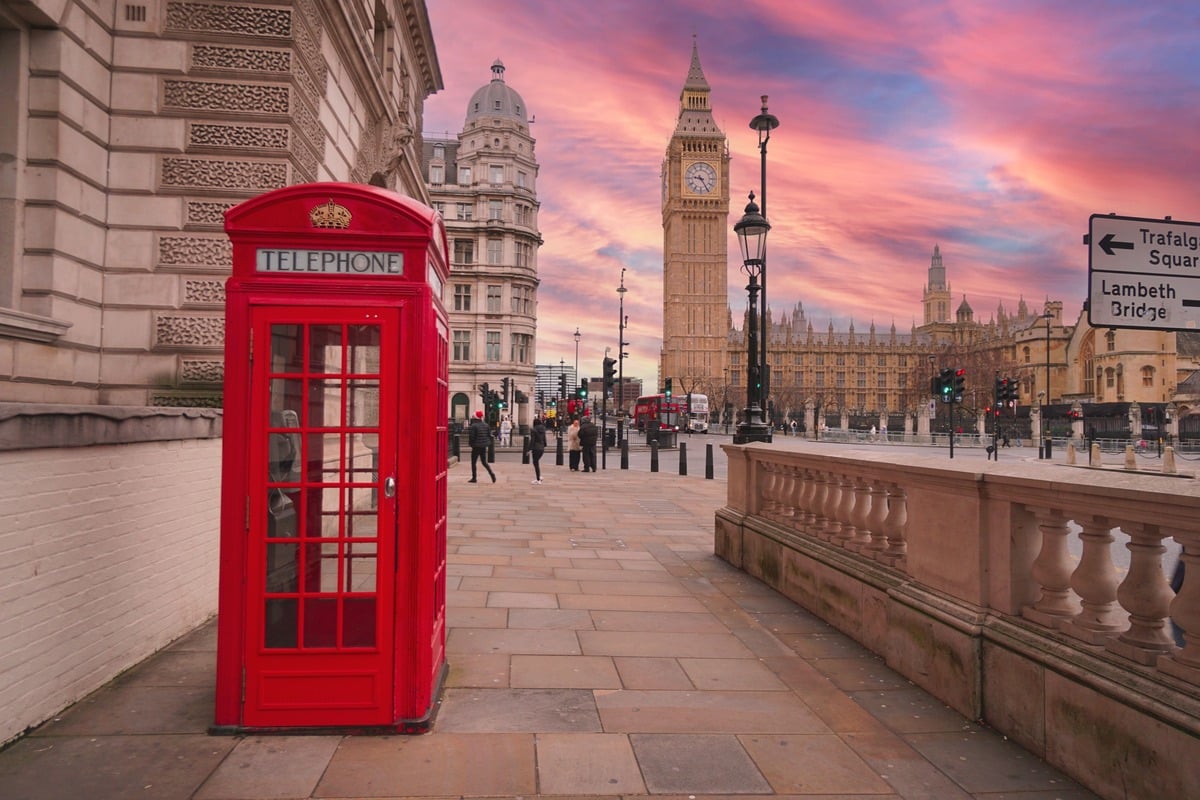
London Red Telephone Box, England, United Kingdom

They now require Americans to apply for an Electronic Travel Authorization, or ETA, as of this year. The UK ETA is an online form you fill out, including your passport details and a security questionnaire.

The whole process takes just under 15 minutes, maybe, but you must pay a £20 fee to obtain it (something like $27 based on the current conversion rate).

Unless you get a UK ETA, you can no longer travel to the UK, whether you’re entering by air, coming by train from France, or taking a ferry from mainland Europe.

UK ETAs are valid for 2 years, or until your current passport expires, whatever comes sooner, and they allow you to visit Britain for 180 consecutive days upon each entry.

Seamless Travel May No Longer Be A Thing

Back to mainland Europe, we’re sure you’ve heard of the word ‘Schengen’ before.
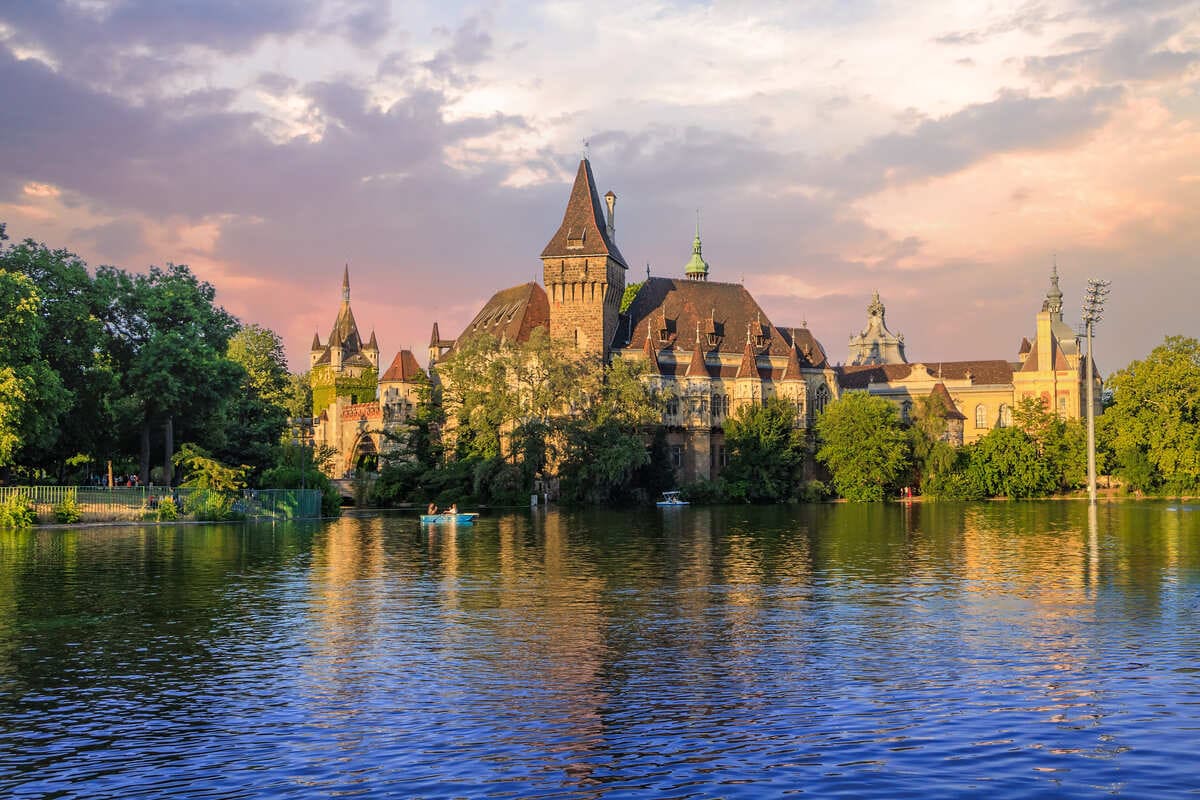
This Stunning European Capital Just Got The Only Nonstop From The U.S. — And It's Half The Cost Of Paris

We’ve hinted at it briefly already, but assuming some people might genuinely not know what this even means, here’s the brief summary:

Schengen is a passport-free zone encompassing 29 European countries currently (though it might be officially 30 next year). In practice, you only go through a passport check when entering the zone from a non-Schengen country.

For example, on a flight from the United States to France. Once in France, you can then travel onward to 26 other countries without undergoing the same border scrutiny again. Whether you’re flying or simply driving from one country to the next, it feels as smooth as crossing Stateside lines.

Or it should be.

Thanks to the latest migration waves that have hit Europe and the growing security threats, many European countries have now re-established border checks among themselves.
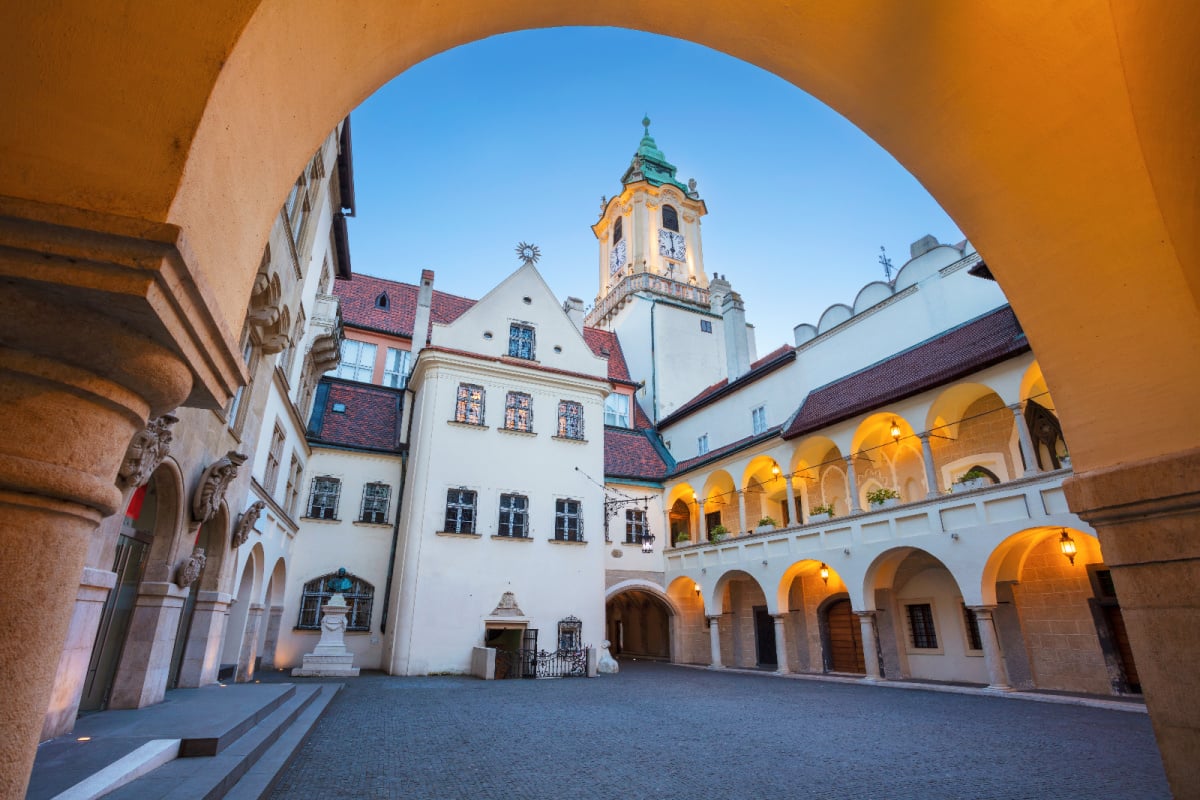
Old World townscape of Bratislava

I was genuinely surprised flying back home from Austria last week, only to be directed to a newly-installed border booth in Paris.

Now, it’s not like this is any major inconvenience, particularly for those of us who aren’t actually on the run or evading spot passport checks. Be that as it may, I still missed my shuttle as one of those long, snaking lines quickly formed at Beauvais Airport’s minuscule Schengen Arrivals hall.

Last year, we were also stopped by police driving from Italy into France, when usually you can just breeze through the border. In short, make sure you prepare for spot checks, and some delay if you’re country-hopping around Europe this summer, as they can be enacted with little to no warning.

Europe Is No Longer The Safety Bubble It Once Was

Last but certainly not least, there’s the issue of safety.
New Train Will Connect 6 Of The Most Gorgeous European Cities

You’ve probably been bombarded in recent years with horror stories coming out of certain European countries, particularly France, the United Kingdom, and Spain, regarding religious extremism, the rise in knife crime across urban centers, and higher rates of criminality in general.

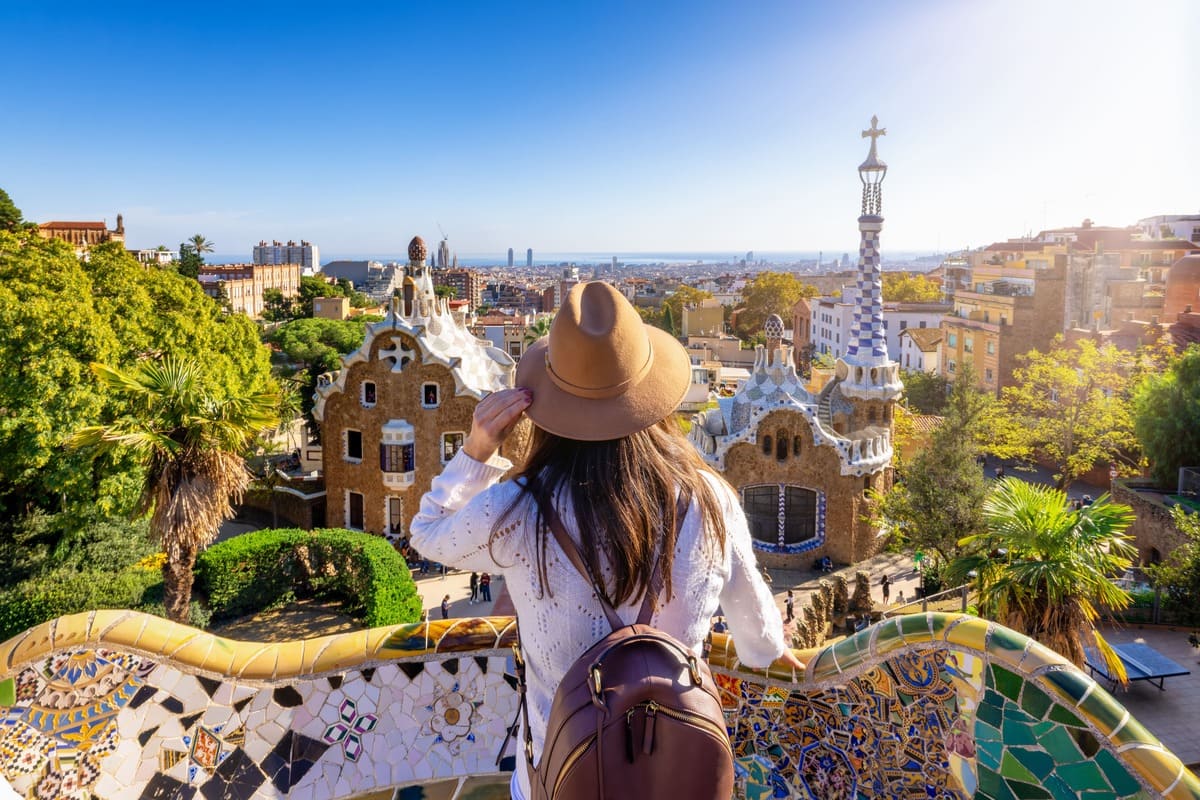
While cities like London, Paris, and Barcelona remain relatively safe, we wouldn’t be the first ones to let our guards down this summer, when touristy spots like Montmartre (in the French capital), or La Rambla (in the Spanish hub) get much busier than usual.

Right now, Barcelona in particular scores a decent 75 out of 100 on the Traveler Safety Index, indicating moderate-to-high safety levels:

The general safety advice applies: keep your wits about you in public spaces, never leave items unattended on beaches or tabletops, however calm it may feel, and avoid untouristy, crime-ridden districts far from the main zones you really have no business venturing into.

Flying to any European country this summer, make sure you have look at the Travel Advisories page beforehand.


Source link

Leave a Reply

Subscribe to Our Newsletter

Get our latest articles delivered straight to your inbox. No spam, we promise.

Recent Reviews


There are places in the world where everything feels accounted for. The roads are smooth, the signs are clear, and the experience has been carefully arranged long before you arrive. Adventure exists, technically, but only within boundaries that make it predictable. Nothing unexpected happens. Nothing pushes back.

And then there are places that still feel wild.

Not reckless. Not uncomfortable. Just untamed enough that you feel like a guest rather than a consumer. Places where the land doesn’t bend to human schedules, where weather sets the tone for the day, and where nature isn’t something you observe from a distance — it’s something you move through, adapt to, and occasionally surrender to. Traveling somewhere that still feels wild changes you in quiet, persistent ways. It slows your thinking. Sharpens your senses. Reminds you how small you are — and how good that can feel.

Alaska is the clearest example we know. But the feeling itself, the pull toward the wild, extends far beyond one place on the map.

The Absence of Predictability Is the Point

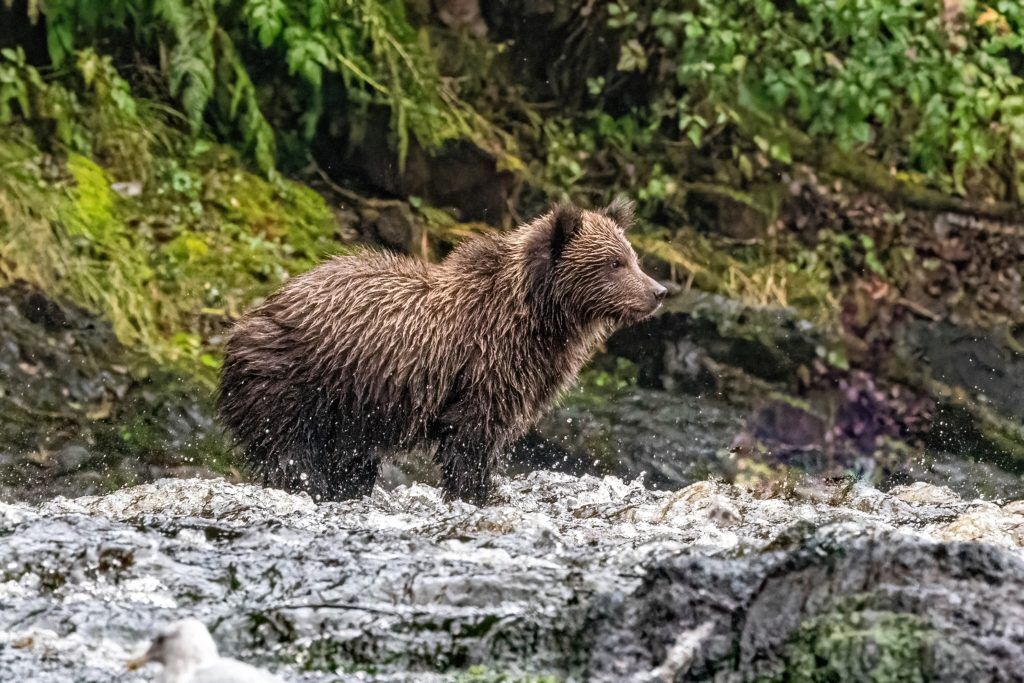
Baby bear Pavlovs Bay Alaska
Photo Credit: Jenn Coleman.

When you travel somewhere wild, certainty disappears almost immediately. Plans turn into loose outlines. Timelines soften. The assumption that you’re fully in control starts to fade — and that’s exactly where the experience opens up.

In Alaska, weather doesn’t politely cooperate. Flights wait. Boats adjust for tides. Trails change overnight. Wildlife appears on its own terms, not when you’re ready with a camera in hand. At first, this unsettles people. We’re trained to optimize travel, to squeeze value from every hour, to move efficiently from one highlight to the next.

Wild places resist that mindset. They force you to slow down and pay attention instead.

Instead of rushing, you find yourself watching clouds crawl across a mountain range or listening for the distant crack of shifting ice. You wait because someone has spotted a bear across the river, and suddenly waiting doesn’t feel like lost time — it feels like the entire point. In wild places, patience isn’t a virtue. It’s a requirement.

Nature Isn’t a Backdrop — It’s the Main Character

Endless Adventures Await-Moose - Alaska Glacier Lodge Palmer Alaska
Photo Credit: Jenn Coleman.

In many destinations, nature plays a supporting role. It’s something you admire between meals and museum visits, a scenic pause before moving on to the next activity.

In wild places, nature is the storyline.

In Alaska, the scale alone recalibrates your perspective. Mountains don’t rise politely in the distance; they loom. Glaciers don’t shimmer passively; they groan, fracture, and move. Rivers aren’t decorative — they’re powerful, cold, and very much alive. Wildlife isn’t something you visit. It’s something you encounter, often unexpectedly, and always on its own terms.

That reality changes how you move through the world. You speak more quietly. You scan the horizon. You learn to read the land not just for beauty, but for meaning — wind direction, cloud movement, water levels. You stop expecting nature to perform for you and start allowing it to lead.

Comfort Looks Different in the Wild

View from my room Homer Inn and Spa
Photo Credit: Jenn Coleman.

Traveling somewhere wild doesn’t mean giving up comfort, but it does redefine what comfort actually means. Luxury here isn’t about excess or polish. It’s about warmth after cold. Shelter after exposure. A solid meal after a long day outside.

Some of our most memorable places to stay in Alaska weren’t remarkable because of opulence, but because of where they were. Remote enough that silence felt complete. Close enough to the land that stepping outside meant being fully immersed — weather, wildlife, and all. Comfort in wild places is practical and intentional, and because of that, it feels deeply satisfying.

You notice and appreciate the basics more. Dry socks. Hot coffee. A sturdy roof during a storm. These aren’t assumed; they’re earned. And because you’re more present, they land differently. They feel grounding in a way that polished luxury sometimes doesn’t.

Your Senses Wake Up

Matanuska Glacier, Alaska
Photo Credit: Deposit Photos.

One of the quieter gifts of wild travel is how it reactivates your senses. In daily life, we filter relentlessly just to get through the day — noise, movement, light, information. Wild places strip that filter away.

You smell rain before it arrives. You hear ice shifting miles off. You notice how light changes minute by minute. In Alaska, even the air feels sharper, cleaner, alive. You become aware of your body in space — where you step, how fast you move, what’s happening around you.

This heightened awareness isn’t stressful. It’s calming. It pulls you into the present without effort or instruction. It’s mindfulness without the app, presence without performance.

You Remember What Adventure Actually Means

Hatcher Pass - Gold Cord Lake Trail Alaska
Photo Credit: Jenn Coleman.

Somewhere along the way, adventure became a marketing word. But real adventure, especially in wild places, isn’t about adrenaline or bragging rights. It’s about curiosity, humility, and uncertainty.

Adventure means not knowing exactly how the day will unfold. It means trusting guides and locals. It means adapting instead of controlling. In Alaska, that might look like hiking through mist, unsure if the clouds will lift. Kayaking through ice-dotted water where seals surface nearby. Boarding a small plane knowing weather could change everything.

And when things don’t go according to plan, that doesn’t diminish the experience — it becomes the story. Wild places remind you that the goal isn’t perfection. It’s participation.

Time Feels Different Out Here

Yllas Ski Resort Finland
Photo Credit: Jenn Coleman.

Wild destinations stretch time in ways that are hard to explain until you experience them. Days feel full without feeling rushed. Hours pass unnoticed when you’re fully engaged. Evenings arrive gently, not abruptly.

Without constant stimulation or packed schedules, your nervous system settles. You sleep more deeply. Wake earlier. Feel less urgency to check your phone. In Alaska, the light itself reshapes time, lingering late into the evening in summer, quietly reminding you that clocks are human inventions, not natural laws.

That shift doesn’t disappear when you leave. You return home more aware of how often urgency is manufactured — and more protective of your time because of it.

You Feel Like You’ve Earned the Experience

Kayaking Glacier Bay Alaska
Photo Credit: Jenn Coleman.

There’s a quiet satisfaction that comes from traveling somewhere that isn’t effortless. Wild places often require extra steps — small planes, ferries, long drives, patience. But effort creates investment.

When you arrive, you don’t feel like you stumbled into the experience. You chose it. And that choice creates respect — for the land, for the people who live there, and for the experience itself. In Alaska, simply reaching some destinations comes with stories before the stay even begins.

Wild travel doesn’t hand itself to you. It asks something in return.

Why We’re Drawn to the Wild Now More Than Ever

Waterfall Cove Alaska
Photo Credit: Jenn Coleman.

The pull toward wild places isn’t accidental. After years of constant connectivity, crowded destinations, and carefully curated experiences, many travelers are craving something real. Something grounding. Something that doesn’t ask them to perform.

Wild places offer perspective. They remind us that the world is bigger than our inboxes, that discomfort isn’t dangerous, and that awe still exists — no explanation required. Alaska sits at the heart of this longing, but it isn’t alone. You feel it in remote coastlines, high deserts, northern forests, and far-flung mountain towns around the world.

What unites them isn’t geography. It’s restraint. These places haven’t been overly softened or simplified. They still ask you to meet them where they are.

What You Take Home From a Wild Place

Hikers hiking, enjoying the view of Famous Patagonia Mount Fitz
Photo Credit: Deposit Photos.

You don’t return with just photos. You come back quieter, more observant, and more comfortable with uncertainty. You gain a clearer sense of what you actually need — and what you don’t.

Traveling somewhere that still feels wild recalibrates your sense of scale and self. It reminds you that not everything needs improvement, explanation, or monetization. Some things are powerful simply because they exist.

And once you’ve felt that — once you’ve stood somewhere that didn’t care whether you were there or not — it changes how you travel going forward. You start seeking places that ask something of you. Places that feel alive. Places that leave room for surprise.

Because wildness, in the end, isn’t something you conquer.

It’s something you experience — and carry with you long after you’ve left.

Hi! We are Jenn and Ed Coleman aka Coleman Concierge. In a nutshell, we are a Huntsville-based Gen X couple sharing our stories of amazing adventures through activity-driven transformational and experiential travel.


Source link