5 TV Myths It’s Time To Stop Believing Once And For All


We may receive a commission on purchases made from links.

The television industry is worth a few hundred billion dollars, and it’s expected to smash past $500 billion by 2030. That sounds all very impressive, but a chunk of that comes not from selling pwople their dream TV, but from selling them things they don’t need. It’s not an accident, either; it’s a business model.

Buying a TV should be simple. You can confidently shop for a one online, or you can walk into a store, check out one that looks good, get the hard sell, and then take it home. But with the salesperson’s technical jargon and overinflated claims, you might get a feeling that you’ve bought more than you needed once you settle down on the couch to watch that first show  — or maybe you didn’t get the features you actually need. The problem is, many of us do not have the time or the technical knowledge to push back. Therefore, we trust the spec sheet and believe the salesperson, which can result in overspending. Manufacturers and retailers may very well count on exactly that to boost their sales figures.

To arm yourself before you go to the store, we’ve listed five of the most persistent myths in the world of TV buying. They’ve been repeated over and over to the point that they now feel like common sense. But are they? After debunking these myths, we hope you can save a little bit of money, whether you’re on the way to the store or contemplating your next purchase. Here are five TV myths it’s time to stop believing once and for all.

Myth: you need 4K on a small TV

Walk into any electronics store with the intention of buying a TV and salespeople will tell you that 4K is the essential viewing experience. They’re not wrong. However, if it’s a small TV you need (we’re talking 44 inches or under), you can save yourself a bit of cash by opting for a 1080p display instead, like that on the Roku Select Series FHD TV. That’s because researchers at the University of Cambridge and Meta Reality Labs say your eyes may not get any of that 4K benefit from a small screen. The explanation for this lies in how the human eye works. “Our brain doesn’t actually have the capacity to sense details in colour very well,” says Professor Rafał Mantiuk, co-author of the study. Our peepers can only process detail up to a certain point. Feed them more resolution than they can handle, and the signals sent to your brain won’t be that different from a lower resolution. 

The researchers measured pixels per degree (PPD), which isn’t how many pixels a screen has, but how a screen looks from your viewing position. For an average-sized living room with 2.5 meters between couch and screen, a 44-inch 4K TV offers little to no noticeable benefit over a lower-resolution QHD set of the same size. Knowing the point when you can tell the difference between 4K and 1080p could save you money — and the research team was so keen to assist people with this that they made an online calculator to help. Just enter the necessary details, and it will tell you exactly what resolution is actually beneficial to your eyes.

Myth: you need premium HDMI cables

Cable manufacturers will try to convince you that expensive 4K cables are a necessity, but the fact is they’re not. If your current cheap cables do fall short, the solution is simply another cheap cable from a different brand. HDMI is just a digital signal; it either carries the data or it doesn’t. Whatever you’ve read, a pricier cable will not enhance your picture because the signal has no way of carrying any alleged extra quality. Even if you dug out a dusty old cable from the back of a drawer, it would almost certainly deliver the same picture quality as a $50 cable you just pulled off the shelf at Best Buy.

It’s also worth noting that HDMI cable “versions” don’t actually exist. Whether it’s HDMI 2.0 or 2.1, these numbers describe your device’s ports. What actually counts when choosing the right HDMI cable is the speed category. If that dusty old cable is a standard cable, it won’t be able to handle 4K. But the good news is, even the cheapest cables on today’s market are almost always high-speed or premium high-speed, the latter of which can handle just about any 4K content.

Gold-plated connectors and signal fidelity are unnecessary, too. In fact, buying high-priced cables means you’re just buying a brand name, gimmicky features, and possibly a fancy box. The one exception is next-gen gaming. If you have the hardware capable of pushing 4K at 120fps, treat yourself to an ultra-high-speed cable — but even then, these are often reasonably priced; you don’t need to fork over a fortune.

Myth: you need an extended warranty

The moment you buy a new TV, just wait for the extended warranty hard sell. But did you know that extended warranties are often far more profitable for retailers than the hardware itself? In many cases, they pocket more than half of what you pay for the plan. With the global extended warranty market projected to reach an incredible $286.4 billion by 2032 according to Allied Market Research, this is not an industry built on goodwill — it’s a serious business. But the reality of a modern flat-screen TV is that they fail at a very low rate; we’re talking single-digit percentage numbers here. And when something does go wrong, the repair cost is usually just marginally higher than what you would have paid for the extended warranty. Consumer Reports put it bluntly when they said, “You shouldn’t have to pay extra to get manufacturers or retailers to stand behind their products.”

The pricing is not arbitrary, either. Companies work out how many TVs in a given model are likely to fail and set their prices accordingly, which ensures they always come out on top. The reality is, you’re not buying protection for your TV; you’re subsidizing their profits. Even if you do make a claim on your extended warranty, the experience is seldom straightforward. Repairs drag on, and a lot of the time they need more than one attempt to fix it. Most major credit cards quietly offer the cardholder a warranty extension as a free perk anyway, as long as you use that card to purchase the TV. The smart move is to keep your money or stash it in a repair fund. On a TV that is statistically very unlikely to need fixing, the odds are firmly in your favor.

Myth: TV contrast ratio specs are accurate

Contrast ratio measures how deep a TV’s blacks are against how bright its whites can get — and it is one of the most important factors in picture quality. However, if you’ve ever compared the contrast ratios of two TVs, you’ve probably been misled. That’s because the numbers are not directly comparable across brands. Manufacturers are not required to follow any single testing procedure when measuring it, so every brand does it differently — and most measure it in whatever way produces the biggest number.

At the heart of this is the difference between native and dynamic contrast ratio. Every TV has a native contrast ratio — what the screen can physically produce. Many also have dynamic contrast, a feature that adjusts brightness in dark and light scenes to deepen blacks and brighten whites. Because the dynamic figure is often much larger than the native figure, manufacturers sometimes highlight it on packaging — and it cannot be trusted as a reliable guide to what you will actually see. The number on the box is not a standardized measurement; it’s a marketing decision. With no standard benchmark, these numbers are essentially meaningless.

Myth: OLED burn-in is still a serious concern

Burn-in — the ghostly remnant of a static image permanently etched on an OLED screen. It has long haunted the OLED and spooked many buyers over the years. It’s probably the main reason many people have opted for LCD TVs instead. But should you be worried about burn-in on OLED TVs? Evidence suggests that fear is largely misplaced. Most people who think their screen has some burn-in symptoms are actually experiencing image retention. This is temporary and clears up on its own. True burn-in is permanent and was a legitimate concern with older OLEDs. But nowadays, it requires extreme conditions to happen. When it occurs, it occurs when the same static element, like a news channel logo, is left on the screen at high brightness for days on end.

RTINGS decided to put this one to bed when they conducted one of the most comprehensive TV longevity studies ever conducted. It was a 3-year accelerated test on over 100 TVs, accumulating more than 10,000 hours of usage. In the end, every single OLED did eventually show burn-in, but the tech experts made it clear that this was the result of deliberately extreme conditions, and they do not represent normal use. In an earlier test, RTINGS ran six OLED TVs for over 9,000 hours, showing a mix of general TV — the same way people actually watch TV. Not one of them developed significant burn-in. Myth debunked.

Methodology

We searched for the most widely discussed myths regarding TVs on the internet. The five we listed are easily the most talked about. We looked into it even deeper and found expert sources that have firmly debunked each of these myths. Our author also leaned on personal experience, having been a long-time nonbeliever in some of these; personal use showed that a small 1080p TV never posed a problem mounted on a bedroom wall for years, and affordable HDMI cables have never given any trouble. Additionally, the writer is too frugal to buy extended warranties, which have never resulted in any issue. However, all this debunking is also backed by reputable sources rather than relying on the author’s intuition alone.


Source link

Leave a Reply

Subscribe to Our Newsletter

Get our latest articles delivered straight to your inbox. No spam, we promise.

Recent Reviews


Complex-sounding medical procedures are notorious for creating feelings of anxiety in those who face them, and a cystoscopy is no exception. The name itself can sound intimidating, and the idea of a procedure that involves the bladder and urethra might even create additional worry. However, while the term might sound intimidating, a cystoscopy is a relatively quick and straightforward procedure frequently performed right in your doctor’s office.

Learn more about cystoscopies and what you can expect from this common procedure.

What Is a Cystoscopy?

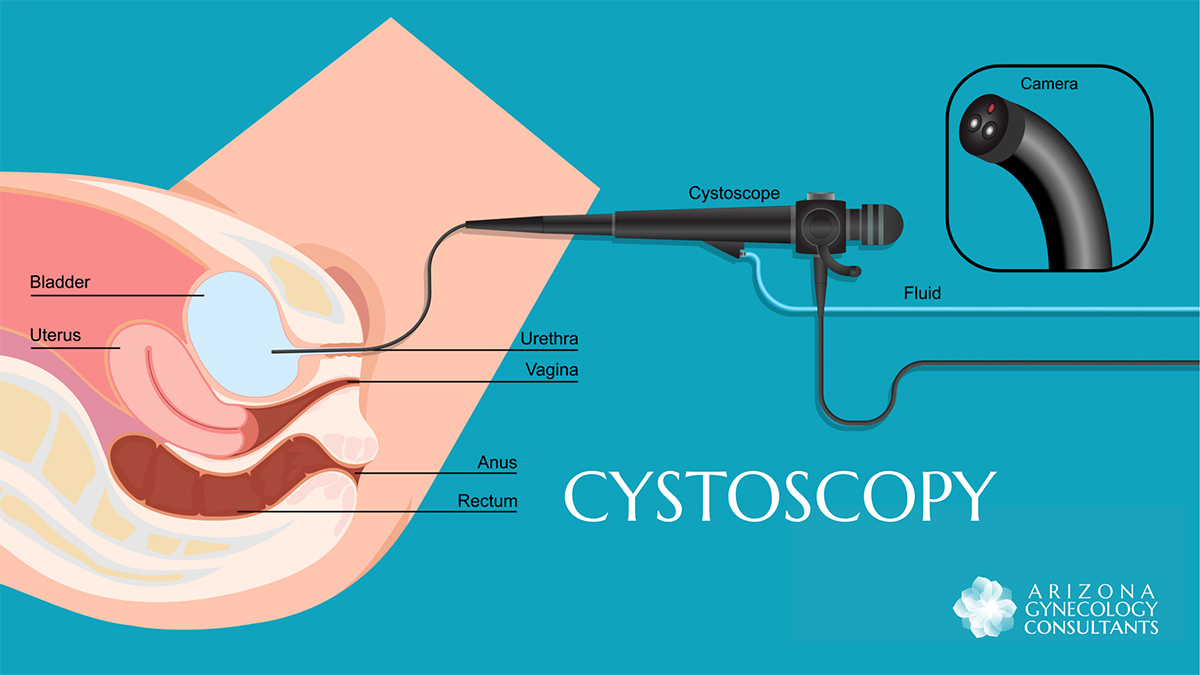
A cystoscopy is a minimally invasive medical procedure performed with the purpose of examining a person’s urethra and bladder for abnormalities. During a cystoscopy, a physician uses a thin, telescope-like tube equipped with a light and a camera called a cystoscope. As the thin tube is gently inserted through the urethra and into the bladder, the camera transmits to a monitor, providing your doctor with a clear view.

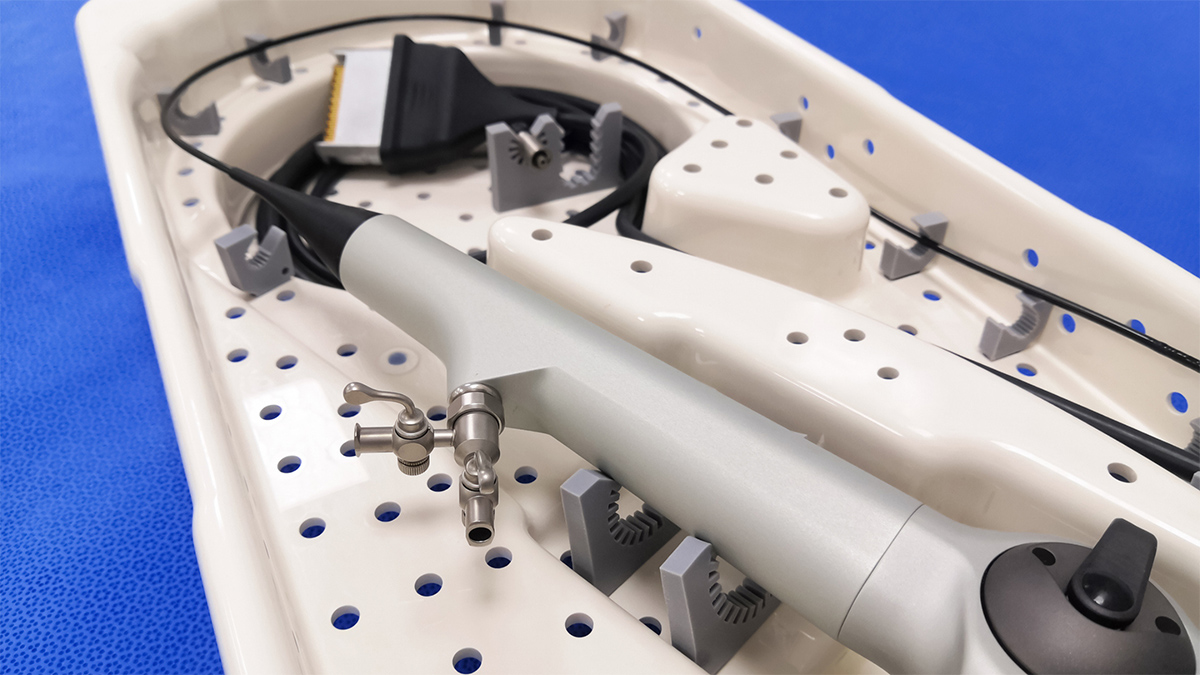
There are two types of cystoscopes: rigid and flexible. As its name suggests, a rigid cystoscope is a straight, relatively firm tube often preferred for its clear images and its ability to enable the smoother passage of other medical instruments for biopsies. A flexible cystoscope is made of thinner, bendable materials that can more easily navigate the curves of the urethra. This can be more comfortable for patients.

Cystoscopy may identify several issues related to the urinary tract

Why Is a Cystoscopy Performed?

Cystoscopy may identify several issues related to the urinary tract.

These can include: 

  • Blood in the Urine (Hematuria) – Identifying the source of blood in the urine is a common reason for performing a cystoscopy. The procedure can reveal infections, bladder stones, tumors, or other abnormalities.
  • Painful Urination (Dysuria) – Cystoscopy can help determine the cause of pain or burning during urination, such as inflammation, infection, or structural issues.
  • Frequent Urination or Urinary Urgency – These symptoms may indicate bladder irritation, an overactive bladder, or other underlying conditions. A cystoscopy can help providers reach a diagnosis.
  • Urinary Incontinence – This procedure can help providers evaluate the bladder and urethra to identify potential cases of incontinence, such as structural problems or nerve issues.
  • Difficulty Starting or Stopping Urination – Cystoscopy could help identify blockages that are creating problems with urination.
  • Recurrent Urinary Tract Infections (UTIs) – If UTIs are frequent, the procedure could help identify contributing factors.
  • Incomplete Voiding – People experiencing the feeling of incomplete bladder emptying may need a cystoscopy to identify the cause.
  • Chronic Pelvic Pain – In some cases, a cystoscopy may be performed to investigate urinary tract involvement in chronic pelvic pain.

In general, cystoscopies give medical providers the opportunity to identify and diagnose bladder, urethral, and urinary tract conditions.

Identify and diagnose bladder, urethral, and urinary tract conditions

A cystoscopy can be used to diagnose:

  • Bladder cancer
  • Bladder stones
  • Bladder inflammation (cystitis)
  • Urethral strictures
  • Congenital abnormalities
  • Foreign bodies
  • Interstitial cystitis/painful bladder syndrome

Other bladder and urethral conditions can be treated using a cystoscopy camera and a tube to guide medical instruments.

Procedures and interventions may include:

  • Removal of small bladder tumors or polyps
  • Removal of bladder stones
  • Widening narrowed areas of the urethra through urethral dilation
  • Overactive bladder injections
  • Placement or removal of stents (small tubes) to relieve blockages
  • Repairing small fistulas, which are abnormal connections between the bladder and other structures.

Early detection and diagnosis are key to avoiding the serious and life-altering complications that can come with bladder and urinary tract issues. Prompt intervention prevents worsening symptoms and the development of chronic conditions, creates the opportunity for more effective treatment, improves outcomes, and boosts survival rates for conditions like urinary tract cancers.

Preparing for the Procedure

If your physician has recommended a cystoscopy, it is crucial that you ask questions and review cystoscopy information so that you are comfortable and informed. Your physician will explain the details of the test to you, including what to expect before, during, and after the procedure.

They will discuss:

  • The purpose of the test
  • Whether it will occur in the office or another outpatient setting
  • How it will be performed
  • Whether local or general anesthesia will be used
  • Any potential risks or discomforts you can expect
  • When and how you can expect to receive the results

Before the procedure, you’ll be asked to sign a consent form. This indicates your agreement to undergo the test. Make sure you review this form thoroughly and ask your healthcare team to clarify anything you may not understand.

Physician has recommended a cystoscopy

If the cystoscopy is used as a diagnostic tool, you’ll likely only need local anesthesia to numb the urethra. However, if the cystoscopy is used to perform a procedure or biopsy, you may require general anesthesia, though this is extremely rare. If so, there will likely be specific fasting guidelines you’ll need to follow before the test. Be sure to carefully follow any instructions you receive about when to stop eating and drinking, or what you might be allowed to drink. You might also receive instructions about following a special diet for one to two days before the test.

Remember:

  • It is crucial to inform your healthcare provider if you are pregnant or suspect that you might be.
  • Let your healthcare provider know if you have any sensitivities or allergic reactions to medications, latex, iodine, tape, or any type of anesthesia.
  • Be sure to inform your healthcare provider of all the prescription and over-the-counter medications you take, including any vitamins, supplements, and herbal remedies.
  • You will need someone to drive you home after receiving sedation or anesthesia.

What to Expect During a Cystoscopy

A cystoscopy is a standard and generally well-tolerated procedure. However, getting informed about what to expect can ease some anxieties you may have.

The process typically begins with your physician positioning you comfortably, which usually  means lying on your back with your knees bent. The medical staff will ensure your privacy and maintain a professional and discreet environment throughout the procedure.

Before the cystoscope is gently inserted, a local anesthetic gel is typically applied to the urethra to numb the area and minimize any discomfort. In some cases, depending on your medical history or anxiety levels, your doctor might recommend light sedation. If another procedure is scheduled, you may receive general anesthesia.

Cystoscope

The cystoscope is then carefully passed through the urethra and into the bladder. Your physician may allow sterile saline to flow into your bladder to help expand it and make the lining of the bladder easier to see. You may feel some pressure or a mild urge to urinate, but the procedure should not be painful. The cystoscopy procedure is generally relatively quick, often taking about 5 to 15 minutes to complete.

After the Cystoscopy: Recovery and Side Effects

Following the procedure, if you received sedation or anesthesia, you will be moved to a recovery area for monitoring. The specifics of this recovery will depend on the type of sedation you received. Once your blood pressure, heart rate, and breathing are consistent and you are awake, you will either be transferred to another room or allowed to go home. You can typically return to your regular diet and activities unless your healthcare provider advises otherwise.

Important Post-Cystoscopy Notes

  • It is important to increase your fluid intake after a cystoscopy to help dilute your urine and ease urinary discomfort.
  • To ease any remaining discomfort, you can apply a warm, damp washcloth over your urethral opening or take a warm bath.
  • It is normal to see some blood in your urine, pink urine, or experience mild burning during urination for the first day or two.
  • Take pain medication for soreness or discomfort only as recommended by your healthcare provider. Avoid aspirin and NSAID medications like ibuprofen and naproxen that may increase bleeding risk.
  • Your doctor may prescribe an antibiotic; be sure to take it as instructed.
  • You should contact your healthcare provider if you experience fever or chills, frequent or urgent need to urinate, inability to urinate, lower back pain, or continued burning or blood in your urine.

Answering Frequently Asked Questions about Cystoscopies

If you are facing a cystoscopy, you may have questions about what to expect before, during, and after the procedure.

Here are some of the most frequently asked questions our patients have about cystoscopy:

Is a Cystoscopy Painful?

For most women, a cystoscopy only causes mild discomfort rather than significant pain. You might feel some pressure or a temporary stinging sensation during insertion. This pressure may feel strange due to the sensitive nature of your urinary system, but cystoscopies are generally a quick process.

At Arizona Gynecology Consultants, we prioritize your comfort and your health. Our experienced team is committed to using only the most gentle, non-invasive techniques during your procedure. We understand that even mild discomfort can be a source of anxiety, and we take every measure to ensure the procedure goes smoothly while you are as comfortable as possible.

Will I Need to Take Time Off Work?

If your cystoscopy will require general anesthesia, you should plan to take the next day off work, but you should likely be able to return on the second day. You should also avoid driving for 24 hours after general anesthesia. If your physician recommends only local anesthesia, you should be able to return to work the next day if you feel well enough.

Do Cystoscopies Have Any Side Effects?

Experiencing a mild, temporary burning sensation during urination after a cystoscopy is not uncommon. The majority of individuals undergoing cystoscopies will have minimal to no side effects. However, if you notice a fever or chills or ongoing painful urination, it is crucial to call your doctor.

What Are The Risks of a Cystoscopy?

While infection is the primary risk associated with a cystoscopy, it is quite uncommon. Introducing bacteria into the urinary tract during the procedure is what causes infections, and infections that occur after cystoscopy are very rare. The only other potential risk is a minimal chance of urethral scar tissue formation due to scope irritation, but this is most common with patients who receive frequent cystoscopies.

When Should I Know the Results of the Cystoscopy?

For a diagnostic cystoscopy, your provider will likely know the results during the procedure. If a biopsy is taken, the results typically take up to two weeks. Please ask your healthcare team when you can expect your results in your records or if you will hear from them directly.

Cystoscopy at Arizona Gynecology Consultants

If you are facing a cystoscopy at Arizona Gynecology Consultants, you can trust our experienced team to provide exceptional care and genuine compassion. Our dedicated physicians and staff have performed many cystoscopies. We approach each unique case with a deep understanding and refined technique.

We believe in clear communication and strive to ensure you feel informed and empowered. Before your cystoscopy, the procedure will be explained to you thoroughly, and any questions or anxieties you may have will be addressed. We understand the personal nature of gynecological health, and our staff is trained to guide you through each step.

If you would like to learn more about AZGYN cystoscopy or have specific questions, we encourage you to visit our services page for more detailed information.

AZGYN_Surgeons

Please do not hesitate to call our office to speak with a member of our caring team. We are here to support your health journey.

Schedule Your Consultation at AZGYN

Urinary issues can be disruptive to your life and lead to additional health concerns. Understanding the root cause of your symptoms is the first step towards finding relief and regaining control over your health. Take the first steps to address your concerns by consulting with a specialist who can ensure you receive an accurate diagnosis and personalized treatment options. Book a consultation with a women’s health specialist at AZGYN today.

The post What Is a Cystoscopy? appeared first on AZGyn.


Source link