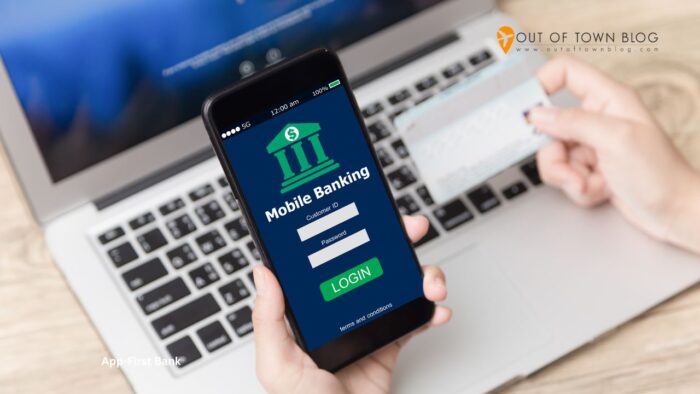

Technology has impacted various aspects of our lives, from work and leisure to our finances. Today, a growing number of people have integrated digital banking into their overall financial strategy, taking advantage of the flexibility and freedom it offers. App-first banks, in particular, stand out for their convenience and accessibility, which are essential in this fast-paced modern world.
Signing Up for an App-First Bank
With that in mind, this article will explore key considerations before choosing an app-first bank, so you can balance convenience with long-term security and financial health.
Security, Privacy, and Trust
Security is a primary consideration, regardless of whether you’re opening an account with a traditional or a digital institution. However, this becomes even more critical when a bank operates entirely through an app. At a minimum, an app-first bank should provide strong encryption to protect all information transmitted between your device and its servers. Features like multi-factor authentication, biometric login options, and automatic logout after inactivity act as safeguards against unauthorized access, while fraud detection systems can alert you to unusual activity. These tools are not extras but rather essential aspects for an app-based bank account Philippines’ users must look into.
An institution’s privacy practices and overall trustworthiness are equally important. A transparent privacy policy should clearly explain how data is collected, stored, and used. Meanwhile, regulatory oversight and third-party audits confirm that the bank operates in accordance with established financial standards. In the Philippine banking industry, this means being supervised by the Bangko Sentral ng Pilipinas (BSP). This kind promotes reliability, giving users peace of mind that their data is safe and ensuring long-term stability. Among the few digital banks regulated by the BSP is industry leader Maya. This means that Maya is compliant with the BSP’s strict requirements and that the Philippine Deposit Insurance Corporation (PDIC) insures all qualified Maya deposits up to ?1 million per depositor.
Accessibility and Integration
A mobile banking app should be designed to make financial management as smooth as possible. That means intuitive navigation, a streamlined layout, and reliable performance across devices. Rather than navigating layers of menus or waiting for slow load times, the experience should be as quick and frictionless as possible so users can focus on financial decisions rather than struggling with technology.
Additionally, integration provides another dimension of value. Many people use digital wallets or personal finance tools alongside their bank. An effective app-first bank should thus offer compatibility with these systems, allowing you to export data or connect through secure APIs. It should also support digital payments directly from your phone. This seamless integration across financial tools creates a complete ecosystem where you can track and manage your money more efficiently.
Fees and Costs
App-first banks are known for their promise of low fees, but customers should look carefully at the details. While some banks eliminate monthly maintenance fees, they may still charge for transfers or ATM use. Before signing up, review the full schedule of fees to ensure that seemingly minor charges do not add up over time to reduce your savings. This also helps you determine whether an app-first bank demonstrates transparency in pricing, which can signal if a bank has the customer’s best interest in mind.
Deposit and Withdrawal Options
A bank that exists primarily on your phone still needs to offer flexible, efficient ways to access your money. A good app-based bank should provide reliable deposit methods, including electronic transfers and mobile check deposits, as well as cash options, often through partnerships with retail stores or ATM networks.
Withdrawals should be just as straightforward. Look for app-first banks that offer fast or even instant transfers to other accounts, nationwide ATM access, and reasonable daily limits.
Customer Support Availability
No matter how advanced an app may be, problems such as failed transfers or suspicious activity can still occur. That is why accessible and responsive customer support is a core requirement for app-first banks. Choose one that provides multiple help channels, such as live chat, phone, and email, so you can get support in the way that suits you best.
Additionally, 24/7 availability is critical, especially since emergencies such as suspected fraud do not adhere to business hours. Customer reviews can give you an idea of how responsive the support team is and whether they resolve issues efficiently.
Tools for Financial Management
Many app-first banks come with built-in tools that reduce the need for multiple apps and keep your financial picture consolidated. Features like expense categorization, spending alerts, and savings trackers allow you to monitor and control your habits in real time.
App-first banks have revolutionized how we handle our finances, offering speed and flexibility most traditional institutions simply can’t match. Despite these promises, it’s crucial to look into app-based banking features that go beyond hype. Ultimately, the best app-based bank should balance convenience and accessibility with support and security, bringing users peace of mind and greater confidence in managing their money.
Please follow #TeamOutofTown on Facebook, Twitter, Instagram, and Pinterest for more travel ideas.

Stacie Harris is a local resident and reporter of the Maple Grove area. Stacie reports on medicine and science for the Maple Grove Report.