
We may receive a commission on purchases made from links.
When you think of gardening implements, the big names that spring to mind are probably quite different from plumbing, DIY repairs, and other categories. You’ll often see Fiskar or Felco, with maybe the occasional mention of the big tool brands like Craftsman or DeWalt. Then there are all the relatively inexpensive gardening tools on Amazon to consider as well. In reality, lots of brands gardening tools, and just aren’t as well known for it. Milwaukee is almost certainly part of that club.
There are reasons why some folks may not know that Milwaukee sells gardening tools. Availability is a big one. Lowe’s sells Craftsman tools, but doesn’t seem to carry many gardening tools from the brand, so Lowe’s shoppers are largely left in the dark. Pair that with general competition and what you’ll see recommended on places like Reddit, and there just aren’t a lot of avenues for Milwaukee to enter the chat. However, the brand has a range of gardening tools no less impressive and popular than its robust selection of plumbing tools, for instance.
If you’re a fan of Milwaukee or gardening and you want to see what else is out there, the list below contains some of the brand’s various gardening tools. These tools aren’t terribly popular, so there aren’t many reviews for them, so this article is for information purposes rather than a list of recommendations.
Milwaukee Hand Pruners
Pruners help you cut and prune plants, and as any gardener will tell you, that sort of maintenance is extremely important to a successful garden. Milwaukee sells two: a ¾-inch Hand Pruner and a 1-inch Hand Pruner. The measurement on these tools describes the thickness of the branch or stem that it’s designed to cut. Thus, the 1-inch model is designed to cut branches or plants up to 1 inch thick, which would include just about any plant in a vegetable, herb, or flower garden.
Both pruners are made of the same materials. Their high carbon steel blades are coated to protect against corrosion and can be resharpened easily. The handles are slip resistant dipped plastic with what customer reviews say feels like a rubberized coating, and come with a two-position lock (fully open and half capacity) for quicker cutting of smaller plants. Based on Milwaukee’s images, these are mostly meant for trees, but any pruners can be used for gardening as well.
They won’t be as effective as cordless electric pruners, which shoppers these days tend to prefer. However, the manual pruners offer more control, which is of benefit when dealing with delicate plants in a garden. Plus, the manual ones come with a limited lifetime warranty whereas Milwaukee’s electric pruners only come with three years. They also cost way less.
Milwaukee 2-inch Lopper
Loppers are another gardening essential, though their usefulness really depends on if you have something that requires a bit more power to cut through than a basic set of pruners can offer. Milwaukee has such an item with the 2-inch Bypass Lopper. Much like pruners, the measurement describes how thick of a branch it’s rated to cut. This one is rated to cut two-inch tree branches, and probably more if it’s a softer plant stem.
The construction is pretty decent, with a high carbon steel blade and the brand’s Comfort Grip handles. The overall length of the loppers is 32 inches. The handle also comes with two sets of grips, one black set at the end that grants more leverage and red ones further up that gives the user more control. Otherwise, these are a pretty basic pair of loppers, which can be a good or bad thing depending on what kind of tools you like to get. Since it is a hand tool, it’s covered by Milwaukee’s limited lifetime warranty, which should help with longevity as well.
There aren’t many customer reviews, but they tend to be positive, with multiple reviewers saying that it can cut up to its two-inch rating without any worry. The blades will probably need sharpening in the long term, but that’s true of any cutting tool that gets used often enough.
Milwaukee 5-pound Pick Mattock
Everyday gardeners probably don’t need a mattock, but these tools are designed to cut through compacted soil, clay, and other ground materials where a shovel won’t quite get the job done. If you’re just starting a garden and need to dig out grass and clay to form the bed, it could be helpful. Milwaukee’s 5-pound Pick Mattock is surprisingly expensive as far as mattocks are concerned, costing upwards of three to four times its budget-oriented competitors. Its construction is much different from most of those, though.
Per Milwaukee, its Mattock is steel reinforced with a thicker, riveted head to prevent breakage. The company calls this design SecureStrike, and promises that the head will fly off this thing way less often than most budget competitors. It also uses the brand’s ShockShield technology, which reduces vibrations. This helps lower fatigue if you’re going at it for a long time. It’s also a hand tool, so Milwaukee’s lifetime warranty is in effect here.
The lack of popular is likely due to the fact that this tool is brand spankin’ new and as such, it has virtually no reviews online, at least from customers. However, what few reviews do exist say that Milwaukee’s mattock is pretty good. This may be a diamond in the rough find for fledgling gardeners looking to dig a new bed.
Milwaukee 10-inch Folding Pruning Saw
Milwaukee is well-known for its saws, but even some of them can slip through the cracks. For example, the company’s pole saws are highly popular, with thousands of reviews on Home Depot alone. Those aren’t gardening tools, though, and mostly for trimming trees on your property. For gardeners, Milwaukee sells the 10-inch Folding Pruning Saw and the 14-inch Fixed Pruning Saw.
These smaller saws are well suited to gardens with bushes and thicker plants. Both have similar specs, including curved chrome-plated blades with hardened teeth, the company’s Comfort Grip handles, and similar overall designs. The 10-inch variant can fold into itself for easy carrying while the 14-inch is compatible with a leg strap. The only other difference is the 10-inch saw can cut six-inch branches while the 14-inch can do 8 inches. The curved blade is also a boon, as it’s widely accepted that curved blades do better for gardening than straight blades do.
This is likely another case where the tool will probably gain popularity over time. Both pruning saws came out during Milwaukee’s 2025 tool release, so they’ve been out for about a year as of this writing. Early reviews for both saws are almost universally positive, sporting 4.8 and 4.9 ratings for the 10-inch and 14-inch versions, respectively. User reviews say that the saws are pleasantly sharp, easy to use, and that the folding 10-inch model is sturdier than budget folding models they’d used previously.
Milwaukee M18 Fuel Quik-Lok Bed Redefiner
Not every virtually unknown Milwaukee gardening tool is a standalone tool. The company has its Quik-Lok Attachment System, which basically lets you swap out the heads of a single tool to turn it into many tools. There are quite a few of them, and they almost all have to do with yard work in some way. The base tool is the Milwaukee M18 Fuel 18V String Trimmer with Quik-Lok, and it’s compatible with additional attachments to increase functionality. One such attachment that might be particularly good for gardening is the M18 Fuel Quik-Lok Bed Redefiner.
As its name indicates, this tool will help you redefine the edges of your flower, herb, or vegetable garden bed, much like an edger, but it’s specifically designed for existing beds where you want to clean up the edges a little bit. The tool maintains a 2.75-inch deep and 3-inch-wide tapered edge that you can essentially draw in place of the old bed edge. This can keep errant grass out and plants in. Plus, it just looks nice to have a well-defined edge of the garden bed. It also comes with mud flaps, so you don’t throw dirt all over yourself in the process.
This is a bit of a niche tool, so it’s not terribly surprising that it’s not super popular. Some people do use these, but it’s usually not high on the list of recommendations. What few reviews the bed redefiner has are mostly positive.
Milwaukee M18 Fuel Quik-Lok Cultivator
Another Quik-Lok attachment, the M18 Fuel Quik-Lok Cultivator is yet another tool that does what the name says, competing with similar offerings from brands like Ryobi and Harbor Freight. For the uninitiated, it is essentially a slightly less powerful tiller. Generally speaking, you’ll want to use a tiller to create a new gardening area, but a cultivator is for loosening the soil in an existing garden bed. This tool locks into the same Quik-Lok string trimmer as the bed redefiner above. That means if you decide to spend the money, you can get a string trimmer (also useful for gardens), a cultivator, and a bed redefiner, and it all uses the same pole and battery.
The cultivator looks pretty good on paper. The tool features 9-inch steel tines that dig up and loosen the soil, complete with a mud flap that keeps it from flinging too much of the dirt on you. As someone who’s use a cultivator before, I can safely say that it’ll stop about 70% of dirt. It’s a lot quicker than using a manual cultivator, but otherwise, what you see is what you get with this one.
The Quick-Lok Cultivator is the most popular tool on the list, at least in terms of user reviews on Home Depot, but it still only has a couple hundred. They are mostly positive, though, so that’s a pretty good start for a tool attachment.
Milwaukee 8-inch Needle Nose Pliers
Pliers aren’t really a gardening tool, but gardeners can make good use of them. Any time you want grip something and yank it, this is likely a tool that can help. However, these get the greatest use if you decide to encircle your garden with fencing of some sort, as pliers are a de facto tool for twisting, splitting, and working wire fencing. Milwaukee makes the 8-inch Needle Nose Pliers that have almost entirely flown under the radar so far, but would work nicely as gardening pliers.
The pliers are a pretty basic tool overall. They feature a two-inch needle nose, integrated wire cutters, and non-slip, dipped plastic handles. The addition of the wire cutter helps with cutting wire fencing. Milwaukee also boasts anti-rust protection and as a hand tool, falls under the brand’s lifetime warranty. These pliers have a couple dozen reviews on Home Depot, although they’ll probably get more over time. Those reviews are universally positive for now, which isn’t terribly impressive with only 26 reviews.
If you need something more hardcore, Milwaukee makes dedicated Fencing Pliers as well. These are probably a bit much for some simple wire fencing for a garden, but they come with some extra capabilities like a staple puller, a wire puller notch, and a crimper for fencing wire. It also costs about $10 more and you lose the needle nose functionality entirely.
How we chose these Milwaukee gardening tools
When compiling this list, the first thing I did was travel to my local hardware stores in search of any Milwaukee gardening tools. I wasn’t able to find many specifically for gardening, but plenty for general yard work. I then surfed online, searching stores like Amazon, Home Depot, and Google directly, armed with the knowledge that an exceedingly small number of people ever leave the first page of any search. During my search, I found almost only a couple of Milwaukee gardening tools at all.
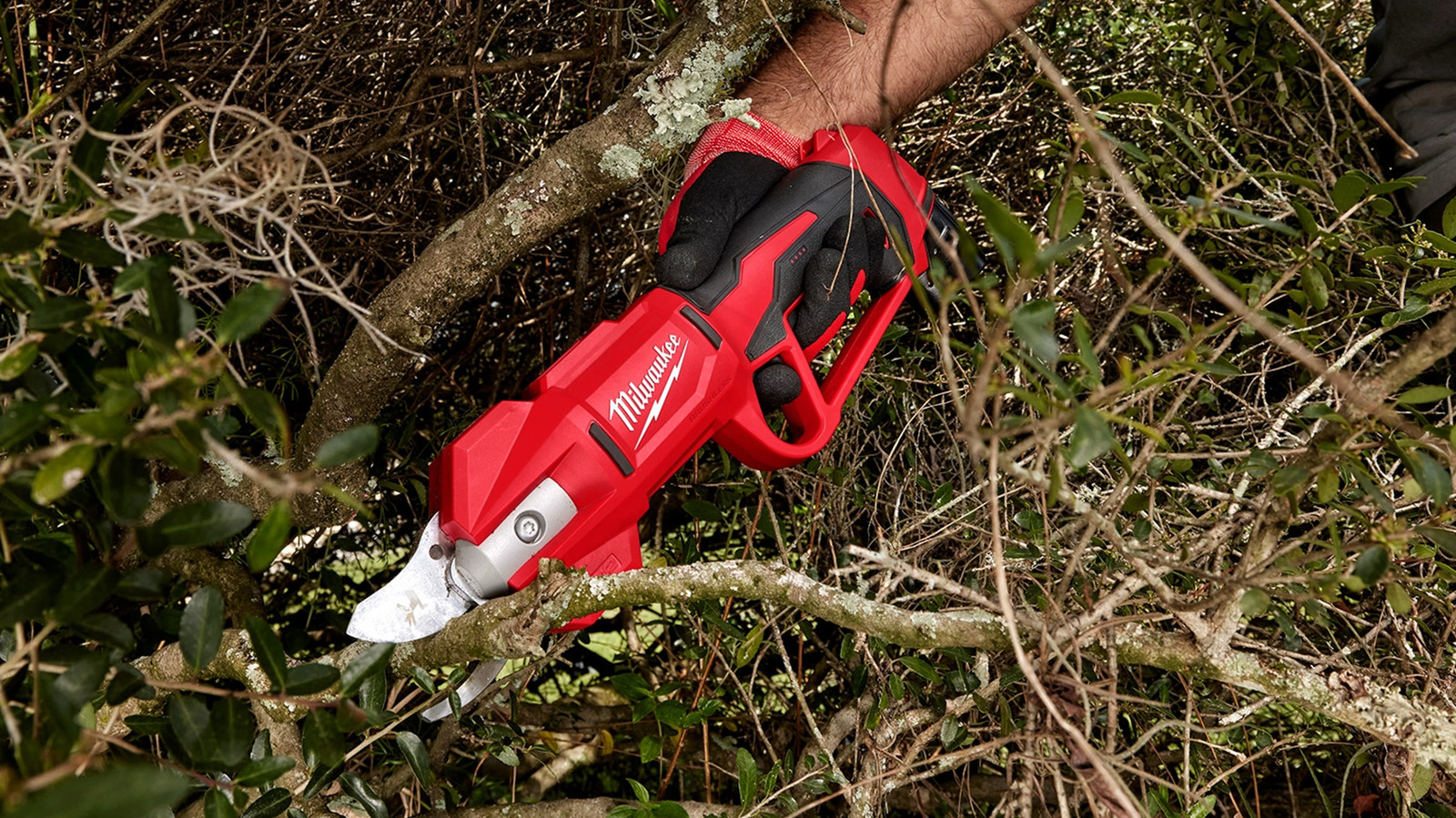
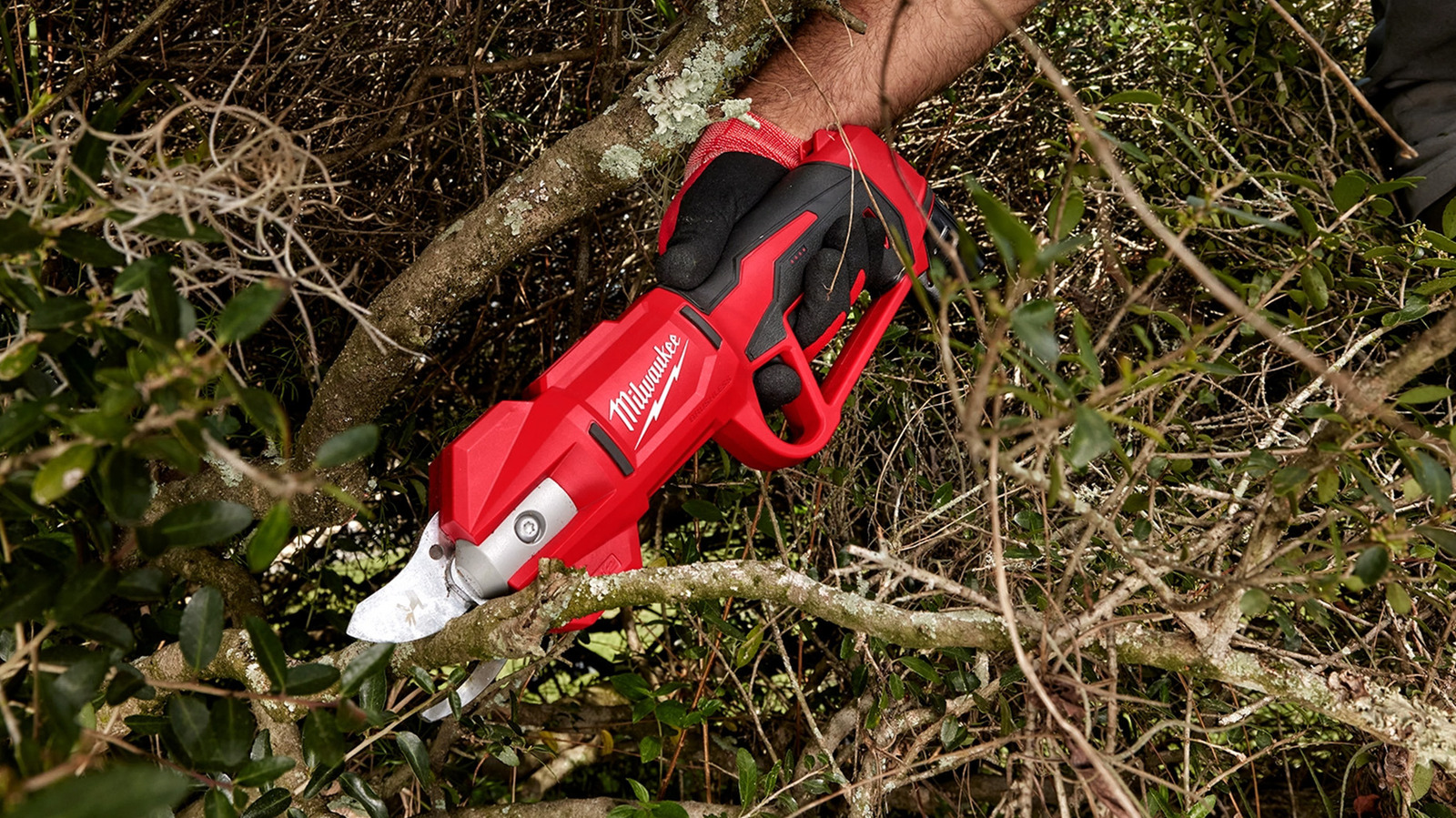
So, the goal was to just pick several tools that never came up in my searches, which was easy enough to do. There are some popular Milwaukee gardening tools, like the company’s Brushless Pruner Shears, which have nearly 1,600 reviews as of this writing, but not as many as you would think. Since sales numbers are largely a mystery, I used total number of reviews as a metric, and every tool above except one has less than 50 total reviews at Home Depot.
Beyond that, it was just a matter of selecting tools that would be usable in a garden without requiring some unusual mental gymnastics. I did quite a lot of gardening as a child with my mom, so I can confidently say that you could use a pole saw in gardening, but people don’t actually do that. Between all of these metrics and searches, the list came together pretty quickly.

Stephan is the sports journalist for the Maple Grove Report.