US Navy Faces Looming Problems As Ohio-Class Nuclear Subs Are Set To Retire


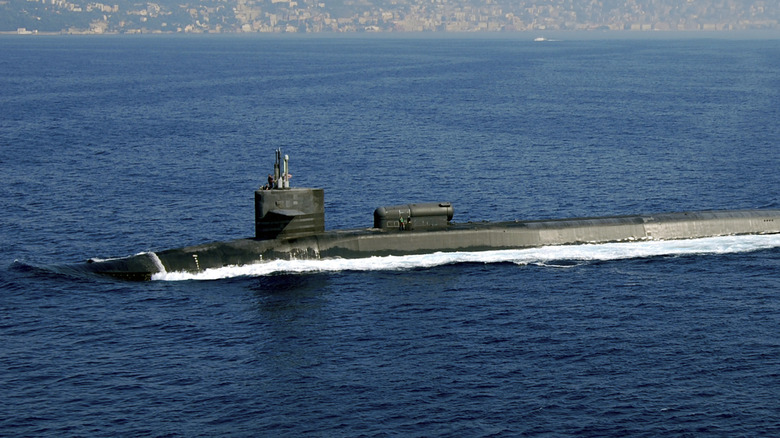
The US Naval fleet is the strongest in the world, with some of the most capable and iconic ships on the water along with some of the world’s most advanced nuclear subs operating strategically around the globe. But some of the Ohio-class submarines in the American fleet are now nearing the end of their service.

The Ohio-class includes four guided missile subs, formally designated SSGNs. These SSGNs include the USS Georgia, USS Ohio, USS Michigan, and USS Florida, the last of which was at sea for a historic 727 days. The four submarines were actually converted from ballistic missile boats in the early 2000s. They were redesigned to carry large numbers of conventional weapons, including up to 154 Tomahawk cruise missiles on each sub. This gave the Navy an enormous amount of strike power.

The problem is that, as of this writing, none of the four SSGNs are set to be replaced. Even if the Navy decided to make such a move, it could be nearly twenty years before replacement submarines would be ready for service. The Navy is securing Virginia-Class Block V attack submarines to help fill the void, but these craft don’t carry nearly the number of weapons that SSGNs carry, so it will take more subs to make up the difference.

Submarine maintenance demands grow as fleet ages
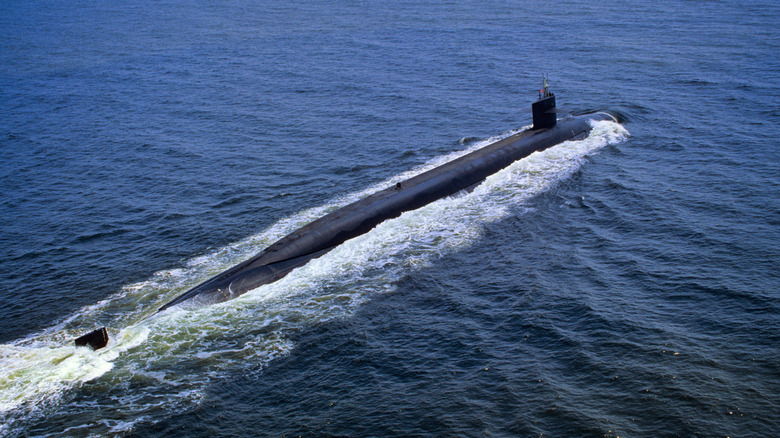
While the US Navy’s four SSGNs are slated for retirement, they’re not the only Ohio-class submarines currently in service. The Ohio-class actually has 14 ballistic missile submarines, which aren’t quite the same as attack submarines. These subs, known as SSBNs, carry Trident II ballistic missiles, are designed for stealth, and built for high-endurance patrols. But, like the four retiring SSGNs, these SSBNs are aging as well. In fact, the Navy is planning to replace them with the new Columbia-class submarines, beginning sometime in the early 2030s.

The issue is that they require more maintenance and longer completion times the older they get. This means that a sub can spend more time in the shipyard than at sea. As an example, the USS Ohio recently had extensive mechanical work, major repairs, and upgrades. That maintenance period took three years to finish, partly because the Ohio is the oldest sub in the fleet.

The Ohio-class SSBNs are facing the same challenges as well. The Government Accountability Office (GAO), found in 2021 that SSBN engineering overhauls took much longer than planned. This was due to crews having to address outdated, and sometimes worn, systems, which required more work than expected. Even routine maintenance periods were taking longer than usual, as submarines remained out of the water and past their scheduled completion dates.


Source link

Leave a Reply

Subscribe to Our Newsletter

Get our latest articles delivered straight to your inbox. No spam, we promise.

Recent Reviews


A new class-action lawsuit, filed on Monday by three teenage girls and their guardians, alleges that Elon Musk’s xAI created and distributed child sexual abuse material featuring their faces and likenesses with its Grok AI tech.

“Their lives have been shattered by the devastating loss of privacy, dignity, and personal safety that the production and dissemination of this CSAM have caused,” the filing says. “xAI’s financial gain through the increased use of its image- and video-making product came at their expense and well-being.”

From December to early January, Grok allowed many AI and X social media users to create AI-generated nonconsensual intimate images, sometimes known as deepfake porn. Reports estimate that Grok users made 4.4 million “undressed” or “nudified” images, 41% of the total number of images created, over a period of nine days. 

X, xAI and its safety and child safety divisions did not immediately respond to a request for comment.

The wave of “undressed” images stirred outrage around the world. The European Commission quickly launched an investigation, while Malaysia and Indonesia banned X within their borders. Some US government representatives called on Apple and Google to remove the app from their app stores for violating their policies, but no federal investigation into X or xAI has been opened. A similar, separate class-action lawsuit was filed (PDF) by a South Carolina woman in late January.

The dehumanizing trend highlighted just how capable modern AI image tools are at creating content that seems realistic. The new complaint compares Grok’s self-proclaimed “spicy AI” generation to the “dark arts” with its ease of subjecting children to “any pose, however sick, however fetishized, however unlawful.”

“To the viewer, the resulting video appears entirely real. For the child, her identifying features will now forever be attached to a video depicting her own child sexual abuse,” the complaint reads.

AI Atlas

The complaint says xAI is at fault because it did not employ industry-standard guardrails that would prevent abusers from making this content. It says xAI licensed use of its tech to third-party companies abroad, which sold subscriptions that led abusers to make child sexual abuse images featuring the faces and likenesses of the victims. The requests ran through xAI’s servers, which makes the company liable, the complaint argues.

The lawsuit was filed by three Jane Does, pseudonyms given to the teens to protect their identities. Jane Doe 1 was first alerted to the fact that abusive, AI-generated sexual material of her was circulating on the web by an anonymous Instagram message in early December. The filing says she was told about a Discord server by the anonymous Instagram user, where the material was shared. That led Jane Doe 1 and her family, and eventually law enforcement, to find and arrest one perpetrator.

Ongoing investigations led the families of Jane Does 2 and 3 to learn their children’s images had been transformed with xAI tech into abusive material.


Source link



