US Navy Faces Looming Problems As Ohio-Class Nuclear Subs Are Set To Retire


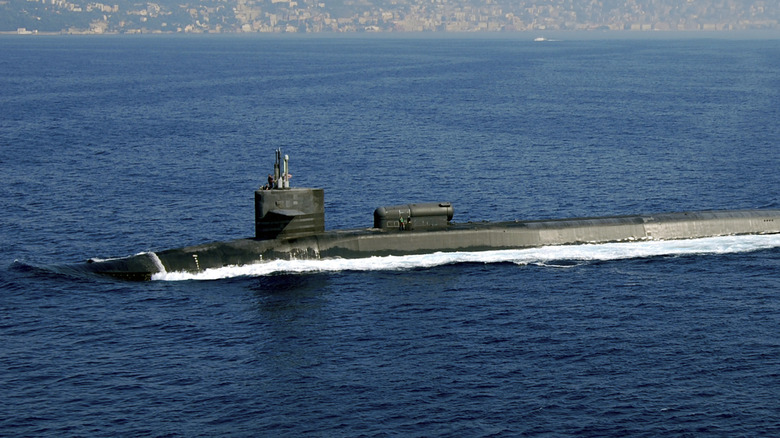
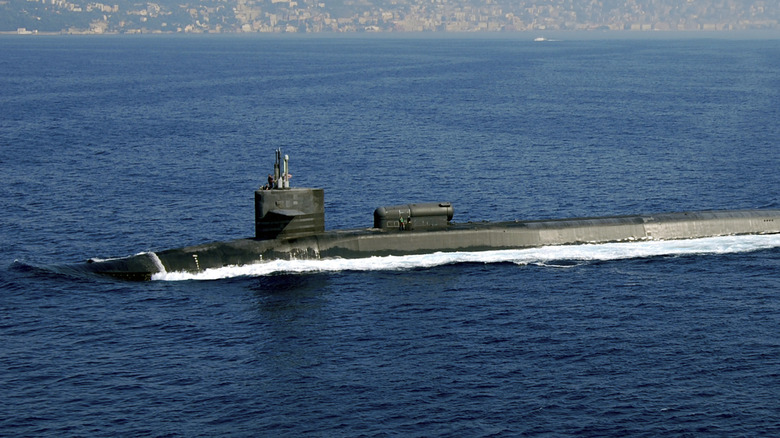
The US Naval fleet is the strongest in the world, with some of the most capable and iconic ships on the water along with some of the world’s most advanced nuclear subs operating strategically around the globe. But some of the Ohio-class submarines in the American fleet are now nearing the end of their service.

The Ohio-class includes four guided missile subs, formally designated SSGNs. These SSGNs include the USS Georgia, USS Ohio, USS Michigan, and USS Florida, the last of which was at sea for a historic 727 days. The four submarines were actually converted from ballistic missile boats in the early 2000s. They were redesigned to carry large numbers of conventional weapons, including up to 154 Tomahawk cruise missiles on each sub. This gave the Navy an enormous amount of strike power.

The problem is that, as of this writing, none of the four SSGNs are set to be replaced. Even if the Navy decided to make such a move, it could be nearly twenty years before replacement submarines would be ready for service. The Navy is securing Virginia-Class Block V attack submarines to help fill the void, but these craft don’t carry nearly the number of weapons that SSGNs carry, so it will take more subs to make up the difference.

Submarine maintenance demands grow as fleet ages
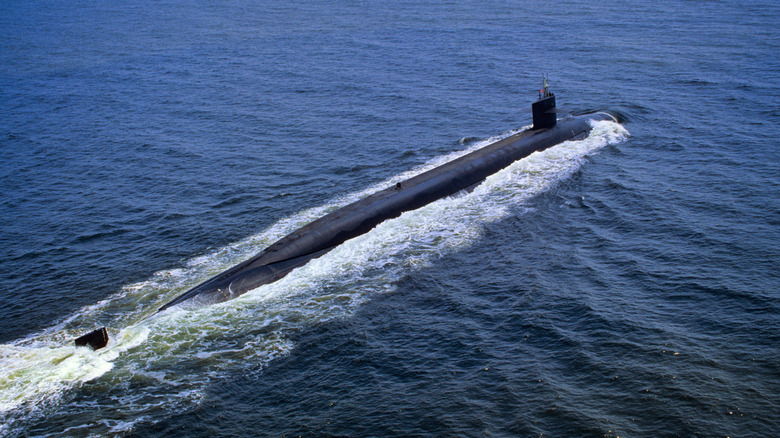
While the US Navy’s four SSGNs are slated for retirement, they’re not the only Ohio-class submarines currently in service. The Ohio-class actually has 14 ballistic missile submarines, which aren’t quite the same as attack submarines. These subs, known as SSBNs, carry Trident II ballistic missiles, are designed for stealth, and built for high-endurance patrols. But, like the four retiring SSGNs, these SSBNs are aging as well. In fact, the Navy is planning to replace them with the new Columbia-class submarines, beginning sometime in the early 2030s.

The issue is that they require more maintenance and longer completion times the older they get. This means that a sub can spend more time in the shipyard than at sea. As an example, the USS Ohio recently had extensive mechanical work, major repairs, and upgrades. That maintenance period took three years to finish, partly because the Ohio is the oldest sub in the fleet.

The Ohio-class SSBNs are facing the same challenges as well. The Government Accountability Office (GAO), found in 2021 that SSBN engineering overhauls took much longer than planned. This was due to crews having to address outdated, and sometimes worn, systems, which required more work than expected. Even routine maintenance periods were taking longer than usual, as submarines remained out of the water and past their scheduled completion dates.


Source link

Leave a Reply

Subscribe to Our Newsletter

Get our latest articles delivered straight to your inbox. No spam, we promise.

Recent Reviews


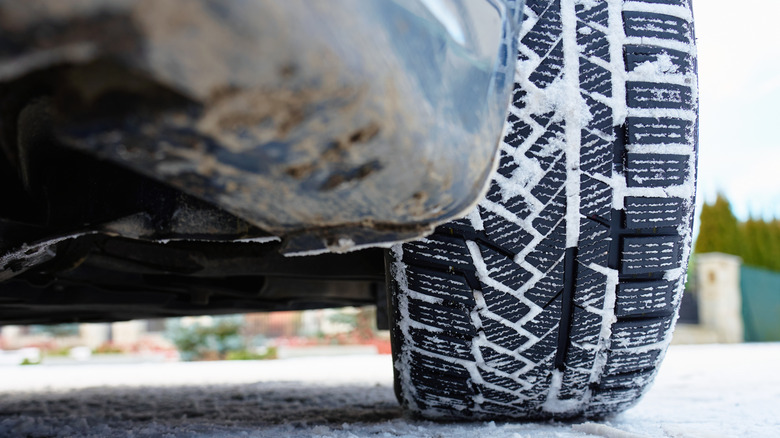
Staying safe in the winter months means being prepared for icy conditions, as winter weather sees a spike in vehicle pileups. It’s also about using the right kind of tires, which is where the 7-7 rule comes into play. This rule says that when the outside temperature drops below 7 degrees Celsius, or 45 degrees Fahrenheit, for 7 consecutive days, you should change your everyday tires to a winter model.

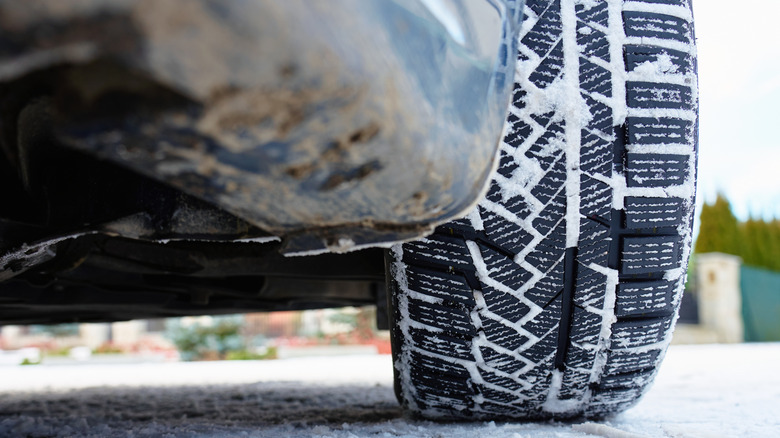
Extended cold snaps are a problem for regular seasonal tires because of how they’re designed. The rubber these tires contain becomes harder and less flexible in colder weather. When this happens, your tires’ ability to actually grip the road is reduced, which can become very dangerous in snow and ice. In contrast, winter tires are built with rubber that stays softer in cold temperatures, as well as deeper tread, which gives you better traction, and improved stopping ability. This means you have more control, which can ultimately keep you safer.

What makes winter tires ideal in cold temperatures can have the opposite effect in non-winter weather. This means that once the cold months have ended, you should switch back. If not, the tread on your winter tires will begin to wear down as the heat impacts the softer rubber. So, even with deep tread, your tires’ ability to properly grip the road can be impacted. If you’d rather not worry about the 7‑7 rule, you could use all-weather or all-terrain tires that work year-round instead.

Winter tire best practices

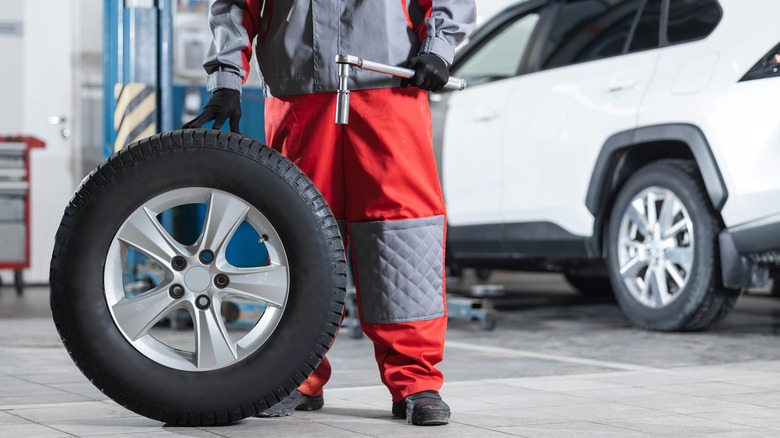
It’s important to safely store your everyday tires after they’ve been replaced by a winter set. If you’re storing them outside, Goodyear recommends protecting them in waterproof bags аnd kept off the ground. Otherwise, they should be indoors, in a cool and dry place, away from direct sunlight. If the tires are off the rim, they should be kept off the floor and stacked flat on top of each other. If the tires are on the rim, they can be stored the same way, or hung by the wheel on wall hooks.

When installing your snow tires, it’s best to use a full set. That’s because having only a pair of winter tires on the drive wheels could reduce your stability on the road. Additionally, if you’re using winter tires that don’t have the special mountain/snowflake symbol on the sidewall, you might want to consider getting new ones. The Three-Peak Mountain Snowflake symbol confirms that your tires meet industry standards for snow traction.

Even then, simply using the right tires isn’t enough, as you’ll need to check your air pressure regularly. Temperature drops can decrease tire pressure, causing you to lose your grip on the road. It can also cause uneven tread wear, which is why you should be monitoring tread depth regularly as well. Be sure to keep your tires properly rotated, and above all, be careful on the road. Winter tires can help keep you safe, but it’s up to you to drive cautiously.


Source link