Spotify’s New SongDNA Feature Tells You How a Song Was Made


When Spotify releases its end-of-year Wrapped, detailing my listening history over the last year, I’m 0% surprised when it shows that I’ve logged over 100,000 minutes on the app. Music is one of life’s greatest pleasures, and I love researching everything about how a song was created, from start to finish. 

If you do the same, you might enjoy Spotify’s new SongDNA feature. 

The feature rolled out globally to Premium users on Tuesday, March 24. It shows you every person involved in making a song, plus other interesting facts, like covers, which samples the song used, and other music the song’s engineers or mixers have worked on. 

How SongDNA works

SongDNA feature on Spotify

Macy Meyer/CNET

For instance, I’ve been really enjoying the new BTS album Arirang, released last week, especially the song Body to Body. I’ve been loving the production, so I went for a snoop to see who was involved. 

When I clicked on the song in the app and scrolled down to the SongDNA section, one of the first names I noticed among the collaborators was Ryan Tedder. Known as the lead singer of OneRepublic, he’s also responsible for composing, writing and producing some huge hits: Halo by Beyoncé, Bleeding Love by Leona Lewis, Sucker by the Jonas Brothers, many Adele songs, etc. 

Read also: AI-Recommended Music? Spotify Is Giving You the Power to Personalize

With SongDNA, you can now learn more about and give credit to the talented writers, producers, engineers and collaborators behind your favorite music. 

“By bringing collaborators, samples and covers together in one place, we’re making it easier for fans to discover new music and see how songs connect and come to life,” said Jacqueline Ankner, Spotify’s head of songwriter and publisher partnerships. It also means that songwriters, producers and rightsholders get recognition for their role. 

SongDNA has been rumored since the fall, and co-CEO Gustav Söderström recently teased the new feature during his SXSW panel. 

SongDNA is finally rolling out in beta to Premium users on Android and iOS, with the launch expected to finish in April. 


Source link

Leave a Reply

Subscribe to Our Newsletter

Get our latest articles delivered straight to your inbox. No spam, we promise.

Recent Reviews


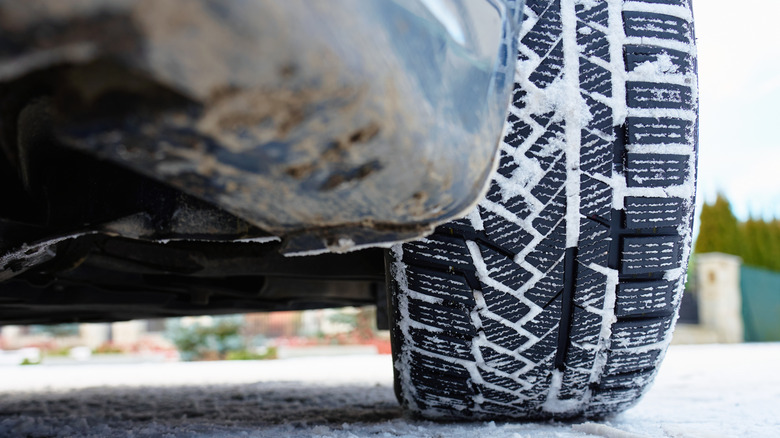
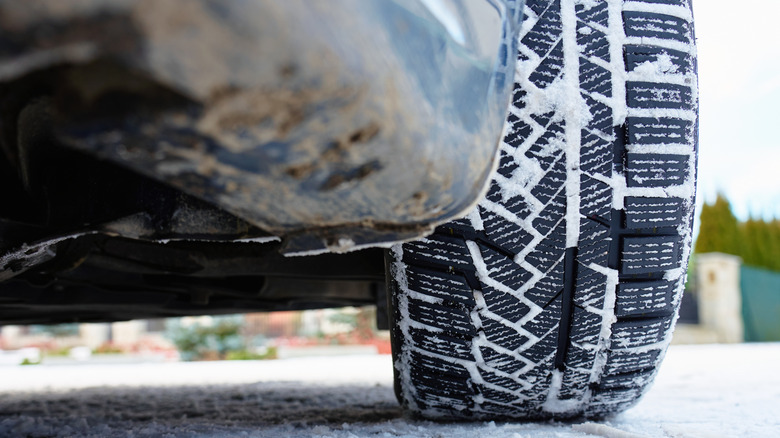
Staying safe in the winter months means being prepared for icy conditions, as winter weather sees a spike in vehicle pileups. It’s also about using the right kind of tires, which is where the 7-7 rule comes into play. This rule says that when the outside temperature drops below 7 degrees Celsius, or 45 degrees Fahrenheit, for 7 consecutive days, you should change your everyday tires to a winter model.

Extended cold snaps are a problem for regular seasonal tires because of how they’re designed. The rubber these tires contain becomes harder and less flexible in colder weather. When this happens, your tires’ ability to actually grip the road is reduced, which can become very dangerous in snow and ice. In contrast, winter tires are built with rubber that stays softer in cold temperatures, as well as deeper tread, which gives you better traction, and improved stopping ability. This means you have more control, which can ultimately keep you safer.

What makes winter tires ideal in cold temperatures can have the opposite effect in non-winter weather. This means that once the cold months have ended, you should switch back. If not, the tread on your winter tires will begin to wear down as the heat impacts the softer rubber. So, even with deep tread, your tires’ ability to properly grip the road can be impacted. If you’d rather not worry about the 7‑7 rule, you could use all-weather or all-terrain tires that work year-round instead.

Winter tire best practices

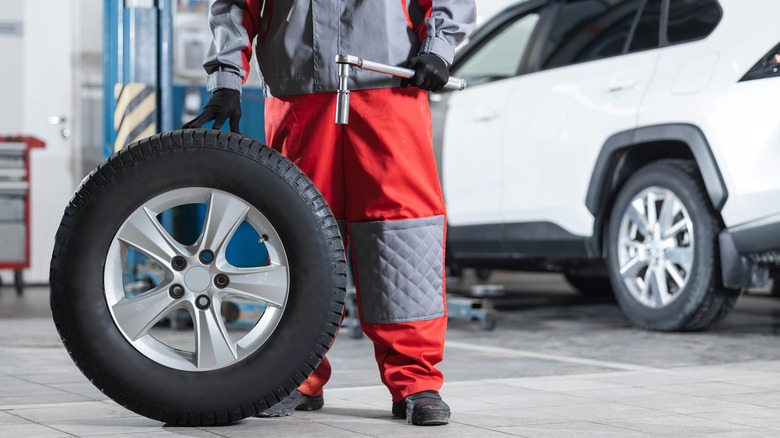
It’s important to safely store your everyday tires after they’ve been replaced by a winter set. If you’re storing them outside, Goodyear recommends protecting them in waterproof bags аnd kept off the ground. Otherwise, they should be indoors, in a cool and dry place, away from direct sunlight. If the tires are off the rim, they should be kept off the floor and stacked flat on top of each other. If the tires are on the rim, they can be stored the same way, or hung by the wheel on wall hooks.

When installing your snow tires, it’s best to use a full set. That’s because having only a pair of winter tires on the drive wheels could reduce your stability on the road. Additionally, if you’re using winter tires that don’t have the special mountain/snowflake symbol on the sidewall, you might want to consider getting new ones. The Three-Peak Mountain Snowflake symbol confirms that your tires meet industry standards for snow traction.

Even then, simply using the right tires isn’t enough, as you’ll need to check your air pressure regularly. Temperature drops can decrease tire pressure, causing you to lose your grip on the road. It can also cause uneven tread wear, which is why you should be monitoring tread depth regularly as well. Be sure to keep your tires properly rotated, and above all, be careful on the road. Winter tires can help keep you safe, but it’s up to you to drive cautiously.


Source link