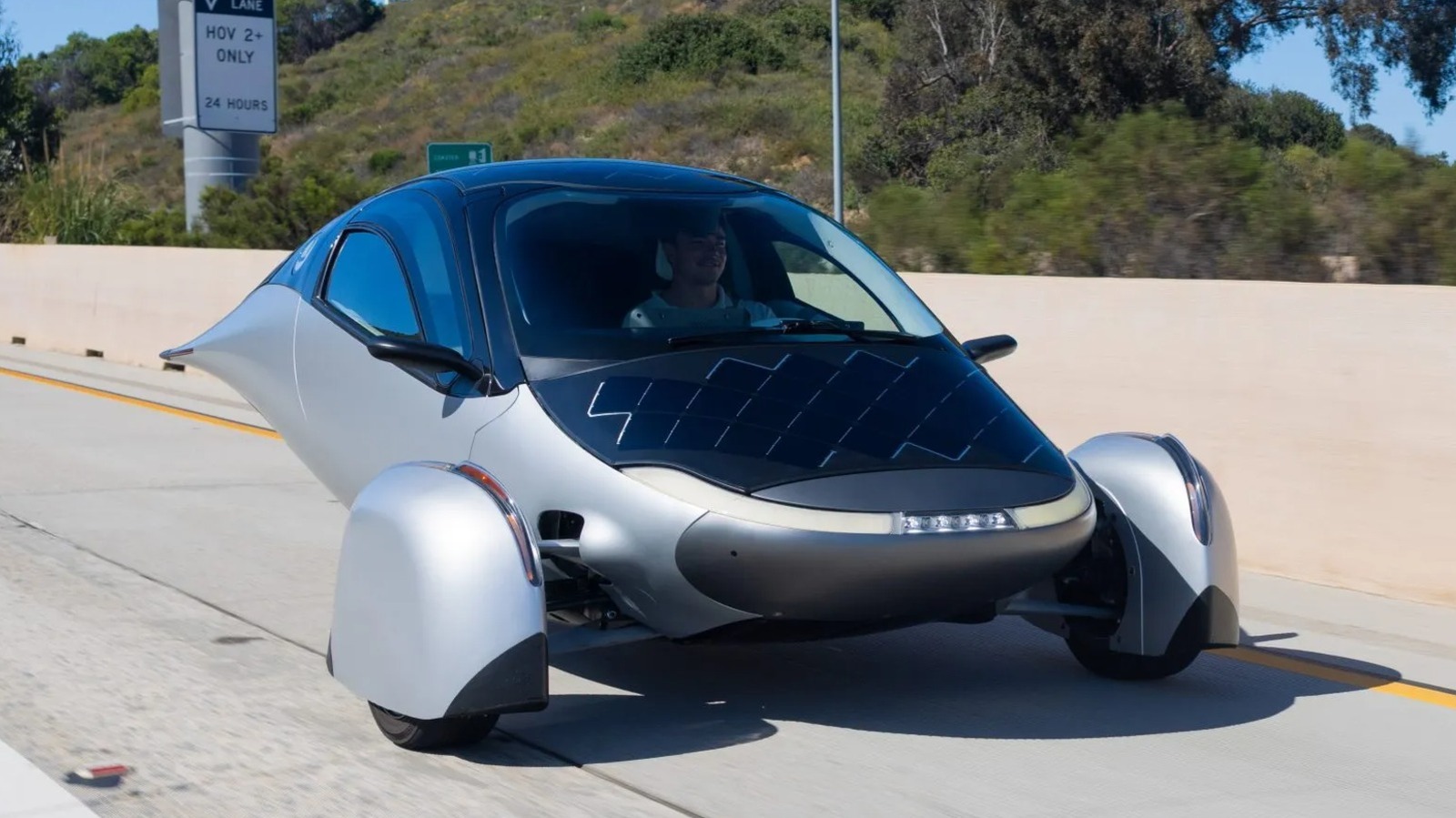
This US Company Wants To Start Mass Producing Affordable Solar-Powered Cars


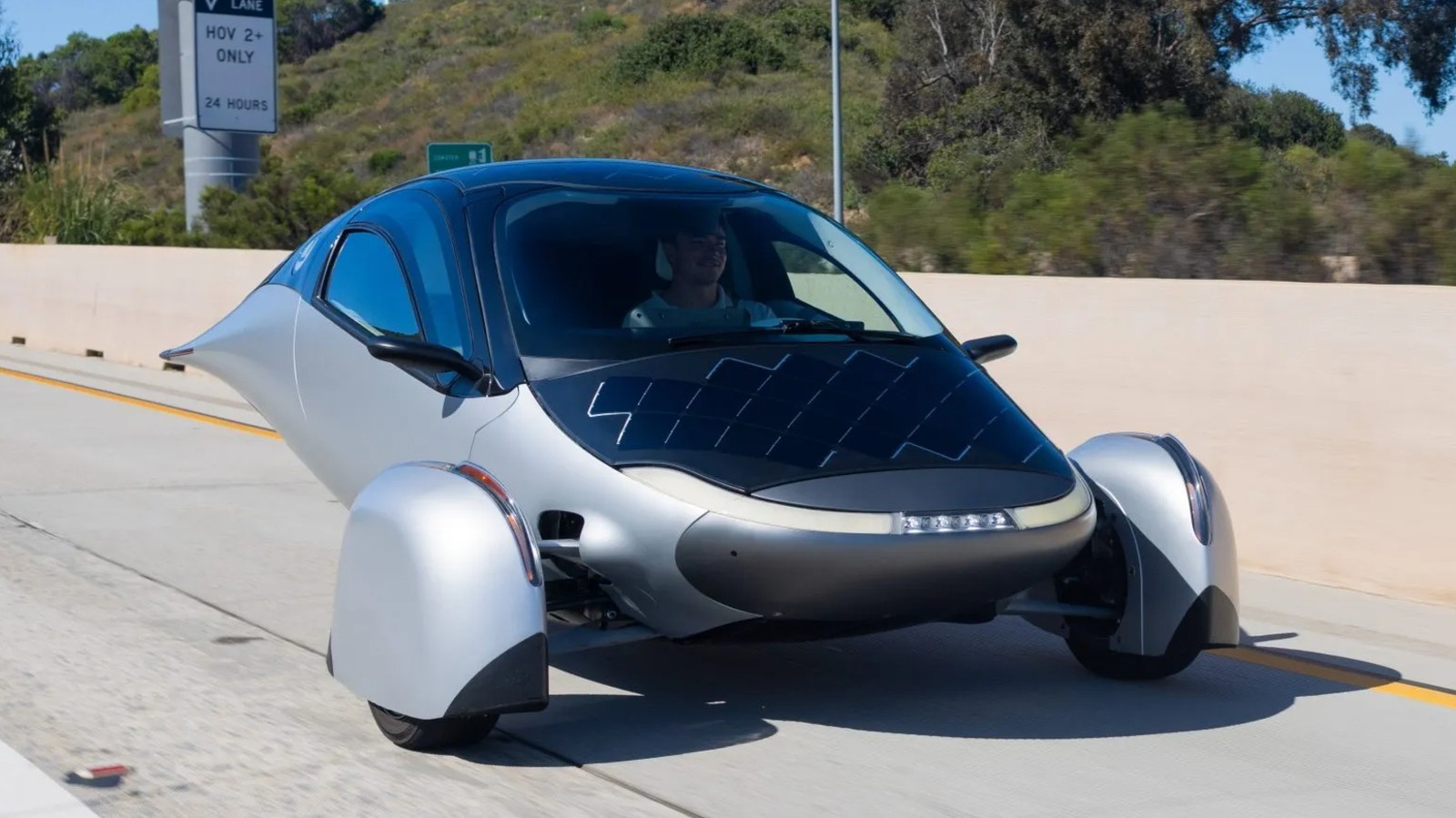
Aptera Motors, a vehicle startup out of Carlsbad, California, started taking reservations for its solar-powered, three-wheeled EVs in 2020. By 2025, it had a claimed 50,000 reservations at $40,000 a pop. As of 2026, it is hoping to start mass production of the Launch Edition models by the end of the year.

Aptera has significantly upped its operations since July 2025, thanks to the startup going public on NASDAQ, allowing it to grab attention from suppliers and financial backers — leading to more supplies and equipment. “Having a public profile means that a lot of people are seeing what we’re doing and getting excited about solar mobility and it being a real part of the transportation landscape over the next few years,” co-CEO Chris Anthony told NBC 7 San Diego

As of early 2026, the plant was building a small fleet of test vehicles, which will drive around the San Diego area. A 12-step manufacturing process is in place that will allegedly allow the facility to produce 40 solar-powered cars each eight-hour shift once production is in full swing.

What exactly is Aptera’s solar-powered car?

Aptera Motors was founded in 2006, and it had a pretty rocky start. Its plans for its original three-wheel car never happened, and the assets were sold to a Chinese company that also couldn’t get things going. In 2019, Aptera came back with a new plan — and this Aptera three-wheeler is the result.

Aptera claims that its EV has a 400-mile range thanks to its aerodynamic body and 2,200-pound weight. The 42.0 kWh battery is tiny, but the solar panels will help keep it topped up, according to the company. The solar panels will allegedly provide up to 40 miles of range per day — so if you drive less than 30 miles, you’ll technically never have to charge your car (provided you live somewhere sunny).

The Aptera has just 201 hp, but its lightweight carbon fiber body and aluminum chassis mean it can reach 60 mph in six seconds and has a top speed of 101 mph. However, it’s just a two-seater, and its futuristic shape doesn’t really offer much room for luggage. Still, at just $40,000 — and even less for future models with fewer solar panels and reduced range — Aptera Motors’ vehicles could eventually become cost-effective and convenient ways to get around a sunny city.


Source link

Leave a Reply

Subscribe to Our Newsletter

Get our latest articles delivered straight to your inbox. No spam, we promise.

Recent Reviews


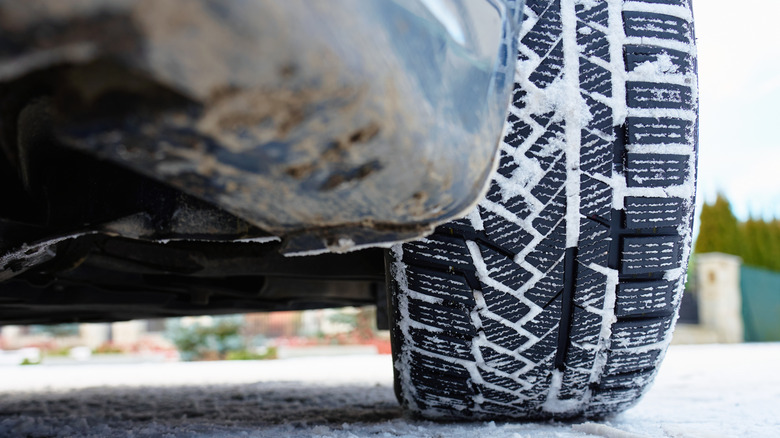
Staying safe in the winter months means being prepared for icy conditions, as winter weather sees a spike in vehicle pileups. It’s also about using the right kind of tires, which is where the 7-7 rule comes into play. This rule says that when the outside temperature drops below 7 degrees Celsius, or 45 degrees Fahrenheit, for 7 consecutive days, you should change your everyday tires to a winter model.

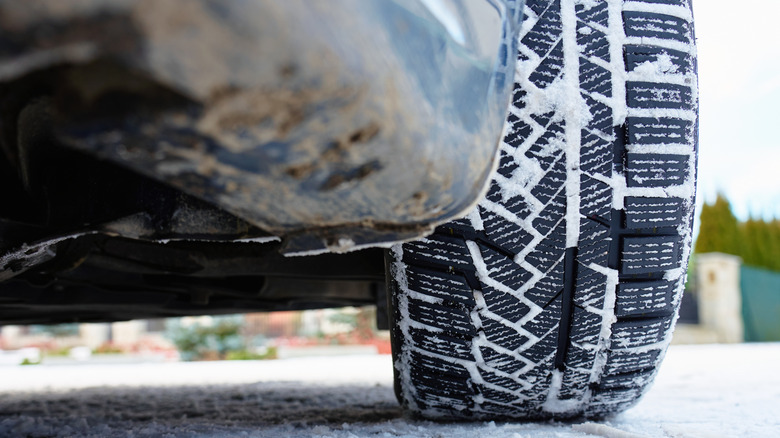
Extended cold snaps are a problem for regular seasonal tires because of how they’re designed. The rubber these tires contain becomes harder and less flexible in colder weather. When this happens, your tires’ ability to actually grip the road is reduced, which can become very dangerous in snow and ice. In contrast, winter tires are built with rubber that stays softer in cold temperatures, as well as deeper tread, which gives you better traction, and improved stopping ability. This means you have more control, which can ultimately keep you safer.

What makes winter tires ideal in cold temperatures can have the opposite effect in non-winter weather. This means that once the cold months have ended, you should switch back. If not, the tread on your winter tires will begin to wear down as the heat impacts the softer rubber. So, even with deep tread, your tires’ ability to properly grip the road can be impacted. If you’d rather not worry about the 7‑7 rule, you could use all-weather or all-terrain tires that work year-round instead.

Winter tire best practices

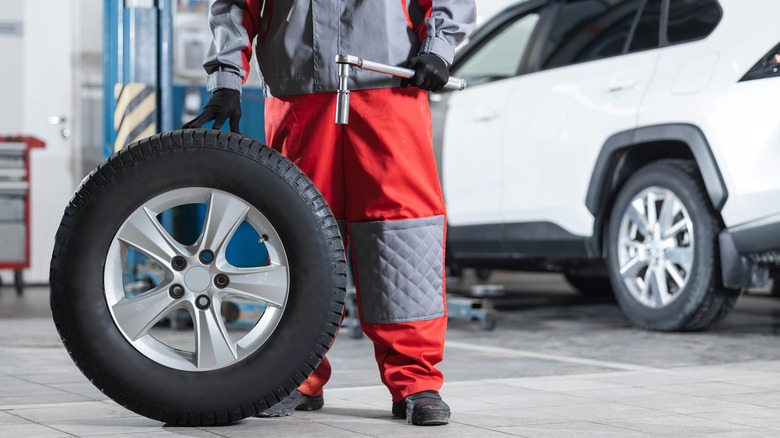
It’s important to safely store your everyday tires after they’ve been replaced by a winter set. If you’re storing them outside, Goodyear recommends protecting them in waterproof bags аnd kept off the ground. Otherwise, they should be indoors, in a cool and dry place, away from direct sunlight. If the tires are off the rim, they should be kept off the floor and stacked flat on top of each other. If the tires are on the rim, they can be stored the same way, or hung by the wheel on wall hooks.

When installing your snow tires, it’s best to use a full set. That’s because having only a pair of winter tires on the drive wheels could reduce your stability on the road. Additionally, if you’re using winter tires that don’t have the special mountain/snowflake symbol on the sidewall, you might want to consider getting new ones. The Three-Peak Mountain Snowflake symbol confirms that your tires meet industry standards for snow traction.

Even then, simply using the right tires isn’t enough, as you’ll need to check your air pressure regularly. Temperature drops can decrease tire pressure, causing you to lose your grip on the road. It can also cause uneven tread wear, which is why you should be monitoring tread depth regularly as well. Be sure to keep your tires properly rotated, and above all, be careful on the road. Winter tires can help keep you safe, but it’s up to you to drive cautiously.


Source link