4 Cool Bluetooth Gadgets You Can Connect To Your Echo Dot


We may receive a commission on purchases made from links.

Smart screens and speakers have found a permanent place in many of our households, since they help with playing music, controlling smart plugs, setting reminders, and much more. The use cases are plenty, especially when paired with other smart home gadgets that solve everyday problems. Speaking of pairing your smart speaker with external devices, the Amazon Echo Dot — one of Amazon’s most affordable and popular smart speakers — sports Bluetooth connections, which means it can be paired with some cool Bluetooth gadgets for added functionality. You can, for example, can pair multiple Echo speakers for a stereo setup or even connect external speakers with a better sound output during a party. Apart from audio, though, there are several other ways that you can take advantage of the Echo Dot’s Bluetooth module.

A few smart home gadgets, like smart light bulbs, often need a hub to function. However, if the bulb has Bluetooth support, it can be connected to and controlled by an Echo Dot without an external hub, which makes it a handy option. Similarly, there are other such gadgets that can take advantage of the Bluetooth Low Energy (BLE) protocol of the Echo Dot to establish a connection. Here are some of the best and most useful gadgets that we’ve found that can enhance your life and home. All you have to do is put your Echo Dot in pairing mode and connect the required device with the help of the Alexa app on your smartphone.

Bluetooth speakers

While there are several handy uses for an Amazon Echo Dot speaker, arguably the most popular one is playing music. This is primarily because it’s so quick and simple to ask Alexa to play your favorite album or track without having to manually look for it on your phone. Convenience aside though, Echo devices are capable speakers by themselves, which means the sound output is loud and clear. However, the small form factor means that the bass can be lacking, and the sound may not be able to fill a large room. If you’re having a party with your friends, you might miss out on that extra oomph. This is where the Echo Dot’s ability to connect to an external speaker comes into play.

If you have a Bluetooth speaker lying around at home, all you have to do is put it in pairing mode, head to the Alexa app, and connect the speaker to your Echo Dot. This works with pretty much any Bluetooth speaker, right from budget options to large home theatre setups. As long as the speaker is connected to the Echo Dot, all its responses — not just the songs — will play via the speaker itself. That said, the Echo device will still use its onboard microphones to detect and register your voice queries. This is one of the simplest yet the most popular uses that we’re sure a lot of you will appreciate. In case you don’t already have a speaker, the Anker Soundcore 2, which retails for around $30, is a user-favorite with a rating of 4.5 from close to 150K reviews.

Smart bulbs

The issue with a lot of good smart lighting solutions is that the installation process can be a headache — especially if they need a hub. Bluetooth smart bulbs are an easy fix, offering a plug-and-play solution. Modern Bluetooth bulbs from brands like Philips Hue or GE connect directly to your Echo Dot right out of the box, instead of requiring a central hub. This integration capability makes it an easy entry point into smart home automation. The biggest advantage of a system like this is that you can use bulbs and other smart home gadgets from multiple brands without worrying about compatibility.

Having a brand-agnostic solution helps avoid multiple issues. Once you invest in a Philips hub, for example, you may not be able to use bulbs from other brands with the same hub. This means you’re locked into the Philips ecosystem, unless you splurge on another hub from a different brand. Wi-Fi bulbs can already tackle this problem, but they can sometimes bog down your home network. Bluetooth bulbs, on the other hand, communicate locally with your Echo Dot. The feature set remains the same; you can set up daily routines so your lights slowly turn warmer in the evening, or shut down the entire house with a single phrase as you walk out the door. Additionally, you can connect as many bulbs via Bluetooth and operate the all individually. The Philips Hue 60W smart LED bulb, with its 4.7-star rating across more than 16,000 reviews, is a good starting point for under $50.

Smart switches

If you’re looking for creative use cases for your old Amazon Echo, smart switches are a good investment. The Switchbot smart switch button is an excellent replacement for old appliances and gadgets that lack internet connectivity; stick it beneath a manual switch and suddenly you can control it with your smartphone or Amazon Alexa device. Lots of devices and appliances launched in recent years may have built-in smart functionality to turn them on and off remotely. However, an old coffee maker or air purifier may not have the feature, and that’s exactly where a device like the Switchbot smart switch comes in handy. Once you connect it via Bluetooth to your Echo Dot, you can turn an appliance on or off with just your voice.

This works well with push-button switches, but you can’t use a single Switchbot to operate a larger, more traditional switch like the kind that controls the lights in your house both on and off. If you want both functionalities, you will have to purchase two Switchbots and install them on either side of the switch. While the product description mentions that you need a hub to use the device with Alexa, it’s only applicable to older Echo devices that cannot behave like a Bluetooth hub. With over 28,000 reviews and a rating of 4.1 stars, users definitely seem to love the Switchbot smart button thanks to its ability to use older gadgets easier. There’s something to be said about having a fresh cup of coffee waiting for you right after stepping out of the shower in the morning, isn’t there?

Bluetooth turntables

For those who have a large collection of vinyl records from back in the day, a Bluetooth turntable is pretty much a must-have. If you have one lying around, you would be glad to know that you can easily connect it to your Echo Dot. Since a good number of Bluetooth turntables have built-in wireless transmitters, you can wirelessly use your Echo Dot as a speaker instead of relying on your turntable’s internal one. Thanks to this setup, you can place your turntable at a distance from the Echo Dot without running audio wires all through the room.

This is a pretty neat trick; while the Echo Dot is usually the brain sending audio out to other speakers, in this scenario, it acts as the wireless receiver instead. The Audio-Technica wireless turntable is an excellent option in case you don’t have one already and are looking to buy one. It is pricey at around $230, but it’s got a solid 4.6-star rating across more than 8,700 reviews. Apart from a turntable, pretty much any other audio device that has a built-in Bluetooth transmitter can be used with an Echo Dot as well, so don’t feel like you’re limited to just spinning records remotely.

How we picked these gadgets

The primary criteria for a gadget to make it to this list is the fact that it connects to an Echo Dot speaker purely via Bluetooth and not Wi-Fi. Hence, it’s vital to note that not all types of gadgets of a particular kind may work via Bluetooth. An example of this is that not all smart bulbs support Bluetooth Low Energy connectivity. That’s why we’ve included suggested products that support the technology at play here; the ones we do recommend all have a rating of at least 4.1 stars across thousands of reviews. Additionally, all Echo devices — including the Echo Dot — need to be first connected to a Wi-Fi network for their initial setup before they can be used to connect to Bluetooth devices. Therefore, all the gadgets have been recommended with the assumption that you have access to a Wi-Fi network and that your Echo device is set up.


Source link

Leave a Reply

Subscribe to Our Newsletter

Get our latest articles delivered straight to your inbox. No spam, we promise.

Recent Reviews


The decision to begin birth control is one of the most important decisions a woman can make for her health. While many think of birth control as simply a form of pregnancy prevention, it can also be used for a range of other gynecological issues, such as endometriosis and ovarian cysts. Before you make your birth control decision, it is important to review information about the types of birth control available to you, their various effects, and when to see your doctor to help you select the best option for your needs.

If you’re looking for a birth control option that fits your lifestyle, you’re not alone. A 2020 study by the National Center for Health Statistics (NCHS) reported that between 2017 and 2019, 65.3% of US women between the ages of 15 and 49 were using contraception. (Daniels et al., 2020) This shows that the majority of women will use contraception at least once in their lives, and the importance of understanding the various contraceptive options can’t be underestimated.

At Arizona Gynecology Consultants, we are dedicated to providing patients with the education they need to make informed decisions about their healthcare, including contraception. Whether you are just beginning to explore birth control or you’d like to change your current method, our personalized care approach ensures that we understand your needs so we can help you choose the right contraceptive for you. Learn more about why birth control is so important and the options available to you.

Why Birth Control Matters

For most people, birth control is a crucial family planning resource to help prevent pregnancy; however, birth control has many other proven uses besides contraception. Women all over the world use birth control to address or ease other gynecological conditions.

The National Library of Medicine lists these common issues that can be addressed, at least in part, with the use of one or more types of birth control: (Bansode et al., 2023)

  • Painful menstrual cramps
  • Endometriosis
  • Amenorrhea
  • Premenstrual syndrome
  • Primary ovarian insufficiency
  • Heavy menstrual bleeding
  • Hormonal imbalance causing acne
  • Polycystic ovary syndrome

It is also important to note that regardless of the reason you are considering birth control, contraceptives are a crucial way to take control of your own health. Whether you are reproductive planning or addressing a woman’s health condition, birth control can help you maintain autonomy while taking steps to ensure optimal gynecological health.

Birth Control Options

Birth Control Options

Your options for birth control are as varied and unique as you are. There are hormonal methods, non-hormonal methods, natural strategies, and even permanent solutions. Each of the options available has both strengths and drawbacks and can vary in terms of effectiveness. Learning some critical information about each method can help you choose the best option for you.

Hormonal Birth Control Methods

Many birth control methods prevent pregnancy by modulating important women’s hormones, primarily estrogen and progestin. They work by increasing the effects of these hormones on the body, either preventing egg release, blocking the travel of sperm to the egg, thickening cervical mucus, or thinning the lining of the uterus.

While all of these methods have been proven to be effective in preventing pregnancy, it’s important to consider their benefits and drawbacks before choosing:

The Pill

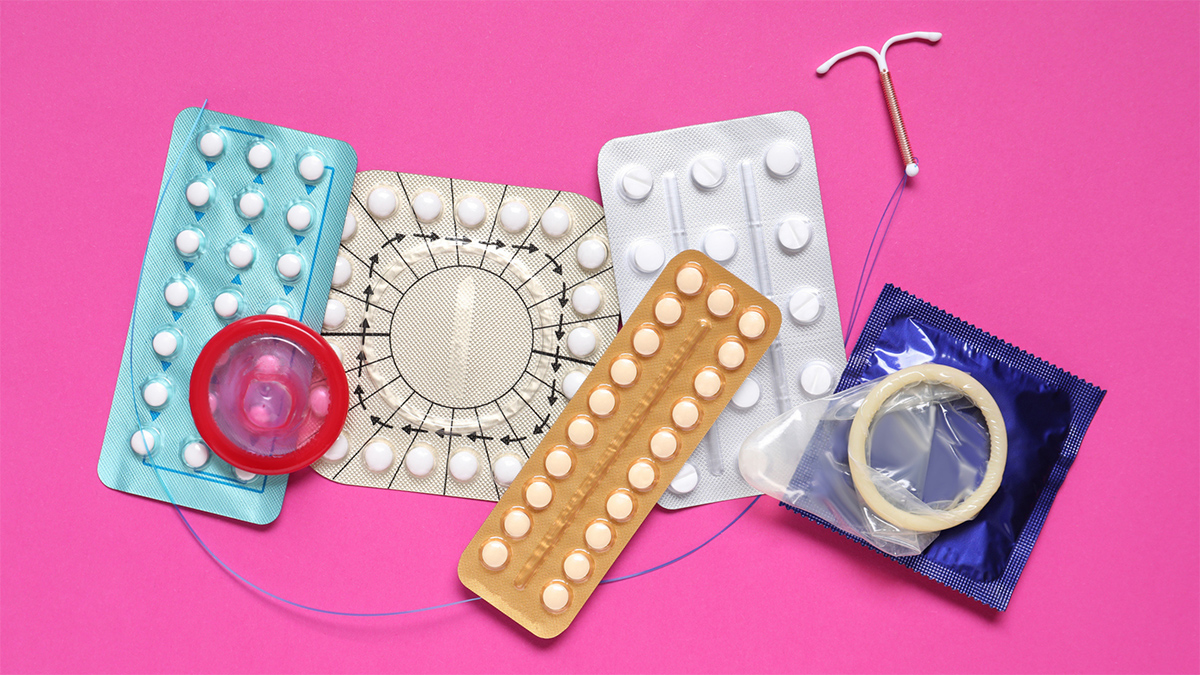
Birth control pills are daily oral hormones used to prevent ovulation. While some contain both estrogen and progestin, others contain progestin only. There are a variety of birth control pills on the market, all considered highly effective at preventing pregnancy and potentially offering other gynecological benefits like shorter periods. The downside of birth control pills is that you must commit to taking them regularly, and they may have some minor side effects. In addition, pills do not prevent sexually transmitted infections (STIs).

The Patch

The birth control patch is a small patch placed on the skin that releases hormonal birth control through the skin and into the bloodstream. It is also a highly effective form of birth control with benefits such as lighter periods and ease of use. While it only needs to be changed weekly, poor compliance can lead to pregnancy. As with the pill, the patch doesn’t protect against STIs.

Vaginal Rings

Like the patch, vaginal rings release hormones into the bloodstream to exert hormonal birth control effects. Unlike the pill or the patch, a vaginal ring must be removed and replaced on a monthly basis, which makes it a more convenient form of birth control. Vaginal rings may also help regulate periods, reduce cramping, and improve acne. The downside of vaginal rings is that some women have reported spotting and discomfort when inserting the device.

Depo-Provera

The Depo shot, or Depo-Provera shot is a progestin-only hormone method that is injected intramuscularly. The effects of the shot last for 12-15 weeks, which makes it more convenient than the pill, patch, or ring. This is a highly effective form of contraception that may also regulate periods and is safe for breastfeeding mothers. One disadvantage is that Depo-Provera may delay fertilization after you cease use and are ready to get pregnant and may also cause irregular bleeding.

Hormonal IUDs

Hormonal IUDs are the longest-lasting form of hormonal contraception. Many women choose this option as it is highly effective at preventing pregnancy and requires almost no upkeep, but it is also reversible. An IUD is a small device that is inserted into the uterus to prevent fertilization, and those with hormones can add another layer of protection. While a hormonal IUD can last up to ten years, some side effects associated with IUDs are spotting, hormonal changes, and irregular bleeding.

Non-Hormonal Birth Control Methods

Non-hormonal methods of birth control are just what they sound like – they do not contain hormones and instead work by physically blocking the travel of sperm to the egg, disabling sperm altogether, or creating an unfriendly environment for sperm. Women who want to maintain their normal menstrual cycle and those who are sensitive to hormones may prefer non-hormonal methods.

The most common non-hormonal methods of contraception include:

Copper IUD

A copper IUD is an intrauterine device like the hormonal IUD, but it releases copper instead of hormones. The IUD placement makes it difficult for the sperm to reach the egg, while the copper creates a hostile environment for the sperm, preventing fertilization. Copper IUDs are considered highly effective and can last up to ten years. Some women may experience heavy periods and bleeding in between periods.

Condoms

Condoms are one of the most common forms of contraception and can also be used in conjunction with other methods to protect against STIs and STDs. Condoms create a physical barrier between the penis and the vagina, preventing sperm from entering the vaginal canal and also preventing the spread of STIs. However, condoms must be used correctly and consistently, and the error rate is higher than with other forms of birth control. Some people note that condoms may also reduce sensation during sexual intercourse.

Spermicide

Spermicides are chemicals that are inserted into the uterus, killing or immobilizing sperm. They are most effective when used with other forms of contraception. Although spermicides are convenient to use and readily available, they have relatively low effectiveness rates compared to other forms of birth control and do not prevent STIs or STDs.

Diaphragm

A diaphragm is a cup that is placed over the cervix, acting as a physical barrier that prevents sperm from reaching the uterus. Women who want a long-term birth control option without hormones may choose a diaphragm, as they are reusable and effective. However, diaphragms are only at their most effective when used with a spermicide. Diaphragms can be uncomfortable, must be consistently used, and should be fitted by a doctor.

Permanent Birth Control Options

Permanent methods of birth control are typically chosen by women who have passed their childbearing years or those who do not wish to become pregnant again. Also referred to as sterilization, these methods are often irreversible, so it is important to be certain about your decision before choosing these options. Even though they require surgery, most permanent birth control options are minimally invasive and often done laparoscopically.

Tubal Ligation

Tubal ligation is a surgery that involves clamping, tying, or blocking a woman’s fallopian tubes, which are the channels that carry eggs from the ovaries to the uterus for fertilization. While the result is similar, tubal ligation should be distinguished from salpingectomy, which involves removing the fallopian tubes altogether. Tubal ligation is nearly 100% effective but can be expensive without insurance.

Vasectomy

Besides condoms, a vasectomy is the only birth control option that can be employed exclusively by male partners. A vasectomy is a surgery that involves a doctor removing or sealing the tubes that carry sperm from the testicles. For a vasectomy to be most effective, other forms of contraception should be used until a doctor verifies there are no sperm left. This procedure is nearly 100% effective and minimally invasive.

Natural Methods

Natural methods are for women or men who prefer a contraceptive method without intrusion or doctor interference. These methods do not involve pills, surgeries, devices, or barriers. While they are without side effects, they are the least effective forms of birth control.

The two main natural methods of birth control include:

Fertility Awareness

Fertility awareness simply involves a woman and/or her partner tracking ovulation and checking for signs of fertility to avoid pregnancy. Women may use a calendar, apps, or other methods to track ovulation and avoid sex during the most fertile days. This method may be effective, but only with accuracy and consistency. It also may not work for women who experience irregular periods.

Withdrawal Method

The withdrawal method, or “pulling out,” is typically the least effective of all birth control methods. It involves a man withdrawing his penis as he senses ejaculation is imminent. If done properly, the withdrawal method prohibits the sperm from entering a woman’s vagina. It does not, however, protect against STIs, and it can be risky if other factors, such as alcohol or drugs, are involved.

Choosing the Right Method

Birth control can provide women with control and freedom over their reproductive health, but it must be used accurately, consistently, and wisely. For the best results, it is important to choose the right method for you. Factors that should be considered when choosing the right birth control method are your lifestyle, health history, and, of course, personal preference.

Your doctor is an excellent resource for determining which method is best for you. At your consultation appointment, be sure to inform your doctor of any lifestyle and health history factors. For example, if you are allergic or hypersensitive to hormones, your doctor should know this to avoid suggesting hormonal methods. Likewise, if you have trouble staying on a schedule, your doctor may discourage the pill and offer an IUD as an option instead.

Myths and Misconceptions

Myths and Misconceptions

There are several myths and misconceptions regarding birth control.

Birth Control Causes Infertility

One of the most commonly held misconceptions is that birth control causes infertility. While some hormonal methods, such as Depo-Provera, may delay fertilization, they do not stop it completely, and the delay is not significant.

A study regarding the resuming of fertility after discontinuing birth control published in Contraception and Reproductive Medicine debunks this myth. In fact, it posits that birth control does not negatively affect women’s ability to conceive once use is terminated. (Girum & Wasie, 2023)

Birth Control Side Effects Are Significant

Another myth is that birth control has severe side effects. While some hormonal methods may cause minor side effects like nausea, headache, spotting, or blood clots, they are generally deemed safe. For most people, minor side effects are considered a more desirable alternative to pregnancy or the effects of most women’s health issues.

It is important to discuss these concerns with your doctor and notify them of any pre-existing conditions so they can recommend the safest and most effective option for you.

When to See a Gynecologist

Most birth control methods can be managed by the patient without substantial physician support. However, for most women, it is wise to consult with your doctor as you embark on your contraceptive journey.

For example, you may need a birth control prescription or may need an in-office procedure to change a device. You should also see your gynecologist if you notice any significant changes in your symptoms, experience persistent side effects or are planning to switch methods.

Arizona Gynecology Consultants Can Help

Arizona Gynecology Consultants Can Help

Arizona Gynecology Consultants is a team of compassionate medical professionals dedicated to treating the whole woman no matter where you are on your reproductive journey. Important life decisions like choosing a birth control method can feel overwhelming, but being armed with the right information can help you feel comfortable and confident in your choice. We are proud to provide help at all stages of your contraceptive decision, from information and education to implementation and everywhere in between.

Whether you have questions about birth control or are looking to get started with a specific method, contact us today to schedule a consultation with a provider.

*This article was originally posted Jun 9, 2017 and was updated May 27, 2025.


Sources:

  1. Daniels, K., & Abma, J. (2020, December 8). Current Contraceptive Status Among Women Aged 15–49: United States, 2017–2019. Www.cdc.gov. https://www.cdc.gov/nchs/products/databriefs/db388.htm
  2. ?Bansode, O. M., Sarao, M. S., & Cooper, D. B. (2023). Contraception. PubMed; StatPearls Publishing. https://www.ncbi.nlm.nih.gov/books/NBK536949/
  3. ?Cleveland Clinic. (2022, August 18). Birth Control Options & types: Risks & Effectiveness. Cleveland Clinic. https://my.clevelandclinic.org/health/articles/11427-birth-control-options

The post What Are the Different Types of Birth Control? appeared first on AZGyn.


Source link