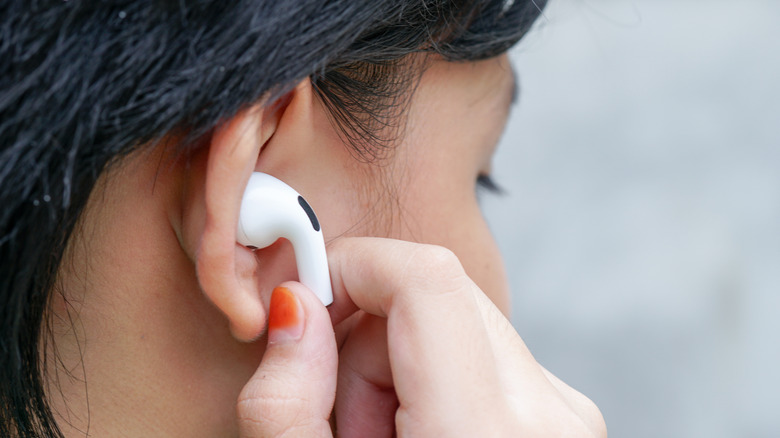
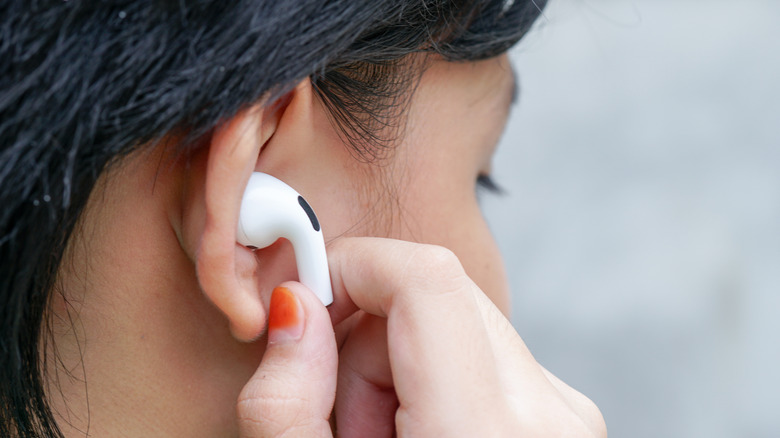
If you primarily use an iPhone or Mac, no other pair of headphones comes close to the level of convenience that the AirPods lineup provides. Despite the lack of true Bluetooth multipoint, AirPods can effortlessly switch between Apple devices as you’re using them. With the AirPods Pro 3, you get industry-leading active noise cancellation, spatial audio with head tracking, and a force touch sensor for easier playback control. Many of these features have also made their way to the entry-level models, and this is something we talk about in our review of the AirPods 4.
Even the freshly updated AirPods Max 2 have a loyal user base owing to their comfortable design, Apple ecosystem perks, and ANC performance. While sound quality is excellent as expected, the AirPods lineup is also well-known for its microphone quality. Despite the shorter stem of the AirPods Pro, the beamforming microphone does a surprisingly good job of capturing clear audio during calls. However, if you’re hearing complaints about poor audio quality from the person on the other end, it’s a good time to investigate potential issues with your AirPods’ microphone.
Start by checking to see if there’s any dust or debris covering the microphone holes on your AirPods. Now is a good time to safely clean your AirPods using isopropyl alcohol wipes. If you’re using third-party attachments with your AirPods, like ear hooks, make sure they aren’t physically blocking the microphone. AirPods are water-resistant, but too much moisture may damage the internals or cause muffled audio.
Troubleshooting your AirPods’ microphone
Adnan Ahmed/SlashGear
Physical obstruction is not the only cause behind poor microphone quality on AirPods. Network instabilities may sometimes impact audio quality on Bluetooth accessories. Assuming you’ve already tried to restart your AirPods by putting them back in the case, it might be a good idea to also restart your iPhone, iPad, or Mac. For a quick soft network reset, toggle airplane mode on and off. If this fails, navigate to Settings > Bluetooth, tap the tiny “i” button next to your AirPods model, and tap “Forget This Device.” Pair your AirPods again and check to see if this solved your microphone issues.
By default, the AirPod that has fewer obstructions and a better connection will automatically be selected for microphone use. However, Apple lets you manually pick which AirPod’s microphone is always used. You can play around with these settings to find an optimal setup. Although modern electronics are designed to handle a fair amount of wireless traffic, network interference caused by other devices could also affect your AirPods’ connection with your iPhone.
AirPods continually receive firmware updates that bring new features, but more importantly, those that squash bugs. There’s no direct way to update your AirPods via your iPhone or Mac. To force updates, place your AirPods in their charging case and connect them to a charger. Bring your connected iPhone, iPad, or Mac close to your AirPods and leave them be for a while.
How to reset your AirPods
photoschmidt/Shutterstock
If you’ve thoroughly cleaned your AirPods and have attempted common troubleshooting steps, all to no avail, it’s worth performing a factory reset as a final resort. Depending on which model you own, the steps to reset your AirPods may vary slightly. For AirPods and AirPods Pro that have a physical setup button on the case, start by tapping “Forget This Device” in your iPhone or iPad’s Bluetooth settings. Next, with the AirPods still in the charging case and the lid open, press and hold the setup button at the back for 15 seconds. The status light should flash amber, then white.
If you own AirPods 4 or AirPods Pro 3, you won’t have a physical button. Instead, setup and pairing are handled by a capacitive touch sensor on the front. Once you’ve forgotten your AirPods on your device, with the lid open, double-tap the front of the case. Double-tap again when you see the status light flashing white. Double-tap a third time when the light flashes faster. You should see the status light flash amber, then white — this signals that your AirPods have been successfully reset.
To reset AirPods Max, press and hold the noise control button and Digital Crown for 15 seconds until you see a similar flashing pattern. If all else fails and you suspect your AirPods may have been physically damaged, then a quick visit to an Apple-authorized service center can help diagnose the issue more quickly.
Every woman’s body, including their monthly menstrual cycle, is different. For example, some experience moderate cycles that last a full seven days, others may have shorter and lighter periods, and still others may experience heavy bleeding for more than seven days each month. While variation in bleeding can be normal, if bleeding occurs between monthly cycles, it can be a cause for concern.
According to the Journal of Endometrial and Uterine Disorders, abnormal uterine bleeding (AUB) involves bleeding that happens outside of the regular menstrual cycles. Symptoms include spotting or heavy bleeding on an unexpected basis, as well as severe pain and cramping.
AUB, also known as menometrorrhagia, is not uncommon. In fact, research published in the British Medical Journal estimates that the condition impacts between 20-50% of women at some point during their reproductive years. Review this brief guide to learn about the symptoms as well as the treatment options available.
Common Causes of AUB
The causes of abnormal uterine bleeding can vary, as they are related to a range of medical issues and even certain medications. According to the Mayo Clinic and the American College of Obstetricians and Gynecologists, these are some of the most common causes of AUB.
Hormonal Issues
Hormones play a significant role in uterine bleeding as they are the primary factor behind the regulation of menstrual cycles. Hormonal imbalances most frequently occur in women just beginning menstruation and those who are beginning menopause.
Hormonal imbalance and uterine bleeding are often intertwined, and an imbalance can result in one of the following causes of abnormal uterine bleeding:
Polycystic Ovary Syndrome (PCOS)
This common condition involves multiple cysts on the ovaries, impacting hormone balance by increasing androgen hormones. PCOS is one of the primary causes of irregular periods, decreased fertility, acne, facial hair growth, and thinning hair.
Thyroid Disorders
Thyroid disorders refer to any issues related to the thyroid that prevent it from creating hormones that impact the body’s major functions. Both hyperthyroidism (excessive thyroid hormones) and hypothyroidism (low thyroid hormones) can cause irregular periods, missed periods, or heavier/lighter bleeding.
Noncancerous Growths
Noncancerous (or benign) growths found in the uterus can also cause abnormal uterine bleeding.
In some cases, bleeding can result from growths that create a blockage; in others, the growth can bleed, resulting in AUB. Some kinds of growths that can happen in the uterus include:
Polyps
These growths are found in the inner lining of the uterus and are connected to the lining by either a thin stalk or a large base within the uterus. While they are usually benign, they can create issues with bleeding or fertility if they are not treated.
Fibroids
Uterine fibroids are a kind of noncancerous tumor found growing either in or on the uterus. Symptoms are not always experienced, but the most common include back pain, painful sex, frequent need to urinate, and heavy bleeding.
Endometriosis
Endometriosis refers to an inflamed inner lining of the uterus caused by infection. It can occur suddenly (acute endometriosis) and last only a short time, such as after birth, miscarriage, or surgery involving the cervix or uterus. Chronic endometriosis often occurs after menopause or after certain sexually transmitted infections.
Certain sexually transmitted infections (STIs) or other types of infections can result in abnormal uterine bleeding.
Some of the most common infections that can cause bleeding include:
Cervicitis
Most often caused by an STI, this infection occurs when the cervix has become irritated and inflamed. Some symptoms that may be experienced are pain during sex, unusual vaginal discharge, or irregular bleeding.
Chlamydia
This common STI can be spread through vaginal sexual intercourse, oral sex, or anal sex. As there are often no symptoms associated with chlamydia aside from irregular bleeding, regular screenings are suggested.
Urinary Tract Infections
UTIs aren’t an indicator of uterine bleeding but of an issue within the urinary tract itself. However, if you notice blood when wiping that occurs outside of your menstrual cycle, it may result from a UTI rather than uterine bleeding.
Medications and Devices
Some medications and medical devices that are meant to treat menstrual or bleeding issues can cause irregular or heavy uterine bleeding.
Medications may include:
Blood thinners and aspirin
Intrauterine devices
Some kinds of birth control
Tamoxifen, a drug used to treat breast cancer
Other Medical Issues
There are several other medical conditions that can also contribute to abnormal uterine bleeding.
These include:
Pregnancy
While light spotting can occur when the zygote is implanting during early pregnancy, heavier bleeding during late pregnancy can be the result of a serious complication like polyps, infection, placental abruption, or cervical insufficiency. If you are pregnant and begin bleeding, contact your healthcare provider right away.
Miscarriage
Progressively heavier bleeding during pregnancy can indicate a miscarriage. Miscarriage can result from an issue with the developing fetus or one of the issues above.
Ectopic Pregnancy
An ectopic pregnancy occurs when the embryo grows in the fallopian tube, which is not designed to support a growing fetus. Abnormal uterine bleeding can indicate an ectopic pregnancy.
Blood Clotting Disorders
Clotting disorders affect the body’s ability to control its clotting function, either producing excessive clots that don’t result from injury or excessive bleeding. A side effect of treatment for excessive clotting can result in heavy bleeding.
Abnormal Uterine Bleeding Symptoms to Watch For
Typical menstrual cycles can last anywhere between 21 and 35 days, beginning the first day of menstruation, when endometrial lining is shed from the uterus if an egg has not been fertilized. The period usually lasts between five to seven days.
Bleeding that occurs after the cycle has finished is considered abnormal. Other symptoms can indicate a serious underlying issue as well.
Symptoms that are important to watch out for include:
Bleeding or spotting after a menstrual cycle
Bleeding or spotting after having sex
Bleeding after starting menopause
Having a menstrual cycle lasting longer than 35 days or less than 21 days
Irregular periods, including having a period more often than the 21-day cycle, and the cycle extending to longer than eight days
Very painful menstrual cycles
Experiencing extreme tiredness
Experiencing symptoms of anemia, such as weakness and shortness of breath
Heavy Menstrual Bleeding
Heavy menstrual bleeding is a common way many women experience abnormal uterine bleeding.
Some symptoms include:
Needing more than one sanitary napkin to contain the flow
Soaking through one sanitary napkin each hour consistently throughout several hours
Bleeding for longer than seven days
Waking up throughout the night to change a sanitary napkin
Having blood clots that are larger than the size of a quarter
Feeling extreme fatigue or out of breath due to loss of blood
Periods that involve heavy bleeding and extreme cramping can make it very difficult for a woman to function normally. Suffering through painful and heavy periods does not have to continue, however, as heavy period treatments are available.
Uterine Bleeding After Menopause
Menopause refers to the time when a woman has stopped getting a monthly cycle for at least twelve months consecutively. Even though the menstrual cycle has finished in menopause, bleeding can still occur.
There may be several reasons for bleeding during and after menopause, such as:
Weak uterus due to hormone deficiencies
Endometrial hyperplasia
Polyps
Hormone replacement therapy
Some kinds of cancers involving the female reproductive system
Uterine bleeding and menopause can occur at the same time, but it is typically a cause for concern, which is why it is important to seek medical attention. Seek comprehensive and compassionate care for menopause with Arizona Gynecology Consultants menopause services.
When to See a Doctor
Abnormal uterine bleeding can be alarming, but it is not always a reason to call your doctor. Certain symptoms, however, are indicative of a severe issue or an issue that has gone unnoticed and untreated.
Some signs of when to see a doctor for heavy bleeding include:
Bleeding heavily and leaking through one sanitary napkin for more than two hours at a time
Bleeding even after you have completed a menstrual cycle
Bleeding or spotting after menopause
Severe pain or cramping if you are not currently having a period
Bleeding for longer than seven days
Bleeding while also experiencing chest pain, dizziness, difficulty breathing normally, and fever
Having periods at unpredictable times
Bleeding while also experiencing anemia (including weakness or difficulty breathing)
Even if you don’t believe your symptoms are indicative of a severe issue, if they are making daily life difficult, discuss them with your doctor to pinpoint the cause and explore available treatments.
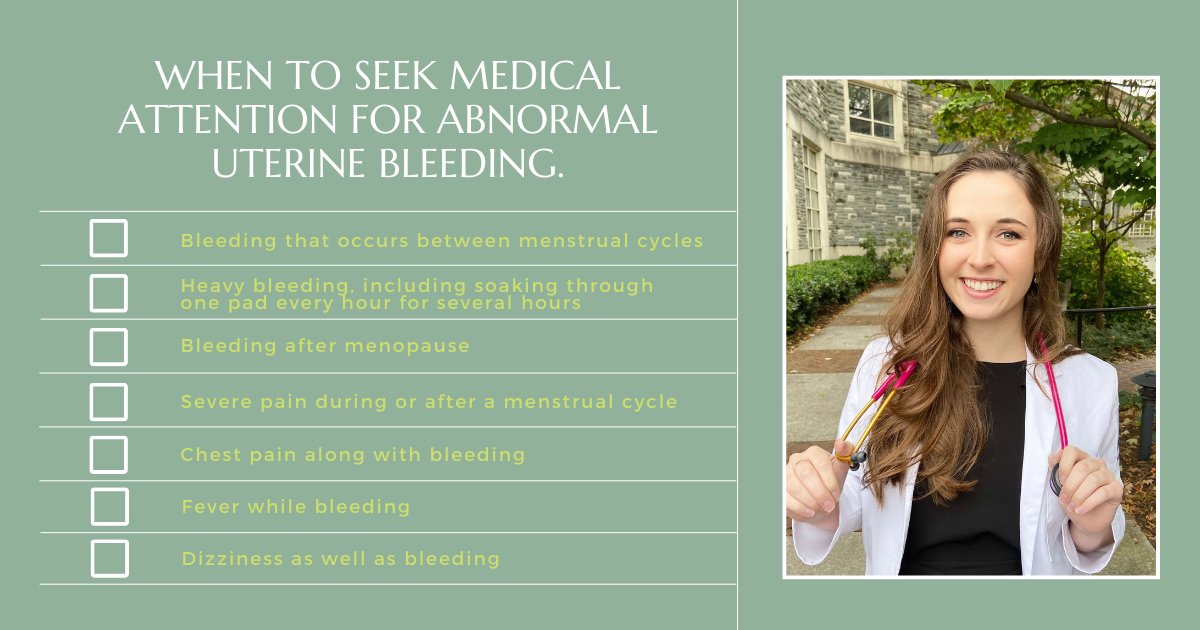
When to Seek Medical Attention for Abnormal Uterine Bleeding:
Bleeding that occurs between menstrual cycles
Heavy bleeding, including soaking through one pad every hour for several hours
Bleeding after menopause
Severe pain during or after a menstrual cycle
Chest pain along with bleeding
Fever while bleeding
Dizziness as well as bleeding
Diagnosis and Treatment Options
While a diagnosis of menometrorrhagia (or abnormal uterine bleeding) can occur without a known cause, a physician must identify the cause to assess your treatment options. This means that they will need to review your medical history, consider your age, the symptoms you are experiencing, and whether you have any known conditions that can result in AUB.
Blood tests may also be necessary to determine whether you have an infection and to check your hormone levels. Additional biopsies may be necessary to eliminate the possibility of cancer.
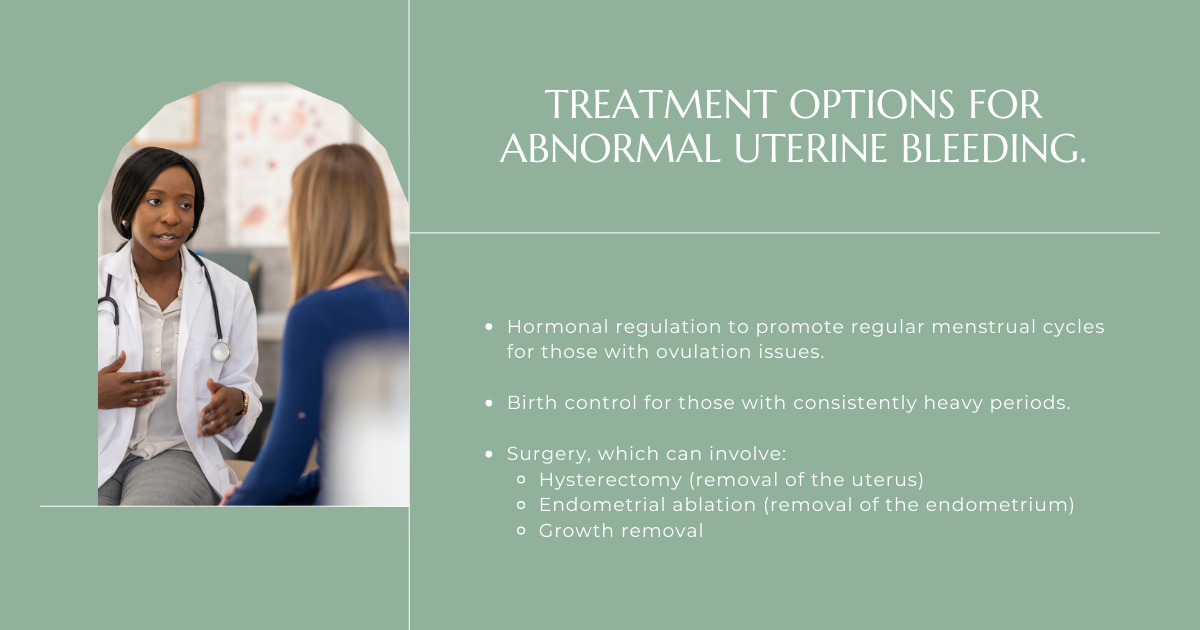
Treatment Options
Depending on the cause of the bleeding, there are several different treatment options available.
Some of these treatments include:
Hormonal regulation to promote regular menstrual cycles for those with ovulation issues.
Birth control for those with consistently heavy periods
Surgery, which can involve:
Hysterectomy (removal of the uterus)
Endometrial ablation (removal of the endometrium)
Growth removal
Abnormal Uterine Bleeding FAQs
Abnormal uterine bleeding can cause valid concern. While we recommend consulting with your doctor about your specific issues, we’ve answered some commonly asked questions relating to AUB:
Is There a Difference Between Chronic and Acute Abnormal Uterine Bleeding?
AUB is considered a chronic issue if it continues to occur for at least six months. If the abnormal bleeding has occurred suddenly and unexpectedly, then this is considered acute abnormal uterine bleeding. Keeping a log can be helpful for determining the frequency.
Is There a Certain Age When Abnormal Uterine Bleeding Is More Common?
While irregular bleeding can happen to women of all ages, it is more common for women in certain stages of life. Abnormal uterine bleeding is more common between the ages of 9 and 14, when a girl begins getting regular menstrual cycles. It is also common for women approaching perimenopause (the time before menopause), typically around the age of 50. During perimenopause, periods can be irregular, or the flow may become heavier or lighter.
Who Is at Risk for AUB?
Women who are of age to reproduce are at risk for developing AUB.
Additional risk factors for AUB can include:
Adolescence
Perimenopause
Obesity
The use of blood thinners
The use of an IUD
Schedule a Visit with Arizona Gynecology Consultants
Our experienced team is here to guide you toward the best treatment options—schedule your visit today.
*Editor’s Note: This article was originally published April 2, 2017 and has been updated May 5, 2025.
Resources:
Chen, M.-J., Luo, L., Liu, Y.-Y., Liu, M.-E., & Hsu, Y.-C. (2024). Heavy menstrual bleeding and outcomes in women: A narrative review. Taiwanese Journal of Obstetrics & Gynecology, 63(1), 7–13. https://doi.org/10.1016/j.tjog.2023.11.006
Munro, M. G., Fraser, I. S., & Archer, D. F. (2022). Abnormal uterine bleeding in reproductive-aged women. BMJ, 378, e070906. https://doi.org/10.1136/bmj-2022-070906
To provide the best experiences, we use technologies like cookies to store and/or access device information. Consenting to these technologies will allow us to process data such as browsing behavior or unique IDs on this site. Not consenting or withdrawing consent, may adversely affect certain features and functions.
Functional
Always active
The technical storage or access is strictly necessary for the legitimate purpose of enabling the use of a specific service explicitly requested by the subscriber or user, or for the sole purpose of carrying out the transmission of a communication over an electronic communications network.
Preferences
The technical storage or access is necessary for the legitimate purpose of storing preferences that are not requested by the subscriber or user.
Statistics
The technical storage or access that is used exclusively for statistical purposes.The technical storage or access that is used exclusively for anonymous statistical purposes. Without a subpoena, voluntary compliance on the part of your Internet Service Provider, or additional records from a third party, information stored or retrieved for this purpose alone cannot usually be used to identify you.
Marketing
The technical storage or access is required to create user profiles to send advertising, or to track the user on a website or across several websites for similar marketing purposes.