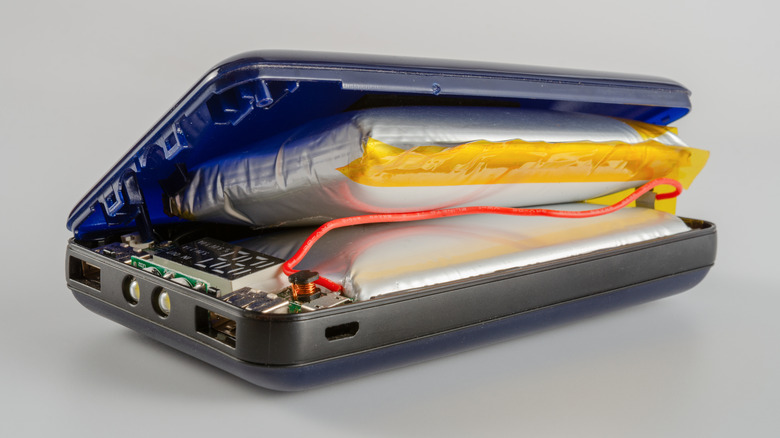

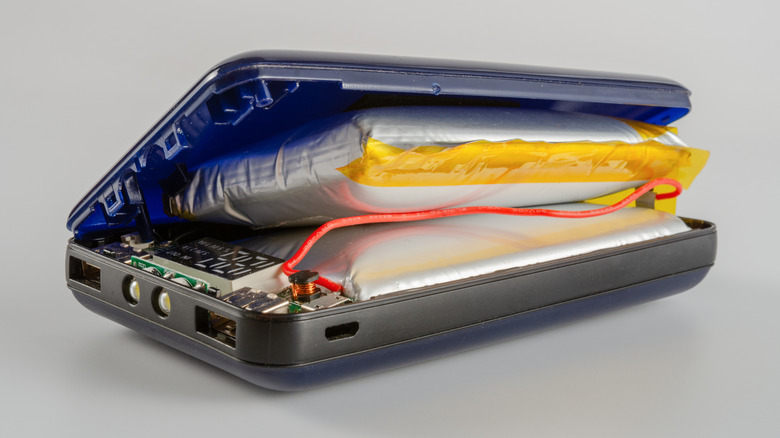
Overnight charging is one of those heavily debated topics in the tech community. Is it bad for the battery? Is it dangerous? While people have started embracing that for handsets that charge too slowly, the answer is more complicated for power banks. Power banks pack significantly larger capacities and therefore carry more risk when left charging for longer durations.
These devices store energy using lithium-ion or lithium-polymer cells, and when those are left charging past full capacity without proper safeguards, the internal chemistry can become unstable. That instability can cause what’s known as thermal runaway. That’s when the battery temperature spikes and essentially feeds itself in a loop of escalating heat. It’s actually one of the main reasons why lithium batteries catch fire.
Other reasons include physical damage, prolonged heat exposure, and incompatible cables. When even one of these factors are combined with charging on your bed or under a pillow, they can turn lethal, since there’s nowhere for the heat to go then. In fact, earlier this year, a Los Angeles reporter had her portable charger explode in her bed at 5 a.m., leaving her with chemical burns and a hole in her mattress.
Of course, not every power bank is going to spontaneously explode when put on charge overnight. But even without it, overcharging can cause the degradation of cells over time, which reduces their capacity. And when cells degrade, they tend to swell.
So should you actually avoid charging overnight?
Like modern smartphones, many power banks have built-in battery management systems that stop pulling power once they hit 100%. But even with the same protection as phones, power banks again pack significantly larger batteries, sometimes as large as 25,000mAh. Meanwhile, the average smartphone packs less than a quarter of that. More capacity means more stored energy, more heat potential, and a longer window where things can go sideways if something malfunctions.
That may sound scary. But the good news is that most reputable manufacturers say you don’t need to worry too much. According to UGREEN’s blog, “with advancements in technology, power banks can now be safely charged overnight.” Meanwhile, Ambrane’s charging guide mentions that most modern power banks include protections, which makes the occasional overnight juice-up “generally safe.” That said, not every brand agrees. Anker’s safety guide does recommend avoiding overnight charging entirely. But then again, many other brands are okay with it.
Where you do need to be more mindful than usual is with older or cheap power banks, which can damage your phone in more ways than one. Cheaper power banks often lack the safety certifications — like UL, CE, or FCC – that guarantee basic protections against overcharging and short circuits. Also, keep in mind that before a power bank turns dangerous to use, there are warning signs – like swelling, strange smells, or excessive heat. Just stop using the device if you notice any of these.

Stephan is the sports journalist for the Maple Grove Report.