Waymo Eyes Portland for Robotaxi Expansion, With Testing Already Underway


Waymo continues to add self-driving robotaxis to more US cities. On Tuesday, the company announced its next location: Portland, Oregon. Portland will join Los Angeles, San Francisco, Miami, Orlando and a handful of other cities.

While Waymo hasn’t announced an official launch date, the company — which is owned by Google’s parent company, Alphabet — is sending human drivers out in its vehicles to familiarize its Waymo Driver technology with Portland’s streets.

The city’s mayor is on board. 

“We need every tool to help us meet our Vision Zero goals, and autonomous technology plays an increasingly important role in providing a safe, thriving, affordable multimodal transportation system,” said Keith Wilson, mayor of Portland, in Waymo’s press release. Vision Zero is a Portland program aimed at eliminating traffic deaths and serious injuries.

In the press release, Waymo said that it believes Portland’s independent spirit and sense of community make the city a fitting place for Waymo’s expansion. Some of those independent community members, though, have different opinions.

Opposition to Waymo in Portland

According to Oregon Live, opposition to Waymo’s plans centers on safety, accessibility, the potential for human ride-hailing drivers to lose income and the need for permits to drive autonomous cars on Portland streets. 

A Waymo representative told CNET that the company seeks a formal statewide regulatory system authorizing its technology before beginning public service. For this, the company will follow its own safety framework and must obtain the necessary permits. 

According to Waymo, its technology has a serious-injury crash rate about 13 times lower than that of human drivers in the cities where it operates.

Portland’s history with new transportation services

Oregon Live reports that city records show that Waymo spent thousands of dollars lobbying Portland city officials in late 2025. That may have smoothed the way for a proposed bill that would have allowed self-driving vehicles in Oregon without a license or permit. That bill failed to pass.

Uber’s 2014 entrance into Portland also met opposition.

According to Oregon Public Broadcasting, the Portland City Council is considering a measure that would raise pay for Uber and Lyft drivers, reducing the companies’ own profits. If that proposal passes, both companies have said they’d leave the city. 


Source link

Leave a Reply

Subscribe to Our Newsletter

Get our latest articles delivered straight to your inbox. No spam, we promise.

Recent Reviews


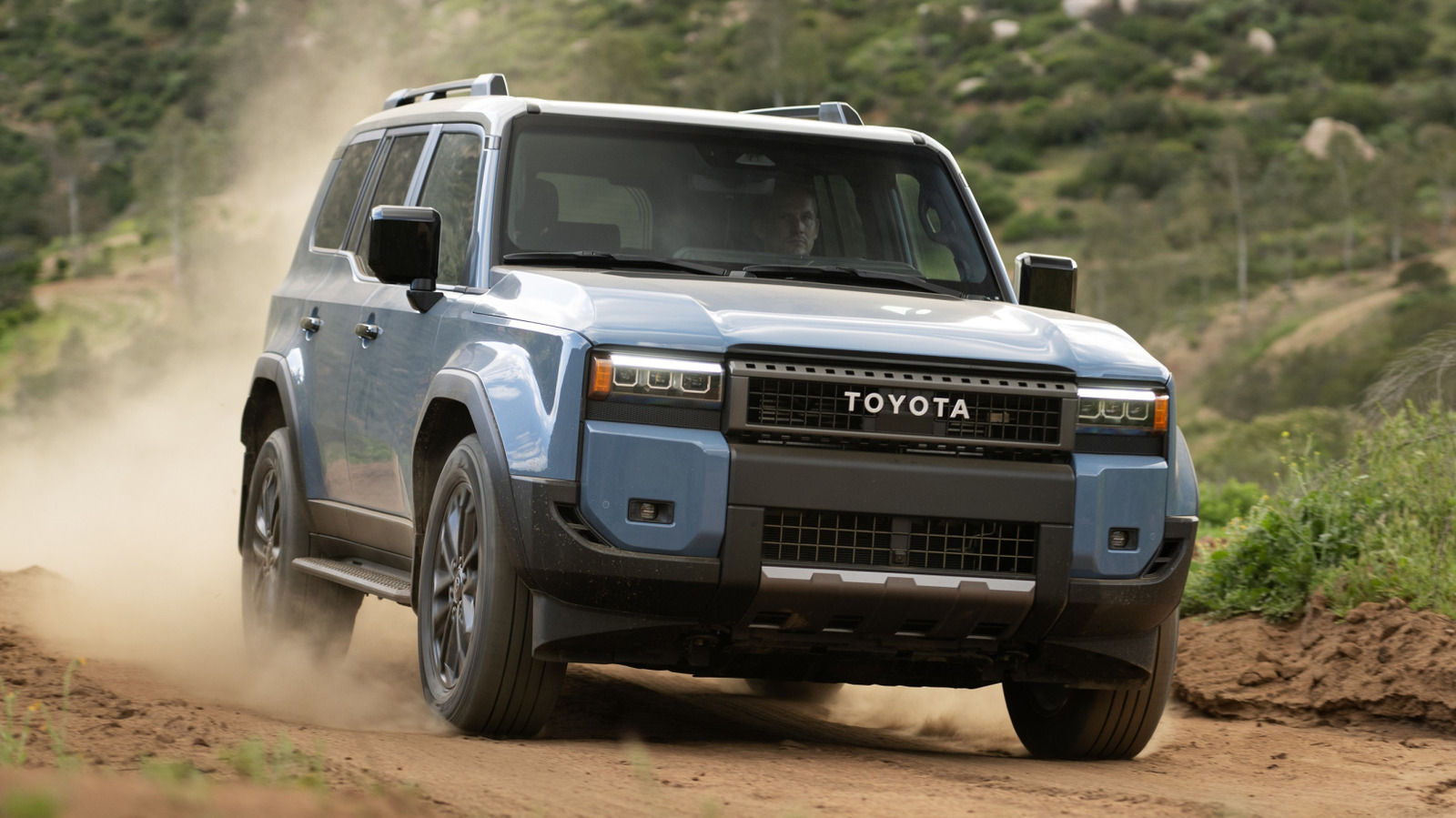
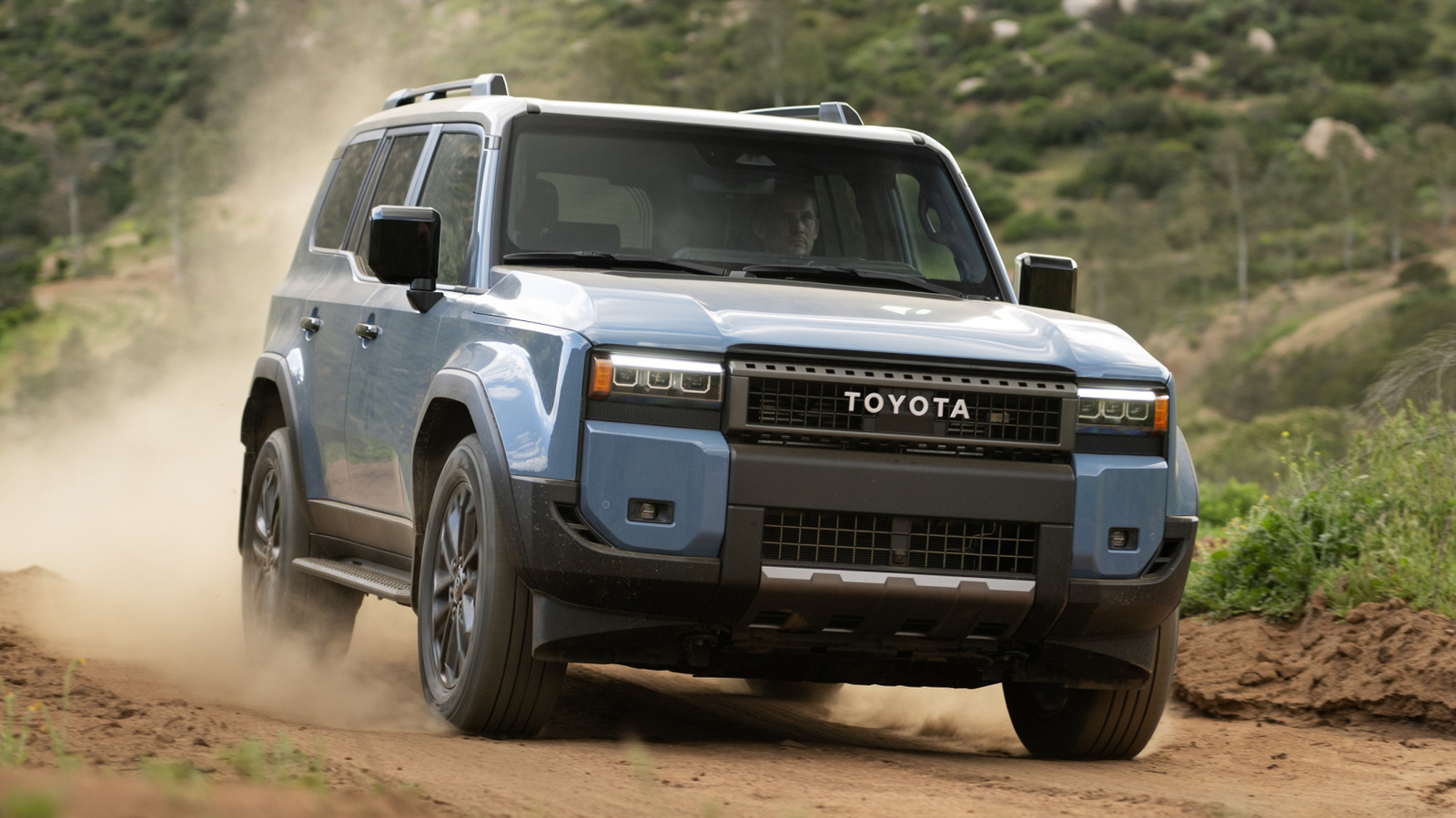
Virtually every new SUV will depreciate in value over its life as the miles rack up and components start to wear out. However, some of them depreciate much faster than others. At one end of the spectrum, there are some models from the likes of Cadillac, Tesla, and Infiniti, all of which can lose close to two-thirds of their value after just half a decade on the road. That makes them some of the worst-depreciating SUVs on the market. At the other end, there are SUVs like the Toyota Land Cruiser.

The exact resale value of any used car will depend on factors like its trim, condition, and mileage, but on average, Land Cruiser owners can expect a higher trade-in value than most rivals will fetch. According to data from CarEdge, a new Land Cruiser can be expected to lose around 35% of its original value after five years on the road, assuming it covers around 13,500 miles annually.

Estimates from iSeeCars make for equally encouraging reading for Land Cruiser owners, with the outlet estimating that after five years, a new example will lose just 34.4% of its sticker price. Even after seven years on the road, iSeeCars estimates that the average Land Cruiser will still be worth a little over half of what buyers originally paid for it.

The Land Cruiser holds its value well

The estimate from iSeeCars puts the Land Cruiser slightly ahead of average for value retention in the large hybrid SUV segment, and significantly ahead of the overall market average for new SUVs. According to the same data, the average new SUV can expect to lose 44.9% of its value over the same period, over 10% more than the Land Cruiser. That said, a different Toyota SUV is forecast to retain even more of its value.

Since the 2025 model year, both the Land Cruiser and the 4Runner have shared their platform and hybrid powertrains. However, according to current estimates, the 4Runner is the clear winner when it comes to resale value. Data from iSeeCars forecasts that a new, non-hybrid 4Runner is likely to lose only 25.4% of its value after its first five years, and CarEdge predicts almost exactly the same figure. According to the former outlet, a hybrid 4Runner will lose slightly more of its value over the same timeframe, shedding 28.6% on average.

While the 4Runner is the better choice purely for value retention, that only forms part of the equation for most buyers. The Land Cruiser remains appealing thanks to its mix of off-road capability and on-road refinement, with even the base 2026 trim offering plenty of standard features, despite missing out on the luxuries that higher trims include.


Source link