5 Cars With The Fewest Design Changes Over The Last 20 Years


Generally speaking, we can tell at a glance roughly when a car was produced. Different eras have different trends and their respective signifiers — the 1950s had fins, the 1970s were big and brown, the 1980s were boxy, the 2000s were retro and luxurious (which produced some truly strange designs) — the list goes on. And the cars themselves evolved right along with those times. For instance, despite a Ford Mustang having the same general shape, characteristics, and purpose, a layperson can easily tell that the 2006 and 2026 model years are from different timeframes even if they might not know what timeframes those are, specifically.

But what about cars that have changed so little, or in such minute expressions, that it’s genuinely difficult to tell? There have been many examples of such vehicles over the years, perhaps the most famous of which being the original iteration of the Volkswagen Beetle, still rocking its 1930s-era design up until 2003. A surprising amount of cars followed this trend, in fact: the Fiat 124 / Lada Riva, full-size Jeep SJ Wagoneer, classic Mini, and many others. But most of these went extinct around the turn of the millennium — what about cars that are still in production today?

Obviously, regulations and safety technology has vastly changed between 2006 and today, so let’s exclude things like mandatory backup cameras, interior alterations, and so on — these factors are all compulsory on new cars. Instead, let’s look at the pure design formula: Which cars are fundamentally the same thing, design-wise, from 2006 (model year 2007) to two decades later? There’s quite a few, even some you might see every day.

Chevrolet Express / GMC Savanna cargo van

If you want to talk about vehicles that hardly ever change, almost any conversation must start or contain this van. Bluntly speaking, good luck figuring out what year it is without any hints from the VIN plate, because the Chevrolet Express has remained in continuous production through just one generation since 1996. It underwent exactly one facelift, adopting the mid-2000s “cat-eye” GM look in 2003. But aside from minor front fascia changes depending on year and trim, this van has remained fundamentally the same car since its inception. If it isn’t broken, why fix it?

A lot of cargo and fleet vehicles follow this same philosophy, actually. Take for example the Ford Econoline, which ran up to 2013 as a van before Ford replaced it with the Transit in America — you can still buy an E-Series as a cutaway today, and the Transit serves as the basis for most modern budget-friendly camper vans. But the Chevy Express is relatively unique (at least on American roads) for still wearing the same furniture as it did over a decade ago to the point where, apart from what is absolutely mandatory, even the interior is relatively unchanged from the 2000s edition.

That isn’t to say that the 2026 Chevy Express is quite literally the same truck as it was in the 2000s. Despite being built on the same platform with one generation, GM has made incremental improvements throughout its life cycle. Changes such as new engines and transmissions, dashboard designs, safety features, suspension and chassis reinforcements, and more have kept the humble Express thoroughly modernized — though you’d be forgiven for not believing that fact when looking at how they changed on the outside over the years.

UAZ-452 Bread Loaf

Not many automotive designs, period, make it over a half a century without a single substantial exterior change, much less remain in production today. While relatively obscure in the Western world, make no mistake here — this van is the current undisputed champion of anachronisms on four wheels. Known colloquially as the “Bukhanka,” or “Bread Loaf” in Russian, the UAZ-452 began its life in 1958 as the Eastern Bloc’s first serious take on a 4×4 minibus concept.

It was an idea born from the frozen fields of the Eastern Front, with the USSR recognizing the need for a capable, universal military utility truck — basically a halfway point between the Jeep-sized GAZ-69 and larger flatbeds. Bear in mind the landscape that such a vehicle would have to operate in — the Siberian tundra froze over in the winter before thawing into muddy summers. All-terrain capability is effectively a requirement for most Soviet transport and logistics vehicles, and the Bukhanka proved itself particularly well-suited for the job. Its universal body shape could adopt a wide variety of roles, from providing emergency services to serving as a modern overlanding and camping truck.

As for the list of changes over the years, well, the engine is slightly bigger than it used to be — it’s now a 112-horsepower inline-four situated between the driver and passenger. It also received new mirrors and uprated lights, along with certain conveniences like power steering. And that’s basically it; the Bukhanka is, ostensibly, identical in almost every way to its original configuration, and it’s just as capable today as it ever was. It’s easily one of the USSR’s best designs, certainly in comparison to their atomic-powered fever dream of a car.

Toyota Land Cruiser (J70)

At first glance, this entry seems somewhat confusing — the Land Cruiser has evolved far beyond this body style, after all. In fact, the United States’ version of the Land Cruiser is actually the Land Cruiser Prado, with the “true” Land Cruiser is the full-size Lexus LX. And outside the U.S., that beast of an SUV is still called the Land Cruiser. So what’s with the obviously 1980s-era J70? Believe it or not, some markets (including Japan) still field this rugged off-roader nearly unchanged from its 1984 debut, namely those with high demand for a true no-frills off-roader like Australia and South Africa.

The 70-series Land Cruiser was initially launched as the successor to the venerable 40-series, that boxy 4×4 take on the Jeep. It was offered in a wide array of body styles on various wheelbases, a versatility afforded to it by being a body-on-frame design — meaning the body sits on top of a ladder frame, like any other truck. It’s received various updates throughout the years as well, including new engines, transmissions, coil suspension, and more. But the only way to differentiate one year from another at a glance relies upon the front fascia.

Much like the Chevy Express, the J70 Land Cruiser received one major facelift, which updated the front end with newer square headlights, mimicking other 2000s-era Toyotas. However, as of 2024, the J70 has once again reverted to those classic round headlights while keeping a near-identical silhouette to the original. Sure, it’s now got more modern tech inside, but buying this truck in 2026 is genuinely the closest one can get to buying a 1980s 4×4 brand-new — unless you’re in the United States, as it doesn’t meet current U.S. emissions standards.

Jeep Wrangler

This one may draw some ire at first, certainly because the Wrangler underwent a major generational change between the JK’s debut in August 2006 and today. And that’s true; the JK and subsequent JL Wrangler models are quite different under the hood, featuring all-new powertrains, interior designs, upgraded functional items like axles and tires, and so on. They are two different beasts, or more accurately, the JL is an improvement upon the JK’s formula. But then you pass one in traffic, and if it wasn’t for the grille being at a different angle, we’re hard-pressed to find the difference.

Let’s face it: The underlying formula of the Wrangler hasn’t exactly evolved much since the 1940s. At the end of the day, it’s an off-road capable 4×4 with a removable top, foldable windshield, and removable doors; there’s only so many ways you can slice that. But then we look at modern vehicle design trends. Specifically, trucks like the Bronco and (the more modern) Land Cruiser have retro-inspired designs harkening back to the good old days of function before form. The Wrangler never really needed such a refresh; it was, frankly, just always like that.

From the exterior-mounted door hinges to the wide fender flares and the seven-slotted grille to the arrogantly boxy silhouette, it still looks far closer to its late-half 2000s self than most other cars on the road. That certainly doesn’t make the design less characterful, but we must concede that it is basically the equivalent of a different person wearing the same outfit.

Morgan Plus Four

Have you ever yearned for the days when the British roadster was a lightweight, sporty go-kart powered by a peppy four-cylinder with all the safety features of holding a live firework in your hand? Apparently, so too did British carmaker Morgan, so much so that the company simply never stopped production of its rendition: the Plus 4, or Plus Four in modern parlance. And yes, that is an important distinction, because the Plus Four represents a generational leap over the original 1950 Plus 4, which ended production in — ready for it — 2020. Yes, this spritely roadster was in production for 70 years with a single generation.

Fast forward to the modern era, and surely there’s no place for such a car on today’s roads, no? Again, not according to Morgan, which somehow managed to draft a brand-new car that looks nearly identical to the old model and have it pass modern tests enough to sell in the U.S. Granted, this is a coachbuilt car, hand-crafted by a low-volume manufacturer on a per order basis for around the same price as a well-equipped Corvette. This is truly a car for someone who knows exactly what they want and has the means to get it: A brand-new 1950s-era roadster with a warranty sticker.

Much like all of the other vehicles on this list, the Morgan Plus Four satisfies that specific demand — albeit with a smaller customer base — so well that it simply never had to change. Apart from kit cars like a Caterham, this vehicle is truly unique in the enthusiast motoring world, and good luck distinguishing it from the original without looking at the interior or LED headlights.


Source link

Leave a Reply

Subscribe to Our Newsletter

Get our latest articles delivered straight to your inbox. No spam, we promise.

Recent Reviews


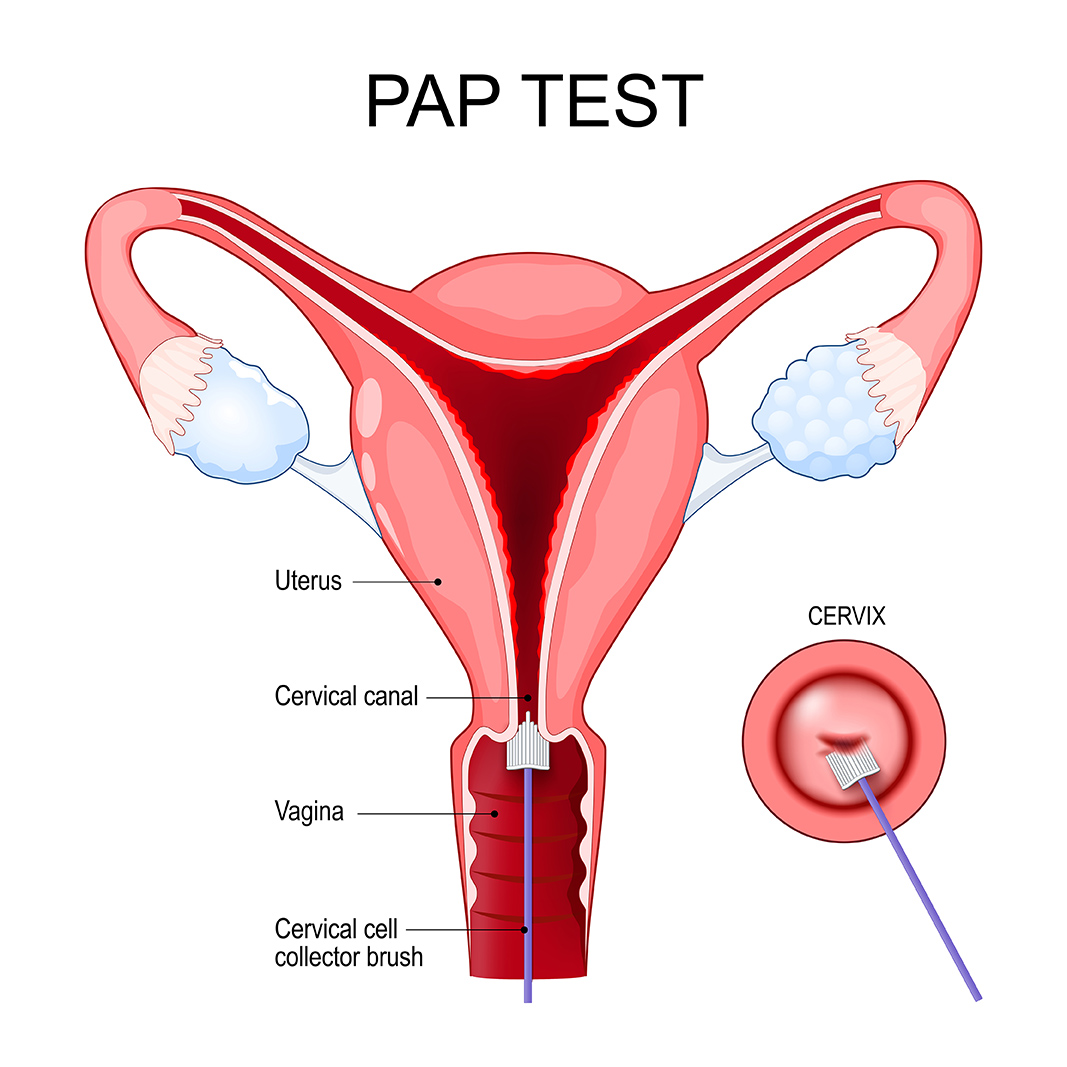
A Pap test, also known as a Pap smear, is a screening procedure that checks for changes in cervical cells. If changes occur over time, it may indicate a problem that requires further investigation. In fact, a Pap test is one of the most effective ways of preventing cervical cancer by catching changes early. However, there are different causes of abnormal Pap tests. Most of these conditions are temporary and can be treated with the proper follow-up care.

Hearing that you’ve had an abnormal test can be scary, but these results aren’t uncommon. It doesn’t automatically mean you have cancer, which is a natural fear when hearing these results read. If you’ve received an abnormal result, there is hope. Most abnormal pap smears are attributed to expected and healthy outcomes that aren’t dangerous.

Explore the reasons for abnormal Pap test results, understand the abnormalities, and learn how follow-up steps can help you continue on your health journey with peace of mind and clarity. The team at Arizona Gynecology Consultants is here to support you every step of the way.

What Is a Pap Test and Why Is It Important?

A Pap test helps detect abnormal cell changes in the cervix. Your gynecologist will gently use a small brush to remove a small sample of cervical cells. These cells are then examined under a microscope to inspect for abnormalities. This screening can help doctors detect early signs of certain conditions, such as precancerous changes, cervical dysplasia, and infections.

Prevention is key, as cervical cancer usually develops slowly over time. Identifying cervical abnormalities early on can help you initiate intervention that will prevent negative changes from progressing. Pap tests are considered one of the most effective tools available in women’s healthcare.

An ideal Pap testing frequency depends on your age, health history, and whether you’ve had abnormal test results in the past.

Pap Test

The Centers for Disease Control and Prevention (CDC, 2025) recommends the following timeline for screenings: 

Ages 21-29

The first Pap test should be done around the age of 21.
After this, the CDC recommends repeating the test every three years or sooner if you have concerns.

30-65

Pap tests can be performed every three years. You may also opt for a Pap plus HPV co-test, which can be done every five years.

After 65

If your test results were consistently normal, Pap testing may no longer be necessary.

Since many cervical abnormalities are linked to the human papillomavirus (HPV), combining a Pap test with an HPV test can be beneficial. This is called HPV co-testing and is considered a more accurate screening than a stand-alone Pap test.

Pap tests are more than just a routine appointment or part of your yearly exam. This test can save lives by detecting problems early so you can schedule the necessary treatments to avoid more serious health issues in the future.

What Does “Abnormal” Actually Mean?

Receiving an abnormal Pap test result can be a frightening experience. You may automatically assume that this is a sign of cancer, but that’s not always the case. An abnormal test result simply means that changes have occurred in the cervical cells. This could have been caused by infection, irritation, or a virus, such as HPV. These indications may resolve on their own, while at other times, they may require closer monitoring.

According to the American College of Obstetrics and Gynecology (ACOG, 2025), Pap smear abnormalities can also be more specifically described as:

  • Atypical squamous cells of undetermined significance (ASC-US). This is the most common reason for an abnormal test. The designation simply means that the cells look unusual without a clear explanation and are often linked to HPV or mild irritation.
  • Low-grade squamous intraepithelial (LSIL). This result indicates a mild change, usually because of an HPV infection. Changes typically correct themselves, especially within younger patients.
  • High-grade squamous intraepithelial lesion (HSIL). An HSIL result typically indicates a more significant change in cells that may become precancerous without treatment. Your doctor may recommend follow-up testing after an abnormal Pap test with this result.
  • Atypical glandular cells (AGC). Detecting a change in glandular cells may require more detailed testing.
  • Atypical squamous cells cannot exclude high-grade squamous intraepithelial lesion (HSC-H). This indicates that abnormal changes are present in the cervical cells, raising concern that an HSIL lesion may be present.

Results can vary widely, from irritation to precancerous changes. Abnormal simply means that your doctor will want to examine you closely to find answers.

Common Causes of Abnormal Pap Results

HPV Infection

There are many reasons for an abnormal Pap test result, but most are treatable and temporary. Some examples include: 

  • HPV Infection – HPV and abnormal Pap results often occur together. High-risk strains can alter cervical cells, but many infections resolve without the need for medical intervention.
  • Cervical Dysplasia – This refers to precancerous changes in cervical cells and ranges from mild to severe. Dysplasia may require follow-up visits and additional treatment, but it is very treatable.
  • Infections – Various infections can cause abnormal results, such as yeast infections, bacterial vaginosis, and trichomoniasis, which is a sexually transmitted infection that can cause cervical irritation.
  • Inflammation or Irritation – Some causes of cervical inflammation can include:
    • Sexual activity shortly before your Pap test
    • Tampon use
    • A recent pelvic exam
    • Vaginal douching
  • Hormonal Changes – Menopause can lead to low estrogen levels, which can impact cervical cells. Pregnancy hormones can also temporarily alter cervical cells, making them appear abnormal.
  • Additional Benign Causes – Noncancerous growths, known as cervical polyps, can appear abnormal under a microscope. Additionally, if you’ve recently undergone surgery, the healing tissue can mimic an abnormal change.

While these causes of abnormal Pap smears can still sound concerning, most of them aren’t cancer or indicators of cancer.

Human Papillomavirus (HPV) and Its Role

Human papillomavirus (HPV) is the most common cause of abnormal Pap results. HPV comprises a group of viruses that are primarily transmitted through sexual contact. In 2024, the Centers for Disease Control and Prevention reported that over 43 million Americans had been infected with HPV (CDC, 2024).

HPV can be separated into two categories:

  • Low-Risk Types – These may cause genital warts, but it doesn’t lead to cancer.
  • High-Risk Types – These can cause cervical dysplasia. If left untreated, high-risk types may lead to cancer.

HPV causes changes in cervical cells by integrating its DNA with that of the host cells. This can make cells appear abnormal on Pap test results. Most people’s immune systems clear HPV naturally, and the affected cervical cells return to normal.

Because of this, Pap test follow-up steps are very important. If your test shows HPV-related changes, your doctor might recommend another Pap test in a year or a colposcopy after the abnormal Pap to get a better understanding of the cause.

Preventative measures can also help. The HPV vaccine is highly effective at protecting against dangerous strains of the virus alongside regular screenings.

What Happens After an Abnormal Pap Test?

If your Pap comes back abnormal, there’s no need to panic. An abnormal result doesn’t always mean cancer, but rather a result that is different from what’s expected. Your healthcare provider will review the results in more detail and determine the next steps for your care.

Sometimes, minor Pap smear abnormalities are due to infection, irritation, or recent intercourse. If this is the case, your AZGYN provider may suggest repeating the test in a few months to recheck the cells.

Because HPV and abnormal Pap results can be related, your provider may order a test for high-risk HPV strains. This test helps determine whether abnormal cells are linked to HPV, which is the main cause of cervical dysplasia.

If your Pap test results are more concerning, you may need a colposcopy. This in-office procedure involves your doctor using a scope to closely examine the cervix. If the area looks unusual, a small tissue sample may be taken for further study. The biopsy allows your doctor to examine the cervical cells directly under a microscope, confirming whether the changes are mild or significant.

Every woman is different. Your AZGYN provider considers your age, medical history, and test results when determining your follow-up care. It’s important to follow your provider’s instructions. Regular follow-up appointments ensure that problems don’t escalate.

Will I Need Treatment?

Cryotherapy Treatment for Abnormal Pap Smear

Learning you have an abnormal Pap result can be worrisome, but remember – many reasons for abnormal Pap test results don’t require additional treatment. Many changes are mild and tend to resolve on their own, especially in younger women.

Your AZGYN provider may recommend different management options depending on your age, health history, and type of cell changes.

Common options for treatment include: 

  • Cryotherapy – This treatment involves freezing abnormal cells so healthy tissue can grow back
  • Loop Electrosurgical Excision Procedure (LEEP) – The process involves removing abnormal cells with a thin electrical wire
  • Close Monitoring – Careful observation with repeated Pat tests and HPV testing can monitor for any changes

When caught early, most reasons for Pap smear abnormalities are highly treatable. That’s what makes screenings so important. Early detection can help prevent cervical cancer later on, giving you the confidence that you’re protecting your long-term health goals.

Preventing Abnormal Results

While not all abnormal Pap results can be prevented, you can take certain steps to reduce your risk of the associated conditions:

  • Practice safe sex to reduce your exposure to HPV, the most common cause of abnormal Pap smears. Using protection and limiting the number of sexual partners can also lower your risk.
  • Getting the HPV vaccine can be a powerful intervention tool. It protects against strains of HPV that are most likely to cause cervical cancer and precancerous changes.
  • Don’t skip annual exams. These visits enable your doctor to monitor your overall reproductive health and note any significant changes.
  • Get regular Pap tests in accordance with CDC guidelines for your age and health history.
  • Avoid douching or harsh vaginal products that can irritate cervical tissues, disrupt the natural balance of bacteria, and potentially leave you vulnerable to infections.
  • Maintain a healthy lifestyle by not smoking and supporting your immune system.

When to Call AZGYN

If you’ve had an abnormal Pap smear and haven’t followed up on the next steps, it’s time to make a call. Even if you’re feeling fine, follow-up testing is essential to understand the reasons behind the abnormal Pap result and its implications for your health.

You should also contact us if you’re experiencing symptoms, such as bleeding between periods, unusual discharge, or pain after intercourse. While these symptoms don’t necessarily mean something is wrong, they deserve attention from an experienced gynecological professional.

Additionally, if you’re due for a regular checkup, an HPV test, or a Pap test, scheduling an appointment with AZGYN can help you take charge of your health. Our caring team can guide you through what to expect, including testing and treatment options, and provide the support you need to care for your health and future.

You’re Not Alone, We’re Here to Help

AZGYN Review

An abnormal Pap test can feel overwhelming and frightening, but you’re not alone. With the right care and follow-up, most Pap smear abnormalities can be easily managed without much medical intervention.

At AZGYN, we can explain your results, answer any questions you may have, and guide you through the next steps and options. If you’ve had abnormal results or are due for screening, schedule a visit with us today. The team at AZGYN is dedicated to delivering compassionate, expert care, giving you confidence in your health and future.

Schedule a visit with us today. Arizona Gynecology Consultants offers locations throughout Phoenix and the surrounding areas.

Editor’s Note: This article was originally published Jul 9, 2017 and has been updated October 6, 2025.

Sources:

  1. Centers for Disease Control and Prevention. (2024, January 8). Cervical cancer screening. U.S. Department of Health & Human Services. https://www.cdc.gov/cervical-cancer/screening/index.html
  2. American College of Obstetricians and Gynecologists. (2023, February). Abnormal cervical cancer screening test resultshttps://www.acog.org/womens-health/faqs/abnormal-cervical-cancer-screening-test-results
  3. Centers for Disease Control and Prevention. (2023, October 6). About HPV. U.S. Department of Health & Human Services. https://www.cdc.gov/hpv/about/index.html

The post What Causes Abnormal Pap Tests? appeared first on AZGyn.


Source link