Health is Tim Cook’s defining legacy – and your Apple Watch proves it


gettyimages-1172329439

MediaNews Group/Mercury News via Getty Images / Contributor

Follow ZDNET: Add us as a preferred source on Google.


ZDNET’s key takeaways

  • The Apple Watch is one of Tim Cook’s biggest successes.
  • The device dramatically changed the wearables market.
  • During Cook’s tenure, Apple boosted its health offerings and research.

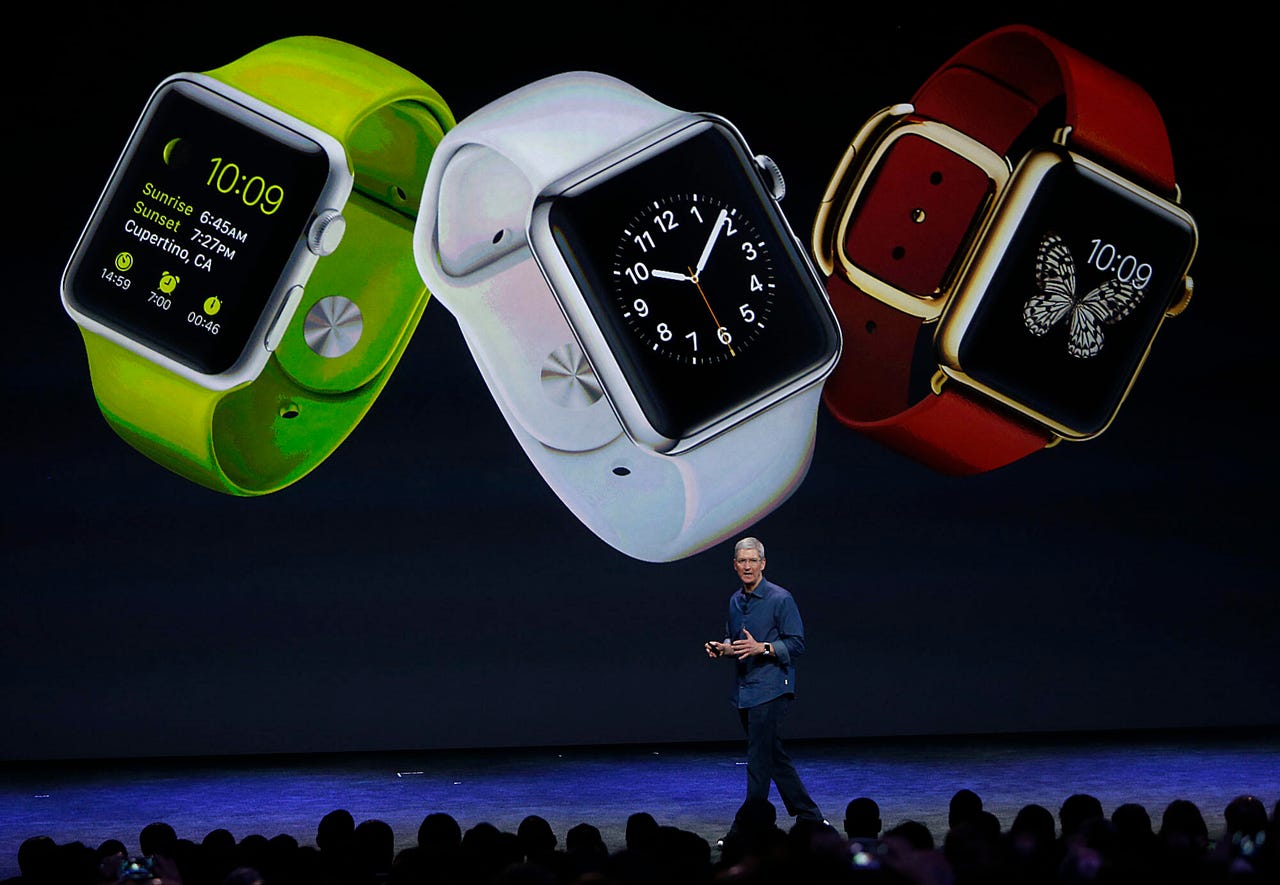
When Tim Cook unveiled the first Apple Watch in 2014, he called it the most personal product Apple had developed. He might not have predicted that the smartwatch could detect hypertension, catch atrial fibrillation, or save lives a decade later.

A few years into the Apple Watch’s existence, though, Cook’s vision for the device, Apple’s health agenda, and its connected ecosystem was fully formed. His tenure is marked by a legacy that leaves no aspect of present-day health technology untouched.

Apple’s CEO of nearly 15 years will step down in September, closing a chapter of exponential revenue growth, some of Apple’s most iconic product launches to date, and strides in consumer health tech in the company’s 50-year history.

Also: I walked 3,000 steps with my Apple Watch, Google Pixel, and Oura Ring – this tracker was most accurate

“If you zoom out into the future, and you look back, and you ask the question, ‘What was Apple’s greatest contribution to mankind,’ it will be about health,” Cook said to CNBC in 2019. This is a bold statement from the CEO of a company known for its smartphones.

The next great healthcare advancement could come from a tech company — not a healthcare company.

Here’s how Cook built one of the most formidable forces in health technology and why it will have a lasting impact across consumers and companies alike.

Early days for the Apple Watch

Before the Apple Watch, there were devices like the Fitbit and Nike’s FuelBand. These screenless pedometers turned step tracking into a social activity. On a daily basis, people began caring about hitting a step goal — and they finally had a device to prove it. Quantity of data, rather than quality, prevailed.

When Cook unveiled the Apple Watch in 2014, it debuted with a Workout app for logging various activities and a Fitness app that collected and displayed activity history. It was by no means an exercise device. The first-generation Apple Watch was simply an extension of the iPhone around your wrist, Ranjit Atwal, Gartner’s research director, said in an interview with ZDNET. It flirted with the idea of being a fashion statement (which failed) before moving in a health- and medical-minded direction several years later.

Also: Want a free Apple Watch? T-Mobile will give you the SE 3 – how to get yours today

Cook’s goal was to build Apple’s ecosystem through the iPhone, MacBook, Apple Watch, and AirPods, and get these products into as many hands as possible, Atwal said. Once enough people were wearing the smartwatch, Apple began rolling out safety and health features, like fall and car crash detection, and atrial fibrillation detection.

“Eventually Apple [figured] out that, because the Apple Watch was on the skin and closer to your body, that it could start monitoring these health functions,” Atwal said.

Apple’s research approach

There’s nothing that special about the hardware behind your favorite wearable. Most smartwatches and smart rings share practically the same sensors. The most valuable aspect of these devices is the algorithm behind the hardware, Safoora Khosravi, senior research associate for medical devices and diagnostics at Lux Research, said in an interview with ZDNET.

To be accurate, that algorithm must be trained on an extensive dataset. Apple quickly cracked the code on getting these robust datasets through its unconventional research initiatives.

Conducting a research study involving hundreds of thousands of participants across the country is costly, time-intensive, and near impossible for research institutions to carry out. These institutions need to pay participants and not only have a physical location for every participant to visit, but also have medical staff on site.

By getting consent from its users and tracking health data through these devices, conducting studies virtually through an app, Apple significantly reduced the upfront costs of research and development. This was huge for the company — and medical research — at the time, Khosravi explained. No other rival had done this with its smartwatch.

Apple spearheaded several studies whose data would eventually be used to create new health features. In 2018, Apple partnered with the Stanford University School of Medicine and conducted the Apple Heart Study through the use of an Apple Watch, app, and digital survey. It was an unprecedented virtual study that tracked longitudinal data across a large pool of Americans.

“The results of the Apple Heart Study highlight the potential role that innovative digital technology can play in creating more predictive and preventive health care,” said Lloyd Minor, dean of the Stanford School of Medicine, in a Stanford news article.

Also: Your next Apple Watch or AirPods could have life-changing features thanks to this new initiative

With more than 400,000 participants across 50 states, the study collected data on Apple Watch users with irregular heartbeats and notified them of possible atrial fibrillation. A year later, Apple launched its first FDA-cleared health feature, the ECG app, on Apple Watch Series 4. At the time, it was the first direct-to-consumer product that could take an electrocardiogram from a user’s wrist, Apple said in its announcement.

This research model helped Apple outpace its competitors, Khosravi said. “Apple was the first company that actually blurred the line between consumer wearables and medical devices.”

Apple launched several other studies and its Research app since then. These include the Apple Women’s Health Study, the Apple Heart and Movement Study, and the Apple Hearing Study. The latter resulted in the FDA-cleared hearing loss detection feature on the AirPods Pro 2.

Getting FDA clearance increases the device’s accuracy and credibility, while also allowing these companies to charge a little bit extra for a premium, medically validated device, Atwal explained.

Apple’s bet on medically validated features gave it an early and valuable edge in the wearables market. Khosravi has found that consumers are willing to pay more for greater accuracy in wearable technology.

Influencing the broader industry

The reverberations of this product- and feature-development model (get a health tracker into the hands of as many people as possible, offer opt-in research opportunities, collect findings, validate the data, and ship new features) can be found across the consumer health technology industry today.

Some of Oura Ring’s best features emerged from similar studies it launched with research institutions. These include Symptom Radar, a feature I have written about at length, because it actually works in detecting when I’m about to get sick. The feature was developed through a study called TemPredict with the University of California, San Francisco, in 2020. 

The study enrolled more than 63,000 participants who used the smart ring to monitor the onset of, duration of, and recovery from COVID-19. The results showed that the Oura Ring, using biometric signals, like heart rate, heart rate variability, respiratory rate, body temperature, and activity, could detect illness around two days before participants got diagnostic testing.

Also: 7 ways health tech promises to improve your life in 2026

Many of the newest employees at buzzier consumer health tech rivals started at Apple. Oura’s chief medical officer, Ricky Bloomfield, worked as Apple’s clinical and health informatics lead for eight years under Cook before switching roles in 2025. Maz Brumand spent nine years at Apple, also under Cook, before joining metabolic health company Levels, then becoming Oura’s VP of product shortly after. Even healthcare companies are poaching Apple employees to make their products more palatable to members.

Consumer health technology is more ambitious than ever. Smart rings and fitness bands are replacing watches. Some companies really want your blood now. They also want to track your urine through toilet sensors and your blood sugar through glucose monitors, whether you’re diabetic or not. 

With the right software and crowdsourced research strategy that Apple helped pioneer, these newer products and form factors could reveal impactful health solutions and potentially detect disease. These devices have also created a host of questions around data privacy and security.

Some of these product promises will solve a real problem (maybe we’ll finally get noninvasive glucose monitoring, as Apple’s late CEO, Steve Jobs, once dreamed of), and others will capitalize on a billion-dollar hype cycle.

The health products du jour may change, but their ethos, operation model, and potential health solutions owe much to Cook’s Apple Watch.

“It’s a dedication to a long-term vision and persistence as much as anything,” Ranjit said. Apple, through its research and development model, ushered in an entirely new wearable market. “Apple has created a mindset that the wearables market is one others can come into. That’s one thing you can credit it for — it has created a new market that it, to a large extent, dominates.”




Source link

Leave a Reply

Subscribe to Our Newsletter

Get our latest articles delivered straight to your inbox. No spam, we promise.

Recent Reviews


Complex-sounding medical procedures are notorious for creating feelings of anxiety in those who face them, and a cystoscopy is no exception. The name itself can sound intimidating, and the idea of a procedure that involves the bladder and urethra might even create additional worry. However, while the term might sound intimidating, a cystoscopy is a relatively quick and straightforward procedure frequently performed right in your doctor’s office.

Learn more about cystoscopies and what you can expect from this common procedure.

What Is a Cystoscopy?

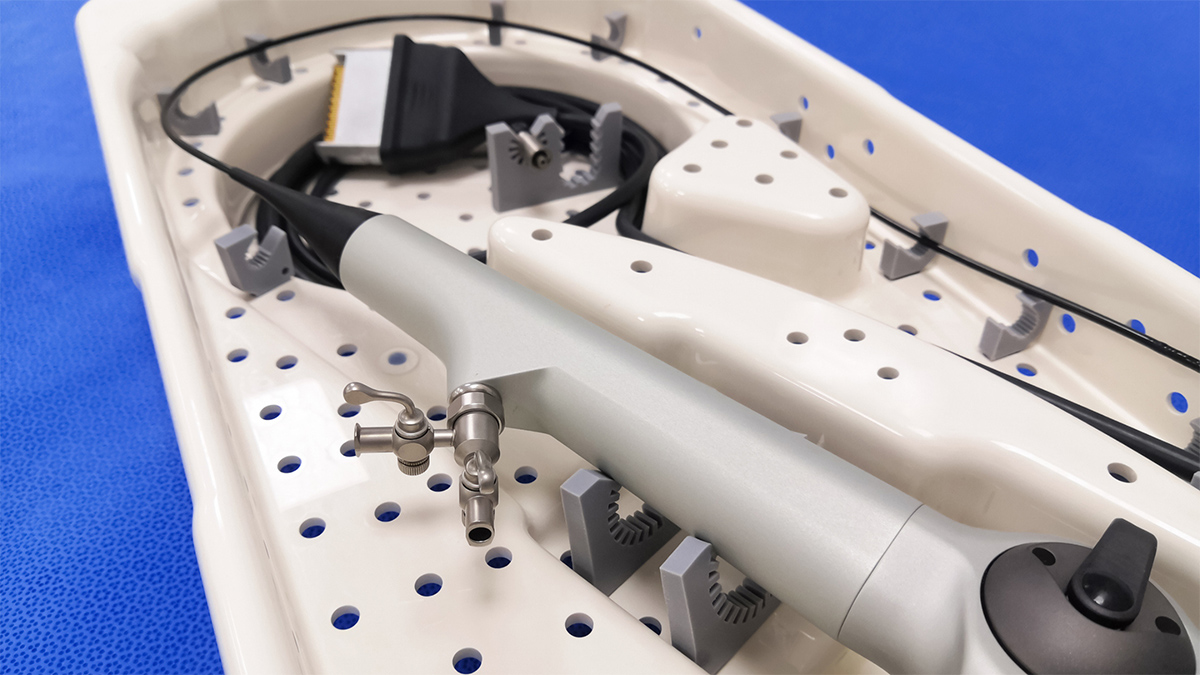
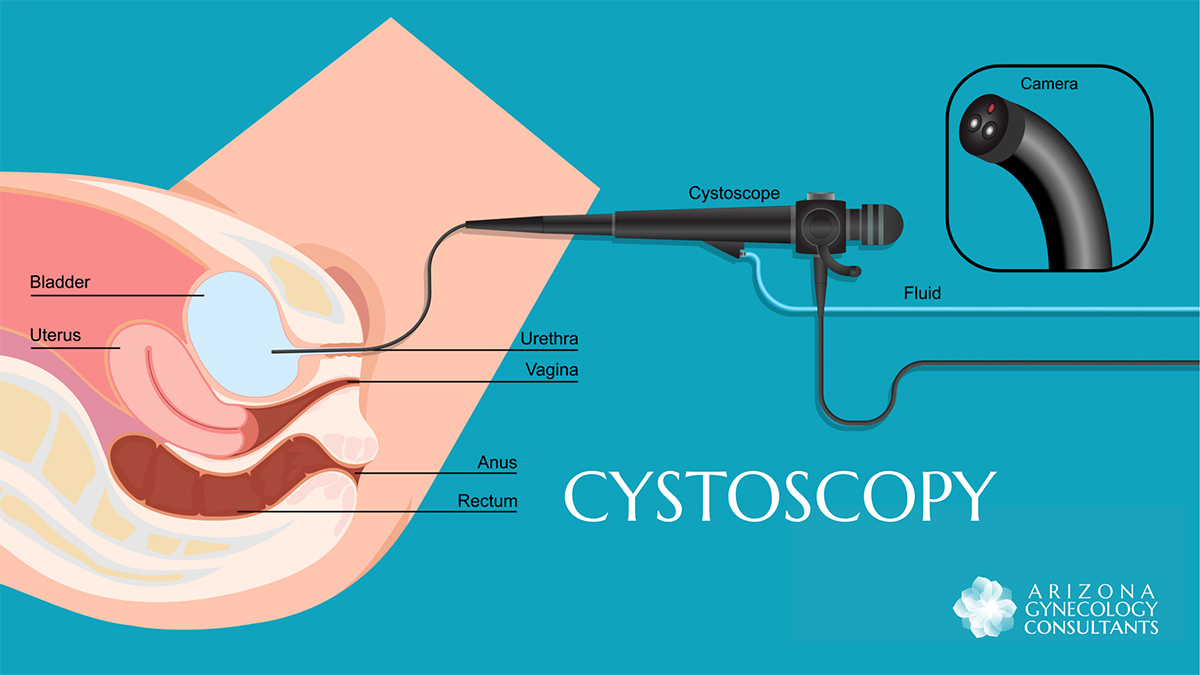
A cystoscopy is a minimally invasive medical procedure performed with the purpose of examining a person’s urethra and bladder for abnormalities. During a cystoscopy, a physician uses a thin, telescope-like tube equipped with a light and a camera called a cystoscope. As the thin tube is gently inserted through the urethra and into the bladder, the camera transmits to a monitor, providing your doctor with a clear view.

There are two types of cystoscopes: rigid and flexible. As its name suggests, a rigid cystoscope is a straight, relatively firm tube often preferred for its clear images and its ability to enable the smoother passage of other medical instruments for biopsies. A flexible cystoscope is made of thinner, bendable materials that can more easily navigate the curves of the urethra. This can be more comfortable for patients.

Cystoscopy may identify several issues related to the urinary tract

Why Is a Cystoscopy Performed?

Cystoscopy may identify several issues related to the urinary tract.

These can include: 

  • Blood in the Urine (Hematuria) – Identifying the source of blood in the urine is a common reason for performing a cystoscopy. The procedure can reveal infections, bladder stones, tumors, or other abnormalities.
  • Painful Urination (Dysuria) – Cystoscopy can help determine the cause of pain or burning during urination, such as inflammation, infection, or structural issues.
  • Frequent Urination or Urinary Urgency – These symptoms may indicate bladder irritation, an overactive bladder, or other underlying conditions. A cystoscopy can help providers reach a diagnosis.
  • Urinary Incontinence – This procedure can help providers evaluate the bladder and urethra to identify potential cases of incontinence, such as structural problems or nerve issues.
  • Difficulty Starting or Stopping Urination – Cystoscopy could help identify blockages that are creating problems with urination.
  • Recurrent Urinary Tract Infections (UTIs) – If UTIs are frequent, the procedure could help identify contributing factors.
  • Incomplete Voiding – People experiencing the feeling of incomplete bladder emptying may need a cystoscopy to identify the cause.
  • Chronic Pelvic Pain – In some cases, a cystoscopy may be performed to investigate urinary tract involvement in chronic pelvic pain.

In general, cystoscopies give medical providers the opportunity to identify and diagnose bladder, urethral, and urinary tract conditions.

Identify and diagnose bladder, urethral, and urinary tract conditions

A cystoscopy can be used to diagnose:

  • Bladder cancer
  • Bladder stones
  • Bladder inflammation (cystitis)
  • Urethral strictures
  • Congenital abnormalities
  • Foreign bodies
  • Interstitial cystitis/painful bladder syndrome

Other bladder and urethral conditions can be treated using a cystoscopy camera and a tube to guide medical instruments.

Procedures and interventions may include:

  • Removal of small bladder tumors or polyps
  • Removal of bladder stones
  • Widening narrowed areas of the urethra through urethral dilation
  • Overactive bladder injections
  • Placement or removal of stents (small tubes) to relieve blockages
  • Repairing small fistulas, which are abnormal connections between the bladder and other structures.

Early detection and diagnosis are key to avoiding the serious and life-altering complications that can come with bladder and urinary tract issues. Prompt intervention prevents worsening symptoms and the development of chronic conditions, creates the opportunity for more effective treatment, improves outcomes, and boosts survival rates for conditions like urinary tract cancers.

Preparing for the Procedure

If your physician has recommended a cystoscopy, it is crucial that you ask questions and review cystoscopy information so that you are comfortable and informed. Your physician will explain the details of the test to you, including what to expect before, during, and after the procedure.

They will discuss:

  • The purpose of the test
  • Whether it will occur in the office or another outpatient setting
  • How it will be performed
  • Whether local or general anesthesia will be used
  • Any potential risks or discomforts you can expect
  • When and how you can expect to receive the results

Before the procedure, you’ll be asked to sign a consent form. This indicates your agreement to undergo the test. Make sure you review this form thoroughly and ask your healthcare team to clarify anything you may not understand.

Physician has recommended a cystoscopy

If the cystoscopy is used as a diagnostic tool, you’ll likely only need local anesthesia to numb the urethra. However, if the cystoscopy is used to perform a procedure or biopsy, you may require general anesthesia, though this is extremely rare. If so, there will likely be specific fasting guidelines you’ll need to follow before the test. Be sure to carefully follow any instructions you receive about when to stop eating and drinking, or what you might be allowed to drink. You might also receive instructions about following a special diet for one to two days before the test.

Remember:

  • It is crucial to inform your healthcare provider if you are pregnant or suspect that you might be.
  • Let your healthcare provider know if you have any sensitivities or allergic reactions to medications, latex, iodine, tape, or any type of anesthesia.
  • Be sure to inform your healthcare provider of all the prescription and over-the-counter medications you take, including any vitamins, supplements, and herbal remedies.
  • You will need someone to drive you home after receiving sedation or anesthesia.

What to Expect During a Cystoscopy

A cystoscopy is a standard and generally well-tolerated procedure. However, getting informed about what to expect can ease some anxieties you may have.

The process typically begins with your physician positioning you comfortably, which usually  means lying on your back with your knees bent. The medical staff will ensure your privacy and maintain a professional and discreet environment throughout the procedure.

Before the cystoscope is gently inserted, a local anesthetic gel is typically applied to the urethra to numb the area and minimize any discomfort. In some cases, depending on your medical history or anxiety levels, your doctor might recommend light sedation. If another procedure is scheduled, you may receive general anesthesia.

Cystoscope

The cystoscope is then carefully passed through the urethra and into the bladder. Your physician may allow sterile saline to flow into your bladder to help expand it and make the lining of the bladder easier to see. You may feel some pressure or a mild urge to urinate, but the procedure should not be painful. The cystoscopy procedure is generally relatively quick, often taking about 5 to 15 minutes to complete.

After the Cystoscopy: Recovery and Side Effects

Following the procedure, if you received sedation or anesthesia, you will be moved to a recovery area for monitoring. The specifics of this recovery will depend on the type of sedation you received. Once your blood pressure, heart rate, and breathing are consistent and you are awake, you will either be transferred to another room or allowed to go home. You can typically return to your regular diet and activities unless your healthcare provider advises otherwise.

Important Post-Cystoscopy Notes

  • It is important to increase your fluid intake after a cystoscopy to help dilute your urine and ease urinary discomfort.
  • To ease any remaining discomfort, you can apply a warm, damp washcloth over your urethral opening or take a warm bath.
  • It is normal to see some blood in your urine, pink urine, or experience mild burning during urination for the first day or two.
  • Take pain medication for soreness or discomfort only as recommended by your healthcare provider. Avoid aspirin and NSAID medications like ibuprofen and naproxen that may increase bleeding risk.
  • Your doctor may prescribe an antibiotic; be sure to take it as instructed.
  • You should contact your healthcare provider if you experience fever or chills, frequent or urgent need to urinate, inability to urinate, lower back pain, or continued burning or blood in your urine.

Answering Frequently Asked Questions about Cystoscopies

If you are facing a cystoscopy, you may have questions about what to expect before, during, and after the procedure.

Here are some of the most frequently asked questions our patients have about cystoscopy:

Is a Cystoscopy Painful?

For most women, a cystoscopy only causes mild discomfort rather than significant pain. You might feel some pressure or a temporary stinging sensation during insertion. This pressure may feel strange due to the sensitive nature of your urinary system, but cystoscopies are generally a quick process.

At Arizona Gynecology Consultants, we prioritize your comfort and your health. Our experienced team is committed to using only the most gentle, non-invasive techniques during your procedure. We understand that even mild discomfort can be a source of anxiety, and we take every measure to ensure the procedure goes smoothly while you are as comfortable as possible.

Will I Need to Take Time Off Work?

If your cystoscopy will require general anesthesia, you should plan to take the next day off work, but you should likely be able to return on the second day. You should also avoid driving for 24 hours after general anesthesia. If your physician recommends only local anesthesia, you should be able to return to work the next day if you feel well enough.

Do Cystoscopies Have Any Side Effects?

Experiencing a mild, temporary burning sensation during urination after a cystoscopy is not uncommon. The majority of individuals undergoing cystoscopies will have minimal to no side effects. However, if you notice a fever or chills or ongoing painful urination, it is crucial to call your doctor.

What Are The Risks of a Cystoscopy?

While infection is the primary risk associated with a cystoscopy, it is quite uncommon. Introducing bacteria into the urinary tract during the procedure is what causes infections, and infections that occur after cystoscopy are very rare. The only other potential risk is a minimal chance of urethral scar tissue formation due to scope irritation, but this is most common with patients who receive frequent cystoscopies.

When Should I Know the Results of the Cystoscopy?

For a diagnostic cystoscopy, your provider will likely know the results during the procedure. If a biopsy is taken, the results typically take up to two weeks. Please ask your healthcare team when you can expect your results in your records or if you will hear from them directly.

Cystoscopy at Arizona Gynecology Consultants

If you are facing a cystoscopy at Arizona Gynecology Consultants, you can trust our experienced team to provide exceptional care and genuine compassion. Our dedicated physicians and staff have performed many cystoscopies. We approach each unique case with a deep understanding and refined technique.

We believe in clear communication and strive to ensure you feel informed and empowered. Before your cystoscopy, the procedure will be explained to you thoroughly, and any questions or anxieties you may have will be addressed. We understand the personal nature of gynecological health, and our staff is trained to guide you through each step.

If you would like to learn more about AZGYN cystoscopy or have specific questions, we encourage you to visit our services page for more detailed information.

AZGYN_Surgeons

Please do not hesitate to call our office to speak with a member of our caring team. We are here to support your health journey.

Schedule Your Consultation at AZGYN

Urinary issues can be disruptive to your life and lead to additional health concerns. Understanding the root cause of your symptoms is the first step towards finding relief and regaining control over your health. Take the first steps to address your concerns by consulting with a specialist who can ensure you receive an accurate diagnosis and personalized treatment options. Book a consultation with a women’s health specialist at AZGYN today.

The post What Is a Cystoscopy? appeared first on AZGyn.


Source link