Why New Cars Don’t Offer Engine Options Like Old American Cars Did


“They don’t make them like they used to” is a phrase that can apply to just about anything. For gear-heads feeling nostalgic about older cars, it’s a phrase that never seems to go away. This is especially true when comparing today’s cookie-cutter engines versus the selection that drivers had in ridiculously overpowered vintage cars. Part of the reason engines have changed and choices have been reduced is due to U.S. EPA standards.

Those standards are set by the Clean Air Act, which gives the U.S. Environmental Protection Agency authority to regulate vehicle emissions. This is done through strict federal requirements that directly influence vehicle design and engine development. As a result, car manufacturers are pushed to produce a more limited range of engine types. Corporate Average Fuel Economy (CAFE) standards are also in play. CAFE requires automakers to meet fleet-wide efficiency targets, which leads to shared engine designs being used across an entire lineup of vehicles.

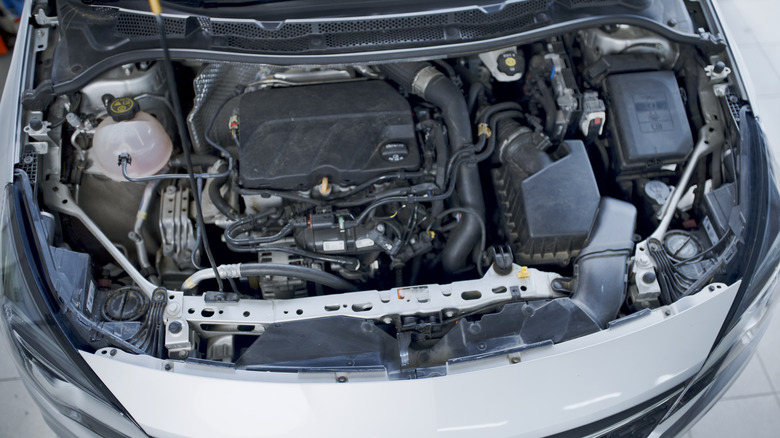
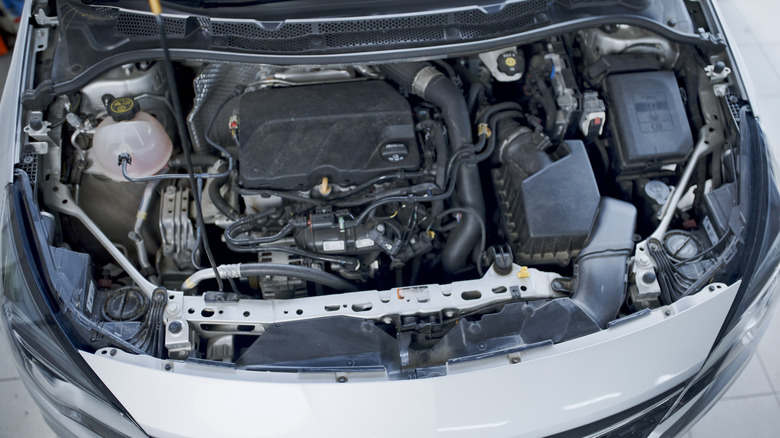
As automakers worked to satisfy these standards, modern advances like turbocharging and fuel system improvements allowed for engine downsizing. This means smaller engines can produce performance similar to that of larger engines. In fact, there are even small engines with more power than muscle car V8s. So thanks to today’s technology, car manufacturers do not necessarily need to design multiple engine types when fewer can cover the same performance requirements.

Engine size alone doesn’t determine fuel efficiency
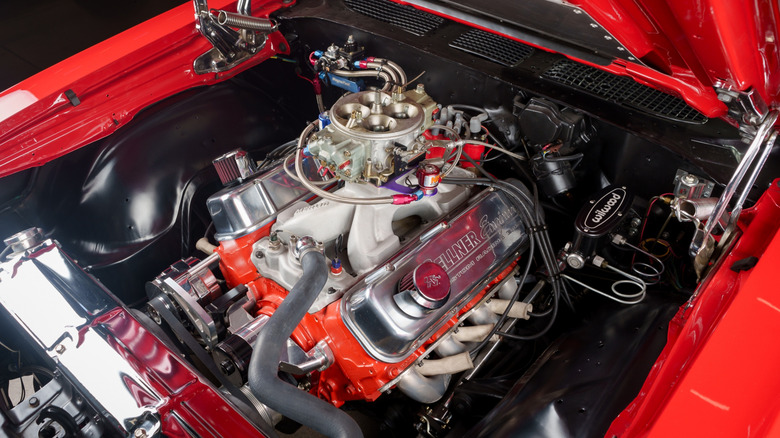
Multiple large-displacement engine types were once the norm in the automobile industry. In fact, these engines were in demand for a variety of different vehicles, like old school muscle cars. This includes the big block V8 engine, which was once a major focus for automakers. It was a standard approach taken by many manufacturers, who were unrestricted by emissions and fuel economy regulations.

There is a common belief that smaller engines get better fuel efficiency than larger engines. After all, those older V8s could get very thirsty, which means you’d be filling up quite often. But fuel economy involves a lot more than just engine size. It’s influenced by several factors, like vehicle weight, transmission, technology differences, and even driving habits. So even if you have a car with a larger engine, it doesn’t mean you’re not getting good fuel efficiency.

There are still some U.S. automakers that give you options, depending on the vehicle. But those options are often restricted to the same model, and not widespread across the board. For example, Ford offers multiple engine choices within the F-150 lineup for 2026, ranging from a 2.7L EcoBoost V6 with 325 horsepower, up to a 3.5L High Output EcoBoost V6 with 450 horsepower. So if you’re interested in finding a car or truck with a bigger engine, it’s a good idea to check the manufacturer’s website first and then go from there.


Source link

Leave a Reply

Subscribe to Our Newsletter

Get our latest articles delivered straight to your inbox. No spam, we promise.

Recent Reviews


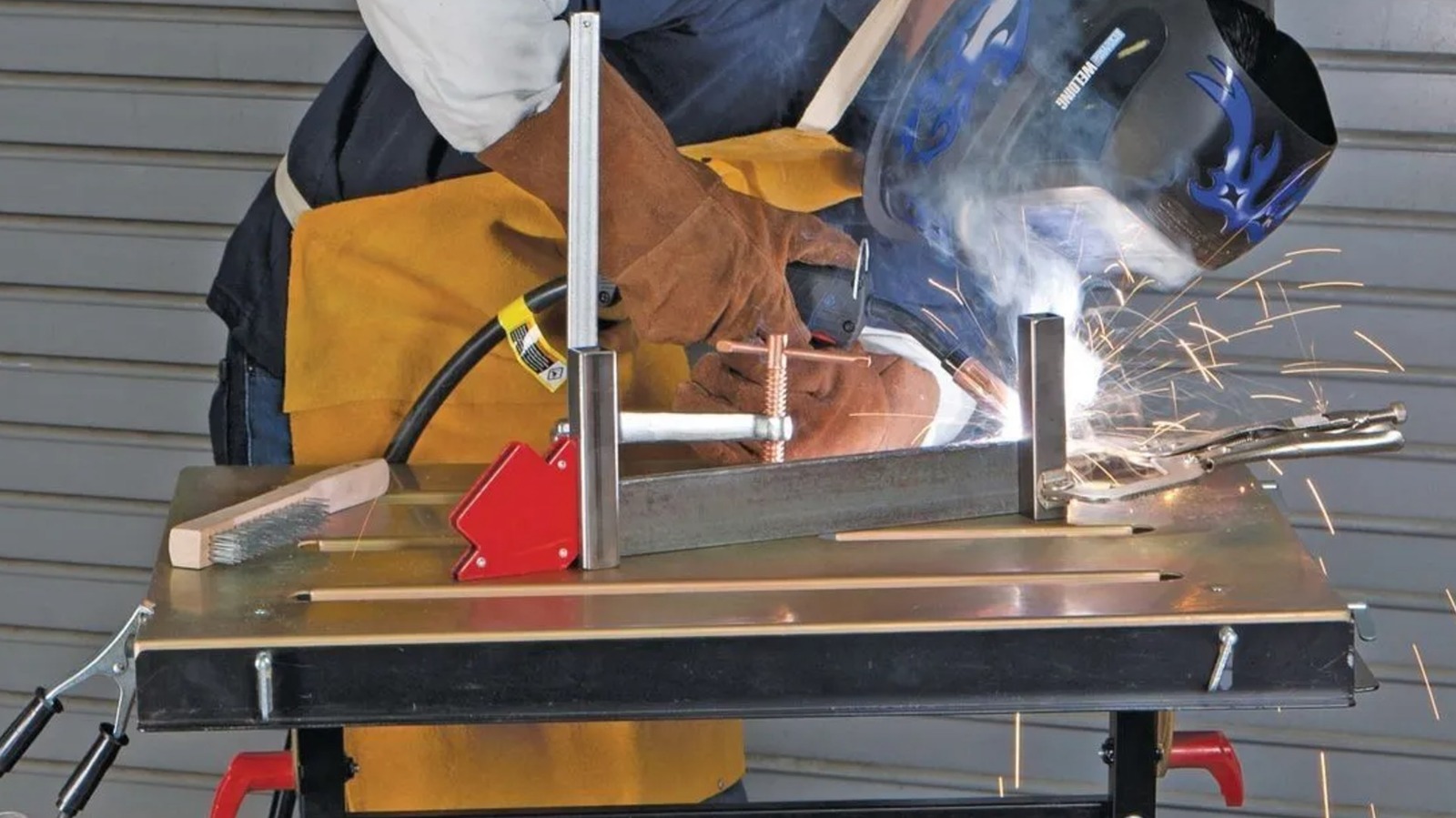
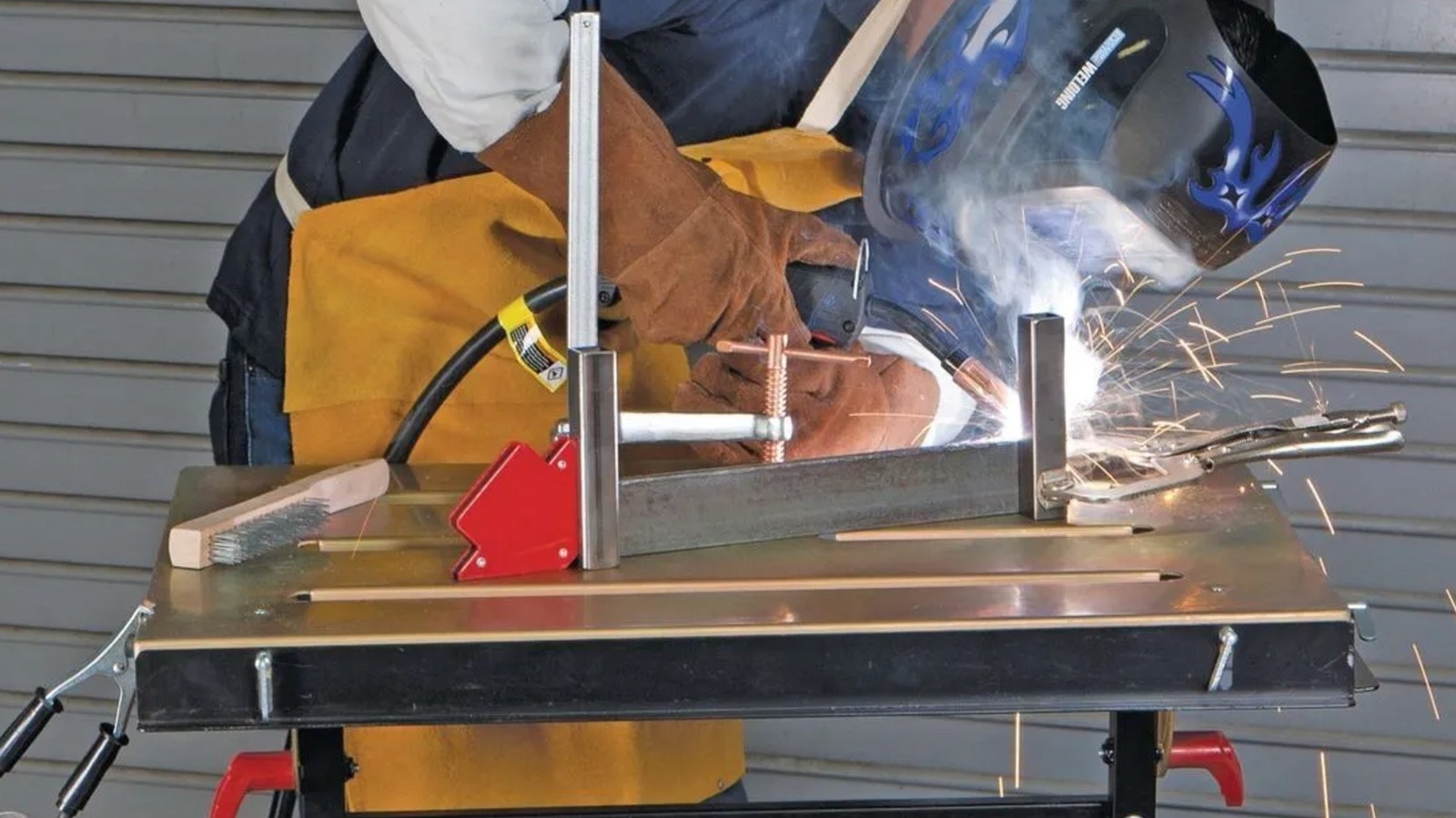
Welding isn’t a practice to go into unprepared. It requires numerous tools to do the job correctly and safely, and it’s not a bad idea to invest in a dedicated surface to work on. Fortunately, they’re quite easy to come by; even a budget retailer like Harbor Freight has two different welding tables available. For those with tighter budgets, the Chicago Electric adjustable steel welding table costs $89.99, which is notably wallet-friendly for such a workshop addition. Even better, owner opinions seem to indicate that the low price doesn’t mean low quality.

At the time of writing, the Chicago Electric welding table has just over 2,600 reviews on the Harbor Freight website, with an average rating of 4.6 out of five stars. Over 1,800 of those gave it a perfect five stars, and over 600 gave it a respectable four, with many encouraging others to give it a shot if they’re on the fence. Common highlights include the Chicago Electric welding table’s easy storage and portability, price point, sturdiness, and versatility, and many customers think it’s especially good for anyone new to welding.

All in all, most Harbor Freight customers feel this table gets the job done without breaking the bank. With that said, these positive reviews aren’t the beginning and end of this welding table’s story. Some customers had less-than-stellar experiences that are worth noting.

Potential issues with this Chicago Electric welding table

According to Harbor Freight, this zinc-plated steel Chicago Electric welding table has retractable edge guides, four slots for connecting clamps (and to prevent heat build-up), and can be tilted at five different angles. However, while the features and reviews make it seem like a surefire win at $89.99, it’s not perfect. While they’re in the minority, there are still a notable number of one- and two-star reviews that pinpoint some potential downsides.

One frequent problem is the table arriving warped right out of the box, which can make setting up and welding harder than necessary. The same can be said for the uneven legs, which many customers had to contend with. Some also warned of missing or completely incorrect hardware, preventing them from assembling the table. Elsewhere online, YouTuber Rob Pantridge wasn’t impressed with the build quality and found the design lacking in a few areas. Fellow YouTuber Jeff Estes Builds didn’t hate it, but also didn’t feel it was a necessary purchase for more serious welders.

Harbor Freight is the home of several useful welding accessories, along with table options like the Chicago Electric steel-top example to use them on. While it is cost-effective and many customers love it, this particular welding table may not be the right purchase for everyone. That is a matter only your wants, needs, budget, and experience level can decide.


Source link