
We may receive a commission on purchases made from links.
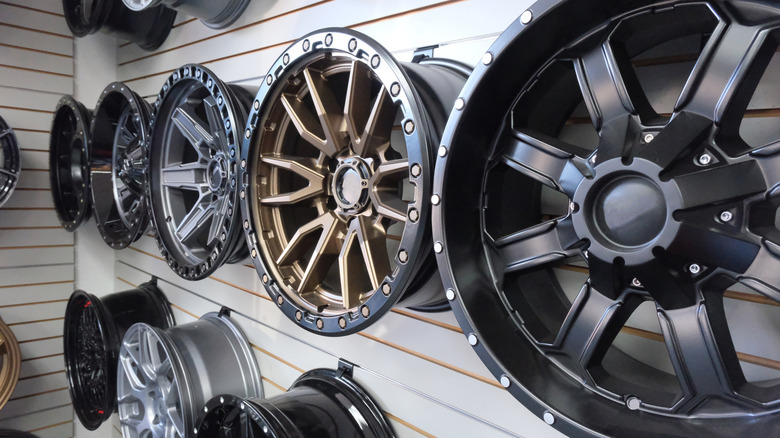
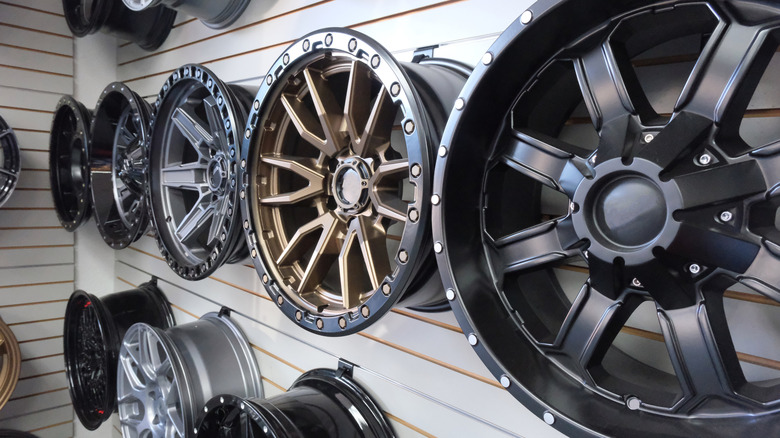
Rims, also known as wheels, are automobile features that we often take for granted. Yet they are actually quite valuable, and maintaining them should always be a priority. After all, rims act as the structural foundation that houses your tires. This means they can significantly affect your car’s handling, ride quality, braking performance, and fuel economy. They can also make or break your car’s look. In fact, if you want an easy car customization that can make your ride feel more “you”, you might consider installing a new set of aftermarket wheels.
While rims are built tough just like other car parts, they’re not built to last forever. On average, you should expect them to have a reliable service life of about 10 years. However, that’s not always guaranteed. Corrosion, side scraping, and driving with tires that aren’t inflated enough could reduce that lifespan. Common mistakes that even experienced drivers make on the road, like hitting potholes at full speed, could also shorten their lifespan. The good news is that you can usually avoid replacing your rims prematurely with just a few tweaks to how you drive and maintain your car.
Keep up with wheel alignment services
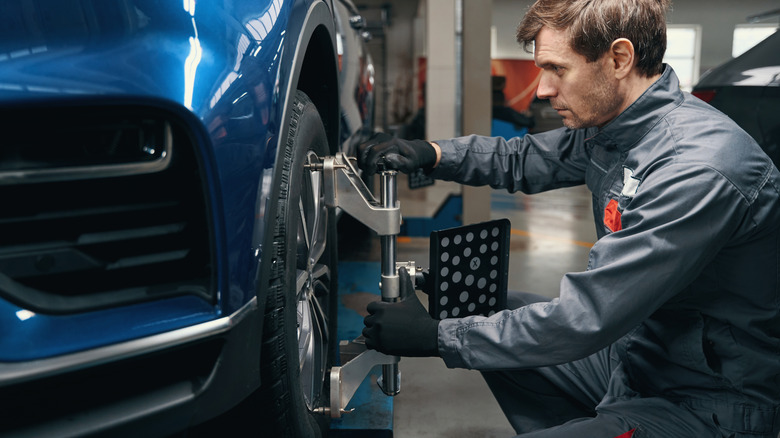
Wheel alignment is one of many auto maintenance services that often fall by the wayside for busy drivers. However, it’s one of those things you should be doing to extend the life of your tires and wheels. As a general rule of thumb, you should get a wheel alignment once every 6,000 miles. However, regularly driving through rough terrain and hitting curbs or potholes at full speed could dramatically affect that timeline. If you find that your car feels super shaky at 60 MPH or more, or it is pulling to one side, it’s a good idea to go get your alignment checked.
Ignoring these signs will introduce uneven wear on your tires, which can then impact your rims. Just like a tire with low pressure, a damaged tire won’t absorb road shocks effectively. This means that when you accidentally hit a curb, the impact will be transferred more directly to the rim. This could cause them to crack or bend. To avoid this and get as much mileage as possible from your car’s rims and tires, make it a habit to visit your local repair shop before you notice signs that your wheels need alignment.
Clean your rims the right way
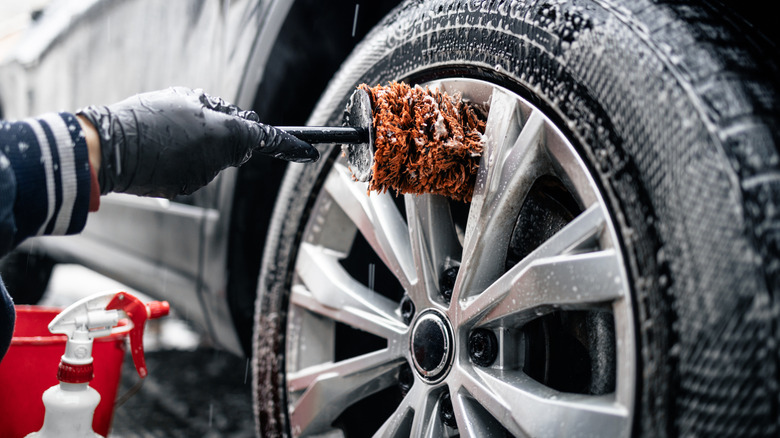
Keeping your wheels and tires spotless can sometimes feel like a losing battle. They’re tough to clean and can get filthy very quickly, as they’re absolute magnets for dirt, grime, and mud. However, keeping them clean will help them last longer. For one, corroded or rusting rims could suffer structural damage that requires you to get replacements. Brake dust, or the material that gradually comes off your wheels as they hit the pavement over time, can also accumulate on the rims. Regular cleaning can help prevent all of these potential hazards from forming.
With that said, restoring your wheels to their former glory is not as simple as it seems. There are several things you need to watch out for, as they can ultimately damage your rims. First, you’ll have to choose the right cleaning products depending on what material your rims are made of. You’ll want to have a soft brush, clean, soapy (pH-balanced) water, and a specialized wheel cleaner like Griot’s Garage Heavy Duty Wheel Cleaner.
Once you’ve got your supplies ready, park your car in the shade and let the rims cool before rinsing them with a strong stream of clean water. Next, spray your cleaner onto the wheels before grabbing the soft brush and gently scrubbing them. Then, rinse the wheels again and dry them using a dedicated microfiber cloth. Lastly, don’t forget to coat your wheels with wax. This way, you’ll create a protective barrier that repels road grime, dirt, and brake dust.
Avoid potentially damaging roads when you can
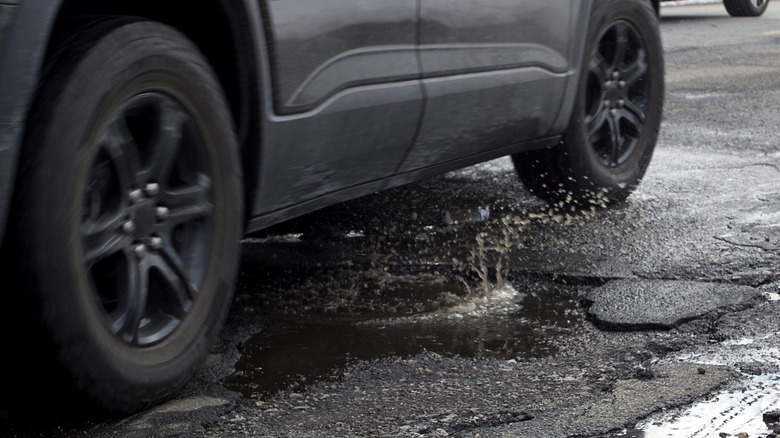
In addition to providing your rims with this basic care, you should also avoid certain situations that could put you more at risk for damage to save yourself the stress of paying for a new rim sooner than you have to. That includes driving over rough terrain or over unevenly paved paths. While there are steel rims designed for off-roading, you’ll want to be careful because they can still bend under pressure.
It’s also best you avoid pothole-ridden city streets. Why? Even if you have been caring for your rims just the way you should, intense impact from a pothole could bend or crack the rims. It may be more likely that this would damage your tires or suspension, but this could ultimately impact the rims as well. If you have to drive over potholes, be sure to drive slowly and avoid braking while you’re directly on top of one. In the case that you have an unlucky day and end up hitting one, check for signs of pothole-induced damage and schedule an appointment with your local repair shop.

Stephan is the sports journalist for the Maple Grove Report.