
Follow ZDNET: Add us as a preferred source on Google.
ZDNET’s key takeaways
- Samsung is ending its messaging app sometime in July.
- Android 12 or newer users must switch to Google Messages.
- Back up your messages to Samsung Cloud or Google Drive.
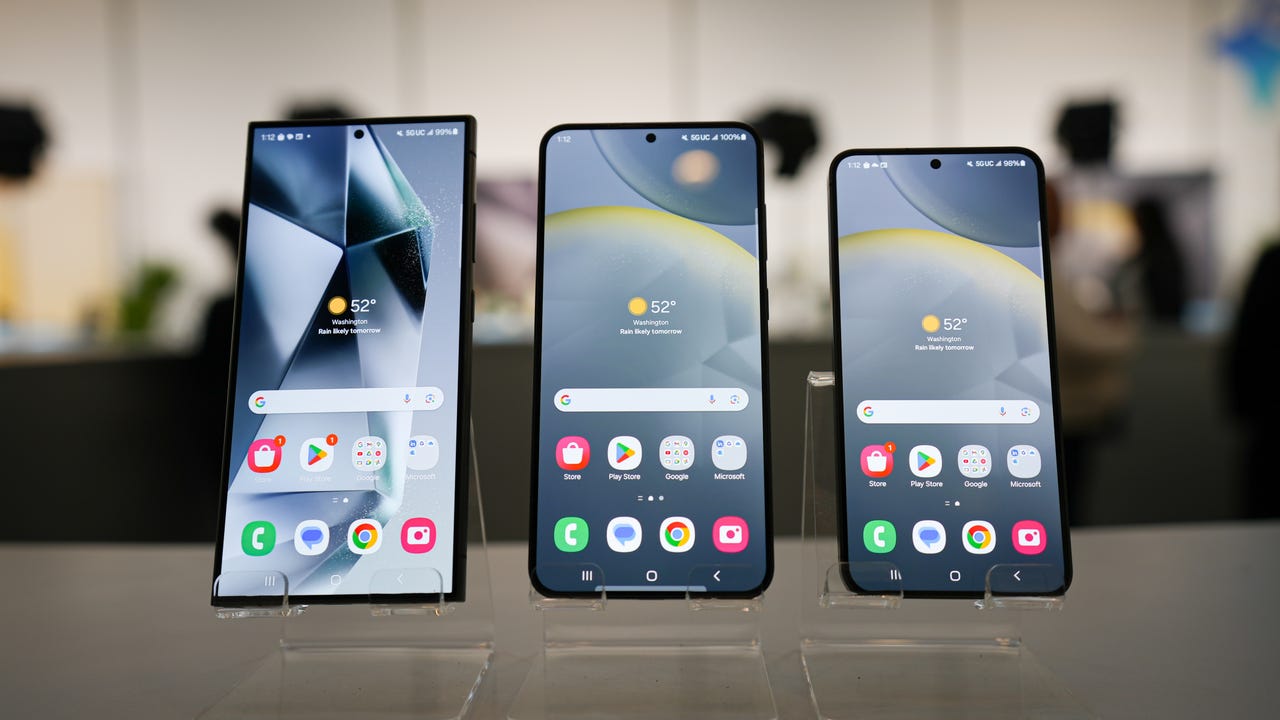
The reckoning is here. Well, almost here, and maybe a little less dramatic than I’m describing. Samsung recently confirmed that it’ll be shuttering its own Messages app in favor of Google’s, requiring users on Samsung phones running Android 12 or newer to make the swap in July if they haven’t done so already.
This sunsetting marks a nearly 16-year run for the proprietary communication platform, one that has built quite the cult following over time. But no one should be surprised to see this coming. Just two years ago, Samsung began shipping its latest Galaxy phones with Google Messages set as the default messaging app. More recently, you wouldn’t even be able to download the Samsung Messages app on phones like the Galaxy S26 series.
Also: Samsung is ending Messages in July: 5 replacements I’d switch to now
So, what gives? There are plenty of unofficial theories behind the transition, but the prevailing assumption is simple: Samsung no longer wants the burden of managing its own messaging servers. It makes more sense to hand the reins to Google, which has steadily built a platform home to billions of Android users. Between the practical, security, and financial ramifications, the move just makes sense for the business.
That said, if you’re like me and want to back up any important messages from over the years, you’ve got options. I’ll go over the most reliable ones below, forgoing the ones that involve third-party services that may put your personal information at risk.
1. Backing up your messages locally
Your most secure backup option is a local transfer to an external storage drive, or SSD. Depending on how many months’ or years’ worth of messages you’ll be moving, you’ll want to make sure the drive has enough memory to host the data.
This is often a good time to look over your various threads and conversations and delete the ones you don’t want (or have) to store, such as 2FA and OTA codes, transaction histories, and receipts.
To back up your Samsung Messages texts, connect your SSD to your phone, open the Smart Switch app by going to Settings > Accounts and backup > Smart Switch, select the storage icon in the top right corner, then Back up, and tap Messages. The phone should begin packaging your texts into a readable file.
2. Backing up your messages to the cloud
It can be intimidating for some, but cloud backups are much more reliable and handy than they used to be, thanks to security enhancements to services like Samsung Knox, which comes built in on most modern Samsung phones. It’s also an intuitive way to back up and restore files — not just text messages — when you eventually switch to a new device.
Also: How I saved myself $1,200 a year in cloud storage – in 5 sobering steps
There are two native cloud services that you can back up your Samsung Messages to: Samsung Cloud and Google Drive. Personally, I’d recommend the latter, as it’s more accessible across phones and PCs, including non-Samsung devices. Google Drive also comes with 15GB of free storage, versus Samsung’s 5GB, in case you haven’t been taking advantage of that benefit.
Here’s the breakdown of the two services to help you better decide. If it helps, there’s an argument for backing up to both services.
| Feature | Samsung Cloud | Google One/Drive |
| Ideal for | Galaxy-to-Galaxy transitions | Multi-device and cross-brand sync |
| Free storage amount | 5GB (varies by region/plan) | 15GB (shared with Gmail/Drive) |
| Photos/videos | Synced via Microsoft OneDrive | Managed via Google Photos |
| Device settings | Deep backup of Home screen, alarms, etc. | Basic Android settings backup |
| App support | Samsung apps (Notes, Calendar) | Google apps and third-party app data |
| Accessibility | Best on Samsung devices | Accessible on web, iOS, and Android |
For both services, you can back up your texts by opening Settings > Accounts and backup > Back up data under Samsung Cloud and/or Google Drive. You’ll be required to sign in to either your Samsung account or Google account, depending on the service.
If the process is done properly, the respective settings pages should show your last backed-up timestamp, which should be today’s date.
What happens next?
With your text messages backed up, I’d recommend you start testing Google Messages, or alternative communication platforms, to see which one you’d prefer before Samsung ultimately pulls the plug in July. While the company hasn’t confirmed the exact date of the sunsetting, it never hurts to prepare yourself ahead of time.
Also: How to use Google Messages’ new Trash feature to recover texts you accidentally deleted
Personally, I’m switching to Google Messages. It may not have the same personalization features as Samsung’s, but it has its advantages, like a more universal RCS system that isn’t limited to any specific carrier, some useful Gemini integrations, smart replies and native AI image generation, and, from what I’ve experienced, a more reliable spam detector. We may even see some newer features as soon as later this month.