We Might Not Have Disneyland If It Weren’t For This One Ford Plant In Detroit


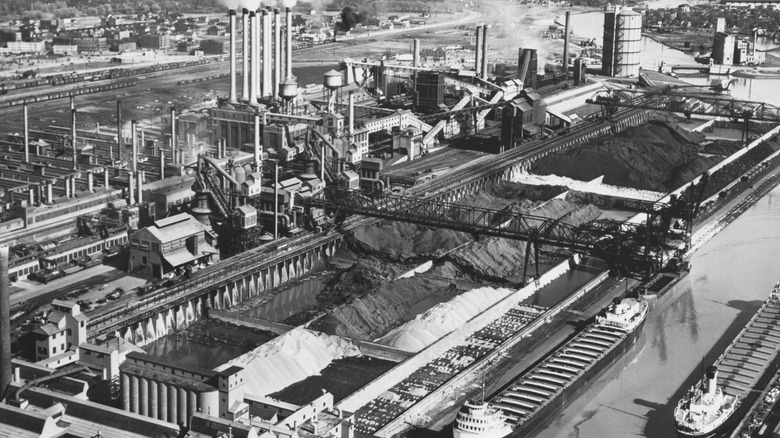
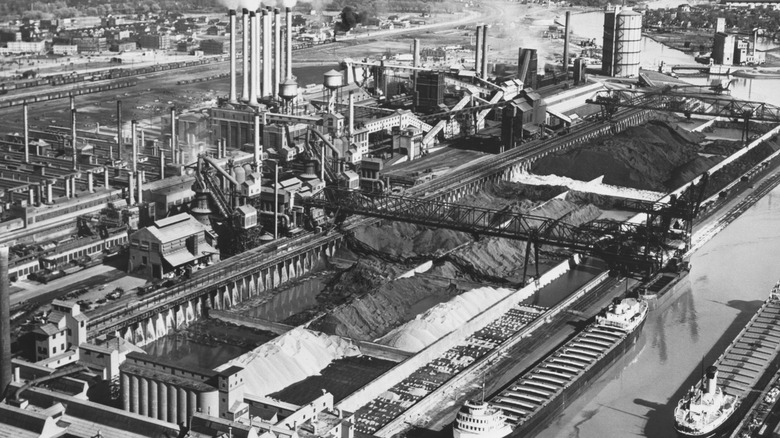
There’s a new book out by author Roland Betancourt, entitled, “Disneyland and the Rise of Automation: How Technology Created the Happiest Place on Earth.” In an extensive article about the book in Smithsonian Magazine, written by the author, Betancourt details the events that led Walt Disney to visit several Detroit-area Ford locations in 1948, following his visit to the Chicago Railroad Fair. Disney and his traveling companion, animator Ward Kimball, saw Ford’s collection of locomotives and antique cars, Ford’s historical Greenfield Village, and finally Ford’s huge, 1200-acre River Rouge assembly plant. 

River Rouge was a place where the ore for making steel went in one end and finished automobiles rolled off the assembly line at the other end. The entire process took only 28 hours, from raw materials to completed vehicles. 

But there was an additional reality that may not have been lost on Walt Disney and Ward Kimball — the River Rouge plant, built by the man behind America’s first major automotive giant, was also a giant tourist attraction to promote the Ford brand. A full four years before its opening, tours had started going through the plant, moving people from place to place in custom glass-roofed buses. The tour itself started in the Ford Rotunda, a building originally created for an exhibition in Chicago during 1933-34 and moved near River Rouge afterward. The author posits that while Greenfield Village may have inspired Main Street, USA, River Rouge had a direct connection to Disneyland’s Tomorrowland, where future innovations could be showcased.

What else should you know about the Disneyland-Ford connection?
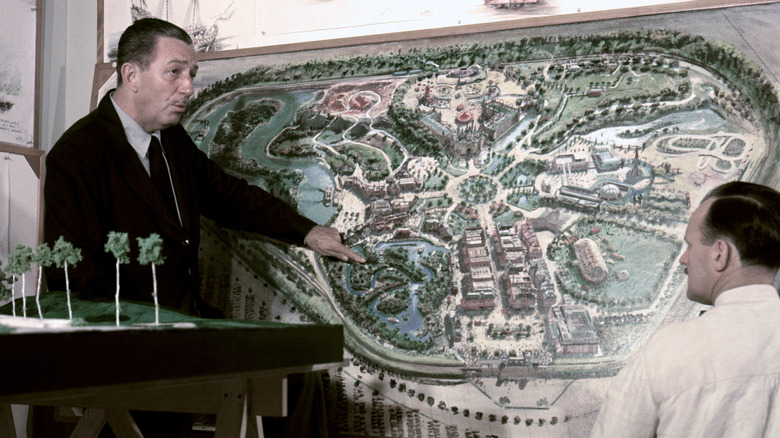
Automation was a hot topic in the postwar U.S., from the period of the late 1940s up until the 1960s, stoking fears of widespread job losses. Roland Betancourt makes the case that the technology underpinning the rides at Disneyland was derived from what Walt and Ward saw in action at River Rouge. It was automation that made it possible for Disney’s dream to come true, with repeatable, consistent results and even special effects provided by the machines behind the scenes.

He explains how the Peter Pan ride was based on a commonly used conveyor system that suspended riders from a rail placed above their heads. Programmable logic controllers from the auto industry to control the Matterhorn Bobsleds, as well as the adaptation of magnetic tape drives used in missile testing to animate the Tiki Room’s macaws, were all implementations of automation that seemed friendlier and less threatening. 

Five days after returning to California in 1948, Disney sent a message to a production designer concerning a “Mickey Mouse Park.” It included a railroad, a village with stores, and other features he had seen at Ford’s Greenfield Village. By the time that Disneyland officially opened to the public in Anaheim, California on Monday, July 18, 1955, Disney’s vision had expanded to include attractions like Mr. Toad’s Wild Ride, the Jungle Cruise, Snow White’s Adventures, and Space Station X-1, as well as the Castle and the Stagecoach. More than 70 years later, there are six different Disney-themed parks in the U.S., Europe, and Asia.


Source link

Leave a Reply

Subscribe to Our Newsletter

Get our latest articles delivered straight to your inbox. No spam, we promise.

Recent Reviews


Year-end. For accountants, those two words can bring on a mix of excitement and, let’s be honest, a bit of dread. It’s a whirlwind of deadlines, data, and client questions. But what if we looked at it differently this year? What if we saw it as our annual opportunity to truly shine, to go beyond the numbers and become the trusted advisors our small business clients are searching for?

The game is changing, and for the better. Small businesses aren’t just looking for someone to do their taxes; they’re looking for a partner in their success. In fact, a recent Gusto report, Beyond the Books, found that two-thirds of small businesses believe their accountant makes them more productive. They’re hungry for our guidance, and year-end is the perfect time to serve it up.

More than a checklist: a game plan for deeper client relationships

We all know the core year-end tasks like the back of our hand. But when we frame them as strategic conversations, they become opportunities to build trust and showcase our value.

Laying the foundation: Seamless reconciliation

This is where we roll up our sleeves and get into the nitty-gritty. By using tools like Xero’s bank reconciliation, we can transform a tedious task into a valuable health check for our clients’ businesses. It’s our chance to spot any red flags, clean up the books, and ensure a solid foundation for the year ahead.

People power: Payroll and contractor confidence

Payroll is more than just paychecks; it’s about people. This is our opportunity to ensure our clients are taking care of their teams. By verifying W-2s and 1099s (which Gusto can automatically generate), we’re not just ensuring compliance; we’re giving our clients peace of mind. And by making sure every contractor has a W-9 on file, we’re protecting them from future headaches.

The fun part: Uncovering savings and planning for a brighter future

This is where we really get to shine. The Beyond the Books report revealed that clients who receive strategic guidance are more than 20% more likely to recommend their accountant. Year-end is the perfect time to offer that guidance. Let’s help our clients:

  • Maximize deductions and credits: We can proactively look for opportunities clients might have missed, from R&D credits to energy-efficiency incentives.
  • Plan for tax-saving moves: A simple conversation about retirement contributions can make a huge difference in clients’ tax liability.
  • Look ahead to the new year: By reviewing their financial performance, we can help clients set realistic goals and make smarter decisions about everything from hiring to major purchases.

From compliance to consulting: The future of our profession

The truth is, our clients are ready for us to be more than just their “tax person.” The Gusto report found that the demand for advisory services in areas like HR and workforce strategy has jumped nearly 50% since 2021. They want our insights on everything from cash flow management to benefits packages.

By automating routine tasks with connected tools like Gusto and Xero, we can free up our time for what really matters: the high-value conversations that can change the trajectory of a small business. We can help our clients:

  • analyze payroll trends to make smarter hiring decisions
  • choose benefits that will help them attract and retain top talent
  • build a stronger financial foundation for the future

Here’s to a more rewarding year-end

Small business owners are passionate about what they do, and they’re looking to us for the financial expertise that can help them succeed. This year, let’s embrace our role as trusted advisors. Let’s turn the year-end crunch into a season of connection, collaboration, and celebration. Because when our clients thrive, so do we.

Learn more about Gusto and connect it to your Xero account in the Xero App Store

Was this article helpful?

YesNo


Source link