
How To Make Your Home Wi-Fi Network Safe (And Keep Others From Connecting To It)


Data breaches and cyberattacks are becoming more and more common. Given that hackers are adept at exploiting vulnerabilities of unsecured networks, the worst thing you can do is neglect the security of your home Wi-Fi network. After all, if your Wi-Fi is compromised, it can put almost all of your wireless devices and smart home appliances. Cybercriminals can use your connected devices to access sensitive information like your Social Security number, login passwords, financial details, and even surveillance footage. They can also gain your router’s control and easily intercept and read the data you receive and send.

With that said, if you want to keep your work private and personal data safe, you’ll want to secure your home network by following basic router hygiene steps. Now, if you’re like many people, you’ve probably never changed your router’s default login details. The thing is, a good chunk of routers (especially older ones or rentals from your ISP) usually use generic passwords, which come in variations of “admin” or “password”, and you can easily find them online. Considering that there are tools specifically designed to exploit router vulnerabilities within a few hours, if they fall into the hands of a mischievous neighbor, they could change your Wi-Fi network password. As such, you may end up dealing with malware attacks, data theft, and hijacking of connected devices.

That’s why the Federal Trade Commission (FTC) recommends that you change your Wi-Fi network name and password, as well as your router’s admin password. Just make sure the password is strong and unique, and that your Wi-Fi name doesn’t include your name or address.

Update your router’s firmware, and know when it has to go
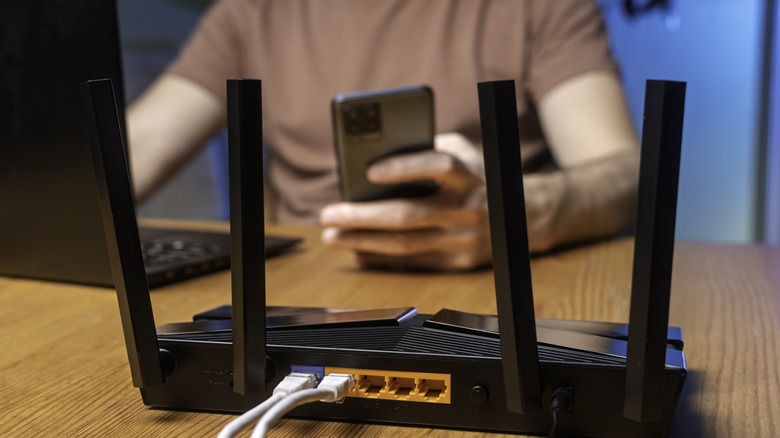
One of the worst cybersecurity mistakes you’re probably making is ignoring the need to update your router’s firmware. Sure, firmware updates aren’t fun, but they can make a huge difference for your smart home security. The moment you fail to update your router updates, security vulnerabilities will appear, and they’ll become easy targets for cybercriminals. That’s why it’s wise that you check for updates through your router’s web interface or app. These updates will bring patches that’ll close security loopholes and also fix random connection drops and slow internet speeds.

However, if your router is no longer receiving updates, you should replace it with a newer, factory-supported model. You’ll also want to replace your router if it’s been pushing five years now, or if you can’t even remember the last time you heard anything from your manufacturer. This is because any security loophole discovered after the manufacturer stops issuing updates will remain open forever. Apart from updating your router, you’ll also want to verify if your router’s built-in firewall is actually switched on. The firewall serves as the primary security guard for your home Wi-Fi network, which keeps unwanted traffic out. While at it, it’s also advisable that you navigate to the security settings and choose the highest level of Wi-Fi encryption available (WPA3 or WPA2).

A guest network does more than just help your guests
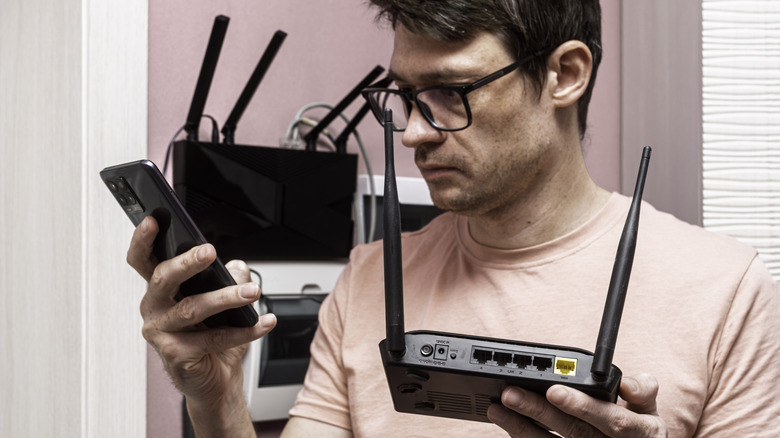
If your Wi-Fi feels overloaded with too many users and devices, you’ll want to set up a guest Wi-Fi network. As the name suggests, it’s a separate Wi-Fi network that your friends can use without accessing your primary Wi-Fi. This protects your computers, smartphones, and other smart home gadgets from unwanted access or interference. Also, given that hackers can use your smart refrigerator or security camera to invade your privacy, a guest network will add a layer of protection by keeping your always-chatty smart home gadgets separate from your personal ones.

Even though your visitors don’t plan to access your private information, a guest network can protect your devices from being infected with malware and viruses. In addition to making your smart home safer, a separate network can improve your Wi-Fi network’s performance by reducing congestion. 

With that said, creating a guest Wi-Fi network is quite easy. You just need to log in to your router’s dashboard and create a new SSID name and password. Just keep in mind that you’ll need a modern router with this security setting. However, if you have an old router, you can repurpose it to create a separate network.


Source link

Leave a Reply

Subscribe to Our Newsletter

Get our latest articles delivered straight to your inbox. No spam, we promise.

Recent Reviews


Smooth international travel takes more than a valid passport and a well-packed suitcase. It’s about thinking ahead, knowing what to expect, and making choices that make the journey feel easier from the start. When you prepare with intention, you spend less time stressing and more time enjoying where you are. The goal is simple: make every trip memorable for the right reasons.

Traveling abroad becomes far more enjoyable when you rely on smart, practical tools like a travel data esim to stay connected without the usual hassles. Clear communication, flexible plans, and a bit of organization can turn potential headaches into seamless experiences. These essential tips are designed to help you cross borders with confidence and ease.

Plan Every Detail Ahead

Plan a Trip - Your Dream Vacation
Photo Credit: Deposit Photos.

A little preparation goes a long way. Before you go, check visa requirements, entry rules, and any travel advisories that could affect your plans. Confirm flights, accommodations, and transportation, and keep everything organized, both digitally and with a printed backup, just in case.

Having clarity before you leave makes every transition smoother. It minimizes last-minute surprises like schedule changes or unexpected fees. Even small things like saving airport maps or noting how to get from the airport to your hotel can make arrival day feel far less overwhelming.

Keep Your Documents Secure

Woman holding smartphone in horizontal orientation taking photo of papers, using a scanner app for taking copies of the documents.
Photo Credit: Deposit Photos.

Few things cause travel stress faster than misplaced documents. Keep your passport, ID, and insurance details in a secure, easy-to-access holder. Back them up with digital copies stored on your phone and in encrypted cloud storage.

Digital versions can also come in handy for everyday situations like hotel check-ins or booking confirmations. Knowing you have backups allows you to stay calm if plans change or something goes missing, while keeping sensitive information protected.

Stay Connected Without Disruptions

Close Up Of Businesswoman In Pyjamas Sitting On Bed With Laptop And Mobile Phone Working From Home
Photo Credit: Deposit Photos.

Reliable internet access is no longer a luxury—it’s a travel essential. Tools like a travel data esim make staying connected simple, without swapping SIM cards or relying on spotty public Wi-Fi. You can navigate new cities, manage bookings, and stay in touch effortlessly.

Consistent connectivity adds a layer of security as well. Whether you’re checking flight updates, messaging your accommodations, or finding your way through unfamiliar streets, dependable data keeps everything running smoothly.

Prioritize Health and Comfort

Happy couple doing exercises on quarantine at home, self-isolation together, stretching, exercise, health care at home. Young arab couple with closed eyes practices yoga, sitting on lotus at floor
Photo Credit: Deposit Photo.

Travel is always better when you feel good. Pack essential medications, along with a small first-aid kit for minor surprises. Bring a refillable water bottle and a few snacks to get you through long flights or layovers. Layered clothing is key, especially when moving between airports, planes, and changing climates.

Comfort doesn’t mean sacrificing style. Choose breathable fabrics and supportive shoes that can handle long days on your feet. When your body feels taken care of, you have more energy to explore, adapt, and enjoy the experience.

Understand Local Customs and Etiquette

Foreign Language. Concept - learning, speaking, travel
Photo Credit: Deposit Photos.

Respect goes a long way when traveling abroad. Learning a few basic phrases in the local language shows effort and appreciation. Pay attention to how locals greet one another, dine, and dress, and be mindful of cultural norms that may differ from your own.

Travelers who take time to understand local customs often experience deeper, more meaningful connections. These small gestures foster mutual respect and offer insights into daily life that you won’t find in guidebooks.

Manage Money and Expenses Wisely

money
Photo Credit: Deposit Photos.

Smart money planning keeps your trip stress-free. Let your bank know you’ll be traveling to avoid card issues, and carry a mix of payment options—cash and digital—so you’re covered if one fails. Avoid carrying large sums of cash and use secure methods whenever possible.

Tracking expenses helps you stay on budget and avoid surprises later. Apps that convert currency or organize receipts can simplify the process. Even jotting down daily spending can help you spot unnecessary costs and stay financially comfortable throughout your trip.

Stay Present and Enjoy the Journey

Two hikers with backpacks enjoying sunset view from top of a mountain
Photo Credit: Deposit Photos.

Every trip offers its own lessons and moments of wonder. Slow down when you can. Instead of rushing from one attraction to the next, savor the experiences that resonate with you, whether that’s wandering a quiet neighborhood, sampling street food, or lingering in a local café.

The most rewarding travel experiences strike a balance between planning and spontaneity. Leave room for unexpected moments, and approach each destination with curiosity and openness. Travel isn’t about checking boxes; it’s about being present for what unfolds.

Every international journey feels easier with thoughtful preparation and awareness. From protecting important documents to understanding local cultures, proactive travelers navigate challenges with confidence. Staying connected through reliable tools like a travel data esim ensures access to essential information whenever you need it, allowing you to focus fully on the experience. When planning, technology, and curiosity work together, the world feels more accessible and far more inviting.

Hi! We are Jenn and Ed Coleman aka Coleman Concierge. In a nutshell, we are a Huntsville-based Gen X couple sharing our stories of amazing adventures through activity-driven transformational and experiential travel.


Source link