Where Shipping Chokepoints Created Externalities


54% of the world’s naphtha no longer moves through the Strait of Hormuz.

Japan’s cereal eaters will be affected.

Japan’s Cereal Eaters

Japanese snack maker Calbee will temporarily change some of its packaging. From reds, blues, and splashes of assorted hues, 14 products, including potato chips and breakfast cereals, will instead come in black and white bags or boxes on May 25. The problem is the printing ink that needs naphtha. Although no shortages have yet emerged because of the Iran War, Calbee said it made the change to preserve its steady supply. (In our featured image, the original bag is in the back.)

With naphtha needed for products that range from the world’s paints, to its ink, to petrochemicals, its shippers cite delays and cancellations because of rerouting, and elevated safety concerns inside and outside of the conflict zone. With Japan, South Korea is especially concerned about producers in the UAE, Qatar, and Kuwait. Correspondingly, the price of naphtha has soared to a four-year high.

Much more than potato chips bags, the naphtha shortages affect all things plastic. Car components and tofu packages have also been hit.

Our Bottom Line: Externalities

Impacting goods that ranged from potato chips to computer chips, urea and condoms, cargo delays and cancellations at the world’s chokepoints create ripples of disruption. Called externalities because of their widespread impact, one industry’s upsets cascade into others.

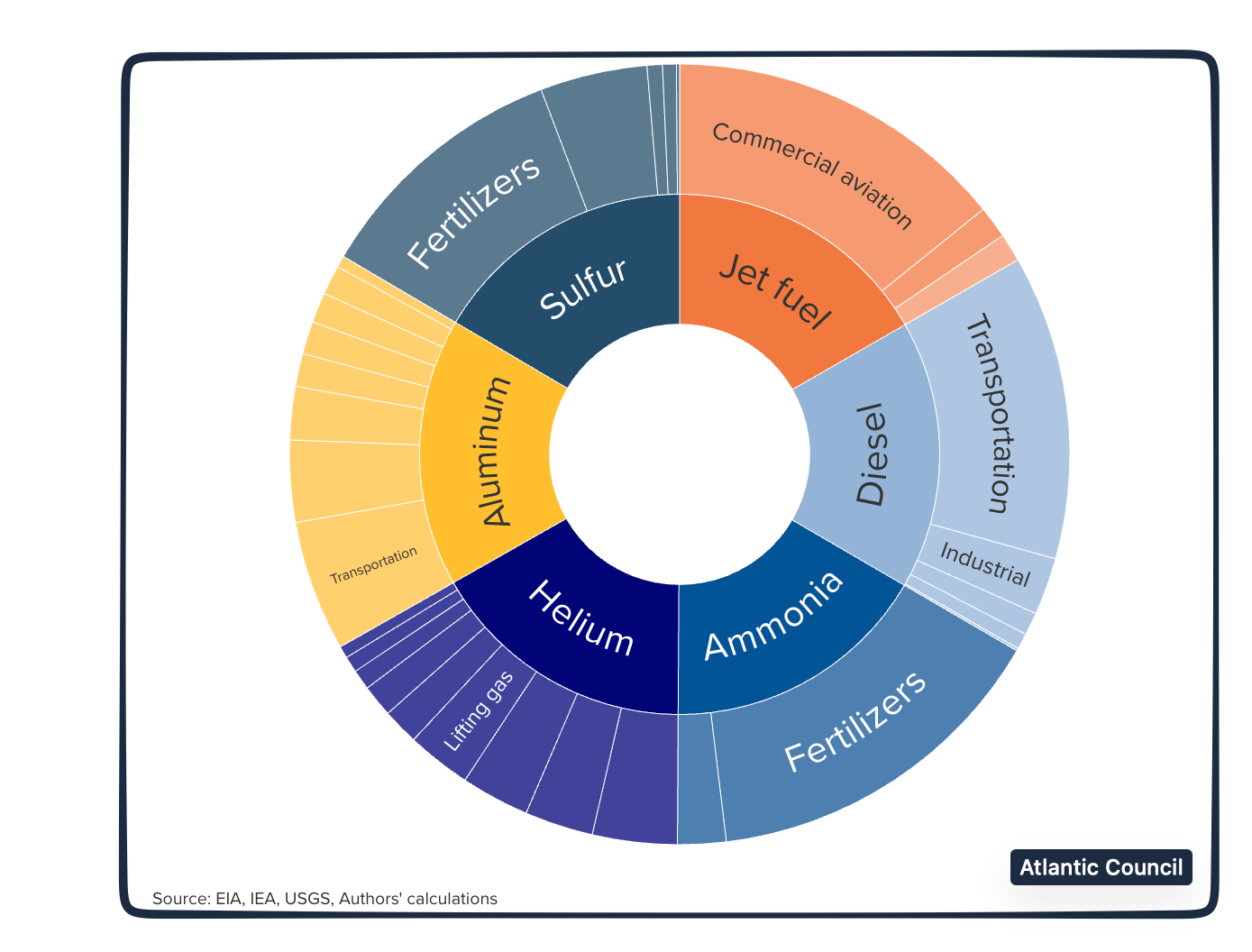
In a recent article, the Atlantic Council named the everyday commodities on which key sectors of the U.S. economy rely. Generators, trucks, and ships need diesel fuel. Semiconductors and MRI machines depend on helium. As for aluminum, the list could occupy a book.

Those everyday commodities, listed below, can each have an origin story that begins in the Strait of Hormuz:
shipping chokepoints

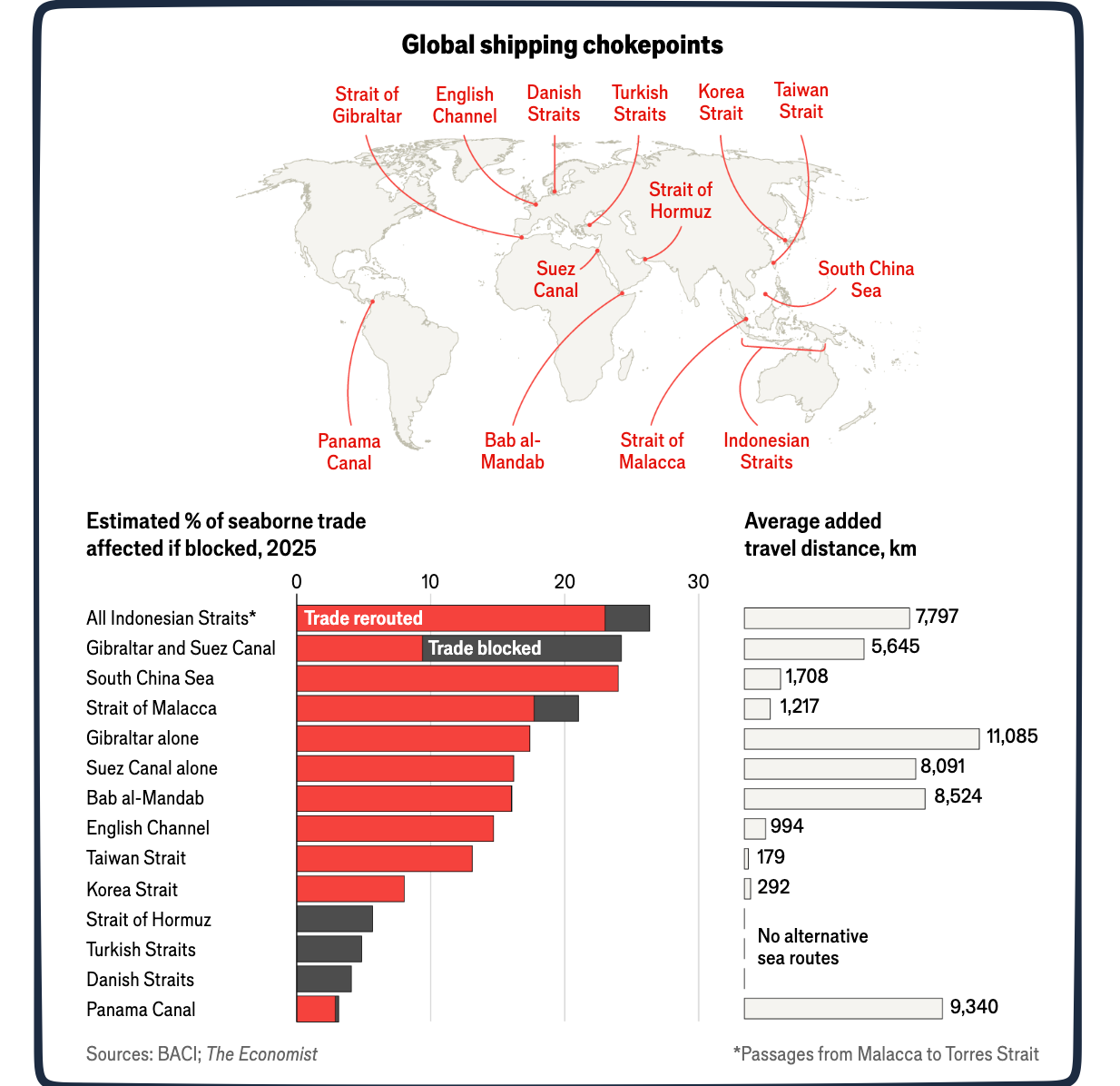
The Strait of Hormuz is one of 13 shipping chokepoints named by The Economist:
shipping chokepoints


Each, when blocked, (as we saw with the Ever Given and Suez in 2021), creates countless negative externalities.

Is a gray, black, and white cereal box a negative externality?


My sources and more: Today, our first step was the Atlantic Council and then two Economist articles on chokepoints, here and here. From there, more specifically, we moved to naphtha here and here. And finally, it all took us to Japanese cereal boxes, here and here.


Source link

Leave a Reply

Subscribe to Our Newsletter

Get our latest articles delivered straight to your inbox. No spam, we promise.

Recent Reviews


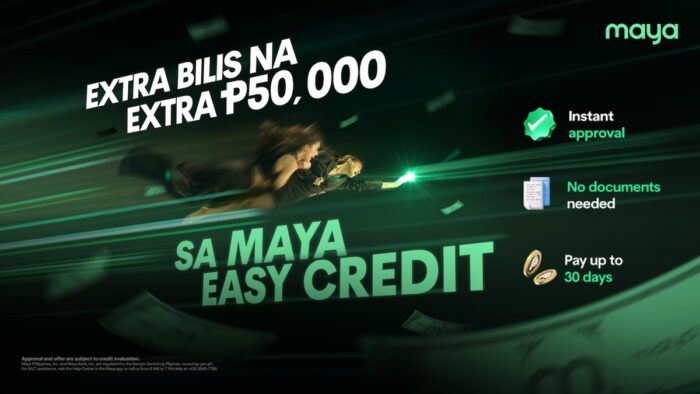
Need Extra Funds, Fast? Now You Can Get Up to P50,000 with Maya Easy Credit

Sometimes, you need extra funds quickly. This isn’t always due to errors or issues, but because life’s circumstances can be unpredictable: bills may accumulate and overlap, expenses might come sooner than expected, or your paycheck might not have been deposited yet. These common situations can catch you off guard.

Borrow Up to P50,000 with Maya Easy Credit

Borrow Up to P50,000 with Maya Easy Credit

That’s precisely where Maya Easy Credit[1], from Maya, the nation’s top Digital Bank and leading all-in-one fintech platform, fits in.

Now with an increased limit of up to P50,000, Maya Easy Credit offers quick access to additional funds during urgent times. Whether you need to cover overlapping bills, manage expenses before your next paycheck, or just create more breathing room, it’s designed to support you through those moments—without adding complexity.

The reality is that many traditional options are created for larger, long-term commitments, which are often more than what’s necessary for a short-term gap.

Maya Easy Credit offers flexibility without long-term commitment. You can use it as a revolving credit line: borrow only what you need, repay within 30 days, and pay a service fee starting at 3.99%, calculated only on the used amount. It’s straightforward, transparent, and easy to manage.

Honestly, this change has been inevitable for a while. For years, credit was stigmatized — seen as something to avoid and only used when problems arose. However, daily financial management no longer operates that way.

Lately, the focus is less on major emergencies and more on timing. Your expenses (gastos) don’t always align with your salary (sweldo), and often, the real challenge isn’t about affording something but having the funds available at the moment.

That’s why credit is beginning to seem different. No longer a last resort, but a useful instrument—something you can rely on when appropriate: short-term, adaptable, and straightforward to handle, providing just enough to keep progress steady.

Since Maya Easy Credit is integrated into the app you already use for payments and savings, it offers a seamless experience. You can check your available credit and make repayments directly within the app—no paperwork, no collateral, no additional steps. It provides instant access whenever you need it.

Having that option alters your perspective on managing money. What’s truly changing isn’t only how people utilize credit, but also how it integrates into daily life. It’s no longer just a resource for emergencies; it’s increasingly a part of everyday financial handling.

And sometimes, that’s all it takes—just a little extra to keep things moving.

To know more, visit maya.ph or mayabank.ph, and follow @mayaiseverything on Facebook, Instagram, YouTube, and TikTok to stay updated. Approval and offer are subject to credit evaluation. Maya Philippines, Inc. and Maya Bank, Inc. are regulated by the Bangko Sentral ng Pilipinas. www.bsp.gov.ph. For 24/7 assistance, visit the Help Center in the Maya app or call us from 8 AM to 7 PM daily at +632 8845-7788.

Follow and subscribe to OutofTownBlog.com  on  Facebook Twitter Instagram, Pinterest, and YouTube  for more Travel-related updates.

Read: Get Summer-Ready: Boost Your Travel Fund with Maya


Source link