
Most drivers don’t necessarily set out to buy a vehicle that’s going to continue to rack up costly maintenance expenses after it’s driven off the lot. And the desirability of such a thing probably decreases even more as you get older — retirees often have lower, sometimes fixed incomes and every penny spent counts, after all. For these people, it’s extra important to stick to brands with the cheapest maintenance costs to ensure their vehicle won’t become an unsustainable money pit the longer they own it.
Older people want a car that’s easy to get in and out of, offers a comfortable ride, and promises to be one of the most dependable cars while simultaneously staying fairly affordable. Quite a few great retiree-friendly options fit those parameters, including a few luxury cars that are surprisingly cheap to maintain, but finding them can be tough. Less tough is finding the cars that are worst for retirees, largely due to upkeep costs, to help you learn which makes and models to steer clear of during your next car search.
Land Rover Range Rover
Commonly mistaken as just a Land Rover, the Range Rover isn’t the best fit for retirees. Land Rover says the most affordable 2026 Range Rover has an MSRP from $113,300, plus a destination fee of $2,150 for Range Rover models. It might be a roomy SUV that’s fairly low to the ground and easy to get in and out of, but that sticker shock is hard for the average person to handle, let alone a retiree working with a fixed budget.
Looking at the specific Range Rover configuration mentioned above, Land Rover estimates it has a fuel economy of about 21 mpg combined. By itself, that’s not terrible fuel efficiency, but when you factor in the vehicle’s initial price and its long-term maintenance expenses, it all adds up to very expensive car to own. CarEdge predicts that a Land Rover Range Rover will rack up roughly $19,750 in maintenance and repairs within its first 10 years, and that this model has a 51.3% chance of needing a major repair, costing $500 or more, within the first five years.
Porsche Cayenne
Not all Porsche models are costly to maintain, but the Porsche Cayenne is. On top of its starting MSRP set at a high $89,900 (plus a $2,350 delivery, processing, and handling fee), the Cayenne is pricey to maintain. To keep up with recommended maintenance and repairs in the first five years, one rough estimate for a Cayenne from a dealership located in Fremont, California says your costs could be nearly $12,000.
That number is a lot higher than Consumer Reports seems to think, listing a five-year estimate for Porsche vehicles in general at $4,950 in its overall rankings of car brand by maintenance cost. If anything, it’s more on track with the site’s 10-year maintenance cost estimate of $17,900 total for Porsche vehicles overall. Consumer Affairs‘ list of average maintenance and repair costs by brand also predicts that Porsche models will, on average, take about $1,712 to maintain in 2025. Simply multiplying that estimate by 10, not taking into account any increase in service or part prices, the 10-year upkeep costs would fall around $17,120.
Even though we loved the 2024 Cayenne for its luxurious interior and smooth ride, it isn’t very senior-friendly, thanks to high upfront and long-term costs as well as poor fuel efficiency. On highways, the Cayenne can get about 23 mpg, but in the city, that dips to 17 mpg. That leaves a disappointing combined fuel economy of only 19 mpg. Granted, it does have a fairly large, 23.7-gallon fuel tank, but filling up will be an expensive endeavor.
Audi Q8
If you’re a retiree looking to buy a luxury car, Audi isn’t the worst brand to go after, but there are quite a few other options that are less expensive to maintain. Consumer Reports published data that says the average Audi model will cost roughly $2,050 to maintain in the first five years and about $9,300 to maintain over the five years after that, for a total of $11,350 in maintenance and repair costs within the first 10 years of owning the vehicle.
Some models, like the Q8, have maintenance cost estimates that well exceed the average listed by Consumer Reports. CarEdge guesses the upkeep expenses for the Audi Q8 to be approximately $13,351 over the first 10 years of service, and that’s on top of the Q8’s starting MSRP of $75,600 (plus a $1,295 destination charge) and expensive fuel, thanks to its combined fuel economy of 19 mpg.
BMW X6 M
Although BMW vehicles have a steep price tag at the dealership, their regular maintenance costs are relatively low, at least when compared with other luxury vehicles. Some BMW models are surprisingly affordable to maintain despite a high initial cost, proven by Consumer Reports’ data that shows BMW vehicle maintenance in the first five years averages out to $1,700. After 10 years total, the cost of maintenance and repairs is about $11,000 for most BMW vehicles, but not for its X6 M models.
For 2027 BMW X6 M60i and X6 M Competition vehicles, the starting MSRP is $98,000 and $136,100, respectively, plus a destination charge of $1,450 for both models. On top of that six-figure price, CarEdge estimates BMW X6 M models will cost roughly $20,496 during its first 10 years of service, just for maintenance and repairs, and that the vehicle has a 56% chance of needing a major repair of $500 or more within the first five years. BMW X6 M models would also require retirees to budget a little extra for gas, as most of these models tend to offer a sad combined fuel economy of 15 mpg.
Jaguar F-Pace
Retirees may be attracted to the reliability of Jaguar’s F-Pace models, along with high-end tech interior details that make the ride more comfortable. The 2026 Jaguar F-Pace (P250 R-Dynamic S) even has a relatively low starting MSRP of $57,000 (plus a $1,375 destination fee) that might draw in seniors wanting a luxury car. But with upkeep costs that are just under a third of the car’s upfront price, this isn’t the smartest pick for retirees.
According to CarEdge, performing regular maintenance and common repairs on an F-Pace model from Jaguar will cost about $17,318 over its first 10 years. Plus, the site estimates there’s a 49.8% chance that an F-Pace vehicle will need a major repair, defined as costing $500 or more, at some point during those 10 years. The F-Pace’s only slight saving grace is its fuel efficiency. Jaguar says its EPA-estimated combined fuel economy is 24 mpg (22 city, 27 highway), which is unexpectedly great for a luxury SUV.
Infiniti QX80
The Infiniti QX80 is a big SUV, with a roomy interior and plenty of cargo space for retirees to comfortably take plenty of impromptu road trips as they enter post-work life. But when it comes to total cost, Infiniti’s QX80 is perhaps one of the worst cars retirees can splurge on. The QX80 has a starting MSRP of $83,750 (plus a $2,190 destination charge), and that already-exorbitant price tag can easily reach six figures with an upgraded trim and other extras, and the price just keeps growing when you factor in upkeep costs.
Over the first 10 years of service, CarEdge estimates an Infiniti QX80 will rack up about $12,489 in maintenance and repair expenses. Of these rough expenses, there’s a 33.2% chance that one expense will qualify as a major repair, defined as one that costs $500 or more. On top of these necessary costs to keep the QX80 in tip-top shape, it gets poor gas mileage. With a combined fuel economy of 17 mpg (16 mpg city, 19 mpg highway), the QX80 will require a high gas budget.
Ram 2500 and 3500
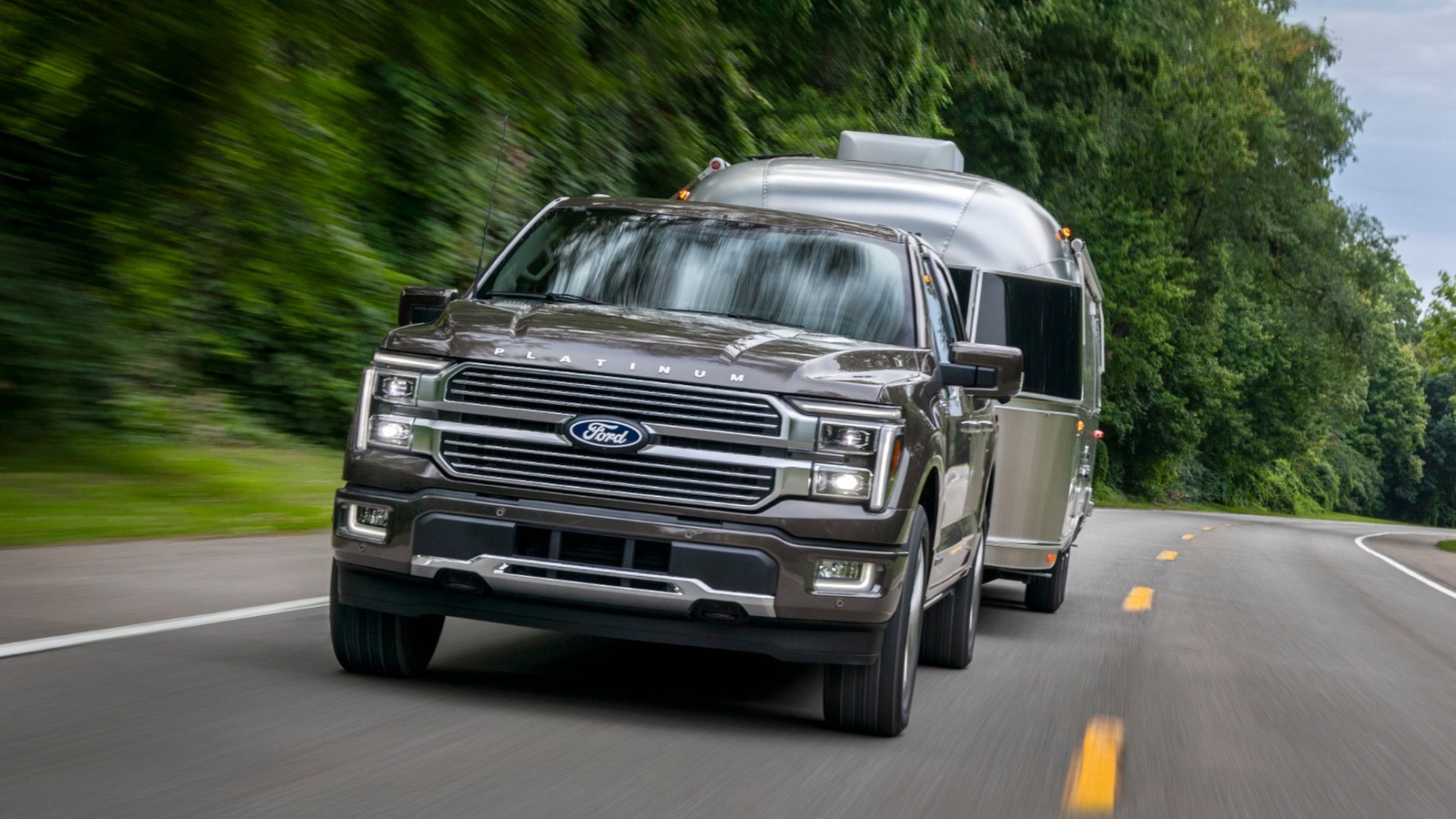
On average, Ram vehicles tend to have fairly reasonable upkeep costs. Consumer Affairs calculates the average 10-year expense total for maintenance and repairs on Ram vehicles to be about $10,200. This matches Consumer Reports’ yearly maintenance estimate of about $992 for most Ram models. However, when it comes to Ram’s most powerful trucks, like the Ram 3500 and the Ram 2500, the average upkeep costs are much higher. These Ram trucks are great for towing, but not great for retiree’s wallets.
According to CarEdge, Ram’s 3500 model may cost owners a whopping $27,244 in maintenance and repair costs over the first 10 years, with an 81.8% chance of requiring a major repair that costs $500 or more. The Ram 2500 isn’t much better, either. CarEdge estimates the 2500 model could need about $27,228 worth of maintenance and repairs within the first 10 years. These heavy-duty trucks are exempt from requiring an EPA-estimated fuel economy rating so there’s no way to tell exactly how much money they’ll require in gas, but considering they’re built for towing over efficiency, they’ll likely require a lot.
GMC Sierra 2500 HD and Sierra 3500 HD
Some retirees want a quiet life, and others crave off-roading adventures they never found time for while working. For the latter, or any retiree who might need to frequently tow a camper, a boat, or a utility trailer, investing in a heavy-duty truck simply makes sense. One of the unfortunate trade-offs with heavy-duty trucks is that they’re not required to have an EPA-estimated fuel economy rating because they’re designed to be powerful, not efficient.
Powerful trucks will always have high fuel costs to account for when considering upkeep costs, but not all will require as many maintenance and repair costs as GMC’s Sierra 2500 HD and Sierra 3500 HD models. Based on data gathered by CarEdge, the Sierra 2500 HD could cost an owner around $13,755 for regular maintenance and repairs in the first 10 years, and the Sierra 3500 HD might only cost $13,799, a tiny bit more for similar expenses over the same 10-year period. Luckily, the starting MSRP for these GMC trucks is $47,000 (plus a $2,795 destination charge) which is relatively affordable for a truck with towing capacity this strong.
Cadillac Escalade
For retirees wanting a luxury car brand, Cadillac is probably a top contender. The company has a lot of affordable models to choose from, but one seniors should avoid is the Cadillac Escalade. It has a spacious cabin and plenty of leg room and cargo space, but it’s likely out of the price range for most retirees, even before factoring in the upkeep costs. The base 2026 Cadillac Escalade has a starting MSRP of $91,900 (plus a $2,895 destination charge), but the most expensive Platinum Sport variant has a starting MSRP of $126,295.
For maintenance and repair expenses over the first 10 years, you can expect to fork over roughly $14,442, according to estimates by CarEdge. That’s about double what Consumer Reports says the average Cadillac model will cost in 10-year maintenance and repair expenses, which is about $7,530. And unfortunately, you won’t save any money on gas either, as the EPA-estimated combined fuel economy rating for the 2025 Escalade is 17 mpg. If you’re still set on an Escalade, opt for a first-generation model instead. A 1999 or 2000 Escalade is a relatively cheap car upfront, but is still a bit costly to maintain.
Acura MDX
Acura has a low satisfaction score via Consumer Reports, which means customers don’t love this luxury brand’s seat comfort and ride comfort across all models. These elements especially matter to seniors, who need a comfortable ride more than younger generations, but the biggest reason Acura’s MDX model is one of the worst cars for retirees is its upkeep costs. Data from CarEdge shows that it could cost roughly $10,565 for maintenance and repairs to an Acura MDX within the first 10 years of service.
This is a steep price compared to the average 10-year maintenance and repair costs for Acura-branded vehicles in general, which Consumer Reports estimates to be about $7,725, and the much lower maintenance costs for other brands, like Toyota, Lincoln, and Buick, all of which have estimated maintenance costs of less than $6,000. Plus, the Acura MDX is already priced like a luxury vehicle, with a starting MSRP of $51,800 (plus a $1,450 SUV destination charge).
Considering the MDX’s base retail price and the cost of maintaining it over 10 years, its fuel efficiency isn’t terrible. It has an EPA-estimated combined fuel economy rating of 22 mpg (19 mpg city, 26 mpg highway) and a fuel tank capacity of 18.5 gallons, so it won’t need to be filled super often or cost as much as fueling other vehicles mentioned here.
Subaru Ascent
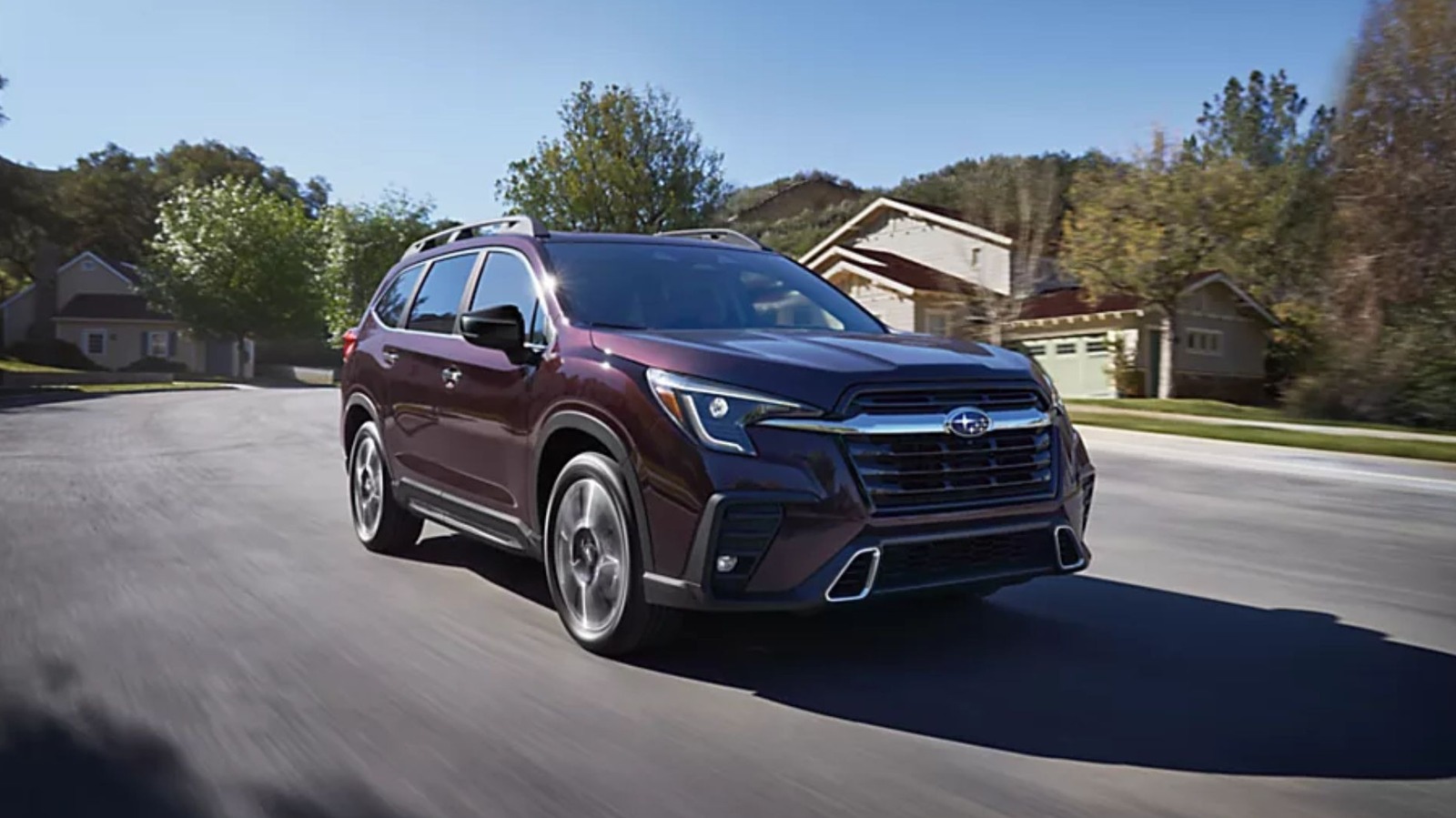
The Subaru Ascent is a solid midsize SUV, with responsive handling, a spacious and comfortable interior, and a large vertical screen with high resolution and excellent contrast, both features that make the 11.6-inch display easy for seniors to read and use. On paper, the Ascent sounds like a retiree-friendly model — at least, until details about its price come into play.
The base Ascent model has a relatively reasonable starting MSRP of $40,795 (with a $1,450 destination fee), though this total can quickly go up with special trims and feature packages. Then, to keep up with the Ascent’s maintenance and repairs over the first 10 years of its life, CarEdge says you may need roughly $8,778. In its favor, it has decent EPA-estimated fuel economy ratings of 19 mpg in the city and 26 mpg on highways (or 23 mpg combined), so owners wouldn’t be spending a ridiculous amount of money on gas
Jeep Gladiator
The Jeep Gladiator is a great vehicle for anyone who loves spending time outdoors and going off-roading, though there are a few common complaints among Gladiator owners. That said, it’s not necessarily an ideal option for seniors, especially those who are trying to pinch pennies wherever possible, as the starting MSRP alone for a 2026 Jeep Gladiator Sport is $40,015 (plus a $1,995 destination charge).
Adding in maintenance and repair fees for the first 10 years, estimated by CarEdge, the total goes up by about $12,640. Among those possible expenses, CarEdge postulates there could be a 37% chance one repair qualifies as major, costing $500 or more. Then, you can’t forget to factor in the cost of gas. The Gladiator has an EPA-estimated combined fuel economy of 19 mpg, so pricey fill-ups might be frequent. If you like certain elements of this Jeep model, but not its price, check out these cheaper alternatives to the Gladiator.
Methodology
We consulted a variety of different sources to find out which cars are the worst for retirees, based on their upkeep costs. The most obvious factor to consider when looking at upkeep costs is long-term maintenance expenses. First, we searched through and organized data from Consumer Reports and Consumer Affairs to figure out which car brands are the most expensive to maintain. With that information, we headed to CarEdge and other sites, when needed, to figure out which model(s) are the most expensive to maintain within each selected brand.
A vehicle’s maintenance expenses are likely the priciest expense a retiree will pay for their car, but when considering the long-term costs of owning a vehicle, we can’t forget about fuel costs. Using our long list of cars with high maintenance costs, we researched each model’s most recent fuel economy estimate via the manufacturer’s website. We tried to select vehicles that are both expensive to maintain and have middling fuel economy, as well as a good mix of relatively affordable vehicles with high maintenance costs and vehicles that are pricey upfront and in the long-term.

Stephan is the sports journalist for the Maple Grove Report.