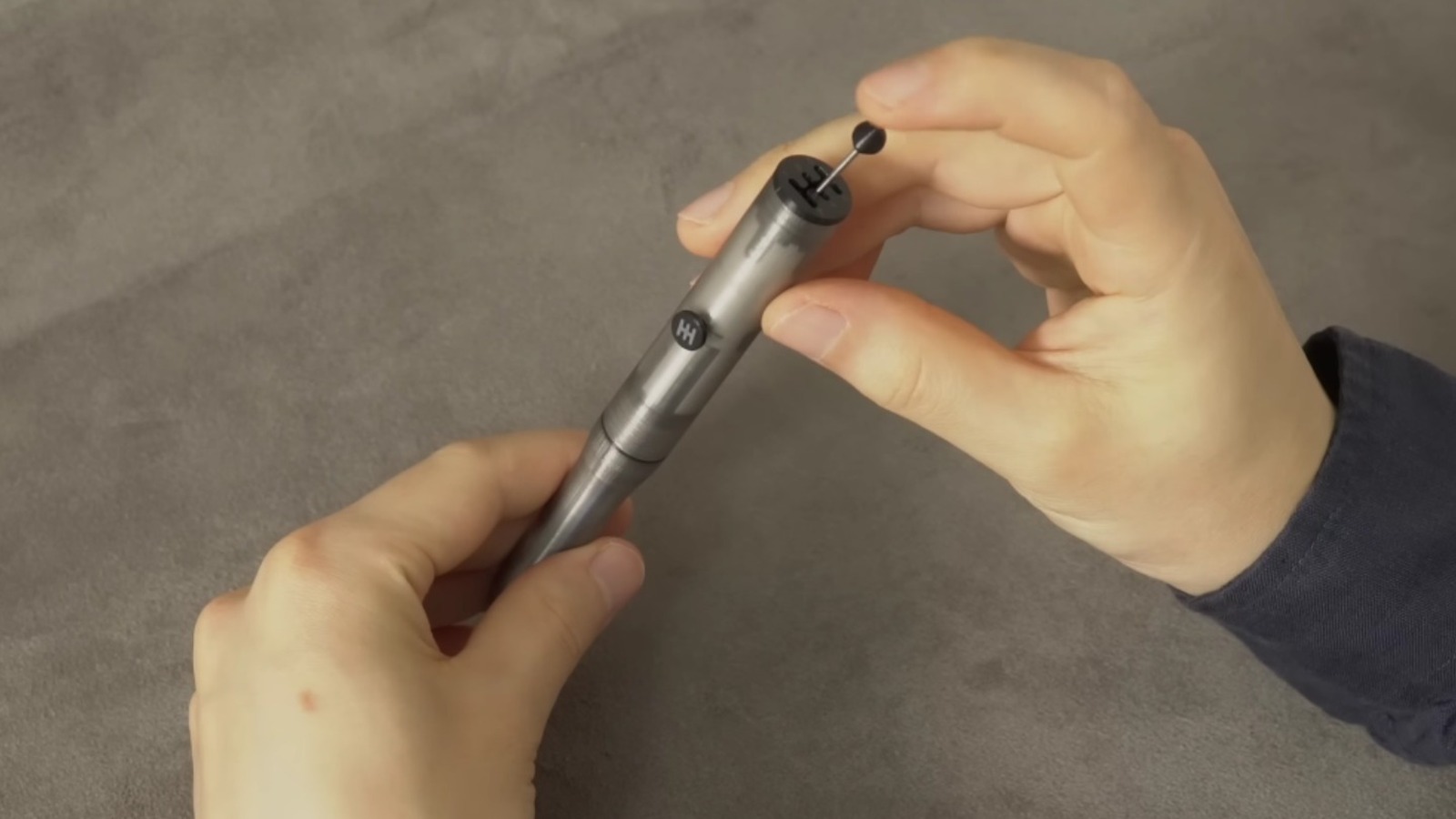

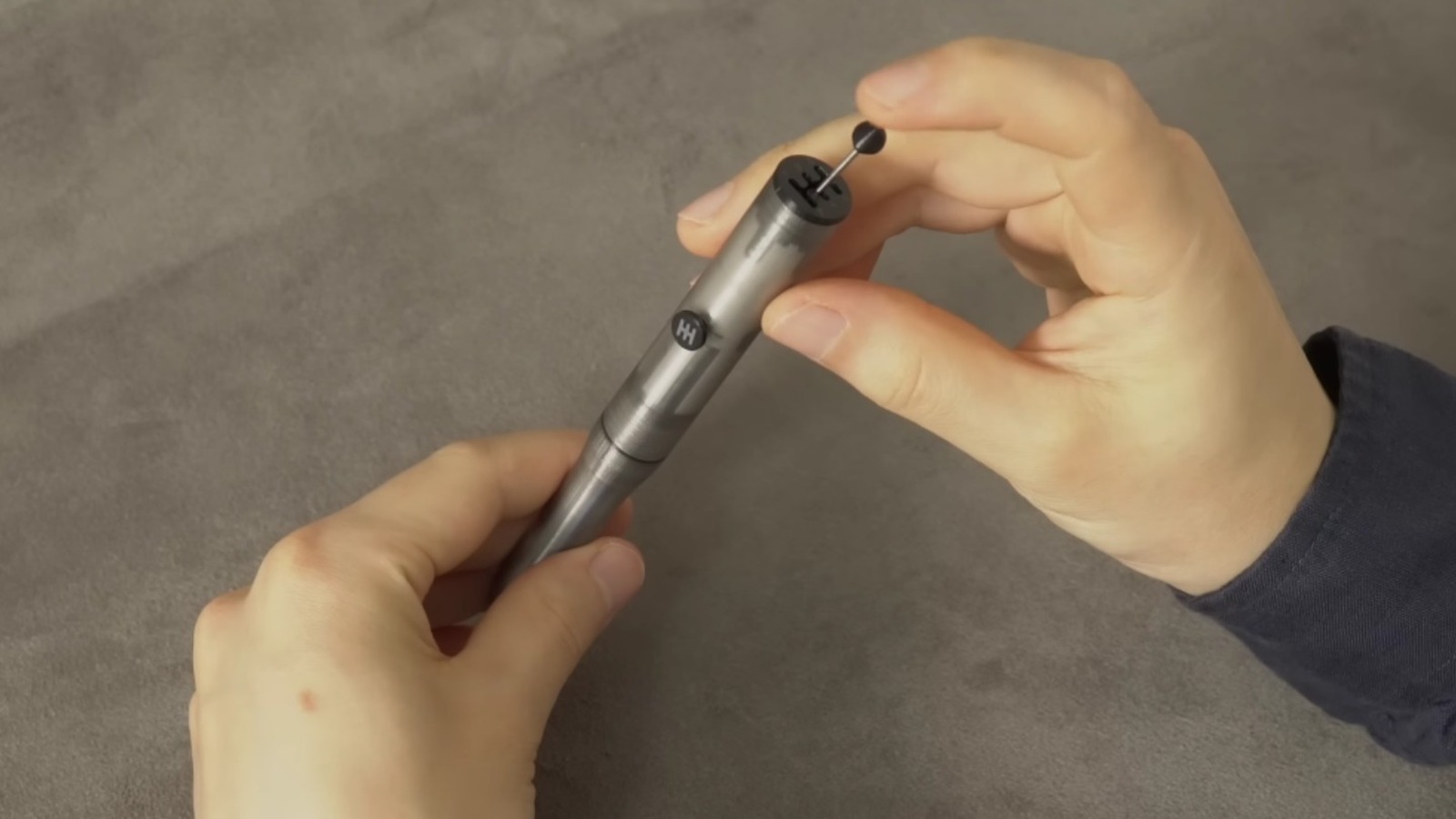
A commonplace pen is one of the most unspectacular tools imaginable. Take the classic Bic Cristal, for instance: As of 2025, Bic has sold more than 120 billion of them. We’re used to grabbing pens without a second thought about them, but some pens have special mechanics behind them. This particular one, for instance, isn’t your standard color-switching option.
Pens with working gear shifts and manual transmissions may seem like a silly idea, but they can actually be functional, and even rather practical. Roulton proudly declares that it offers “the world’s first manual transmission pen,” which switches between ink colors by means of a tiny working gear shift. Though it’s a novelty, for sure, the model, the engineering that YouTube’s Maker B put into making it work, and the practical advantages that the unique setup can offer is impressive. Here’s what went into building this unique writing implement.
Making a manual transmission pen
It can be difficult to resist a great fidget gadget. It’s common to find one that doubles as a pen, and because of the smooth and satisfying action of a stick shift (even a tiny one), this is exactly what this pen offers.
In April 2024, YouTube’s Maker B posted the video, which demonstrates their meticulous process for crafting the pen. The maker begins their work with precise machine-cutting of copper tubing, including the thread cutting that’s so crucial to the ‘twist’ motion of the components. Careful thread tapering and cutting, as well as the steady layer-by-layer crafting of the clutch pedal, is astonishing to watch, as each delicate component from the shifter to the housing of the push rods is custom made.
One commenter on the video declared that they’d spend a lot on this pen, and several others were soon jokingly competing to out-bid them. The demand was clearly there. As a result, Roulton ultimately began stocking the item, in two varieties. The Manual Transmission Pen is available in three different colors: Blue, Black, and Olive. They’re priced at $38.50, and there’s also a version of the standard pen that has been further customized with a stainless steel Shift Knob and Clutch Button. This particular version will cost $52.50, the so-called Manual Transmission Pen Pro. For further customization, replacement clutch buttons in either black, white, or red are $3.50 each.
How the Manual Transmission Pen works
There are a lot of veteran drivers who aren’t confident with working a manual transmission, which is also called a “stick shift”. Fortunately, as far as this pen’s concerned, Roulton‘s FAQs will get you up to speed quickly.
Simply shift gear and press the clutch button simultaneously to select the right position for operation, then let go of the clutch to write in the chosen color (purple, orange, green, blue, red, or black). Another press of the clutch button will return the pen to its ‘open’ position, allowing you to select another option.
Being a mechanical device, there may be times when the pen doesn’t operate correctly. Maker B has acknowledged that one potential issue is the gear shift not returning to the correct position to be re-used. Should this happen, the suggested answer is to extend the gear lever and move it between the positions carefully but forcefully, while keeping the button held down.
This should resolve the issue, with the designer reporting that a tell-tale click should be heard to demonstrate this. That click is characteristic of the kind of feedback that a good manual gearshift provides (albeit in miniature), and part of what makes the whole idea so satisfying and tactile. Though this is not the first pen ever made with such a gear shift, the care and attention that Maker B puts into their creation is exquisite.

Stephan is the sports journalist for the Maple Grove Report.