Timotheé Chalamet has been everywhere. From sitting courtside at every home New York Knicks playoff game with his richer and more famous girlfriend, Kylie Jenner, to standing on top of the Las Vegas Dome (illuminated as a giant orange ping pong ball) to promote his latest theatrical effort, “Marty Supreme.”
As is guaranteed with this amount of exposure, he has ruffled some feathers (some decontextualized, offhanded comments about ballet and opera have swept the internet), but he has only continued to rise in fame.
Related: Stardom in flux: The changing role of movie stars in modern celebrity culture
His past five years have been undeniably massive: launching the “Dune” franchise to a pandemic-ridden audience, taking two messy swings in the following years with “Don’t Look Up” and “Bones and All” (one was much more successful than the other), dominating the box office three Christmases in a row with “Wonka,” “A Complete Unknown” and “Marty Supreme,” and throwing the masterful “Dune Part Two” in the middle of those just for good measure. He has manufactured himself as a bona fide 31-year-old movie star, and he may be the only one of his generation.
There’s a clear second tier behind Chalamet: Robert Pattinson, Zendaya, Margot Robbie (surprisingly is in this generation), followed by stars like Sydney Sweeney, Tom Holland, Jacob Elordi, Austin Butler and Jenna Ortega. There are strikes against nearly all of these stars. Holland hasn’t been in a successful non-Marvel film, Pattinson might focus too much on the arthouse, Sweeney has questionable politics and acting chops and the quality of Robbie’s recent exercises is sketchy, but they’re all movie stars. The problem with this hierarchy — Chalamet clearly at the top and everyone else bouncing around below him — is that competition improves quality, and this formula doesn’t exactly promote competition.
When Robert Redford was an up-and-coming movie star, two of his earliest big hits were alongside Paul Newman (over 10 years his senior and far more established). He had to compete to be the star of his own film, and thwart the other rising careers of Steve McQueen, Dustin Hoffman, Jack Nicholson, Warren Beatty, Clint Eastwood — even Al Pacino and Robert De Niro (not to mention female stars like Jane Fonda, Barbara Streisand, Faye Dunaway and Diane Keaton).
Now, was Redford really the top star of this generation? Who’s to say? But that’s the good thing. Having nine leading men battling for the top spot is a far healthier star environment than Chalamet fighting off the occasional surge from Holland or Robbie.
The one actor whose career gives him a fighting chance to challenge Chalamet is Pattinson. Despite being nearly a decade older, he has struggled to develop his movie-star persona. His earliest hits (and still some of his biggest) cemented him as a teenage heartthrob, namely the loveable Cedric Diggory in the fourth “Harry Potter” film and the vampire love interest Edward Cullen in the schlocky “Twilight” films.

After the “Twilight” franchise ended, Pattinson spent the next 10 years of his career trying to find his place as an adult actor in the film industry. He struggled at first: Films like “Maps to the Stars” and “The Childhood of a Leader” weren’t exactly huge hits, but then he started to find his niche. Starting with the Safdie brothers’ invigorating “Good Time,” he became the perfect canvas for any hyper-talented indie auteur, next working in Claire Denis’s hypnotic “High Life” and Robert Eggers “The Lighthouse.”
He then took this auteur-foward approach and bumped it up a notch with two massive projects: Christopher Nolan’s “Tenet” and then the smash-hit of his career, “The Batman.” Although “The Batman” is the type of thing stars should usually avoid (a big-budget IP remake), there was something different about this one. Writer-director Matt Reeves thinks of Gotham like a city in a David Fincher film and gave it room to breathe while making it his own, and audiences loved it, to the tune of nearly $1 billion.
After that, Pattinson took two cool swings, but neither hit (especially financially). Bong Joon Ho’s “Parasite” follow-up, the 2025 movie “Mickey 17,” is a capitalist satire starring Pattinson in two separate roles. It’s quite flawed, but wildly entertaining and intelligent. Unfortunately, it was a box-office bomb. Later that same year, he did “Die My Love” alongside another interesting actor, Jennifer Lawrence, which was even more flawed and even more financially disastrous.
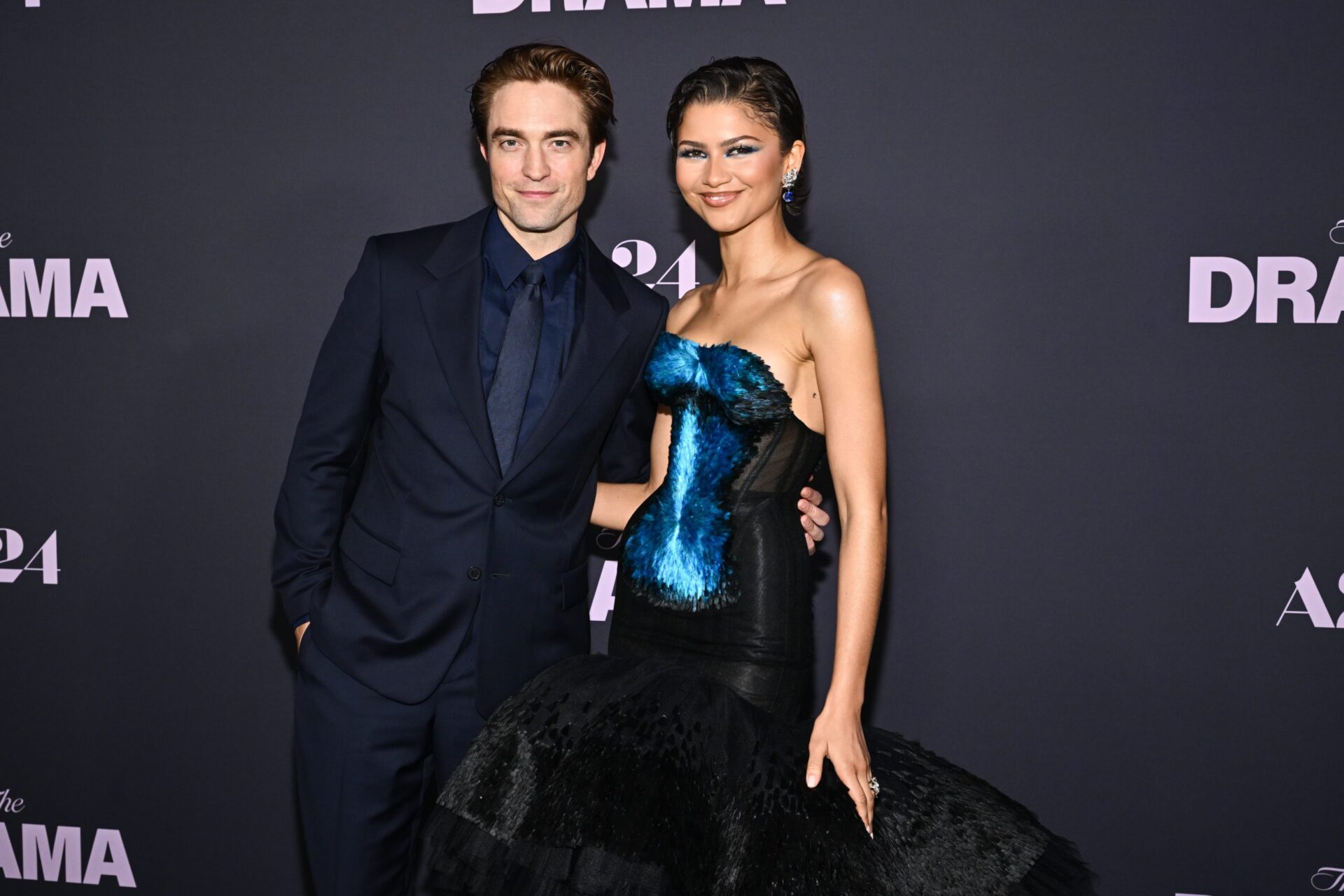
The next two years are guaranteed to be massive for Pattinson. He already had “The Drama” this year, a low-budget box office sensation, has the gargantuan “The Odyssey” coming in the summer, and is a part of the stacked cast in “Dune: Part Three.” And in 2027, he has the follow-up to “The Batman.” It’s disappointing that he’s not doing a wholly original new project, but nonetheless it will be a smash.
Like most things, competition improves quality. When Tom Cruise and Tom Hanks were exchanging blows for three decades, it made both of them better movie stars. Chalamet is an excellent actor, so is Pattinson and many others on the list, but if a few of them can be accelerated alongside Chalamet, the challenge could help movie stars matter again.
Peter Ostrem, a student journalist at St. Paul Academy and Summit School, is a senior who will be attending the University of Minnesota in the fall. He’s been working with MinnPost this spring as part of a senior project.
Related