
If you’re heading to Europe in the coming months, chances are it’s places like Amalfi, in Southern Italy, Santorini, the iconic caldera-island of Greece, or France’s glitzy and glamorous St Tropez that are on your radar.
We don’t blame you.
They’re the ones travel influencers flog to death year in, year out, and where most first-time visitors to Europe find themselves.
Either because they don’t actually mind the hefty price tag, and have grown desensitized to the petty theft that now plagues most of Europe’s mainline destinations, or they just don’t know any better.
The thing is, you actually don’t need to spend $800-a-night in a waterfront villa just because it’s Positano, nor splurge on a rooftop dinner in Oia where the cheapest starter costs $25:
This lesser-known destination is one of the cheapest across the pond, and if security remains your primary concern flying abroad in this volatile geopolitical climate, you’ll be glad to learn this summer paradise is back to being one of the safest Eurosummers:
Ayia Napa Is That One Missing Puzzle Piece On That Epic Eurosummer
We’ll take a wild guess here and say you’ve never actually heard of Ayia Napa, and if you’re somewhat familiar with its parent country, the Mediterranean island-nation of Cyprus, you’re not even sure where to look for it on a map.
Don’t take this the wrong way; that’s perfectly understandable.
Although Cyprus is a well-established destination for Europeans, hosting millions of Brits and Germans in particular every summer, Americans are nowhere near the top 10, maybe even the top 20 nationalities that visit the most.
What you should know at this point is that Cyprus is Europe’s southeastern-most country, just south of Turkey and practically touching the Levant. In fact, it’s so far east that it sits on the Asian tectonic plate, despite being culturally European, primarily populated by ethnic Greeks, and a member of the European Union.
I know, total mind blower.
By the way, Cyprus is set to join the Schengen Zone by the end of this year, a move that will directly impact travel rules for American visitors.
Before flying to Europe this season, Cyprus or elsewhere, do run a little destination check on our free-to-use Entry Requirement Checker to ensure you’ve got all your documentation in order and good to go.
Now, let’s zoom in on Ayia Napa:
Is This The Official Caribbean Of Europe?
Cyprus is packed with vibrant beach hotspots where it’s effectively summer, some way or another, year-round, from Larnaca to Limassol to Paphos, but Napa in particular takes the cake for a number of reasons.
First, it’s so cheap in comparison to similar Mediterranean getaways. Think of it as a European Punta Cana:
Many visitors arrive on charter flights and through all-inclusive deals, which puts downward pressure on prices, and many hotels are competing for tourists, especially now that demand for Cyprus has taken a major hit—we’ll get to that in a bit.
On top of that, Cyprus enjoys an unusually long tourist season, lasting roughly from early April through early November, with daytime temps rarely ever dropping below 68°F. This spreads out demand more than Western EU destinations with shorter seasons.
As a result, prices are dramatically lower than in places like Ibiza, Mykonos, or the French Riviera.
Then there’s Ayia Napa’s Mediterranean charm itself.
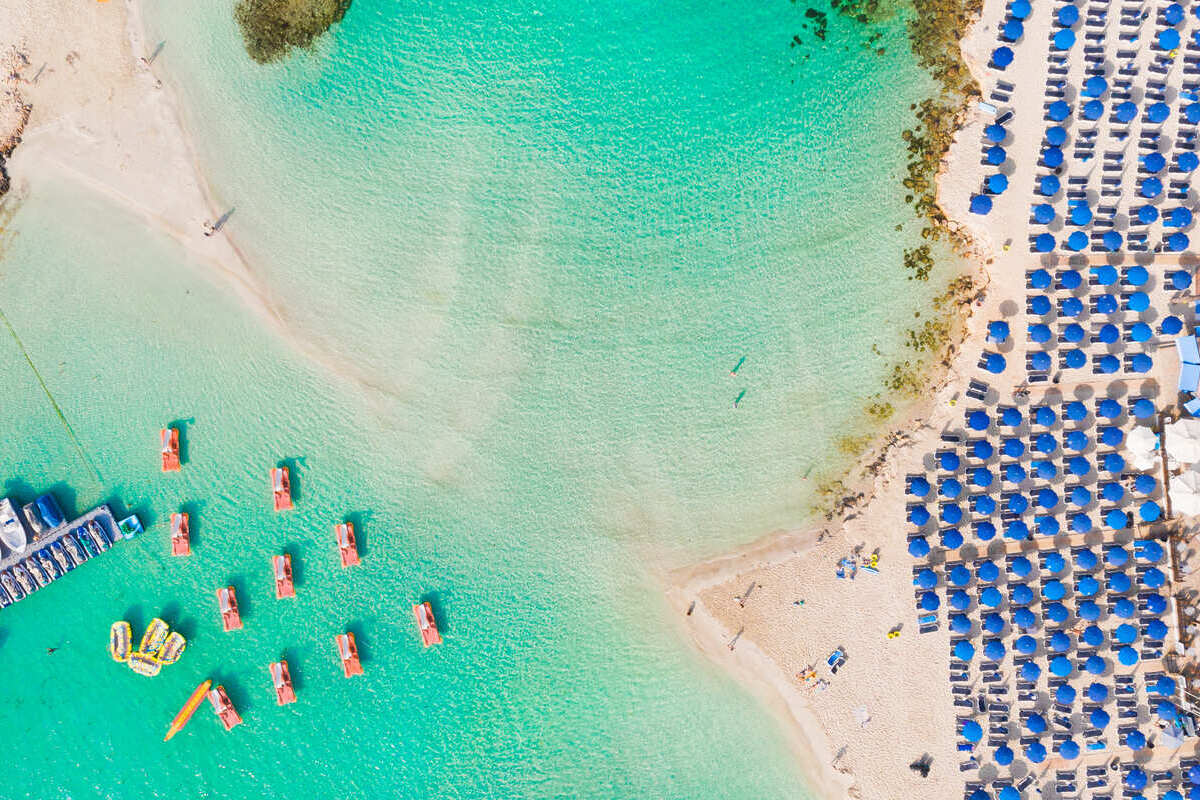
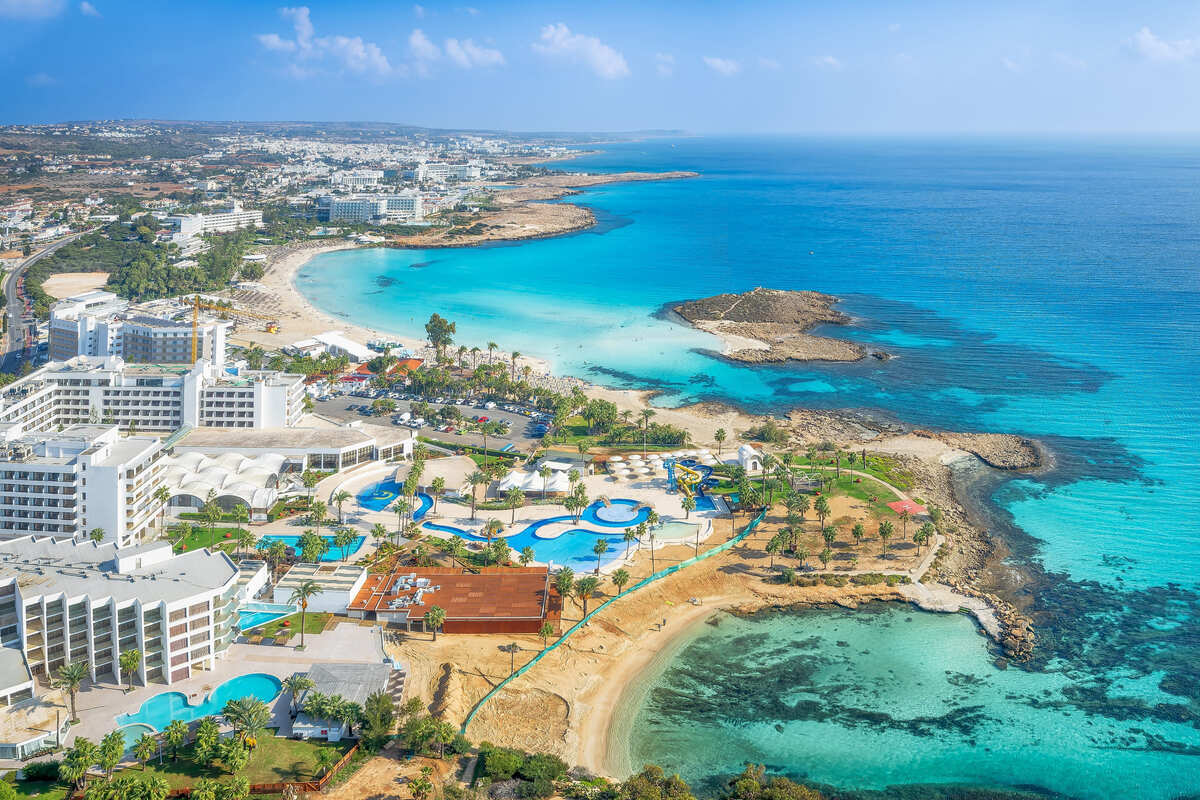
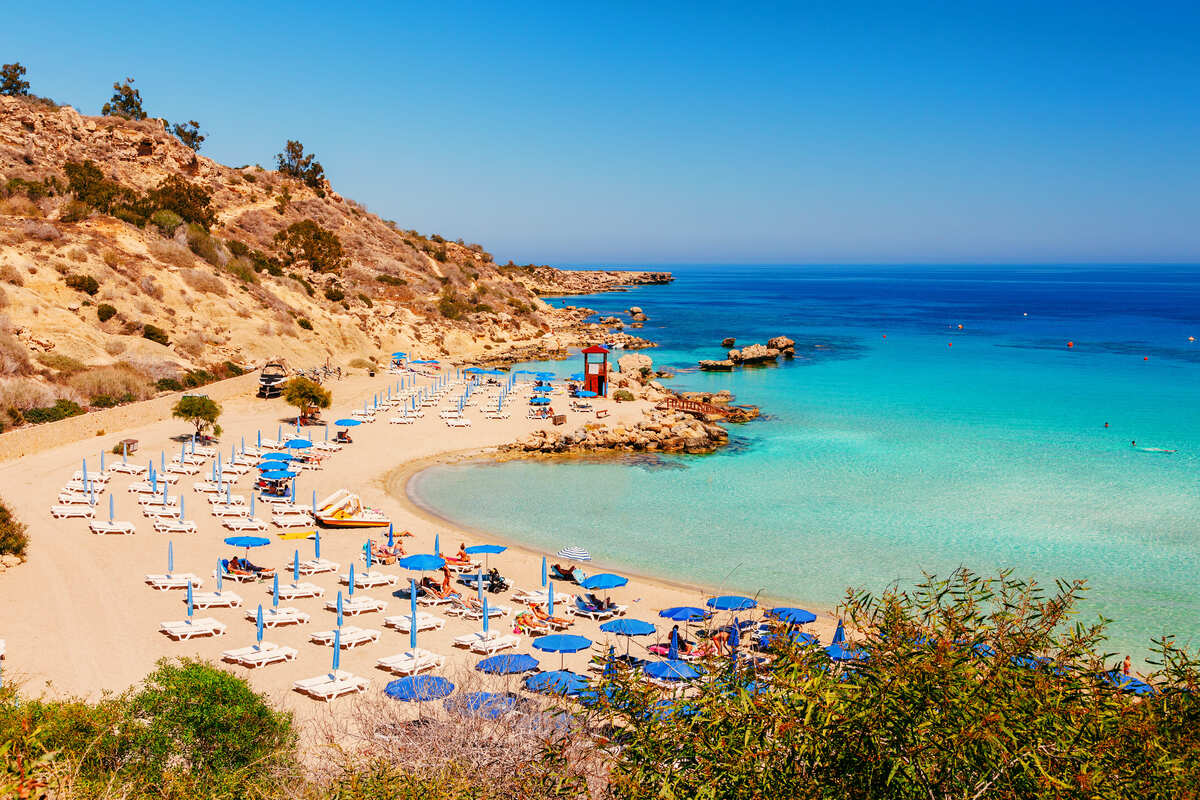
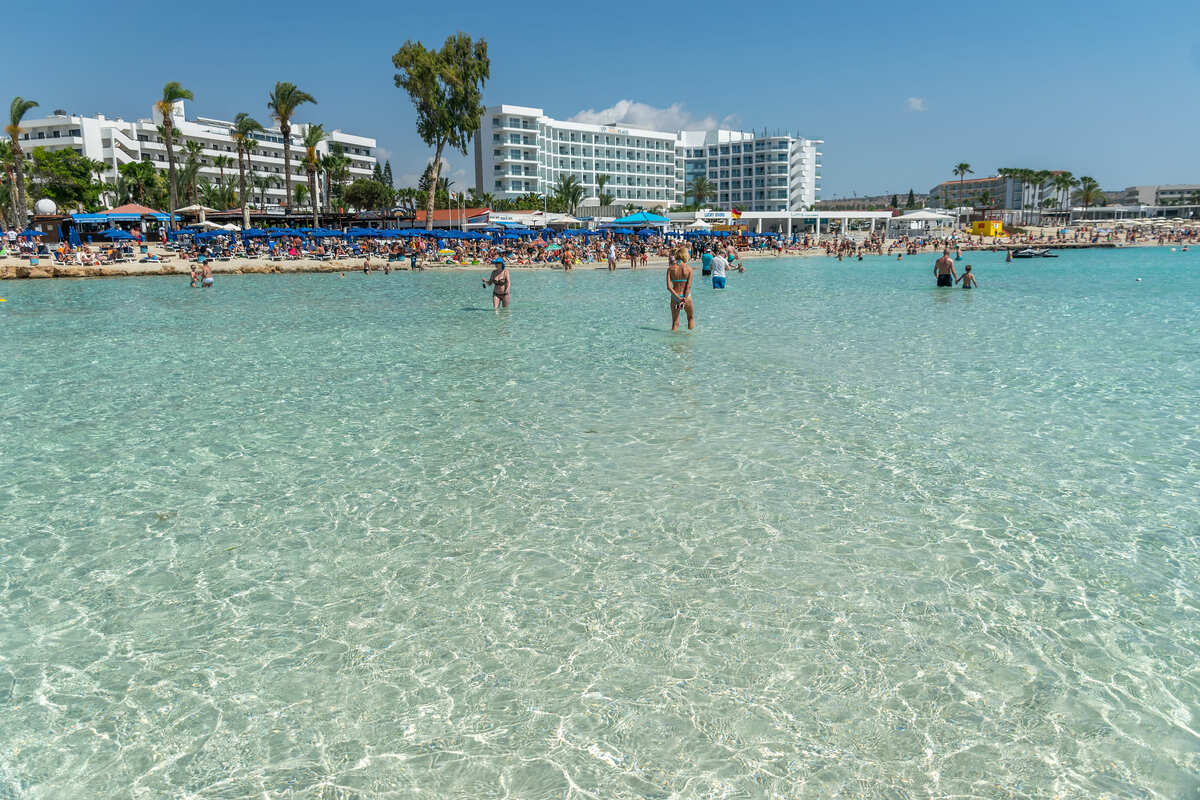
It boasts some of the clearest waters in the entire Mediterranean basin, and unlike the Dalmatian Coast in Croatia or the godforsaken Amalfi, beaches here are not paved with pointy shingles and pebbles. It’s Caribbean-like white sands.
Add to that a fast-developing resort strip, a major nightlife scene, particularly popular with British stag doers, and the hint of ancient culture hither and thither, and you get the perfect recipe for a well-rounded, balanced European summer.
That’s a lot of words, but how actually affordable is Ayia Napa?
This Is How Cheap It Gets On Cyprus’ Top Resort Hotspot
Well, how does a 4-star Nissi Beach Resort, directly on the paradisiacal Nissi Beach, with overnight rates starting from only $220-a-night sound?
Maybe a 5-star Atlantic Aeneas Resort? It boasts Europe’s largest lagoon-style pools, a 10/10 family-friendly environment, and peak summer rates as low as $250.
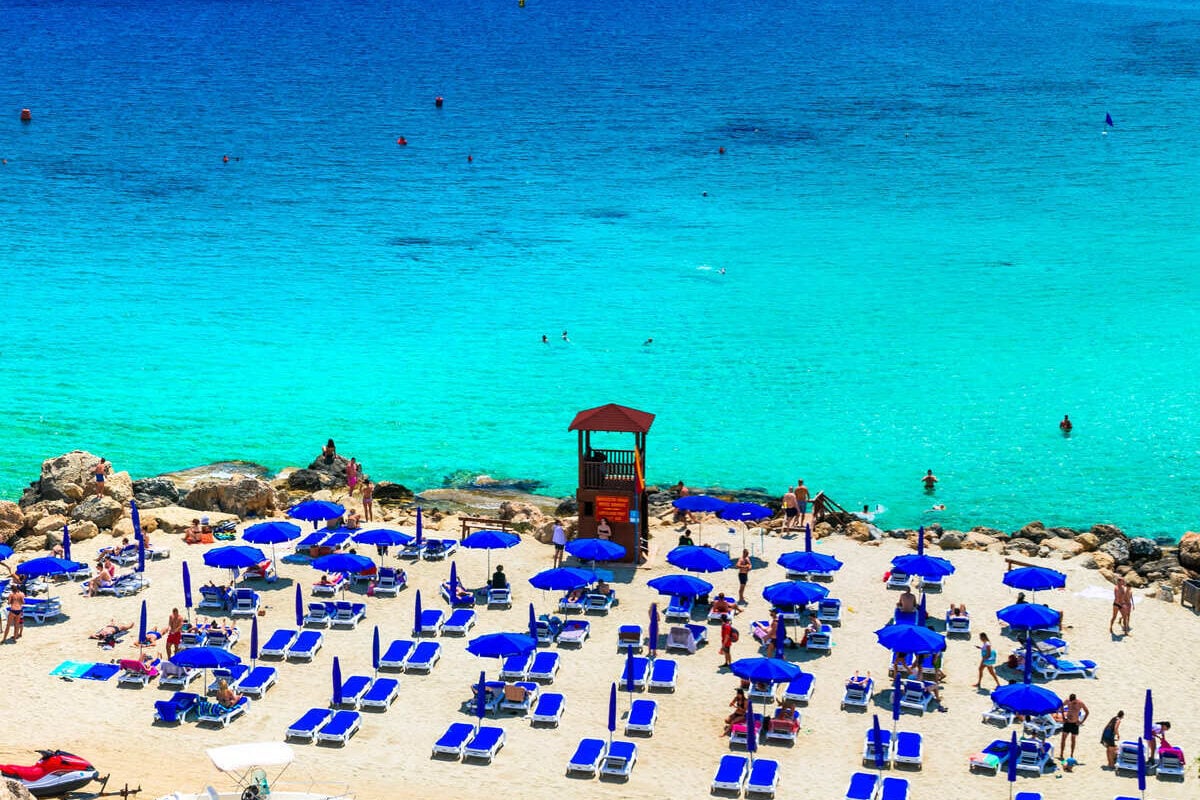
On a tighter budget? Staying in one of those local family-administered guesthouses, only a few blocks away from the main beach, will set you back by only $49–$63 per night.
Cyprus is also notorious for its budget eats, with places like Isaac Tavern, within walking distance of the main tourist street, serving up fresh fish and grilled octopus from $20–$25.
For a quick takeaway souvlaki on your way back from the all-white beach party, En Yevo Tavernaki is a local fave, and wraps start from a shockingly-cheap $12.
Craving some Cypriot barbecue and generous meze platters? Opa’s Tavern is a local-frequented taverna with main dishes ranging from $12 to $25, and Cypriot wine poured straight from the vase for $5-ish (if in availability, go for the Maratheftiko).
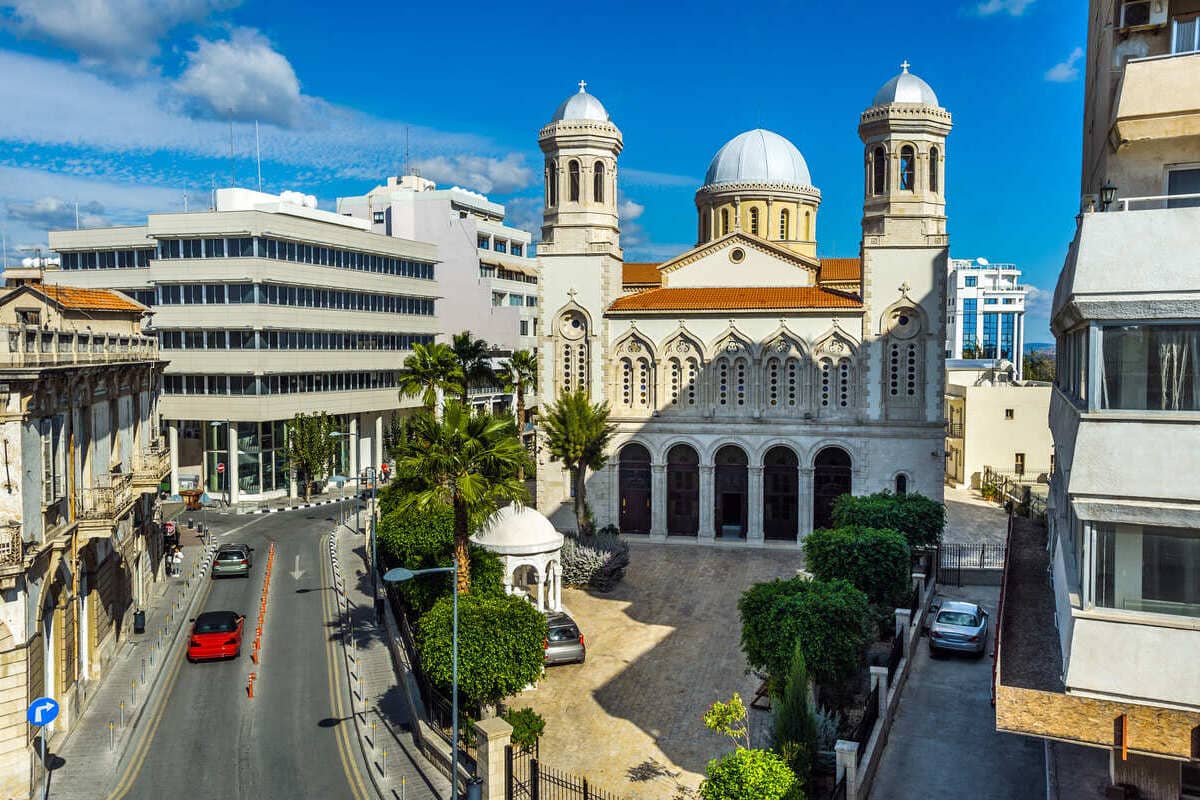
Napa Beyond Just Nissi Beach
Ayia Napa works just fine as a do-nothing beach vacay, but if you’ve been bitten by the explorer bug, it doubles as the perfect base for exploring the southeastern end of Cyprus.
Makronissos Tombs is a series of ancient rock-cut burial chambers right near the beach, some of them older than the Pyramids in Egypt.
THALASSA Museum is one of the coolest museums you’ll ever visit, chronicling not only Cyprus’ maritime history, but featuring a reconstruction of an ancient Greek merchant ship.
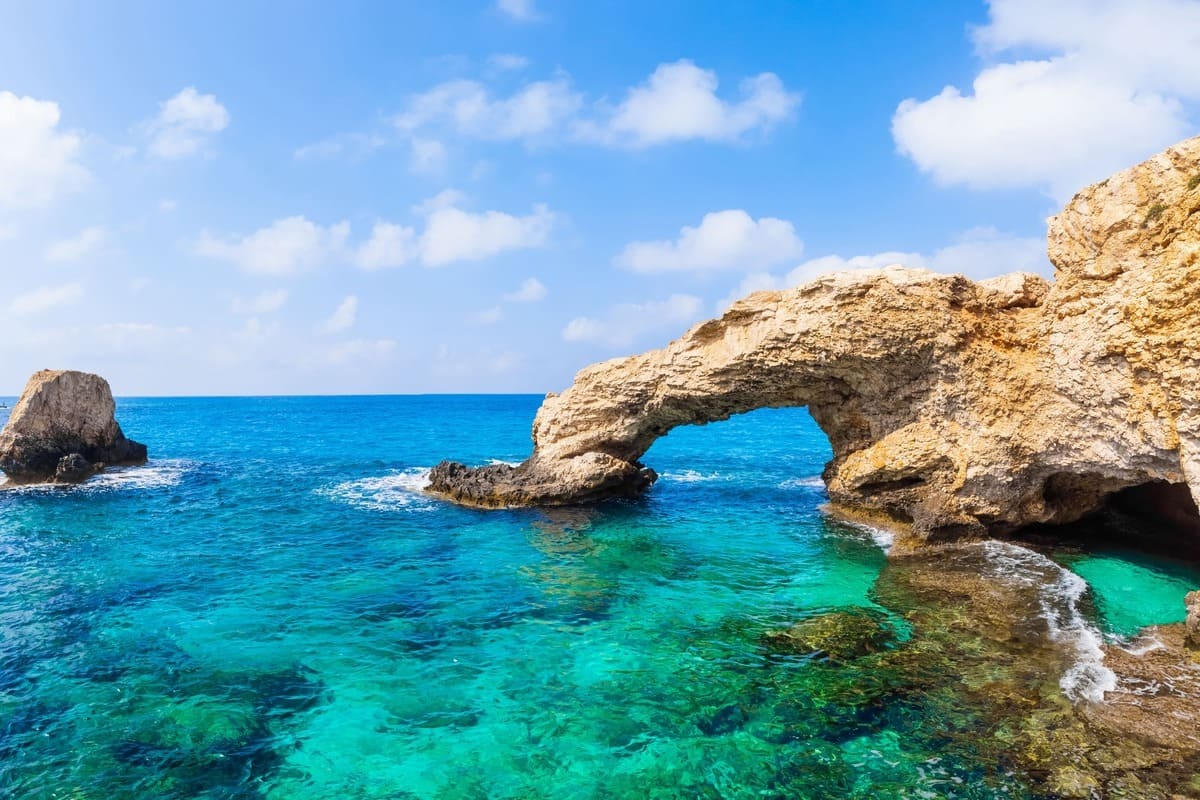
Over in Cape Greco, you’ll find sea caves, cliff viewpoints, and epic coastal hiking trails leading down to tiny turquoise coves.

The neighboring town of Protaras has an iconic blue dome church set right on a soft-sanded beach, and if you ask me, it’s just as pretty as Santorini’s cliffside ones.
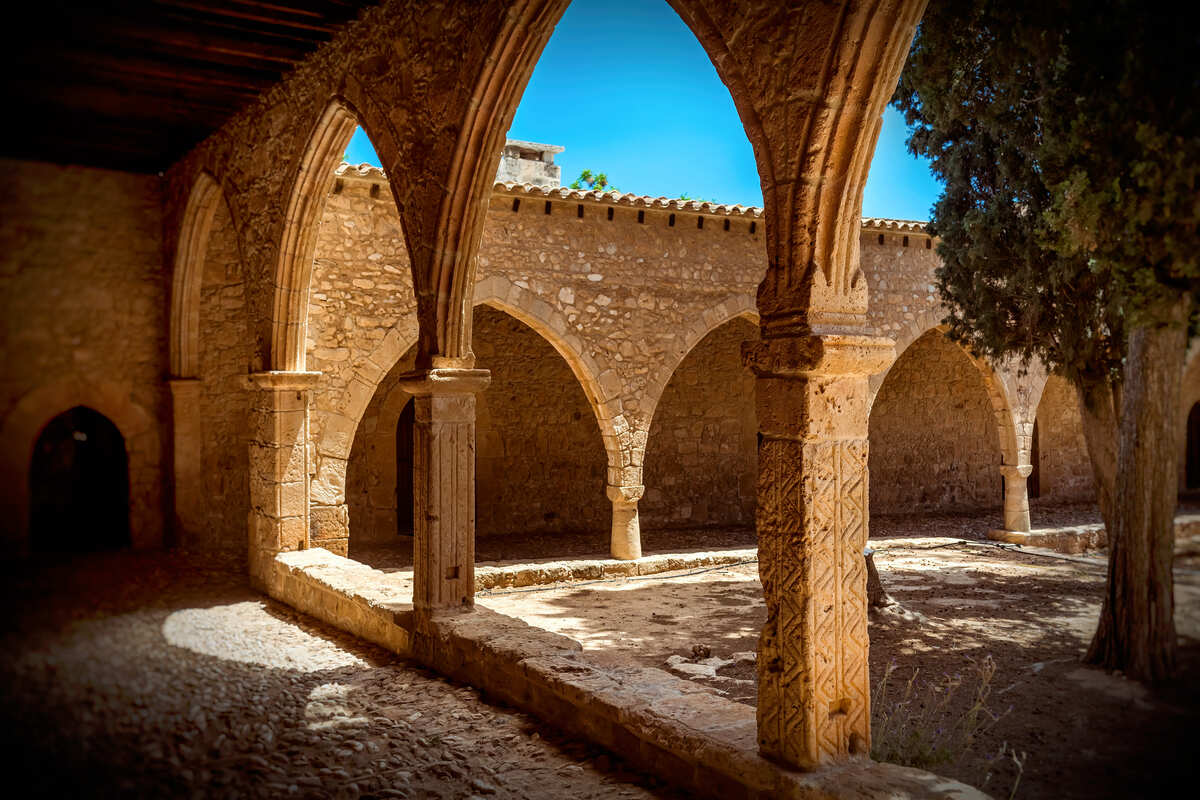
Hell, you needn’t even stray too far from the tourist zone to get the Cyprus wow factor: Ayia Napa Monastery is a well-preserved medieval monastery right in the town center, and one of the country’s most important historic landmarks.
How Safe Is Cyprus Right Now?
Now, onto the safety concerns.
If you’ve been curious enough to pull up Cyprus on Google Maps, you might have been somewhat surprised to find it has a bunch of Middle Eastern countries as some of its closest neighbors. There’s Turkey, of course… and then there’s Israel, Lebanon, Syria.
Granted, there’s at least 60 miles separating Cyprus from the Levant, but that moderate distance wasn’t enough to protect it from some accidental Iranian shelling some months back.
No casualties, just a wandering drone that hit a virtually-deserted, military base in the south of the island, and no further incidents recorded in the aftermath.
An incident that immediately prompted the U.S. Department of State to issue a Level 4 travel alert for Cyprus. In non-technical lingo, Americans were expressly told to avoid visiting Cyprus, at least for the time being.
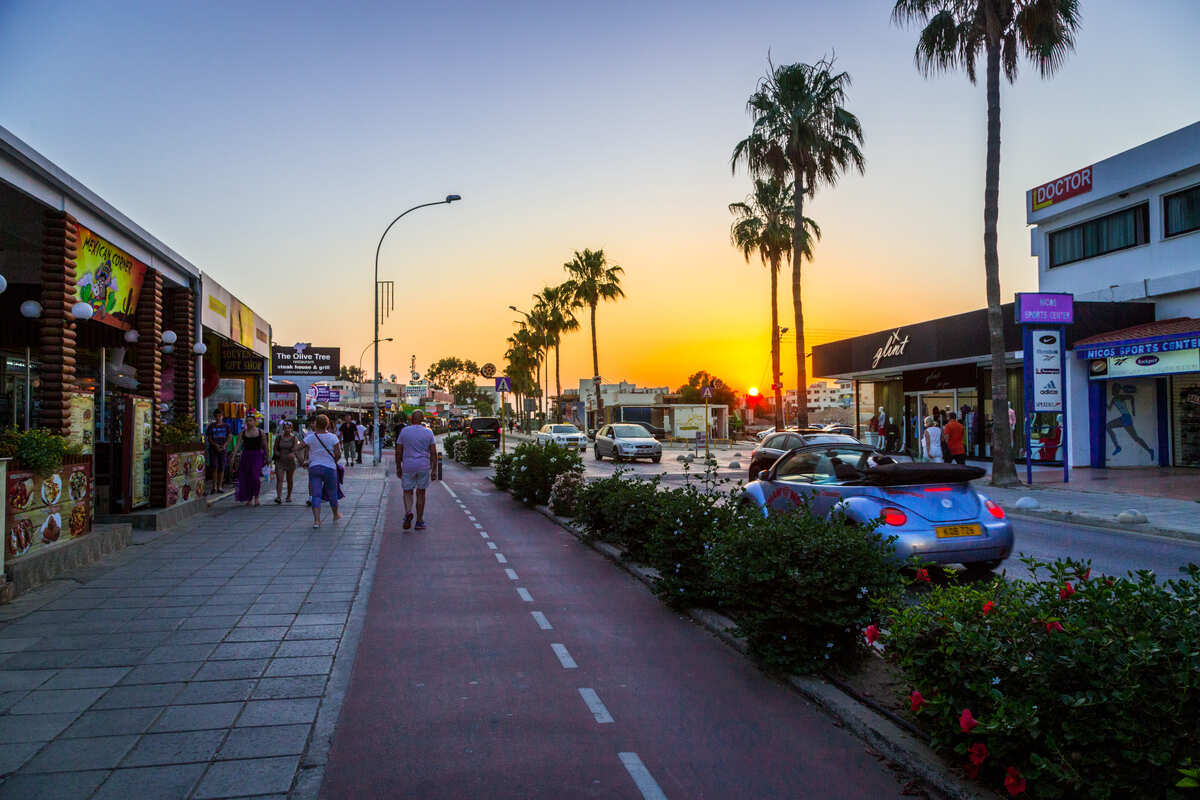
Americans aren’t exactly a major market for Cyprus, but even mainland Europeans themselves pulled the plug on their travel plans. It only took a couple of weeks until Cypriot businesses were imploring their government to take action, and for Cyprus to start courting potential tourists with price cuts.
That said, we do have good news for Cyprus (and you).
Given no new developments on the Middle Eastern war have directly impacted Cyprus, it is now back in the U.S. Gov’s graces, which has awarded it again a Level 1 destination.
In short, Americans are not only no longer discouraged from visiting, they can exercise normal precautions when hopping on that one or two-stop, Homeric Transatlantic journey to this remote Mediterranean island.
The safety perception on the Traveler Safety Index, based off of reports from recent visitors, even bumped recently from the mid-70s to 88/100 in a matter of weeks.
Yay!
Cyprus is back to being one of Europe’s safest destinations, and geopolitical down or upturns aside, the island has far lower rates of pickpocketing and petty crime than Western European beaches, and virtually-negligible levels of violent crime.
Sold on Cyprus yet? Don’t just stop in Ayia Napa:
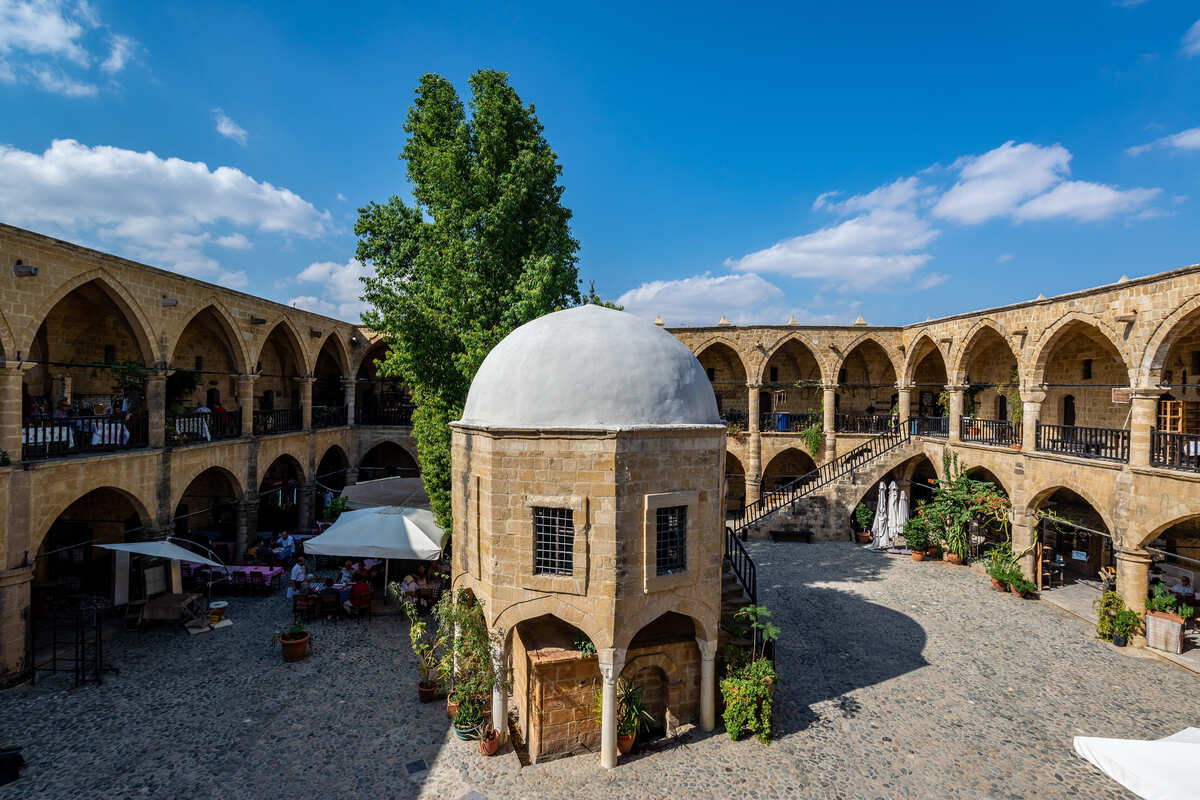
Where Else To Visit In Cyprus This Summer
- Nicosia, the island’s capital, is one of the weirdest but also coolest places you could visit in Europe
- Paphos, out west, is known for its UNESCO-listed Ancient Greek tombsites and natural lagoons
- Limassol is the Dubai of Cyprus, with a palm tree-lined promenade and a unique mix of skyscrapers and ancient forts
- Larnaca is more than just an airside hub: it’s an equally-exciting coastal gem anchored by a sea-facing medieval castle
- Northern Cyprus is the obvious outlier: a Turkish-majority territory, it officially operates as its own country, though it has limited international recognition, and it can be even cheaper to visit than the euroized south
If you’re traveling to the Northern third of the island, however, make sure you familiarize yourself with the entry regulations and passport requirements in advance.
You know where to go.


Stacie Harris is a local resident and reporter of the Maple Grove area. Stacie reports on medicine and science for the Maple Grove Report.