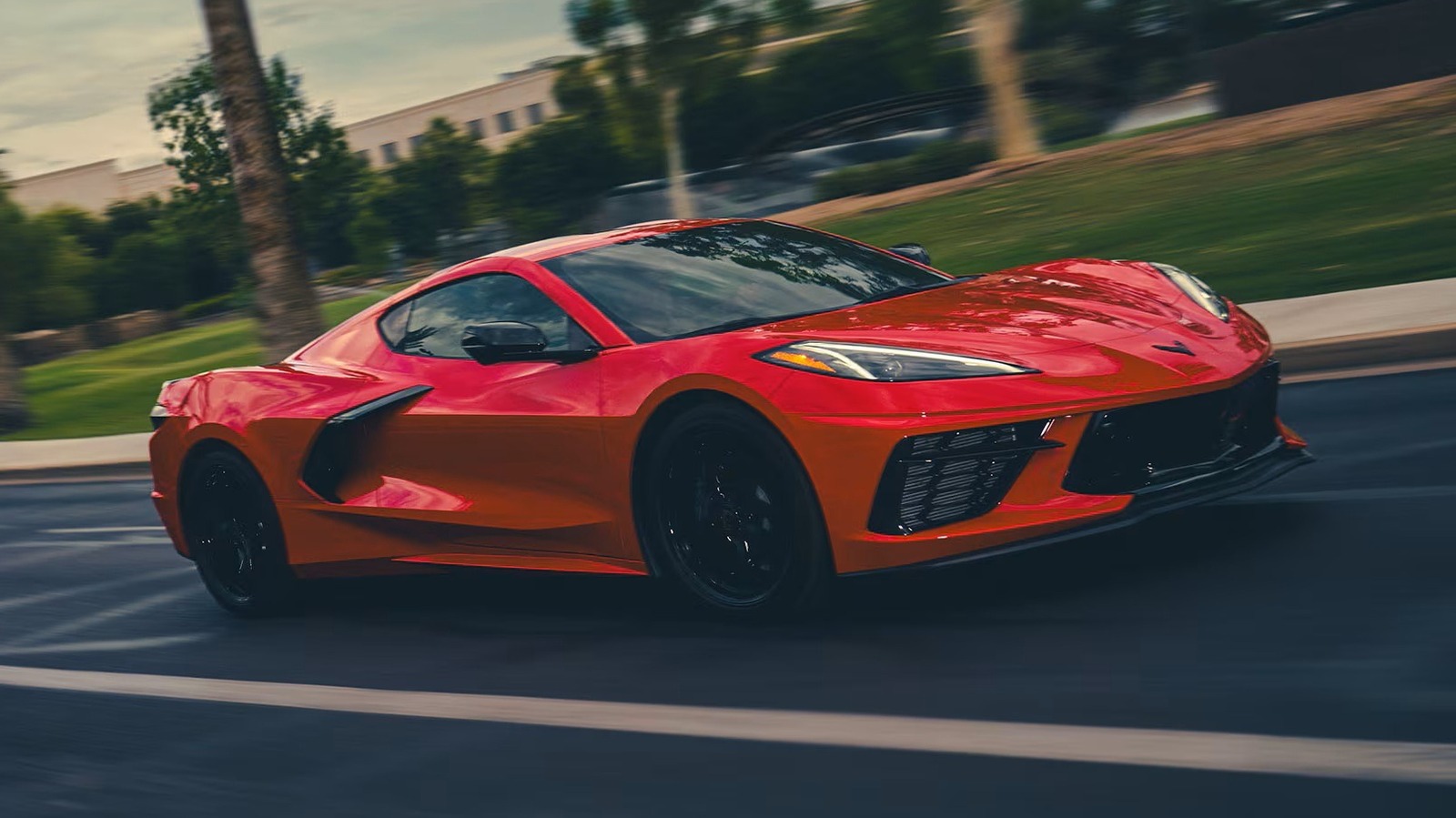

Like many American cars of the 1960s, the Corvette was absolutely jam-packed with options — one could feasibly order these cars with anything from a basic V8 married to an automatic, all the way up to an absolute beast of a big block that could practically launch the thing into the stratosphere. Three main factors influence a Corvette’s collectability: Rarity, historical provenance, and which of those options were checked off. Combining all three is what sets one specific Corvette trim head and shoulders above the competition. Yes, we’re referring to the infamous L88-equipped big block models of the 1960s.
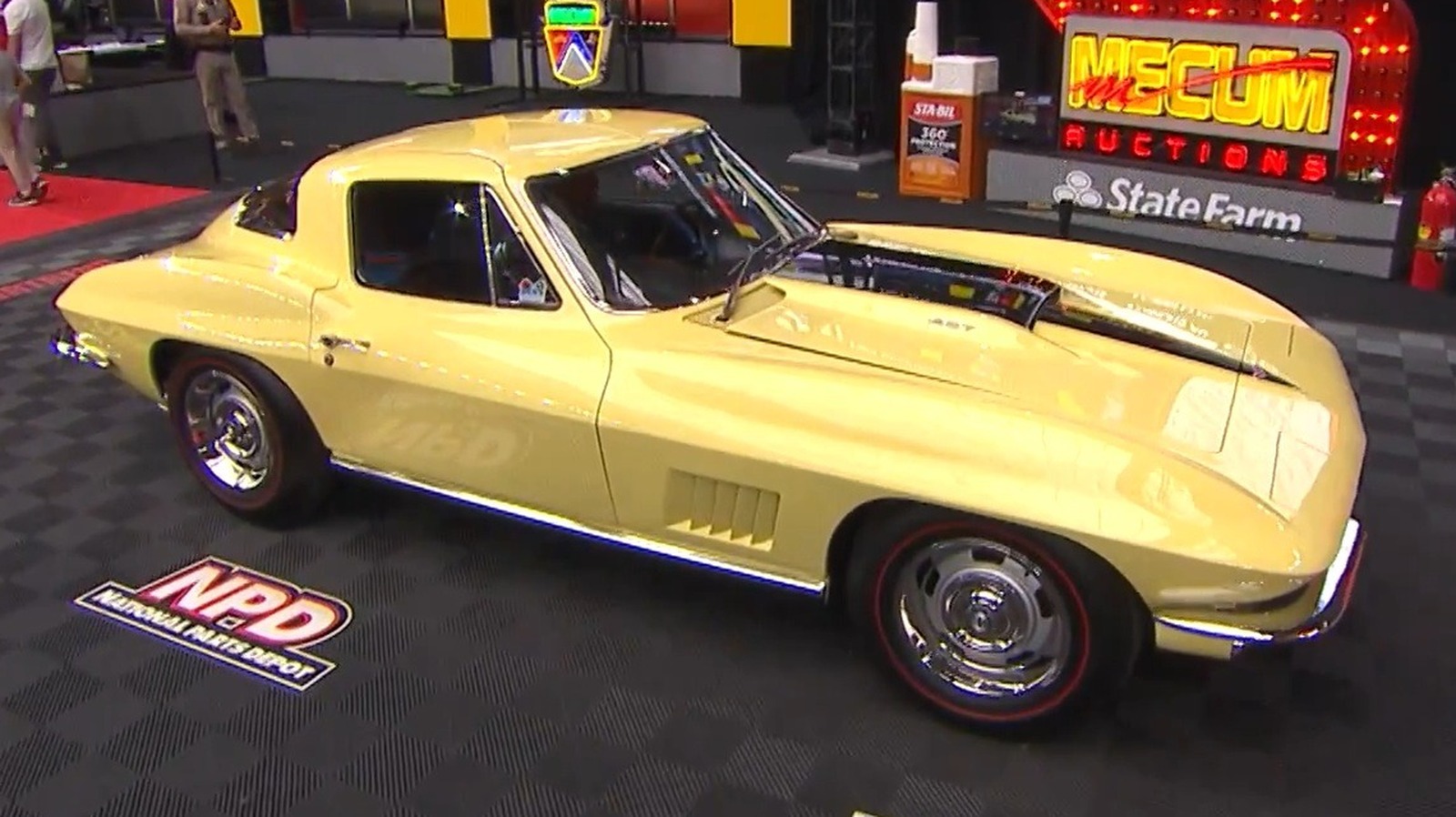
What is an L88 Corvette, though? To put it in a single sentence, it’s the ultimate realization of the automaker’s engineering head Zora Arkus-Duntov — a true factory racer that crammed a massive 427 cubic-inch engine under the hood of a svelte sports car. Only 216 total were built between 1967 and 1969, with the early 1967 C2 Stingray examples being the rarest. Only 20 of those exist; no one knows how many actually survive today, but it’s more than likely in the low single-figures with factory-correct parts and powertrain. In other words, this is GM’s equivalent to something like Dodge’s LO23 Hemi Dart, except it’s even rarer (at least for model year 1967).
That takes care of the car’s rarity and the weirdly specific option number, but what about historic provenance? Here’s where it gets interesting, and ties into the Corvette’s storied and somewhat controversial early days of racing. Let’s dive in and discuss the incredible tale behind this equally incredible automobile, and why they command seven-figure prices today.
A brief history of the L88 Corvette
Corvettes were built as factory racers practically since their inception, with the first ‘Vette racing around Le Mans in 1960 and finishing eighth overall. However, three years prior to that, the Big Three automakers officially pulled out of factory-backed motorsports, leaving it up to privateers to build cars. That didn’t stop the manufacturers from skirting regulations, though — after all, the phrase “Race on Sunday, sell on Monday” exists for a reason. In fact, the first Corvette to ever use the “Stingray” badge, XP-87, was conceived before this ban was in place; it debuted in 1959, competing in everything up to the 12 Hours of Sebring and winning both races and fanfare. That car went on to inspire the 1963 “Split-Window” C2 — itself a rare and valuable Corvette.
During the C2’s development in 1962, Arkus-Duntov’s engineering team secretly penned a more track-focused big block-equipped variant destined for those racers. With no official factory backing, they effectively had to create a secret option package that would fit all the parts required to turn the C2 into a race car — huge engine, Muncie M-22 “Rock Crusher” transmission, the works. Then the teams would buy the car and modify it themselves — again, like the LO23 Dart with the Race Hemi in it — and RPO L88 was born.
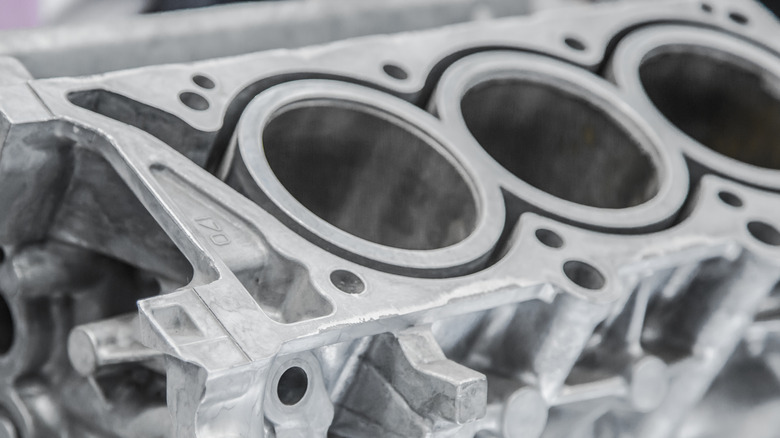
GM produced exactly 20 so-equipped Corvettes in 1967, fitted with aluminum heads to make the engines 75 pounds lighter. They were, for all intents and purposes, road cars with racing engines, suitable for modification by either stripping the interior or swapping the engine into a bespoke car. And that’s precisely what racers did — one even competed in the 1967 24 Hours of Le Mans, the only C2 to do so.
How fast is the L88 Corvette and what is it worth?
Being that they’re designed for circuit racing, L88 Corvettes are more of a full package than just the engine, though that isn’t to say the engine wasn’t powerful. In fact, GM underrated the engine at 430 horsepower, with experts estimating a true figure north of 500 horsepower.
Teams would fit any number of options to their Corvettes, ordering perennial staples such as a Posi rear end, heavy-duty brakes and suspension, transistor ignition, interior lightening such as no A/C or radio, and so on. Basically, if you knew the right combination of regular production option (RPO) codes, you could order a race car ready to go — one that was powerful, lightweight, and durable enough to withstand the rigors of motorsport.
Owing to their variability as well as rarity, you’ll be hard-pressed to find any L88-equipped Corvettes in general, much less ones in original condition. Many of them wear racing liveries and have a variety of modifications, but a few factory originals are still floating around — they will cost you, though. For instance, an example set a price record when it was sold by Barrett-Jackson fetched an eye-watering $3.85 million at the hammer. This isn’t uncommon, either — in fact, the previous record-holder was a convertible L88 Corvette, which sold for a cool $3.2 million. This makes L88-equipped Corvettes by far the most expensive historic vehicles in the lineup. To put that into context, an L88 ‘Vette is about 10 times more expensive than a Mustang Boss 429, which itself already has several options commanding far less at the auction, including the Hemi Dart and Barracuda.

Stephan is the sports journalist for the Maple Grove Report.