In May, I was wowed when I demoed the surprisingly powerful VR-like experience inside Xreal and Google’s Project Aura glasses, which are now being called Xreal Aura and are arriving this fall.
They pack a Samsung Galaxy XR-like experience into a pair of glasses that plugs into a phone-sized processor puck. But it turns out that the processor they pack is actually better than the one in the Samsung Galaxy XR. And the specs of Qualcomm’s new chip suggest a wave of VR headsets that could be aiming to supercharge their onboard AI capabilities.
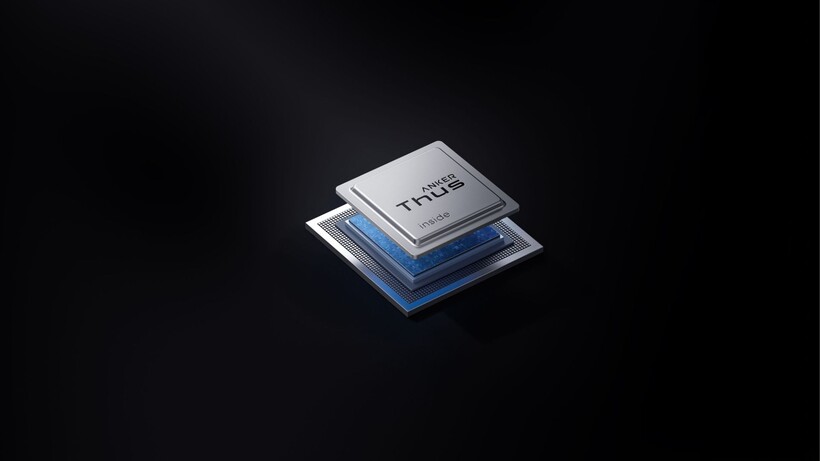
Qualcomm’s newly announced Snapdragon Reality Elite chip, unveiled at the Augmented World Expo conference in Long Beach, California, is the renamed successor to Qualcomm’s previous line of VR/AR chips that ran in the Samsung Galaxy XR, the Meta Quest and many other devices. According to Qualcomm, its GPU is up to 60% better than the Snapdragon XR2 Plus Gen 2 in the Galaxy XR, the CPU is up to 30% better and an AI-focused neural processing unit is up to 160% better for AI-related tasks. The chipset can power up to 4.4K display resolution per eye for headsets and glasses.
The Snapdragon Reality Elite chip promises boosts for a whole range of future glasses and headsets.
An AI boost for VR and AR?
The XR2 Plus Gen 2 upgrade was announced in January 2024, so it’s been a while since Qualcomm has had a major new VR/AR-focused chip. The renamed chip comes after Qualcomm’s new watch- and wearable-focused Snapdragon Wear Elite, announced earlier this year, which also focuses on AI performance boosts on wrists (or on camera-equipped pendants and smart glasses).
While Qualcomm’s chips often debut ahead of any products that include them, this time they’re arriving in the processing puck of the upcoming Xreal Aura glasses I’ve demoed several times before.
Xreal Aura runs Google’s Android XR OS, and is heavily leaning on Google’s Gemini for real-time AI analysis of apps and experiences in Gemini Live mode. During my demos, Google showed off how Aura can also be used for AI-based coding directly on the phone-shaped processor puck the glasses plug into.
Most smart glasses coming out now lean heavily on phone-connected AI apps to run core features. VR headsets, meanwhile, have mostly been AI-free. That’s likely to change as VR headsets get smaller and more glasses-like, and maybe even evolve into something like AR glasses. Xreal Aura already feels like an evolutionary precursor to that, and a sign of where Meta plans to go next.
Better battery life
The new chip also promises 20% better battery life running similar workloads to the previous Snapdragon chip, and to run cooler doing it. That’s not a huge gain, but for VR headsets that now tend to average two hours at best on a charge, anything helps.
The running cooler part matters, though. As these headsets get smaller and more like glasses, riding closer to our faces, they can’t be expected to pump out heat via vents like current VR headsets do.
According to Qualcomm’s specs for the chip, it can run 12 cameras or sensors at the same time, similar to what the Galaxy XR’s chip can do. Twelve may sound like a lot, but with eye tracking, room tracking, hand tracking, face tracking and cameras to capture photo and video, processing demands can add up fast. The chip also supports Bluetooth 6 and Wi-Fi 7.
Where will it show up next?
Xreal Aura, arriving this fall, is now available for preorder on Xreal’s site with a $99 deposit that Xreal says will also get an extra $100 off the launch price and secure delivery, though the company still hasn’t announced a final price for the hardware. It’ll be the first Snapdragon Reality Elite-equipped device on deck.
But there’s more I’m curious about. Bytedance’s expected high-end Pico Project Swan headset could be packing it. Meta’s long-expected Quest 4, which could make its debut sometime in the next year or two, is likely to have it, too.
Whether or not you get the Xreal Aura, the new chip should make you think twice about buying a new VR headset until more details emerge about when this upgrade will arrive elsewhere. Based on the specs alone, it seems well worth the wait.
Editors’ note: Scott Stein’s travel costs for the AWE conference were covered by Snap. The judgments and opinions of CNET are our own.

Stephan is the sports journalist for the Maple Grove Report.