
When we talk about the performance and driving characteristics of a car, lots of things can make or break the experience. Horsepower and torque, power delivery, transmission gearing, suspension tuning, steering response, brake feel –each factor plays a role in a vehicle’s dynamics. And they’re not the only ones.
Even more important is a vehicle’s overall weight, which often plays the biggest role and directly influences all of those aforementioned areas. After all, one doesn’t need to be a physics expert to know that the heavier a vehicle is, the slower it will accelerate, stop, and turn, and the slower it will respond to driver inputs — all while using more fuel than a lighter vehicle would. Even those who aren’t car enthusiasts will instinctively know the effects and sensations that change with a vehicle’s weight.
It’s not, however, just a vehicle’s total weight that has an impact on how the car drives — it’s how that weight is distributed in the car. Whether it’s front to back, side to side, or top to bottom, where a vehicle’s weight is located can completely change how it performs, how it feels behind the wheel, and how it should be driven.
Balance is everything
Weight distribution plays a huge role in motorsports where every last pound matters, but it’s also very important in an everyday road car. Most often, when you hear about a vehicle’s weight distribution, it’s about the front-to-rear ratio of mass in relation to the front and rear axles. Front-to-rear weight distribution is one of the biggest factors that determine whether a vehicle will understeer or oversteer when driven near its limit of grip.
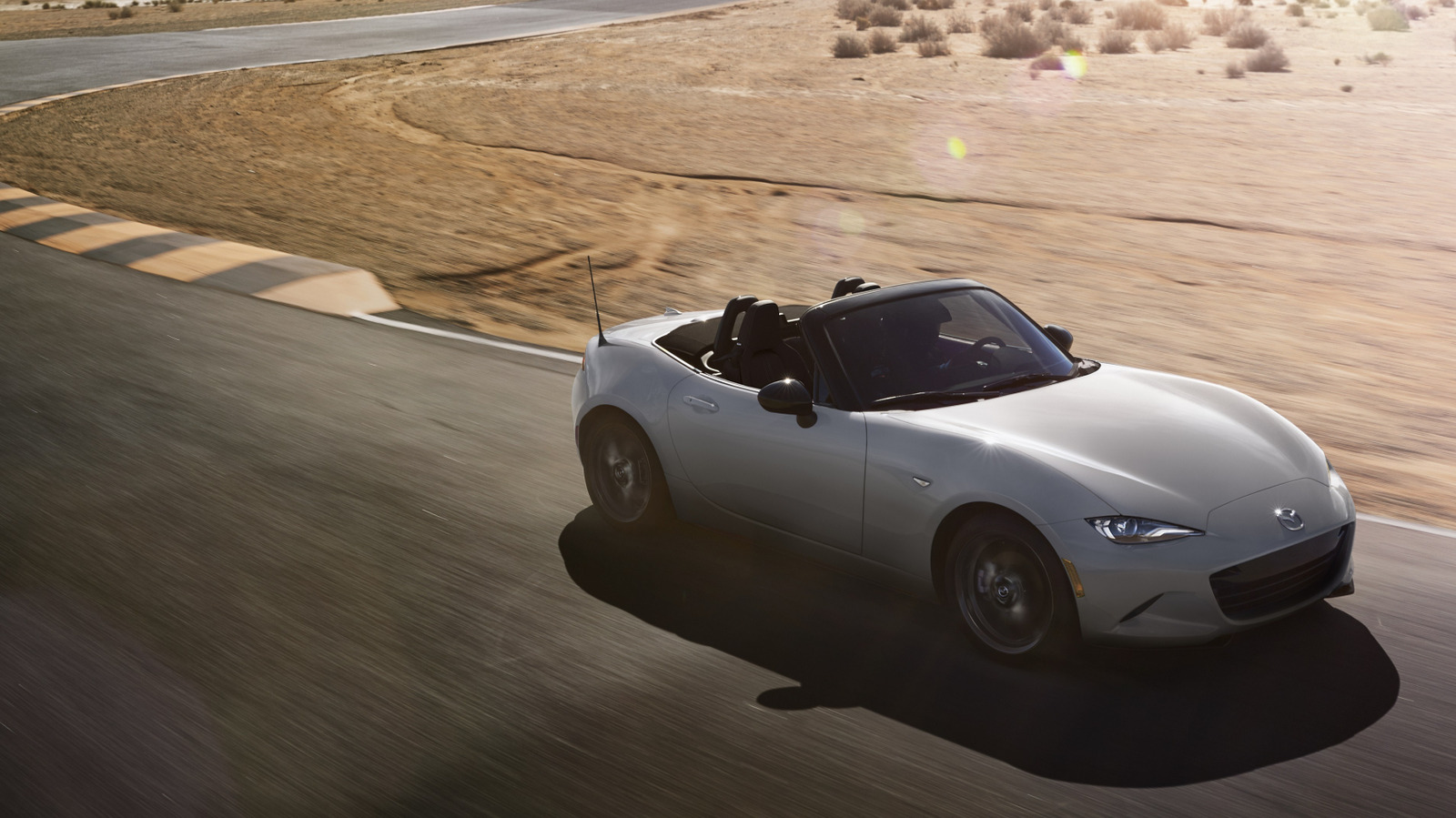
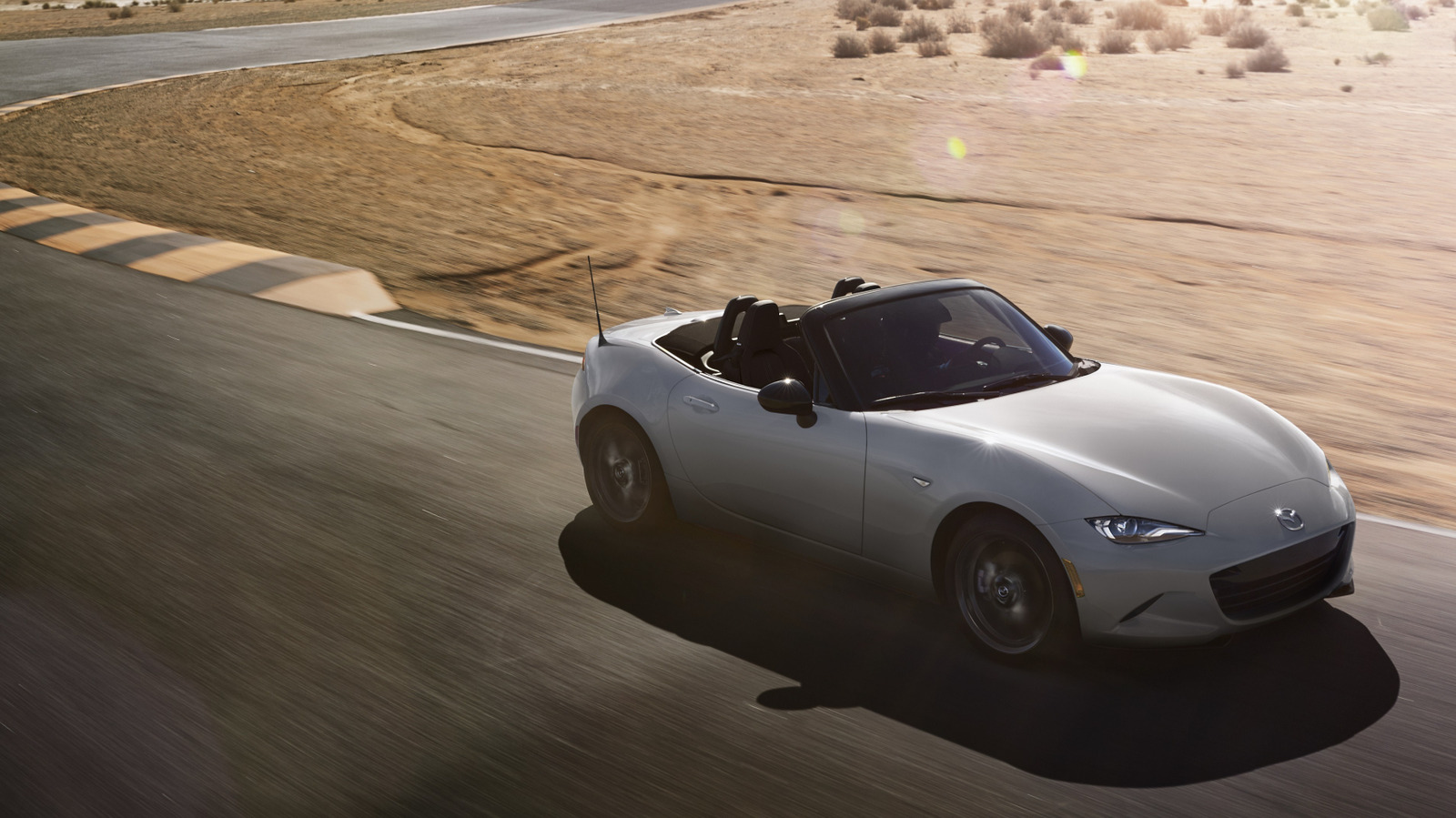
The majority of internal combustion vehicles have their engines in the front, which naturally puts more weight on the nose. With a common 60-40 weight distribution, the result is usually safe and predictable handling, albeit with a tendency for the front end to understeer when pushed. However, not all front-engine cars are created equal, and sports cars like the Mazda MX-5 Miata and earlier versions of the Chevrolet Corvette, are beloved by enthusiasts for having weight distribution at or near the coveted 50-50 ratio. At 50-50, handling is neutral, responses are quicker, and loads will be more balanced over the car’s four tires rather than overworking one end.
Mid-engined sports cars, like a Ferrari 458, the Acura NSX, or the current C8 Corvette, have more weight over their rear wheels, often resulting in an approximate 40-60 weight distribution. The lighter nose can make for an even more agile, race-car-like feel, but can also introduce oversteer and possible loss of control — though modern tech has eliminated some of that risk.
Vertical weight distribution and traction are also important
While car enthusiasts, race car drivers, and performance engineers spend lots of time thinking about front-to-back weight distribution, the vertical weight distribution, which impacts a vehicle’s overall center of gravity, can be just as important, even during everyday driving situations.
A top-heavy weight distribution will raise the center of gravity, potentially making taller vehicles like SUVs feel unwieldy and more prone to rolling over , and that’s something to remember when learning the improper ways to drive an SUV. On the contrary, a sports car with a low center of gravity should feel more planted to the road and more responsive. Modern electric vehicles, which are often heavier than regular cars, also benefit from a lower center of gravity from having their batteries mounted low in the chassis.
Along with handling, straight-line traction can also be impacted by weight distribution. For example, a mid-engined sports car with more weight planted over its drive rear wheels will typically accelerate faster than a front-engined car of a similar weight and power. On the contrary, rear-drive vehicles with little weight over the rear axle, like unloaded pickup trucks, can struggle mightily with traction in wet or snowy conditions. This is why some pickup drivers place sandbags in their truck beds during the winter months. Whether it’s acceleration, braking, or turning — on a race track or a rainy day commute — the effects of weight distribution on a vehicle simply cannot be understated.

Stephan is the sports journalist for the Maple Grove Report.