Illinois Could Be the First State to Ban Wearing Smart Glasses While Driving


Illinois Governor JB Pritzker will soon decide whether the state will be the first to ban the use of smart glasses while driving.

The state legislature passed a bill last month that adds language to the state’s driving laws, specifically calling out “artificial intelligence smart glasses” in the same way that using a cell phone is outlawed. If the governor signs the bill into law, it would make Illinois the first to have such a provision on the books.

According to the bill, drivers could still use smart glasses while parked or in neutral if traffic is obstructed. Otherwise, drivers would be subject to a maximum $75 fine for a first offense and up to $150 per offense for repeated violations. If the use of smart glasses while driving results in a crash with severe injuries or death, that fine would be a minimum of $1,000.

AI Atlas

It’s unclear whether the governor will sign the bill or when that might happen. Once the bill is delivered, a governor in Illinois has 60 days to sign or veto it. 

“The governor will carefully review everything that comes across his desk once received by the Illinois General Assembly and before signing,” a spokesperson for the governor said in an email to CNET.

Pritzker has a mixed record on supporting the tech industry on issues such as quantum computing and jobs in AI but has been opposed to data center incentives and privacy overreach on technology such as biometric data collection. The governor appears to be poised to sign a separate bill that would increase restrictions on social networks in an effort to protect children online.

Smart glasses in the news

Wearable glasses that can record photos and videos and that use artificial intelligence to perform other tasks have been in the news lately. Not only are tech giants such as Google and Apple developing products in the market, but one of the product category’s leaders, Meta, has been under scrutiny for the facial-recognition software it has been developing for its Meta Glasses products.

An investigation in Wired found that Meta had already distributed the software to its Meta AI app on mobile devices without activating the feature; the company pulled the software in response to public outcry over the report.

Soon after, a different report found that Meta has a license for facial recognition software from Rank One Computing, which develops software for the US military and law enforcement, among other groups.


Source link

Leave a Reply

Subscribe to Our Newsletter

Get our latest articles delivered straight to your inbox. No spam, we promise.

Recent Reviews


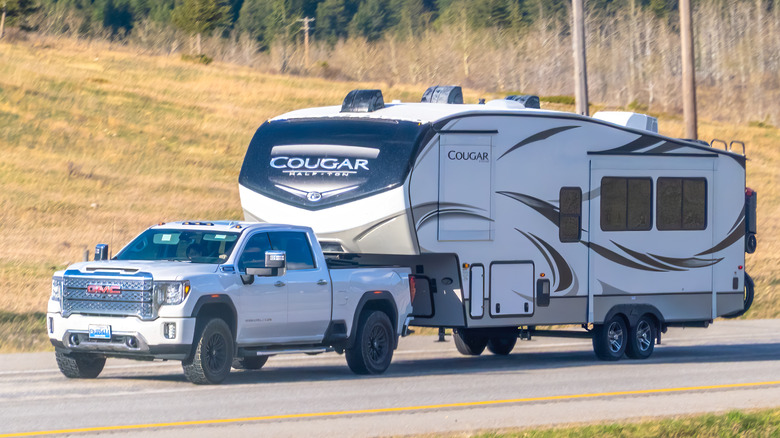
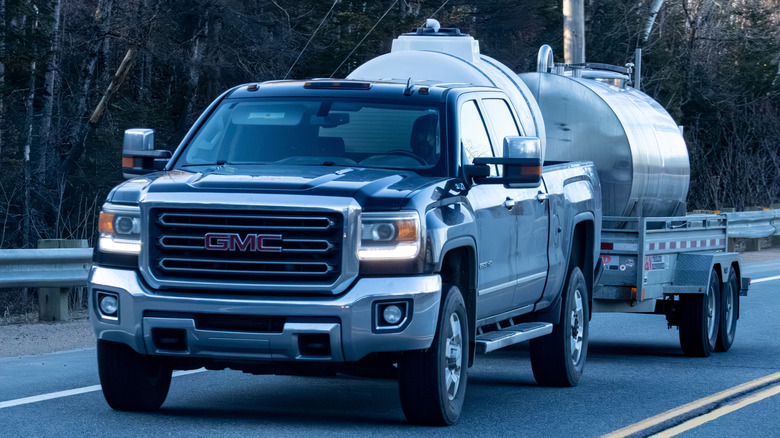
Towing can be a very stressful activity for your truck. If you think of its engine as the beating heart of your truck, then the oil flowing through it is its blood supply. Changing your truck’s oil at the proper intervals keeps it fresh and performing at its peak, which is particularly important if you regularly tow heavy loads. If you tow often and have ever wondered whether it changes how often you need to change your oil, you’re in the right place.

The stress of towing comes in many forms. Towing creates higher friction and generates more heat in your engine. These conditions will cause your oil to wear out much faster, so you should change it more often. A good rule of thumb is to change your oil twice as often as you would if you were not towing, and more frequently if you tow regularly or notice any warning signs. 

These warnings can include reduced fuel efficiency compared to what you normally experience while towing, increased vibration, smoke from your exhaust, strange smells, a noisier engine than usual, or the oil warning light coming on. Consider any of these signs as red flags — pull over and check your oil immediately before it gets any worse. If you’re feeling handy and you’d like to save some cash, it’s also pretty easy to change the oil yourself.

Other factors to bear in mind

You should be aware that towing is generally considered a “severe driving condition,” to quote the Ford F-150 manual. If you use your truck for towing, consult your owner’s manual to see if your manufacturer specifies specific service intervals for these more intense use cases. Newer trucks may also feature oil-life monitoring systems that take the added wear and tear of towing into account and can alert you when the oil needs to be changed.

Other considerations that should be part of your truck’s oil change schedule include the type of oil you use. Synthetic oil is generally preferable for engines that tow regularly, but you should always consult your owner’s manual and use what it recommends for towing or other severe uses. You should also consider the oil weight if you endure harsh winters or if your truck must operate in extreme conditions. Finally, check your oil level regularly to ensure you don’t end up towing with an engine that’s low on oil. Overall, more frequent oil changes in a truck you use for towing will pay off in many ways. It will help keep your truck’s engine in better shape, with fewer issues and less downtime. 


Source link