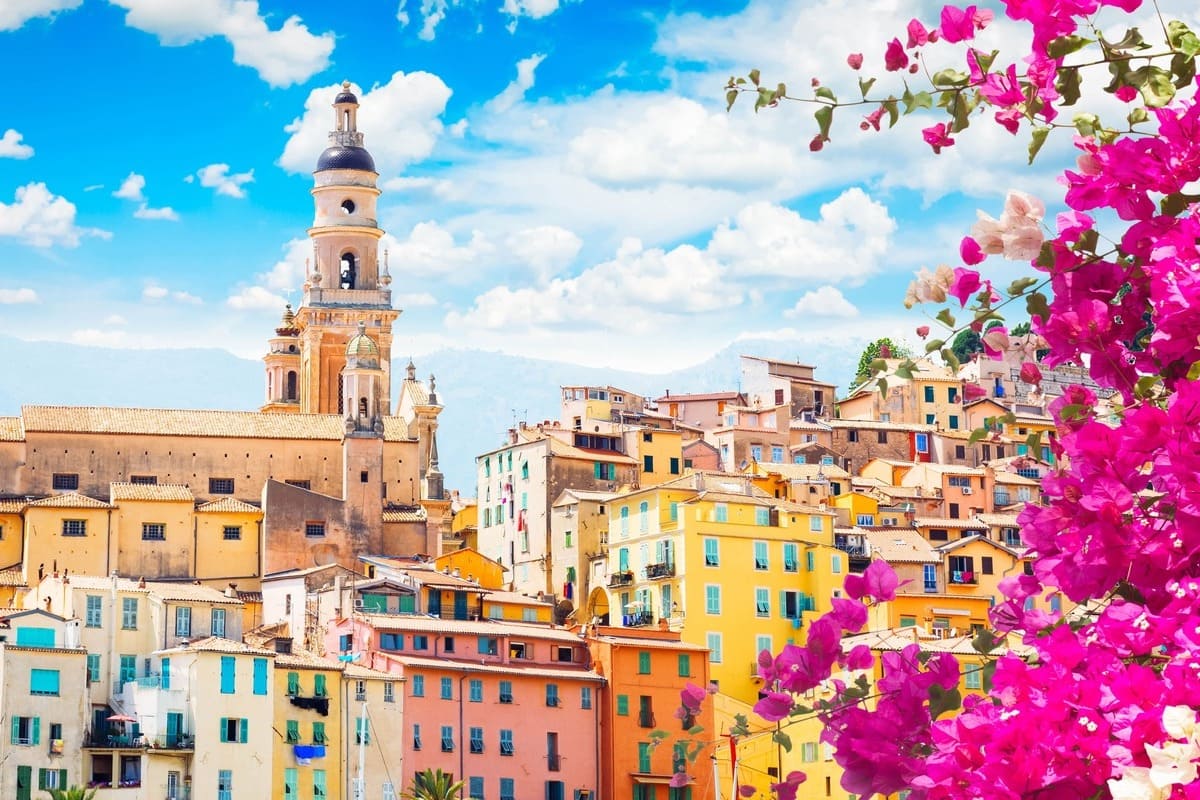

If you’re thinking of a summer in France, chances are it’s Saint-Tropez’s pastel-colored streets and exclusive beach clubs that will pop to mind first.
The forever home of Brigitte Bardot, and pretty much the entire French elite, and one of the world’s most effortlessly classy destinations, with Michelin-starred restaurants and postcard-ready corners galore, ‘St Trope’ is known for attracting quite the international crowd.
That’s not to say it’s favored by the French themselves.
As a Paris resident for five years now and someone who goes to the South of France pretty much every year, I believe I’ve cracked the code for doing France justice without falling victim to the usual overly commercial, been-there-done-that tourist traps.
If you want to explore the Land of the Gauls like a local this summer, it’s time you give good old STP a miss, and follow the frog-eating throng to these 4 coastal alternatives instead:
Agde
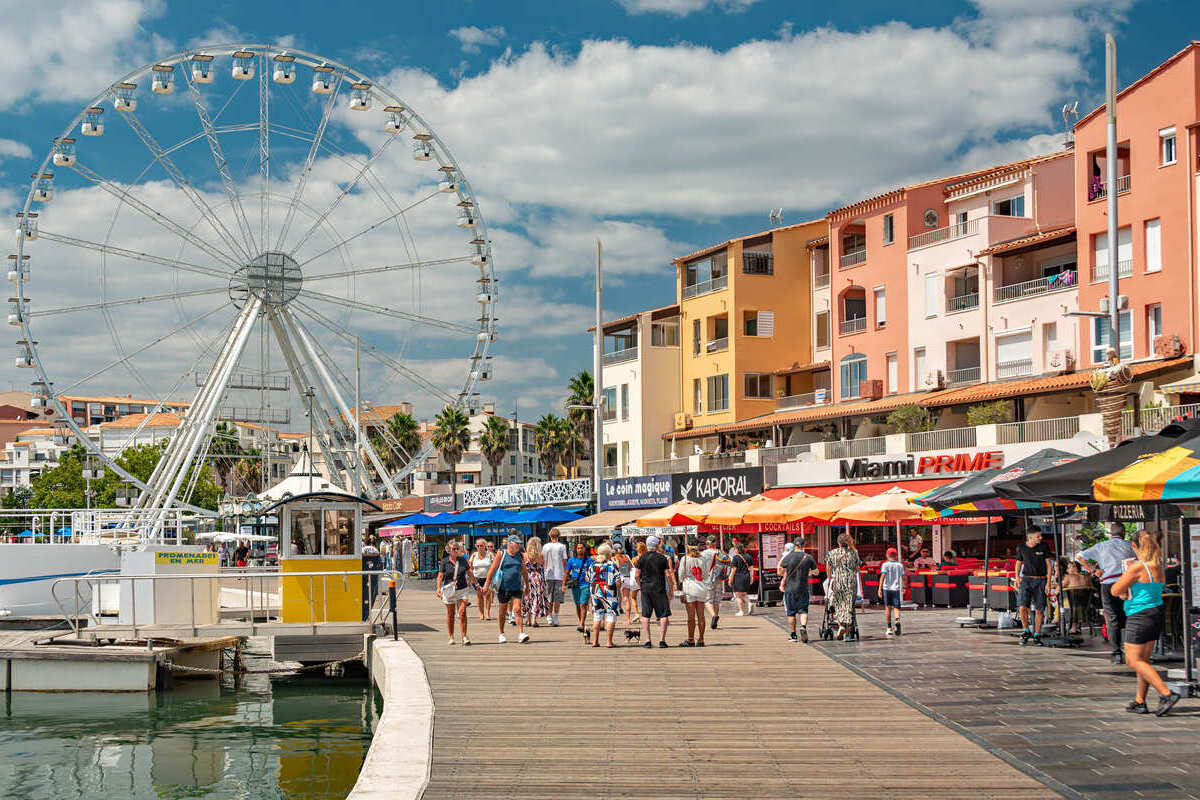
Agde is not the cutest resort town on the French Riviera, but if you’re looking for modest prices and good value for your beachside summer vacay, this is that little French hack they don’t want you to know about.
It’s not exactly known by the wider public, but as far as domestic tourism goes, it’s far from being some niche destination:
Agde has beaches, campsites, marinas, supermarkets, and family facilities all either within walking distance or a short 10-minute drive from your accommodation, and a middle-class French family can easily spend a week there without blowing the budget. Which means you can, too.
An oceanfront room can cost as cheaply as $95 per night, and meals in local bistrots range from $22 to $40. No, it’s not Albania-cheap, sure, but if you’re truly keen on a French summer, that’s about as cheap as it gets out here these days.
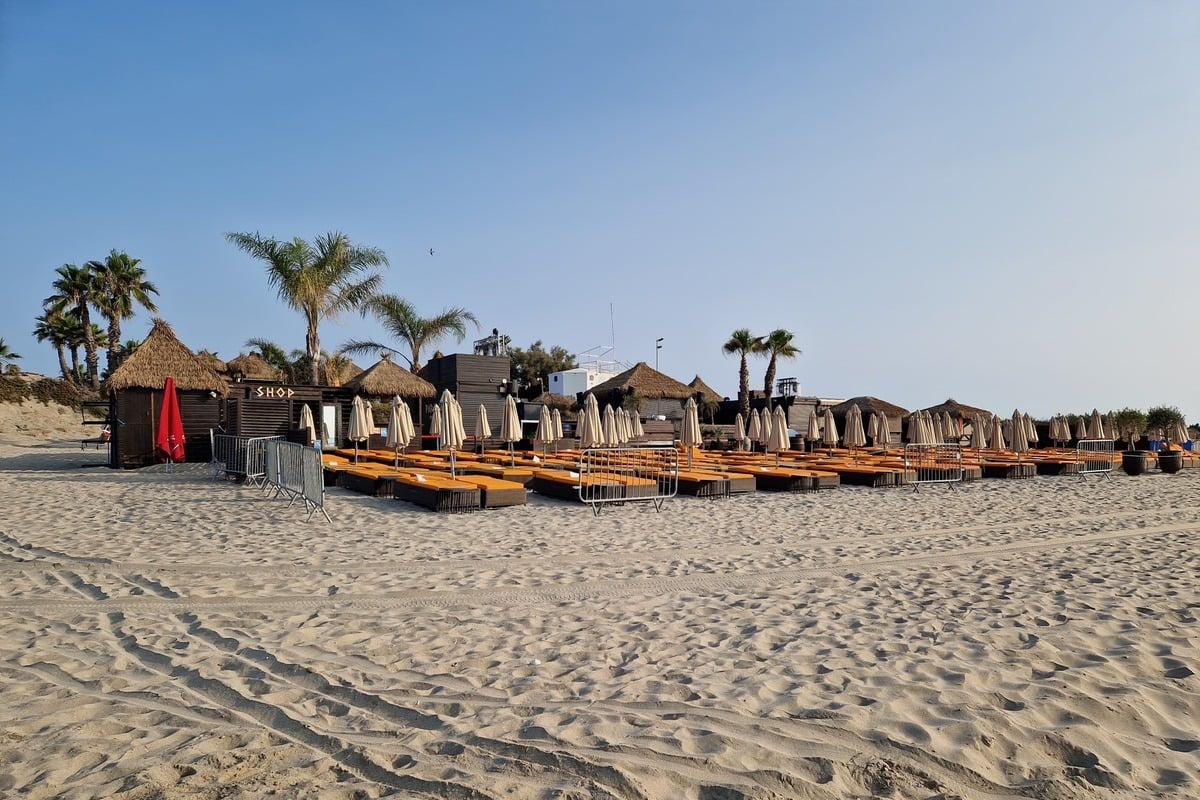
Agde is not as Old World-cute, or remotely elegant as Saint-Tropez, so if that’s the vibe you’re going for, you might want to check out the next town on the list.
Now, if you’re coming to France for wide, easy-to-access beaches, clubs you won’t need to reserve weeks in advance, nor spend heavily to enjoy them, and less status-oriented travel, you’ve come to the right spot.
Wondering whether there are any travel alerts active for France at the moment? The Traveler Dashboard is the best tool for staying up to date with on-the-ground developments that may affect your affection, like rail strikes or political unrest (and we know the French love a bit of a summertime commotion).
Menton
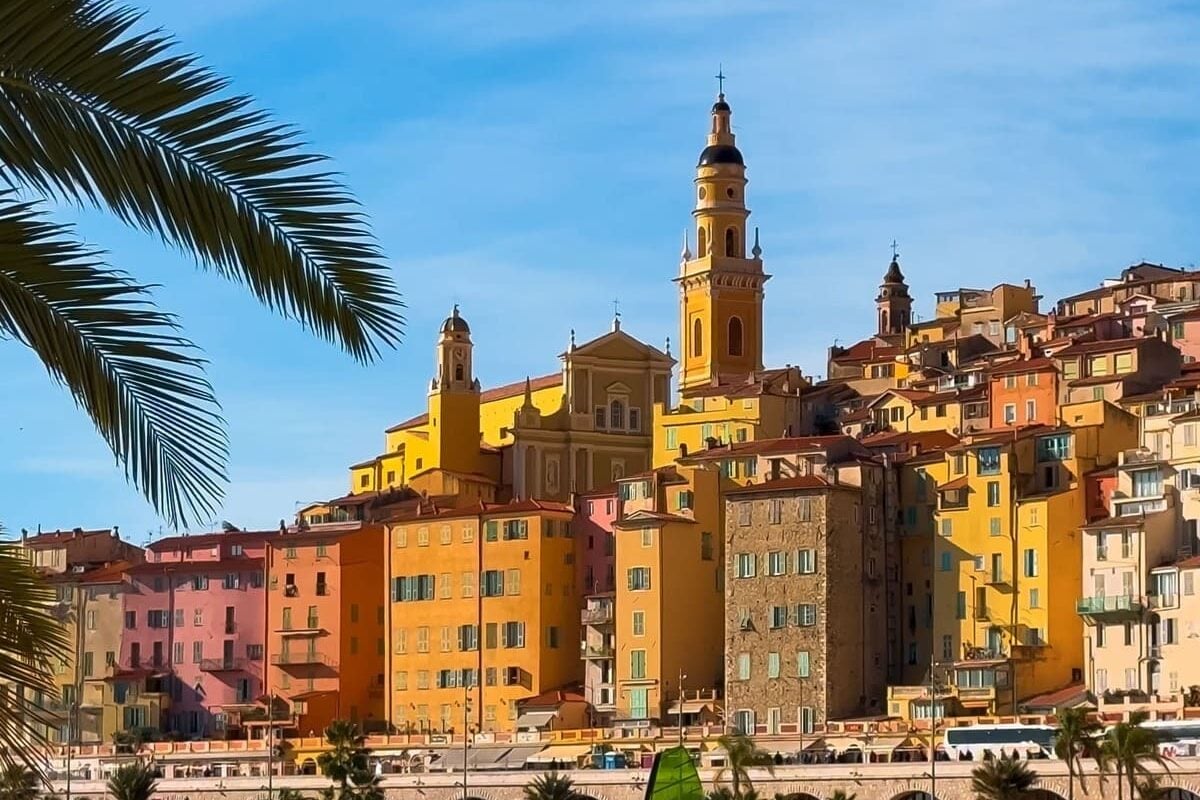
The most beautiful town on the French Riviera, a short 40-minute train ride from Nice, Menton sits right on the Italian border, and it’s a cluster of skinny, pastel-hue townhouses with the typically Mediterranean green shutters that look like a storybook scene come to life.
Or, more like Luca brought to life, except unlike the actual Luca-inspired jet-setter haunt of Cinque Terre over in Italy, Menton is way, waaaay less commercialized.
Now, don’t get me wrong, this is no hidden gem, either. Some international tourists have been taking the short train ride here from the Côte d’Azur capital since the Instagrammers in flying dresses made the town’s stone jetty their new ‘bucket list’ photo op, but the vibes remain unmatched.
Think old cobbled alleyways flanked by colorful edifices, tiny piazzette bordered by family-owned trattorie, gelato shops boasting an ample selection of lemon-based flavors—lemony products are actually Menton’s whole schtick—and that perfect, best-of-both-worlds blend of French and Italian cultures.
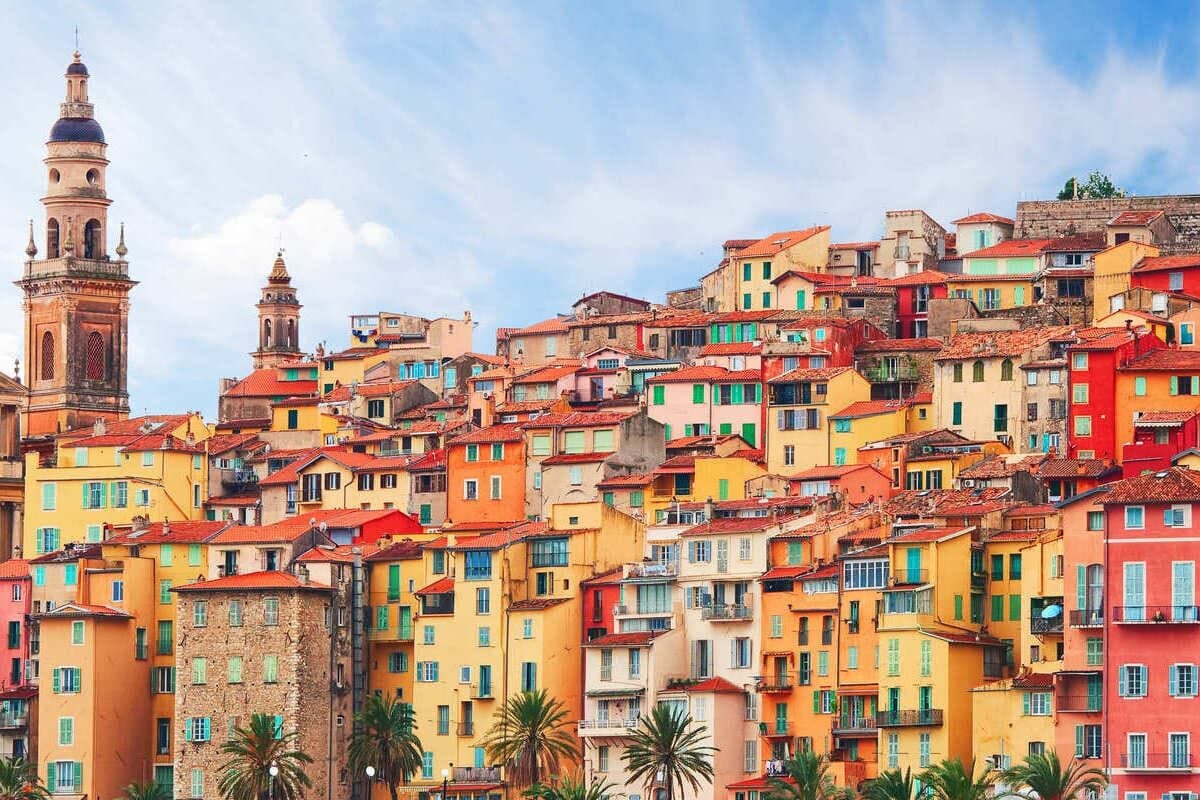
Other than wandering the timeless streets and soaking up the sun by that dreamy pebbly beach, which hugs the turquoise waters of the Med, the main reason why Frenchies come here, particularly the Niçois at the weekends, is all the great food you can get.
Les Cotes de Menton has that family-run feeling, away from the main tourist strip, and it serves epic grilled meats. Maison Martin & Fils is the go-to spot for trying barbajuans and other French Riviera specialties, and Le P’tit Resto is my own personal favorite for fish soup and seafood platters.
Wondering how safe France is to visit right now? It currently scores 86 out of 100 on the Traveler Safety Index, a tool used for travelers to gauge safety levels across different destinations based on first-person reports.
Cabourg
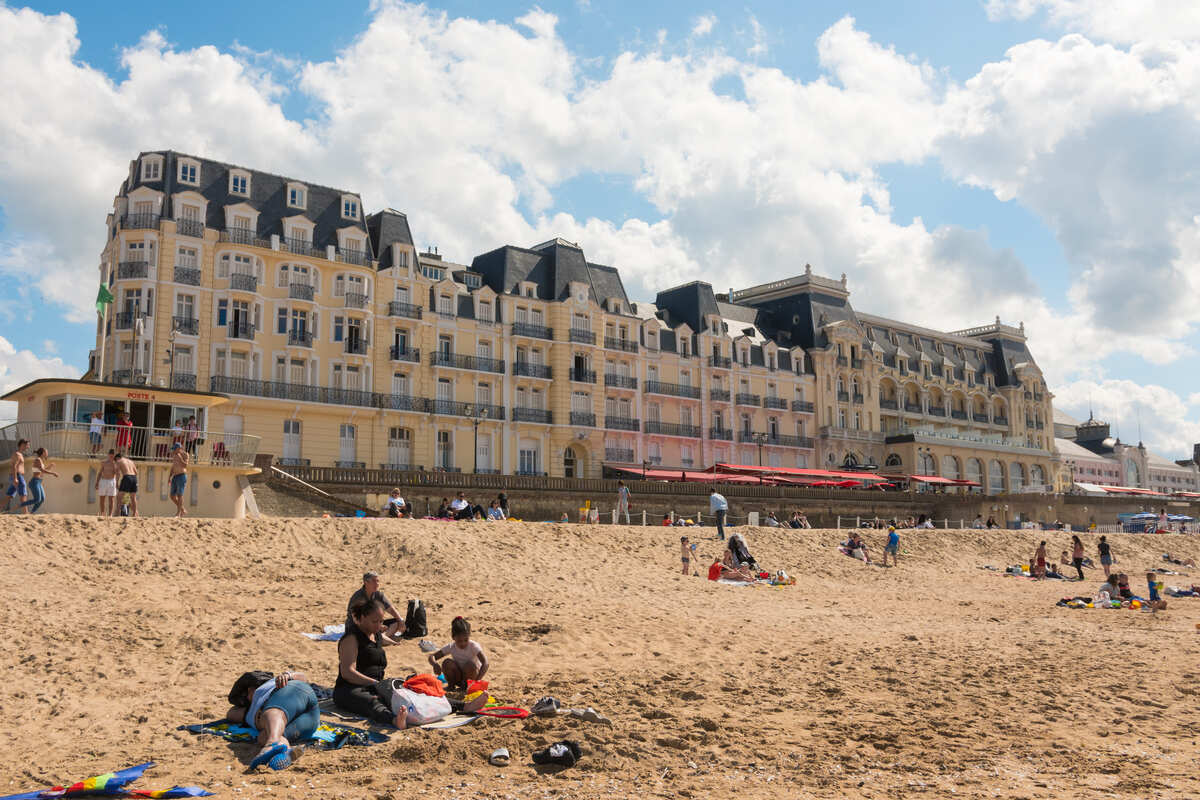
We’re leaving the South of France for a while, cause guess what, France has a whole 2,100 miles of Atlantic coastline that most Saint-Tropez-bound guests remain completely oblivious to.
A popular weekend getaway for Parisians, Cabourg is an under-the-radar, cinematic resort town a short 3-ish hour drive away. It’s best known for its massive, regal Grand Hotel, set right on the widest golden-sand beach, and a lively main street lined with timbered buildings, boutiques, and crêpe spots.
Locals go to Cabourg for very different reasons, with the beach being the main one.
It is one of the longest ones in Normandy, the region Cabourg belongs to, and in summer, its wide sands are dotted with colorful umbrellas, loungers people just bring from beachside homes, and deckchairs, but then there’s the fact that Cabourg is just slower-paced:
Unlike the trendier Deauville or Trouville-sur-Mer, it feels more relaxed and less posh.
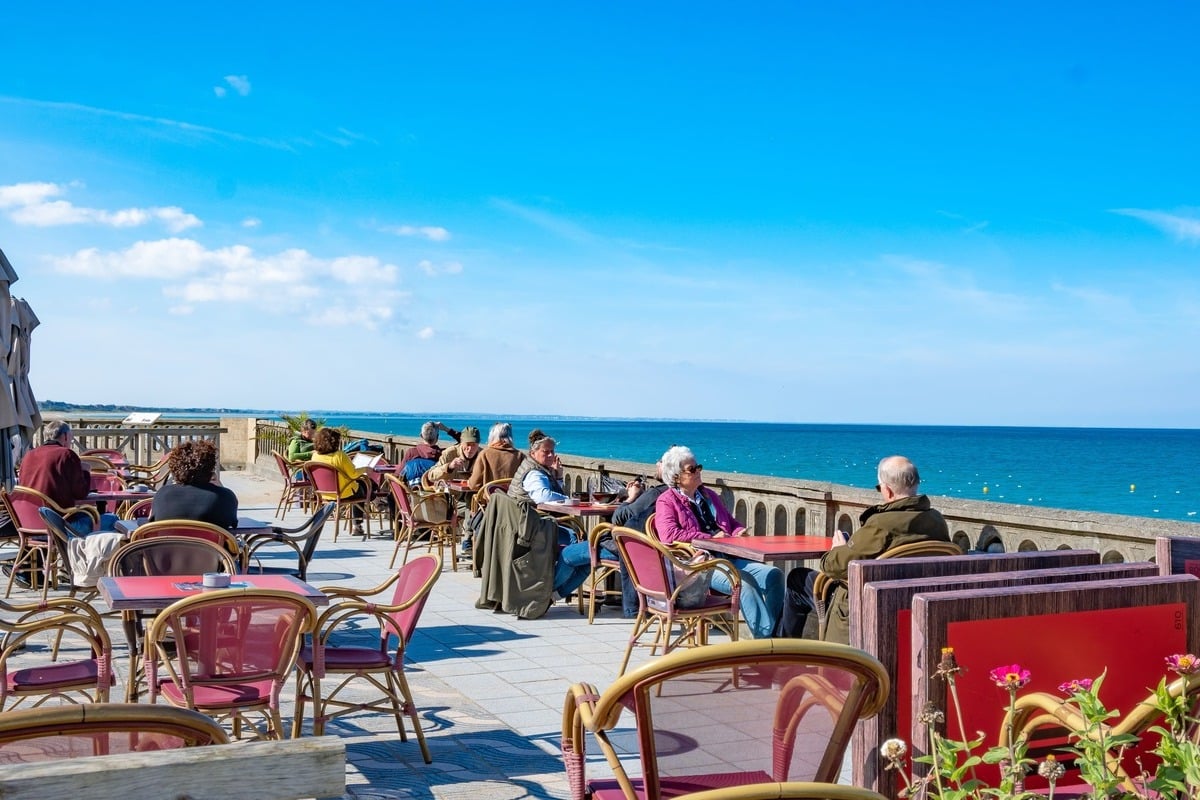
I mean, just the seafront promenade alone is worth it enough to come here. Cycling its full extent on a breezy, warm sunny day, as with expansive views of the English Channel unfolding before you, is just absolute heaven, and if you think the South of France is overrated for seafood, wait until you’ve tried Norman seafood.
Love oysters and seafood platters, and looking to get your mind truly blown? Say no more: Le Baligan is where you head.
Book a sunset table, dig in, order a plate of fresh oysters, and a cheeky Calvados digestif to go with it, and thank me later.
Travel Rules For Europe Are Changing

Now, before I give you the grand finale, you should know that Europe, and this includes France, has drastically changed its entry rules this year, and we’re not talking only about the fingerprinting mess you’ve probably come across on social media at some point this week.
Soon enough, you’ll need a whole new travel permit to fly to Europe, set to come into force later in the year… immediately after summer.
If you’re traveling to the Old Continent at any point in the near future, do keep an eye on the Entry Requirement Checker to avoid any unnecessary travel hiccups. Getting denied boarding because you didn’t check the revamped list of required documents is the last thing you want to happen.
Bastia
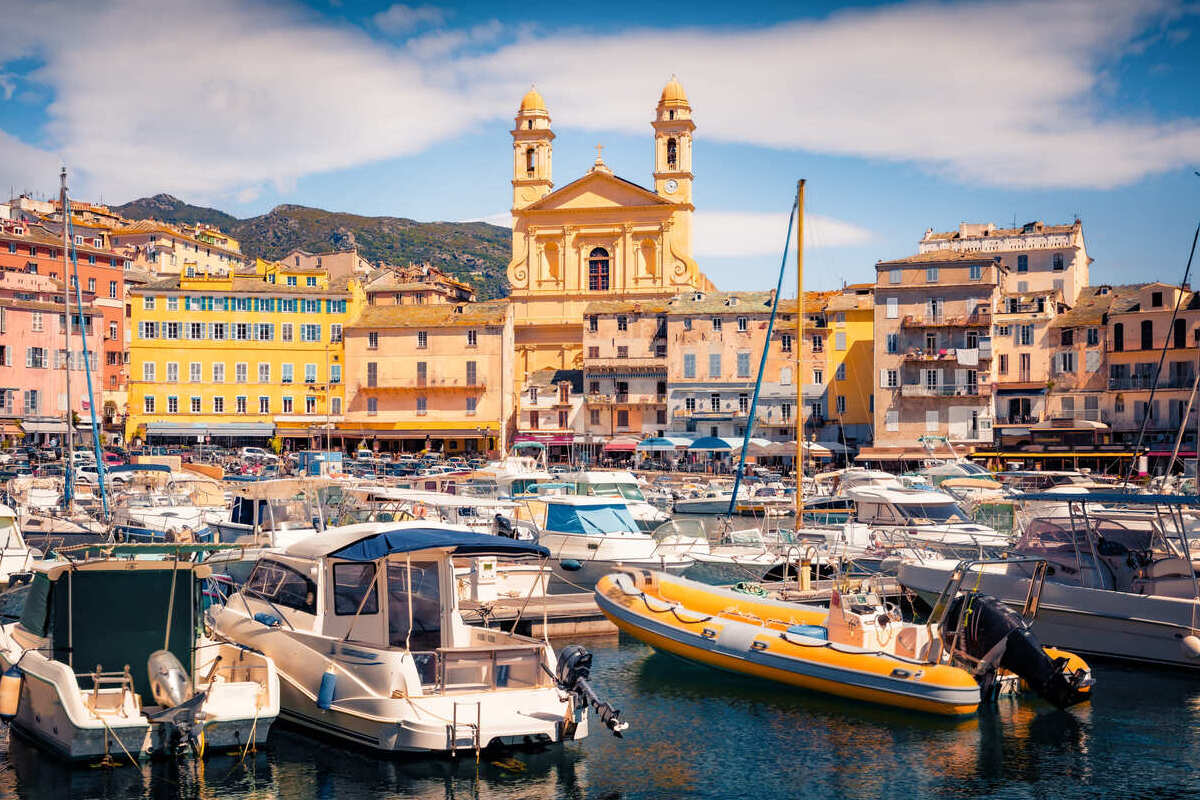
Corsica is France’s largest island on the Mediterranean Sea, and a vast mountainous landmass known for ancient ports, Maldives-like white-sand beaches, and rugged, untouched nature that makes it feel almost like a country of its own.
Most tourists make landfall in Ajaccio, check out a beach or two in the vicinity, and call it a day, but if you truly want to experience Corsica like, well, a French visitor would, Bastia is where you should be headed.
It feels distinctly Corsican rather than “typical mainland France”, and unlike Saint-Tropez or other polished Riviera-style resorts, it feels lived-in and authentic.
For many of us, it’s one of the easiest, domestic ‘get away from it all’ destinations without ever leaving France.
You get nature right on your doorstep, with Corsica’s mountains dropping close to the sea, wild beaches that are well and truly unruffled, hiking trails leading to epic sunset spots, and just to the north of the city, the Cap Corse peninsula offers dramatic cliffs and hidden coves.
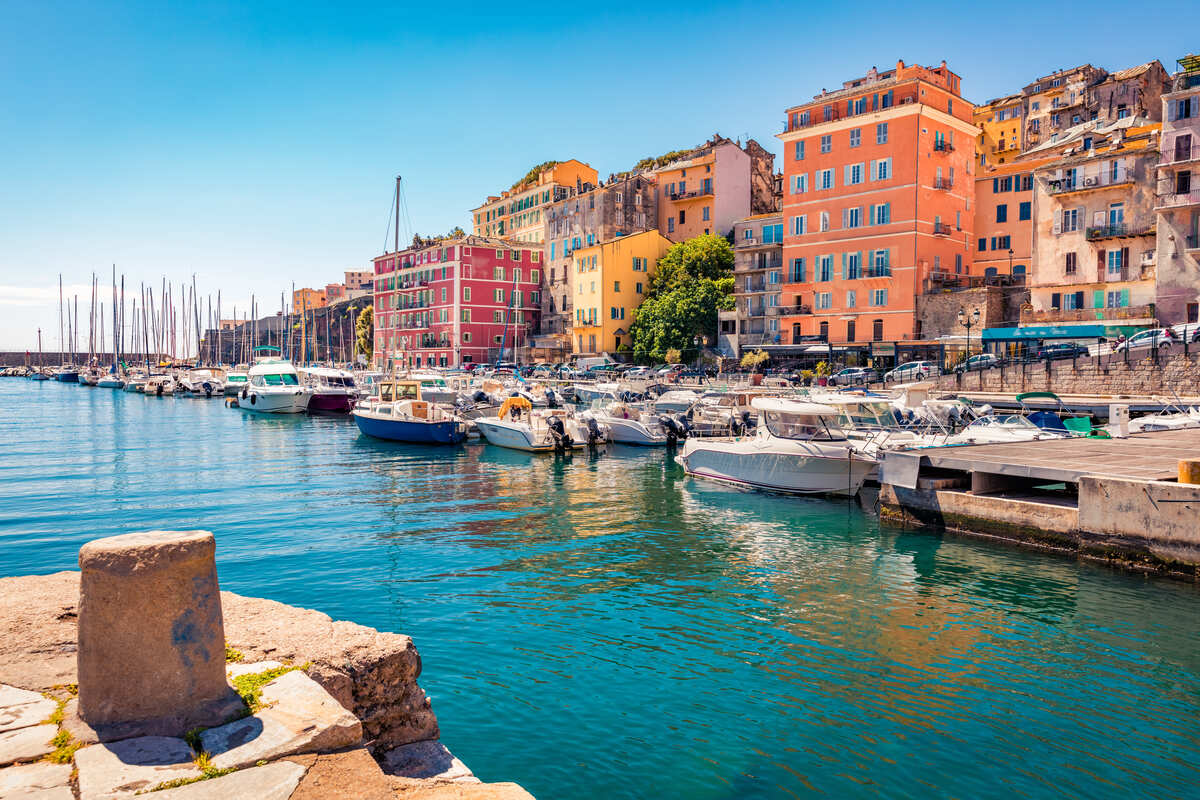
In Bastia itself, the Vieux Port has the traditional colorful buildings, bobbing boats, cozy boulangerie cafés where every single item on display is freshly-baked, and lined waterfront cafés.
The Citadelle district, or Terra Nova, a narrow-lane maze inside an Old Genoese fortress, gives the best panoramic angles over the coast, and if you’re into that Mediterranean lifestyle—the dolce vita, as they call it—there’s nowhere better to sip some coffee, browse local markets, and people-watch on a sun-drenched terrace than Place Saint-Nicolas.


Stacie Harris is a local resident and reporter of the Maple Grove area. Stacie reports on medicine and science for the Maple Grove Report.