Fast-Attack Nuclear Submarine Returns To US Navy Service Earlier Than Expected


The U.S. Navy is inarguably one of the most modern and lethal naval forces to ever exist. However, it is also true that for the past several years, the organization had raked up a reputation for running programs that not only run behind schedule, but also go way over budget. Reports indicate that the vast majority (some estimates say as much as 82%) of the U.S. Navy warships under construction are running behind schedule. Vessels that undergo periodic maintenance are also affected by such delays. It is under these circumstances that we have reports of an advanced fast-attack nuclear submarine belonging to the U.S. Navy completing its scheduled maintenance nearly a month ahead of schedule.

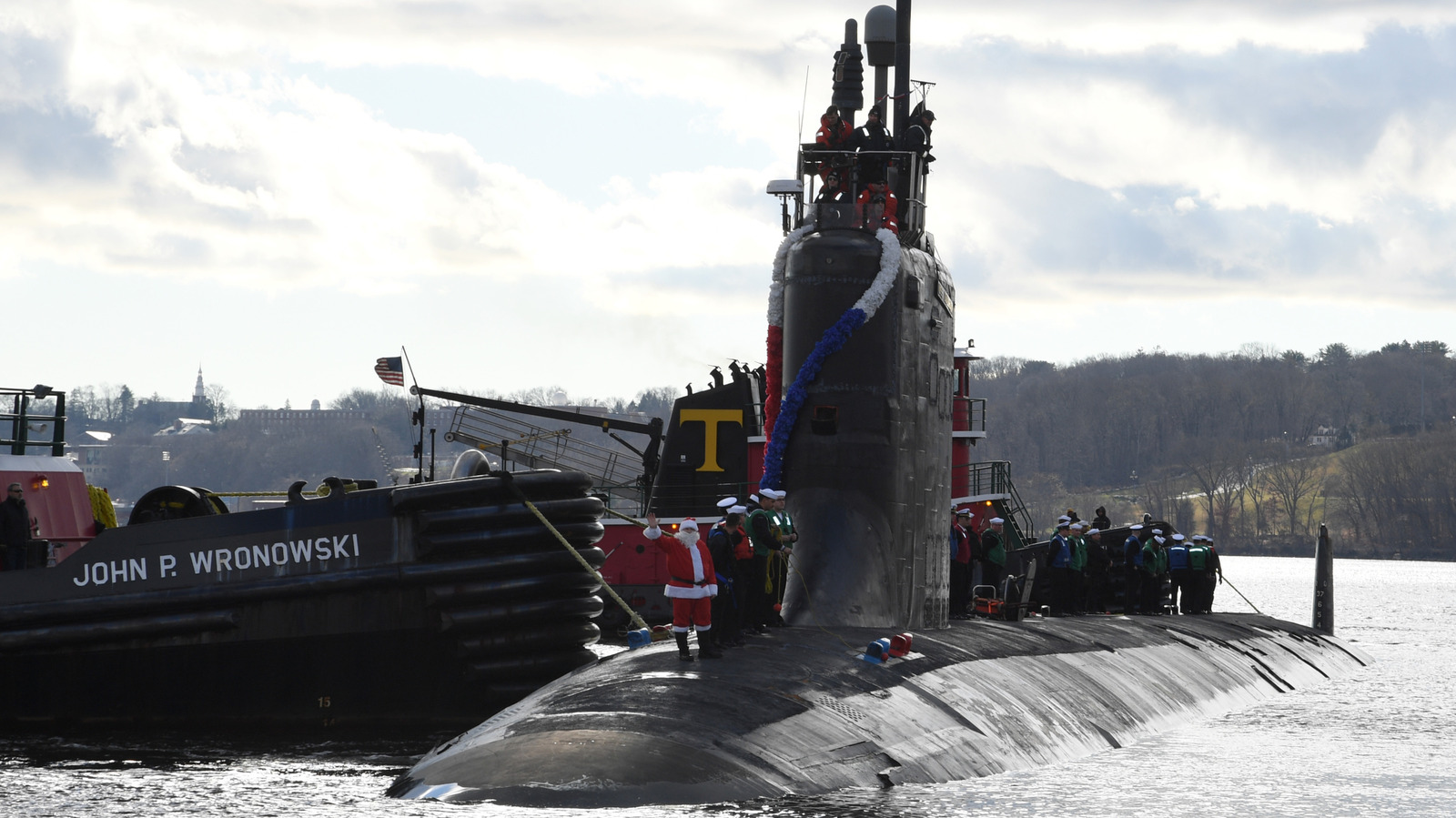
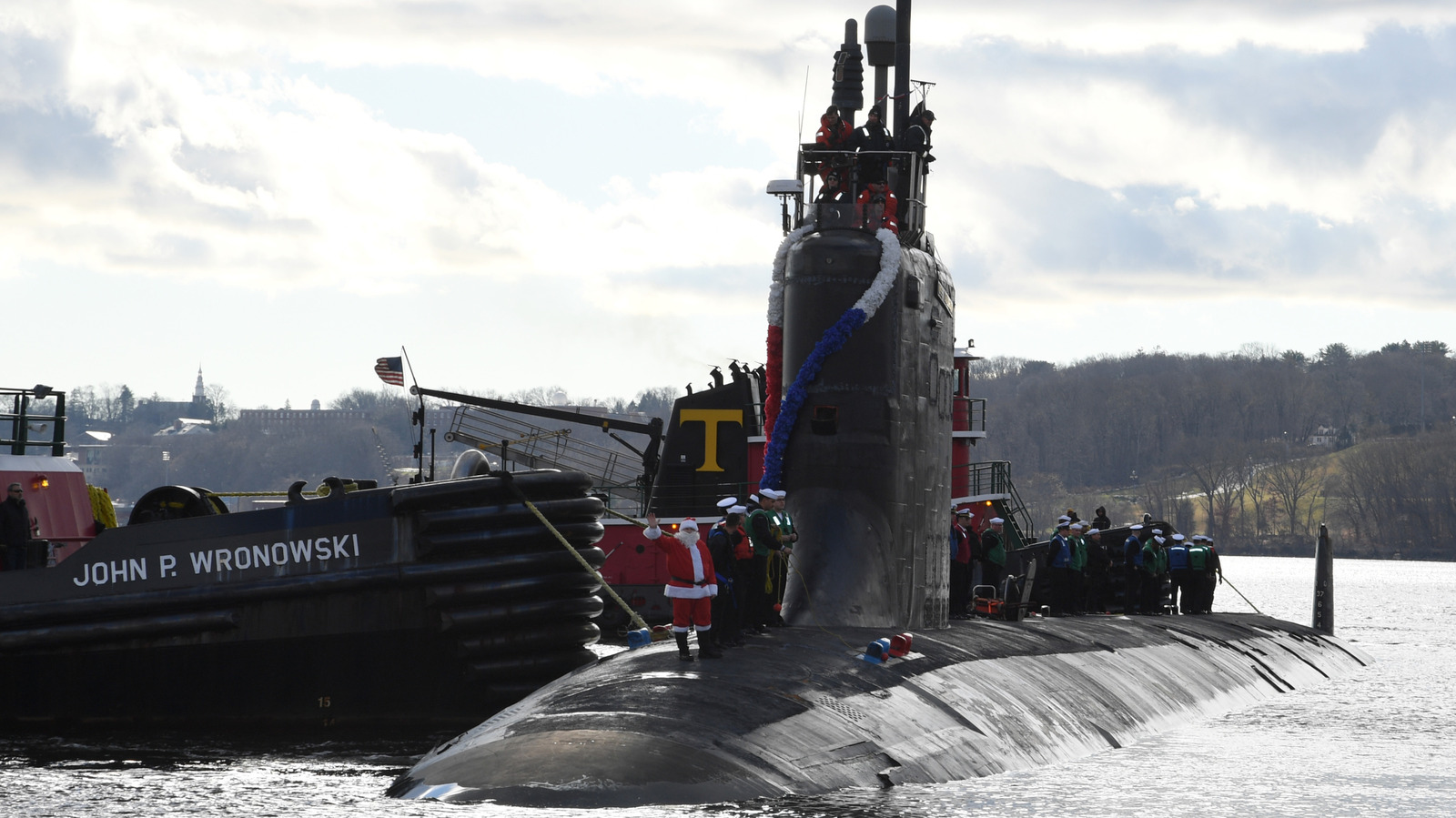
The submarine in question is the U.S. Navy’s Virginia-class fast-attack submarine; the USS Colorado. The vessel — which was undergoing routine scheduled maintenance at the Pearl Harbor Naval Shipyard and Intermediate Maintenance Facility (PHNSY & IMF) — recently completed the entire process on June 10, 2026. Given that the submarine was scheduled to remain under maintenance for 29 more days (until July 9, 2026), this is being widely celebrated as a major achievement. The vessel is expected to return to active duty within the next few days, bolstering the capabilities of the U.S. Navy.

The early completion of the USS Colorado’s scheduled maintenance is largely the result of meticulous planning. It involved close coordination between the workers of the shipyard as well as the crew of the vessel, who worked together to ensure that everything went well. The achievement is more notable due to the fact that those involved in the task had to work within the confined spaces of the vessel.

How important is the USS Colorado (SSN 788)?

Vessels like the USS Colorado play a major role in the U.S. Navy’s intelligence, surveillance, and reconnaissance missions, and for the same reason, the operational availability of these vessels for various missions is crucial. Aside from these purposes, the USS Colorado is a versatile submarine that can support various mission types. It has advanced anti-submarine and anti-surface ship warfare capabilities, and can also support special operations and strike warfare missions.

The USS Colorado is the 15th vessel among the Virginia Class submarines (named after the lead ship of its class, USS Virginia). It was commissioned in March 2018, and is a member of the fifth block of the Virginia Class subs. The vessel is around 370 feet long and displaces around 7,800 tons, making it longer (but lighter) than the older Seawolf-class of submarines. It can accommodate a crew of 134 and can operate a wide variety of weapons. Like the rest of its Block III vessels, the USS Colorado is capable of firing up to 12 Tomahawk land attack missiles, and can also launch Mark 48 torpedoes using four of its 21-inch torpedo tubes.

The major difference between the Block III Virginia Class subs and the older models of the same class is the redesigned bow. This bow accommodates two large-diameter Virginia Payload Tubes, each of which can accommodate six aforementioned Tomahawk cruise missiles. The older Block II submarines used 12 individual Tomahawk launch tubes instead.


Source link

Leave a Reply

Subscribe to Our Newsletter

Get our latest articles delivered straight to your inbox. No spam, we promise.

Recent Reviews


The Government’s ‘Company Accounts and Tax Online’ (CATO) filing service allows small companies with the simplest affairs to file their company accounts and corporation tax return simultaneously with Companies House and HMRC. However, if you run a small business and use this service things are about to change.

The Government is closing the CATO portal on 31 March 2026. After that date, companies will no longer be able to file their company accounts and corporation  tax returns for free via CATO. You’ll need to either use commercial software or work with a professional accountant to do it for you. For the many micro‑entities and small companies that currently file on their own, this is a significant shift.

Some businesses may still be able to use a free web‑filing service from Companies House for micro‑entity or dormant accounts, but that only covers the filing of your statutory accounts – not your corporation tax return to HMRC – and that service is also expected to close in the near future. So, it makes sense to address both needs together when planning how you navigate the CATO closure.

Acting early to make life easier

Although CATO shuts on 31st March, many companies and their directors won’t feel the impact until months later, when their next filing deadline comes around. If you wait until that crunch point, you may find yourself:

  • choosing and learning new software under deadline pressure
  • hurriedly migrating or re‑entering data
  • settling for “whatever works right now”, even if it’s not a good long‑term fit.

And the reality is that all of these things increase the risk of making mistakes, filing incorrect data or even filing late, all of which could lead to penalties or in extreme cases being struck off.

If you usually use the Government’s free service and your filing deadline falls between now and 31 March, it’s business as usual for this year. Now is the time to start preparing for the transition. We recommend getting your filings in as early as possible this year to avoid a last-minute rush. This also gives you the space to begin exploring how a professional accountant or bookkeeper can support your business through these changes. Preparation is the key to a successful, stress-free transition next year.

If your filing deadline falls not long after the 31st March, say April, May or June then it would be worth giving some thought, if practical, to trying to file a little earlier this year in order to avoid rushed decisions. If you could file before the 31st March in order to utilise CATO then you’ve effectively bought yourself  a year to make the right long term decision that’s the right strategic fit for you and your business. This isn’t going to be possible in all cases but it’s certainly worth thinking about!   

Regardless of how or when you plan to file your next set of accounts and tax return, the Government is encouraging all CATO users to ensure they download and save all their previously submitted accounts and tax returns via the portal before it closes. After the 31st March you won’t be able to access your historical submissions and you may find you need them in the future. The government has provided instructions on how to do this here.

Why an accountant or bookkeeper is still best practice

For many small businesses, the best route through this change will be to work closely with an accountant or bookkeeper. They can:

  • guide you through software choices and setup
  • help you understand whether your affairs really are “simple enough” to keep doing it yourself or whether it’s time to get expert help from a professional
  • advise on the most suitable approach for your size and sector
  • make sure your bookkeeping, accounts and tax all join up smoothly.

The right software choice and set up coupled with good digital record keeping throughout the year can lead to a streamlined, stress free year end process that’s more about review and approval than last minute data entry, re-keying of data and stressful reconciliations. An experienced advisor can design and run that system with you, as hands on or as hands off as needed, so you stay compliant and confident without needing to become a tax or software expert yourself.

Whilst CATO’s closure is undoubtedly frustrating for many, it’s also a timely reminder to take a step back and make sure your whole set up and year‑end process is fit for the future. Take the opportunity now to talk to an accountant or bookkeeper and put a simple, joined-up plan in place – so when the portal disappears, you’re already one step ahead.

Was this article helpful?

YesNo


Source link

