Fast-Attack Nuclear Submarine Returns To US Navy Service Earlier Than Expected


The U.S. Navy is inarguably one of the most modern and lethal naval forces to ever exist. However, it is also true that for the past several years, the organization had raked up a reputation for running programs that not only run behind schedule, but also go way over budget. Reports indicate that the vast majority (some estimates say as much as 82%) of the U.S. Navy warships under construction are running behind schedule. Vessels that undergo periodic maintenance are also affected by such delays. It is under these circumstances that we have reports of an advanced fast-attack nuclear submarine belonging to the U.S. Navy completing its scheduled maintenance nearly a month ahead of schedule.

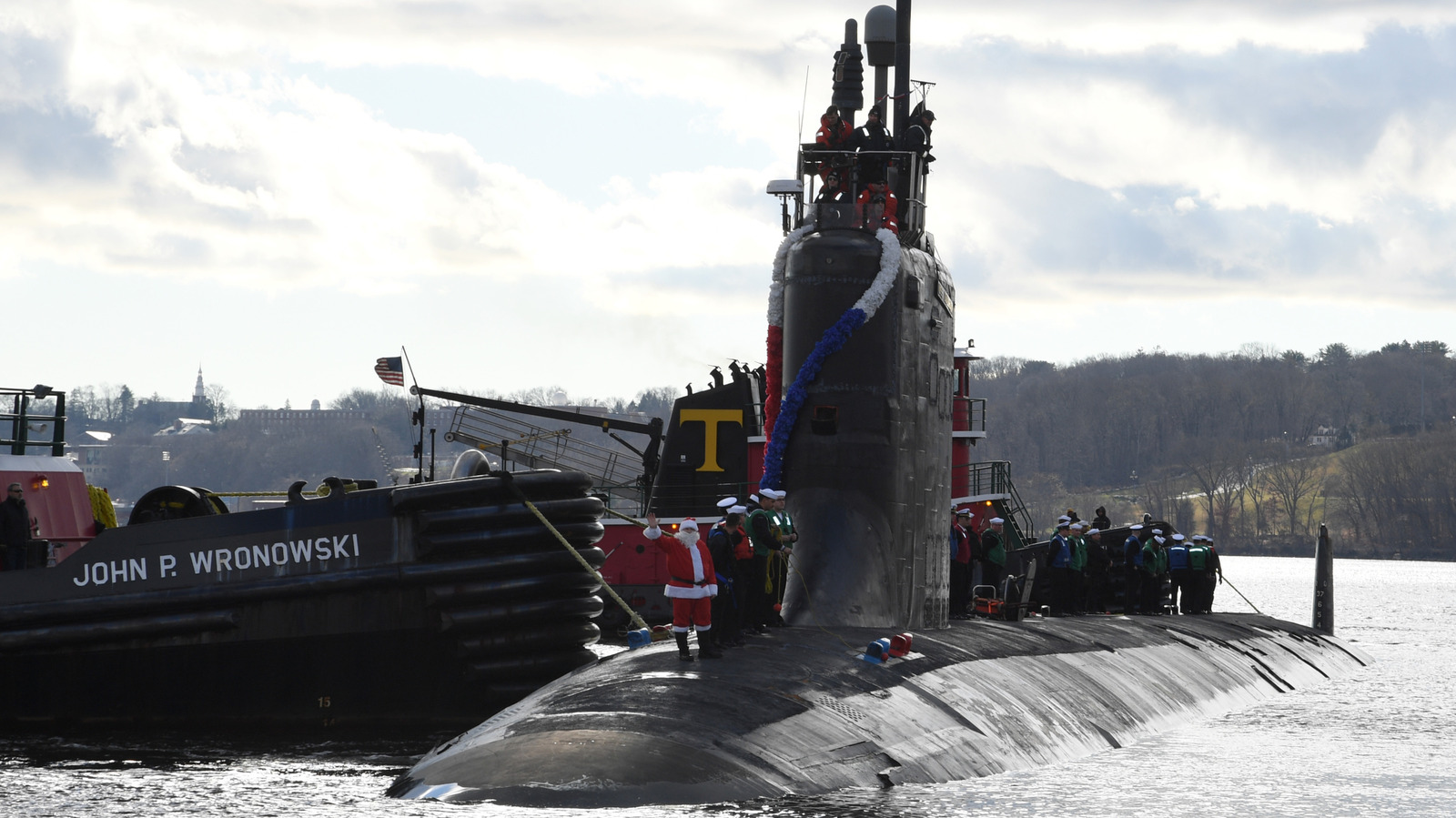
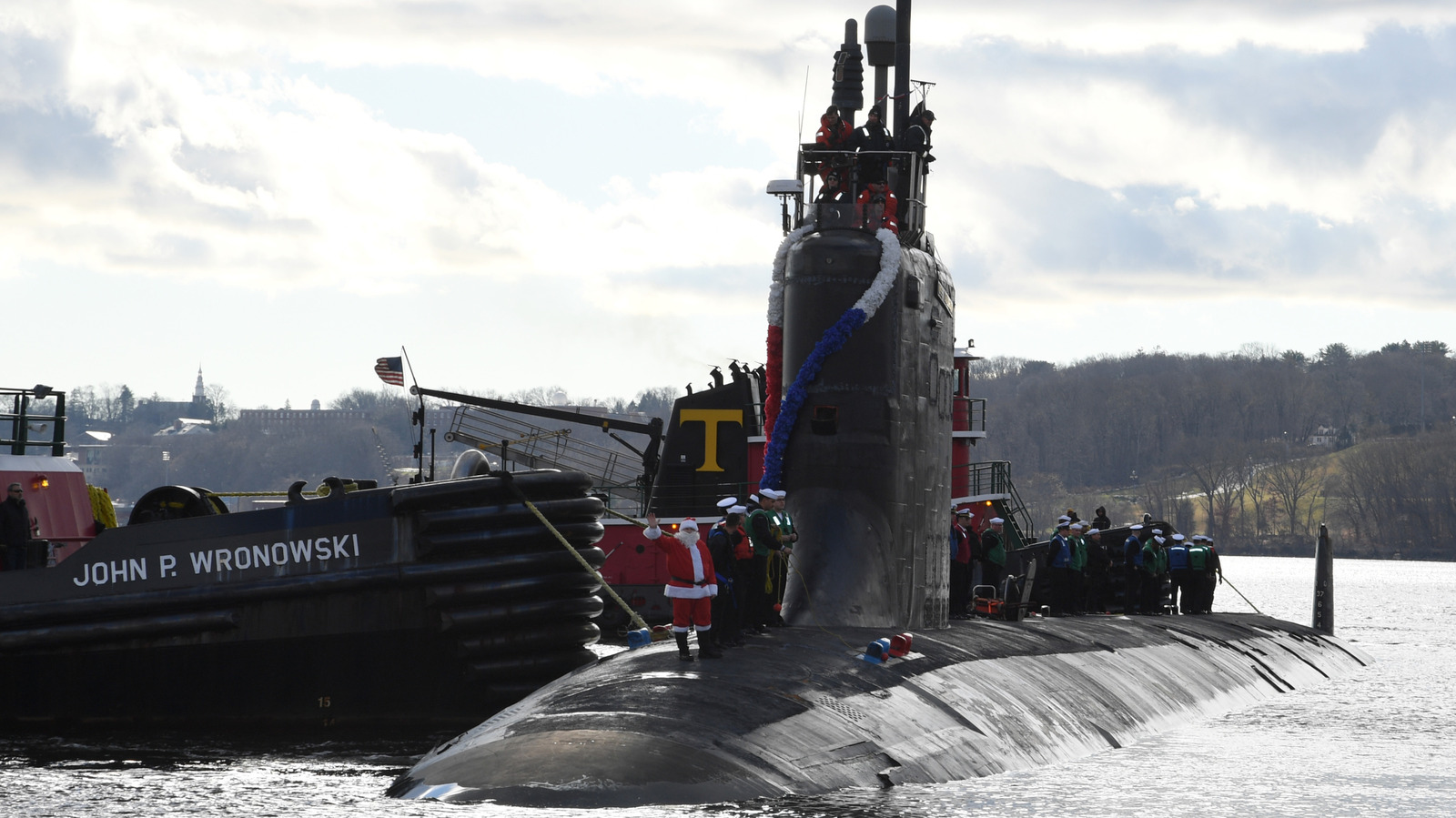
The submarine in question is the U.S. Navy’s Virginia-class fast-attack submarine; the USS Colorado. The vessel — which was undergoing routine scheduled maintenance at the Pearl Harbor Naval Shipyard and Intermediate Maintenance Facility (PHNSY & IMF) — recently completed the entire process on June 10, 2026. Given that the submarine was scheduled to remain under maintenance for 29 more days (until July 9, 2026), this is being widely celebrated as a major achievement. The vessel is expected to return to active duty within the next few days, bolstering the capabilities of the U.S. Navy.

The early completion of the USS Colorado’s scheduled maintenance is largely the result of meticulous planning. It involved close coordination between the workers of the shipyard as well as the crew of the vessel, who worked together to ensure that everything went well. The achievement is more notable due to the fact that those involved in the task had to work within the confined spaces of the vessel.

How important is the USS Colorado (SSN 788)?

Vessels like the USS Colorado play a major role in the U.S. Navy’s intelligence, surveillance, and reconnaissance missions, and for the same reason, the operational availability of these vessels for various missions is crucial. Aside from these purposes, the USS Colorado is a versatile submarine that can support various mission types. It has advanced anti-submarine and anti-surface ship warfare capabilities, and can also support special operations and strike warfare missions.

The USS Colorado is the 15th vessel among the Virginia Class submarines (named after the lead ship of its class, USS Virginia). It was commissioned in March 2018, and is a member of the fifth block of the Virginia Class subs. The vessel is around 370 feet long and displaces around 7,800 tons, making it longer (but lighter) than the older Seawolf-class of submarines. It can accommodate a crew of 134 and can operate a wide variety of weapons. Like the rest of its Block III vessels, the USS Colorado is capable of firing up to 12 Tomahawk land attack missiles, and can also launch Mark 48 torpedoes using four of its 21-inch torpedo tubes.

The major difference between the Block III Virginia Class subs and the older models of the same class is the redesigned bow. This bow accommodates two large-diameter Virginia Payload Tubes, each of which can accommodate six aforementioned Tomahawk cruise missiles. The older Block II submarines used 12 individual Tomahawk launch tubes instead.


Source link

Leave a Reply

Subscribe to Our Newsletter

Get our latest articles delivered straight to your inbox. No spam, we promise.

Recent Reviews


Running a manufacturing business is a constant balancing act between the workshop floor and the balance sheet. Right now, that balance is under real pressure.

The current surge in fuel prices is flowing straight through jobs — via fuel surcharges, higher freight, and rising costs for materials like concrete, plastics, copper, and piping. Costs aren’t rising in isolation; they’re compounding across every job.

It’s this kind of pressure that can expose hard truths about profitability for small businesses, similar to what one growing Australian fabrication business found when examining their balance sheet more closely. Despite strong demand and a consistently full workshop, profitability wasn’t keeping pace with revenue. Hidden margin leaks across labour and materials were quietly eroding results.

By connecting operational job costing with financial reporting using Gojee, Xero, and Syft, the business gained the real-time visibility it needed to stop the leaks and recover more than $165,000 in annual margin.

The challenge: Visibility beyond the spreadsheet

The business relied on Xero for its accounting, but like many manufacturers, its operational job costing was tracked separately in spreadsheets and workshop records.

This created a significant data disconnect. Leadership could see their overall financial results, but they couldn’t clearly identify which specific jobs were driving profit and which were costing the business money.

When CFO advisor Amanda Fisher stepped in to assist the finance team, she used Syft to analyse Xero data and uncovered a startling insight. The business had a target gross margin of 32%, but was actually achieving only 29.7%. That gap represented nearly $180,000 in lost profit every year.

“As a CFO, the key to decision-making is real-time data. Syft is perfect for visuals that help business owners understand the big picture. But in manufacturing, the devil is in the detail. That’s where Gojee helps uncover hidden margin leaks and bridge the gap between the factory floor and finance.” 

– Amanda Fisher, Xero accountant & CFO advisor

The solution: A connected tech stack

To bridge the gap, Amanda introduced Gojee to manage job costing and workflows directly alongside Xero. This created a seamless flow of data:

  • Gojee captures real-time labour hours and material purchases on the factory floor.
  • Xero handles the financial transactions, bills, and invoicing.
  • Syft translates that data into visual dashboards for margin analysis and trend tracking.

What the data revealed

Once the business had real-time visibility, three common profit leaks emerged:

  • Labour rework: One project quoted for 720 hours actually took 845 hours, reducing the margin by over $10,000. Annually, labour overruns cost the business approximately $95,625.
  • Materials price variance: Quoting based on estimated costs rather than confirmed supplier invoices led to $66,000 in annual margin erosion.
  • Low-margin jobs: Analysis showed that smaller, complex custom projects often disrupted workshop productivity. One $75,000 project achieved only an 18% margin, far below the 30% expectation.

The results: From reactive to proactive

Armed with these insights, the company adjusted its quoting strategy and began prioritising higher-margin work. Within 12 months, the results were transformative:

Metric Before After
Gross margin 29.7% 31.8%
Annual profit $165K+ recovered

Today, the business doesn’t just work harder; it works smarter. The machines and the team haven’t changed, but the visibility has. By moving from reactive reporting to proactive decision-making, they have turned a busy workshop into a highly profitable one.


Explore apps in the Xero App Store to see how  Xero + connected apps help to uncover hidden profits in your business:

  • Explore Gojee to streamline your job costing.
  • See how Syft can transform your Xero data into powerful financial insights and comprehensive reports.

Was this article helpful?

YesNo


Source link