
Some travelers chase the sun to the crowded beaches of the Mediterranean, while others spend a fortune trying to book a tropical getaway across the Pacific.
For your next summer escape, you can actually have the absolute best of both worlds.
There is a destination that offers the raw, dramatic beauty of a tropical volcanic paradise combined with the distinct charm and ease of a European vacation—and it is the ultimate alternative for a summer trip.
As travelers gear up to plan their summer getaways, finding a spot that avoids the crushing high-season crowds and skyrocketing prices has become nearly impossible.
The classic coastal hotspots of Western Europe are practically bursting at the seams by July and August. But if you are willing to look just a bit further off the mainland, you can experience a dreamy summer vacation filled with pristine nature, dramatic landscapes, and perfect weather.
This spectacular destination is often called the “Hawaii of Europe,” and it is quickly becoming the go-to spot for savvy travelers who want an exotic island escape without the massive price tag or the endless transit times.
Get ready to hear a lot more about the Azores.

Paradise In Every Which Way
Paradise is not just a word used to sell postcards; it is a real place that you can fly to without spending multiple days connecting through chaotic international hubs.
Located right in the middle of the Atlantic Ocean, the Azores are a stunning chain of nine volcanic islands belonging to Portugal.
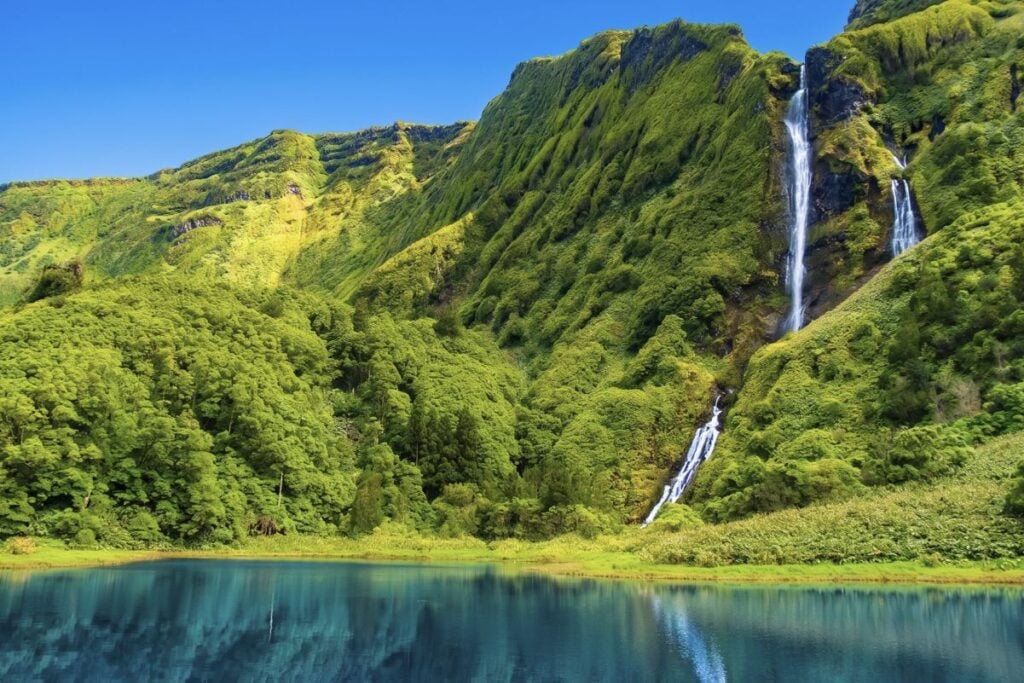
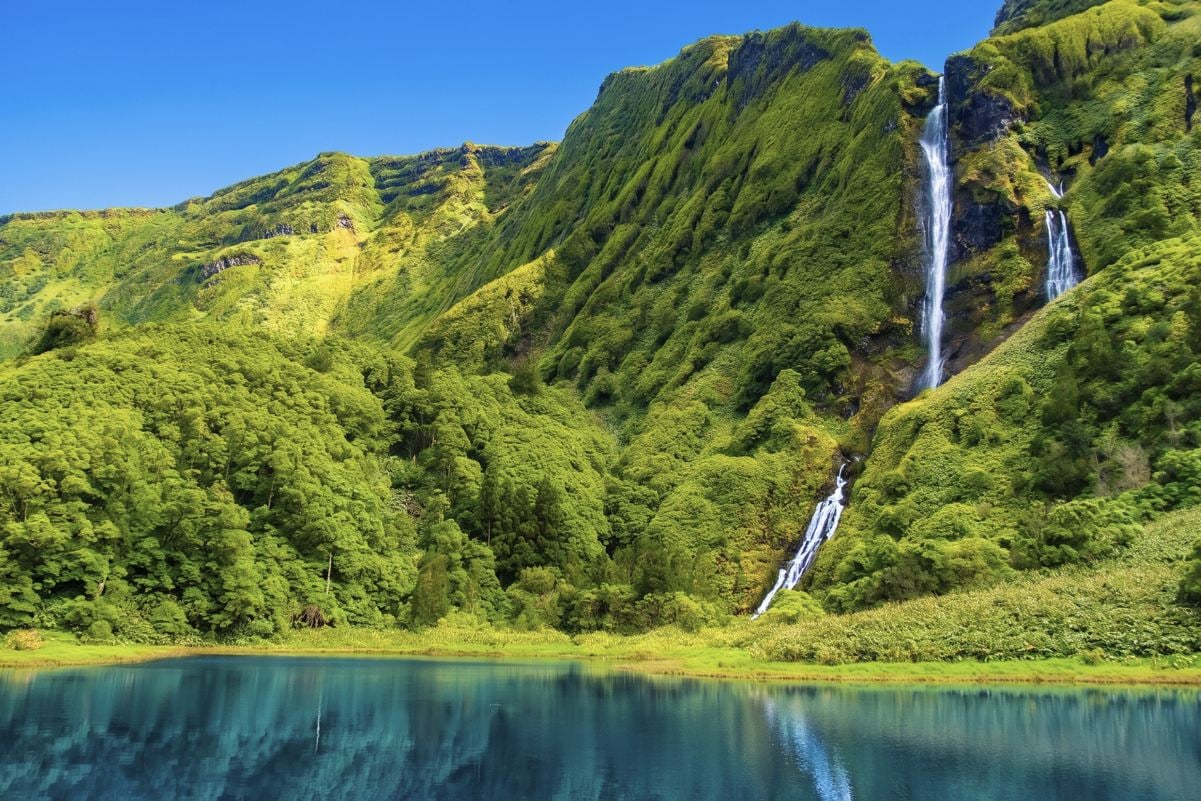
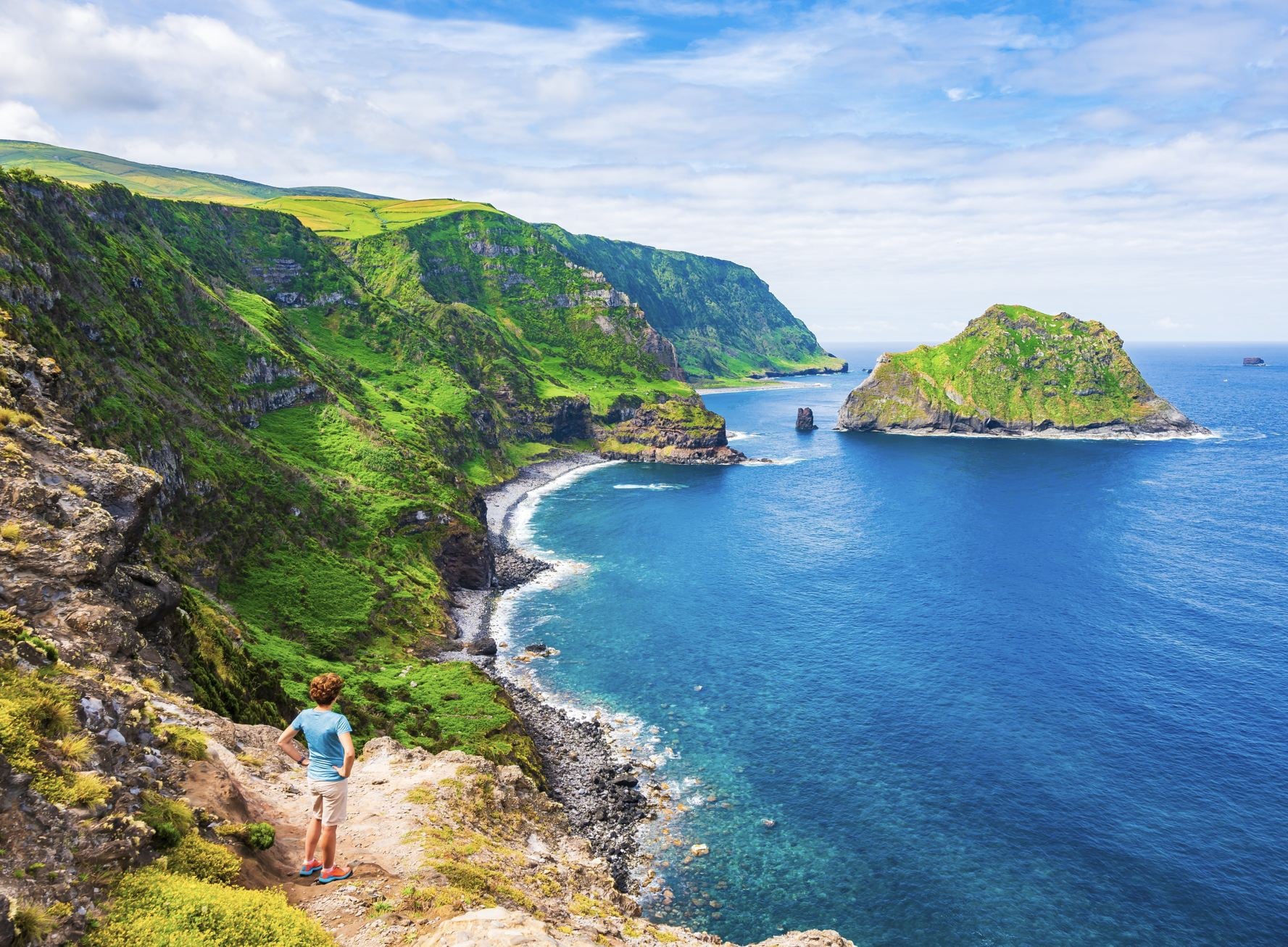
Because of their unique position, they offer a mind-blowing mix of massive volcanic craters, steaming geothermal hot springs, cascading waterfalls, and intense, lush green cliffs that plunge directly into the deep blue sea.
The connectivity for Americans is surprisingly easy.
You do not have to endure a grueling 15-hour trek to reach this level of tropical beauty. Airlines run direct flights from major U.S. hubs—including nonstop routes from Newark, Boston, and New York JFK straight into the main island of São Miguel.
It makes heading to an exotic island chain feel just as simple as crossing the Atlantic for a standard European city break.

While the islands are a draw all year round, summer is when the Azores truly shine.
While mainland Europe is currently baking under intense, unbearable summer heatwaves and dealing with overcrowded beaches, the Azores enjoy a completely flawless climate.
Average summer temperatures hover comfortably in the mid-70s with a fresh, cooling Atlantic breeze.
It is the perfect weather for actually being active and exploring the great outdoors, rather than just hiding indoors under the air conditioning.
Made For Exploring
While some people just want to spend their vacation lounging next to a resort pool with a book, the Azores will constantly tempt you to lace up your hiking shoes and explore.
The landscape here is so intensely green and rugged that it looks far more like Kauai or Maui than anything you would expect to find in Europe.

Instead of walking through standard manicured gardens, a summer trip to the Azores means hiking along the rims of massive volcanic craters.
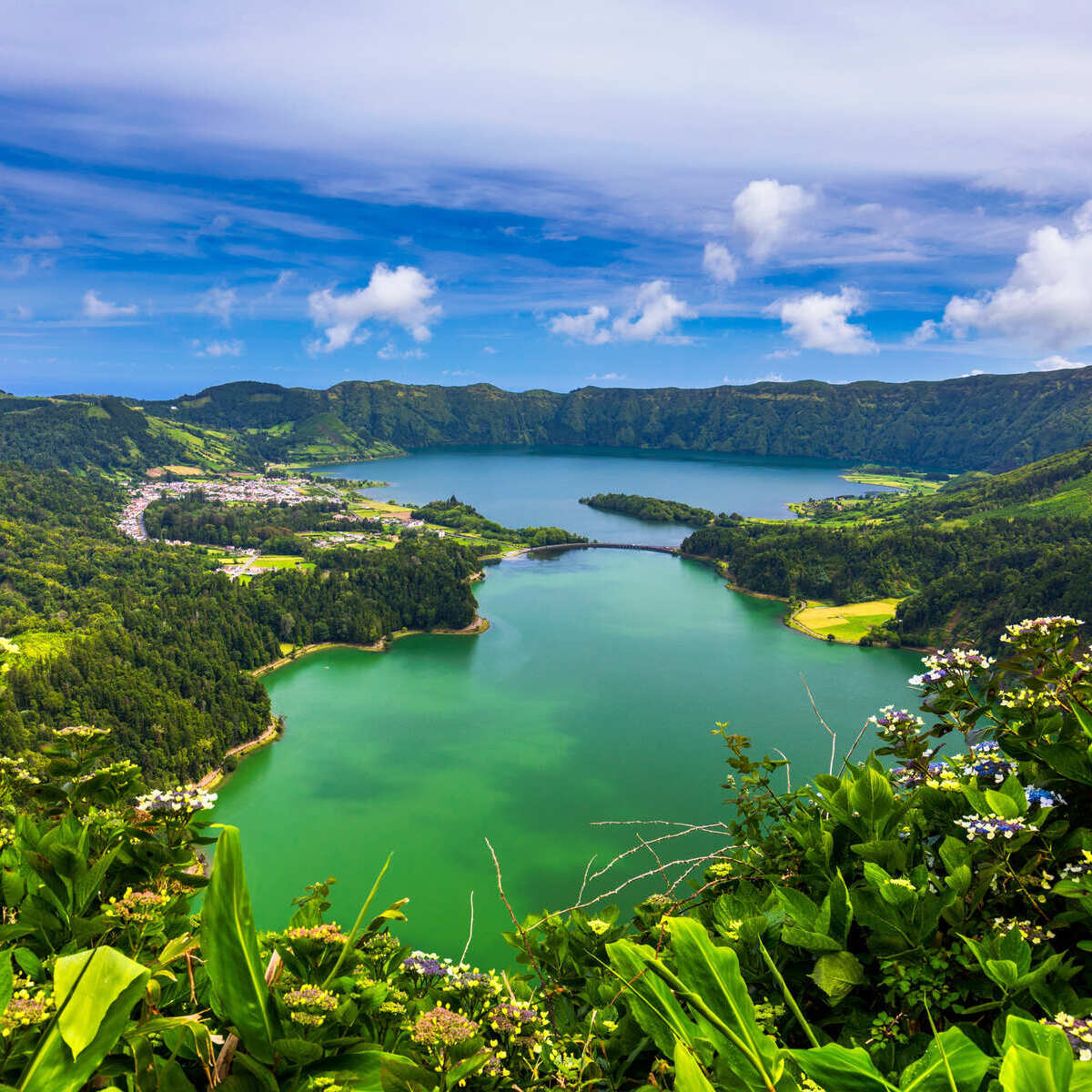
On the main island of São Miguel, you can stand above Sete Cidades, a breathtaking twin lake system where one body of water reflects a brilliant green and the other a deep, electric blue inside a dormant volcano.
If you want an even bigger adventure, you can take a short ferry or flight over to Pico Island. Here, you can challenge yourself by ascending Mount Pico, a towering volcanic cone that stands as the absolute highest peak in all of Portugal.
Pack your swimsuit along with your hiking gear, because after a long trek through the dense forests, you can head straight down to the coast to surf or relax on wide, pristine black sand beaches.

Vibrant Vibes and Coastal Charm
The Azores are an autonomous region of Portugal, meaning you get all the incredible cultural perks of Europe wrapped up in an island setting.
The towns and cities here are bursting with historic charm, cobblestone streets, and a laid-back coastal energy that makes it incredibly easy to unwind.
You do not have to fight the massive summer crowds in Lisbon or Porto to experience Portugal’s famous architecture and rich history.
The capital city of Ponta Delgada is full of striking 18th-century churches, whitewashed buildings with dark volcanic stone trim, and bustling waterfront cafes.
You can spend your afternoons wandering through the quiet streets, stopping at local markets to try fresh island pineapples, or sampling the famous cheeses produced right on the neighboring islands.
When the sun begins to set, the waterfront comes alive. You can enjoy a vibrant evening out at a lively harbor-side restaurant, or relax at a casual outdoor petiscos bar, enjoying local tapas and world-class wine.
It is this exact blend of modern European comfort and untouched island slow-living that has caused digital nomads and trendsetters to start flocking to the archipelago for extended stays.
Is The Azores Safe?
When it comes to security, the Azores is an incredibly safe destination for tourists. According to our very own real-time Traveler Safety Index, Portugal currently holds a strong score of 85, with the vast majority of travelers reporting that they feel completely secure on the ground. To back that up, the U.S. State Department assigns Portugal a Level 1 travel advisory. This is the absolute lowest risk level they hand out, meaning you simply need to exercise normal precautions while enjoying your island getaway.
Affordable Luxury
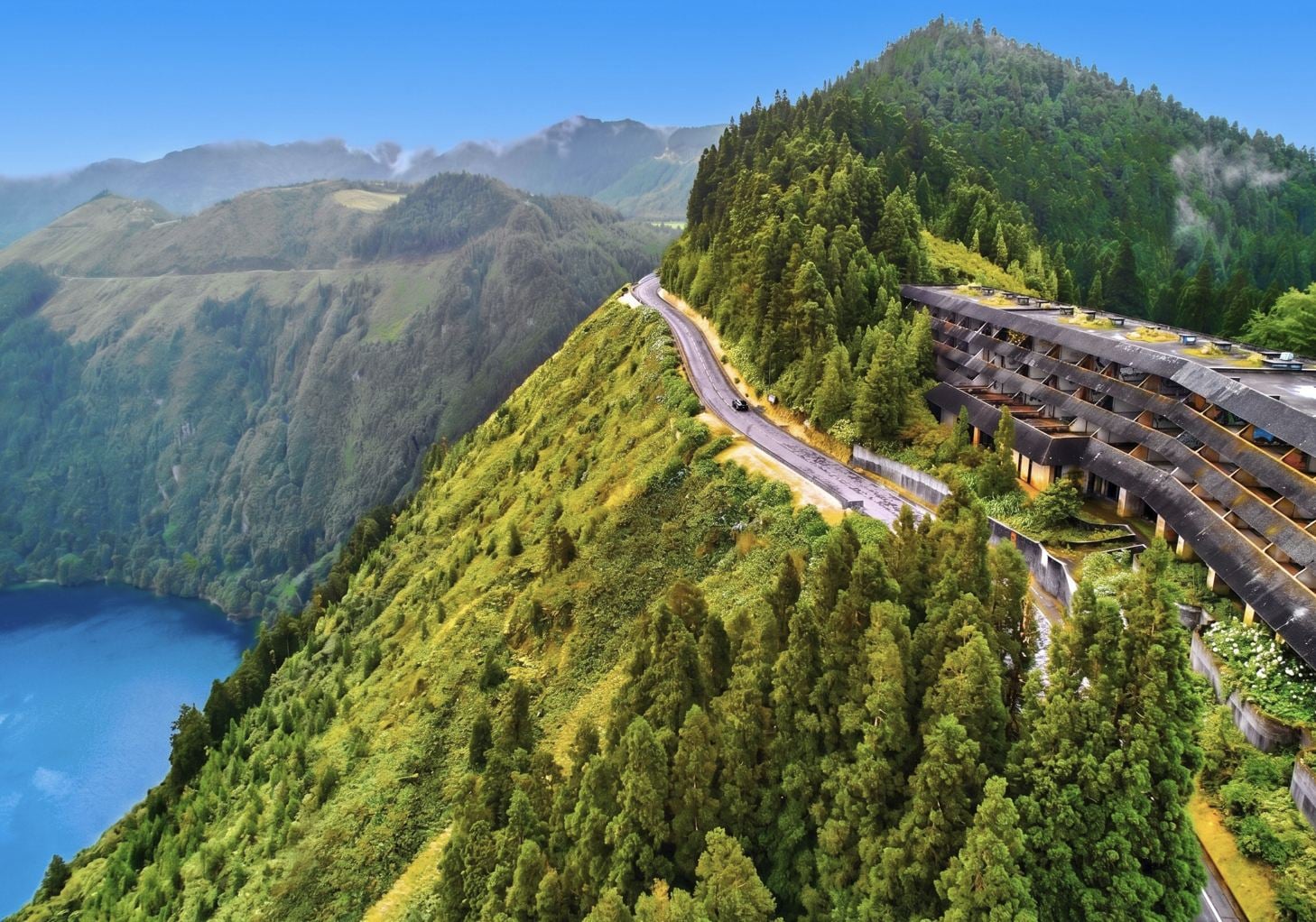
Oftentimes, when a destination looks this beautiful and exotic, it comes with a shocking, premium price tag that drains your bank account. But because the islands are still fiercely authentic and have resisted the urge to build massive, commercialized mega-resorts, the Azores remain one of the most budget-friendly summer destinations in the world.
How many sun-drenched, tropical paradises are left where you can book a highly rated 4-star boutique eco-lodge or a stylish waterfront hotel for under $130 a night during the peak summer season? Not many.
The Azores offer an exclusive list of high-quality accommodations that will make travelers paying high-season prices in Italy or Greece weep.
It is not just the hotels where your money stretches significantly further. The cost of daily living on the islands is incredibly reasonable.
You can sit down for a spectacular dinner of fresh, locally caught Atlantic seafood, paired with a bottle of excellent Azorean wine, and walk away with a bill that feels shockingly low.
Even the island activities are affordable. You can spend an afternoon soaking in the natural, iron-rich thermal pools of Furnas—swimming in warm, mineral waters completely surrounded by towering palm trees and prehistoric ferns—for just a few dollars.
If digital nomads can handle making this magical place their long-term home without breaking the bank, you can easily manage an unforgettable summer vacation here.
The Smart Summer Pivot
As the peak summer travel season moves into full swing, the choice is completely up to you. You can follow the mainstream crowds to the overpriced, packed-out beaches of Western Europe, or you can make the smart pivot to an entirely different kind of island paradise. Be sure to check the latest entry requirements and customs rules for your destination before your trip!
The Azores stand ready to deliver everything you actually want out of a summer vacation. You get the jaw-dropping volcanic scenery, the world-class hiking trails, the refreshing swimming spots, and the historic European charm, all without the exhausting crowds or the paradise price tag.
Trade the standard, copy-and-paste summer itinerary for something that genuinely feels like a discovery. All you have to do is pick which of the nine islands you are going to explore first.

Stacie Harris is a local resident and reporter of the Maple Grove area. Stacie reports on medicine and science for the Maple Grove Report.