Maple Grove Daily

Maple Grove Daily

Subscribe to Our Newsletter

Get our latest articles delivered straight to your inbox. No spam, we promise.


We may receive a commission on purchases made from links.

The Google Pixel lineup reigns strong as one of the best Android phones out there. One could easily make the case that Pixels pave the way for AI-enabled camera wizardry, and they’re the de facto AI testing bed where bleeding-edge features often release first — and sometimes stay exclusive to Pixel devices. You can’t go wrong with a Pixel. Since they’ve been around for a while, too, they’ve also acquired a healthy spread of accessory options to complete them beyond the software front where they dominate.

This is our (very brief) list of great Pixel accessories. We’ll be avoiding phone cases, since there are a billion options for those and people diverge strongly when it comes to aesthetics. Not all accessories listed here will work for all Pixel phones; Pixels go back a decade already, and in recent years we’ve seen some major design and hardware changes that separate the new Pixels from the old. Having said that, these are the accessories that make the Pixel feel just as useful physically as it feels in the software department.

Pixelsnap charger

Ever since Apple introduced MagSafe charging and accessories to the iPhone 12, it has remained a major leg up for the iPhone over Android. Then the introduction of Qi2 charging closed that gap. Now, Google’s Pixelsnap adopts Qi2 as a homegrown, brand-named MagSafe competitor. The Pixelsnap charger for $39.99 is recommended for anyone with a compatible Pixel phone.

Pixelsnap looks and functions identically to MagSafe. Simply place the puck on the back of your Pixel phone and (provided the case isn’t too thick) it will attach magnetically, ensuring perfect alignment every time and guaranteeing efficient and fast wireless charging. Note that Pixelsnap (like MagSafe) is not just a charger; it’s the catch-all term for a wide variety of magnetic accessories using the same array.

A few things are worth noting here. One, Pixelsnap only supports the following Pixel phones: the Pixel 10, Pixel 10 Pro, Pixel 10 Pro XL, and Pixel 10 Pro Fold, and presumably all Pixels going forward. Two, the only real benefit of this specific charger is that it supports a maximum of 25W charging, and only on the Pixel 10 Pro; 15W is the max for all other Pixel 10 models. Some testing has concluded that even then the 25W claim does not hold up. Third, since Pixelsnap is effectively Google taking the open Qi2 standard and scrawling “Google” in Sharpie all over it, you don’t need to purchase Pixelsnap to get wireless charging for a Pixel 10. Any Qi2 charger should work. Finally, be aware of the pros and cons of wireless charging generally. Pixelsnap charging is convenience first and foremost, so charging will always be faster with a cable.

Pixelsnap Ring Stand

The Pixelsnap charger is for all intents and purposes MagSafe Android edition, and thus includes far more than mere wireless chargers. Pixel users can finally get their hands on many of the unique and useful MagSafe accessories for iPhone. Google’s Pixelsnap Ring Stand for $29.99 is a good example.

The Ring Stand is a stand meant to work for all purposes, at all angles. So not only will it support horizontal and landscape orientation, but adjusting the orientation is as simple as twisting the ring. Importantly, this is not an accessory that needs to stay attached to your phone 24/7, or installed with its own proprietary case like many stands do. Google claims it is effortless to attach or remove via the Pixelsnap magnetic array.

The same caveats as before apply here; this is only compatible with Pixel 10 phones that have Pixelsnap support. Any other Qi2 accessories should, in theory, work just as fine. We mentioned this version because it looks great and vibes well with the Pixel’s aesthetic. That and it’s shockingly thin, portable enough to be carried in almost any pocket or any purse or pair of pants.

Arc Pulse

Perhaps the most distinctive feature of Pixel phones has to be the camera bar — and occasionally a controversial feature. Having one of the most sensitive pieces of a phone’s hardware sticking out and exposed raises questions about what happens when you drop it bar-down, and irks some case-free users (myself included, when I had a Pixel) any time you set your phone down. The Arc Pulse has to be one of the most brilliant case designs we’ve seen to date that mitigates the camera bar’s potential vulnerability, and it’s not even technically a case.

As you can see in the photo, the two-piece Arc Pulse gives bumpers to your corners and — most importantly — your camera bar. These attach and detach easily, certainly much easier than most cases. Now you can rock your phone roughly 70% “case-free” and still protect the camera bar. The CNC aluminum is a stylish choice over what could have been less-sightly rubber, and Arc claims the bumpers do not interfere with ports or wireless charging, and add extra drop protection.

Now for the downsides. The Arc Pulse is pricey, costing as much as some of the best cases from other brands despite covering only part of the phone. The odd devil-horn look may look great to some and terrible to others. It was also out of stock when we initially checked. If you own any other devices, Arc Pulse makes more bumper-only cases for other brands, so you can unify your devices under one case-design umbrella.

Pixel Buds

If you own an iPhone, the natural choice for wireless audio is AirPods. On Pixel phones, that choice is Pixel Buds. Pixel Buds excel on any Android device, but for Pixel phones Google reserves a few exclusive features, like incorporating the settings into the device rather than requiring the separate Pixel Buds app. We’d recommend either one of Google’s AirPods competitors, the Pixel Buds Pro 2 or Pixel Buds 2a.

The Pro 2 boasts superior ANC and longer battery life. In addition to this, you get a litany of smaller pro-only features that add up to justify the higher $229 price; things like conversation detection, head-tracked spatial audio, noise reduction for Gemini Live, being able to nod to reply to calls, touch gestures, and more. Feature for feature (and when comparing prices) these are a close competitor to the AirPods Pro 2 — and they even introduced live translation long before any AirPods did.

The Pixel Buds 2a may be half the price, but they’re by no means an unimpressive budget alternative. They have the same Google Tensor A1 chip, Gemini Live, transparency mode, Clear Calling noise cancellation, and tap playback controls. With the exception of a few features like Bluetooth Super Wideband, both Pixel Buds should work flawlessly with Pixel models going back years and most Android devices. We’d argue these are some of the best Android-first earbuds, period, aside from the Samsung Galaxy Buds.

ESR for MagSafe Wallet with Stand

One of the coolest iPhone MagSafe accessories has to be the MagSafe wallet, a slim, easy-to-remove wallet that sticks to the back of your phone. It’s ideal for those who prefer minimalist wallets and only need at most a handful of cards and a few bills in cash. Once you’ve owned such a wallet, there’s no going back. Now the Pixel gets in on the fun; MagSafe wallets work just fine with Pixel 10 phones even if they’re not branded as Pixelsnap or Qi2. Options abound for MagSafe wallets. One that caught our eye is the ESR for MagSafe Wallet with Stand.

The RFID-blocking wallet doubles as a kickstand for supporting the phone in vertical and horizontal orientation. You can fit five cards total. There’s also a transparent window on the underside for showing off an ID or another card you use frequently. For $20 with 4.5 out of 5 stars on Amazon, this is a must-have accessory.
Source link


Share The Article

There are crowded European destinations, and then there’s Amalfi:

Italy’s absolute cesspit for Instagram influencers, TikTokers, and clout-chasing East Coast Americans with an attitude, the 34-mile stretch of coast packs quite the concentration of beautiful sights, but it’s the last place you want to be if it’s an idyllic, slow-paced Mediterranean summer you crave.

Every year, millions of tourists hit up the glitzy coast, either because they’re drawn to their favorite travel influencer’s well-polished reel, that conveniently leaves out the traffic jams and cruise hordes, or they don’t mind paying upwards of $1,000-a-night for that dreamy villa carefully concealed from the day-tripper plebes.

Move Over Amalfi! Italy Is Begging Tourists To Visit These 2 Paradise Islands Instead

Listen, there’s a whole ‘nother way to do Italy, one that doesn’t exactly involve the hefty price tags, nor the twisty Amalfi roads and their odd-even day car plate rules that will just end up driving you mad in the end.

These 2 offbeat, harder-to-reach Italian islands have all that dolce vita, coastal charm, and then some, yet foreign tourists barely even go there. and then some.

Believe it or not, the region of Sicily, which they belong to, has just allocatted 1.5 million euros to boost local promotion, which in Italy these days is practically unheard-of. Most of the country is investing heavily on turning tourists away.

In other words, they actually want you there, instead of the usual fake pleasantries from over-the-top Positano waiters who treat you like a mancia dispenser, so you might as well take them up on the invite:

Lampedusa

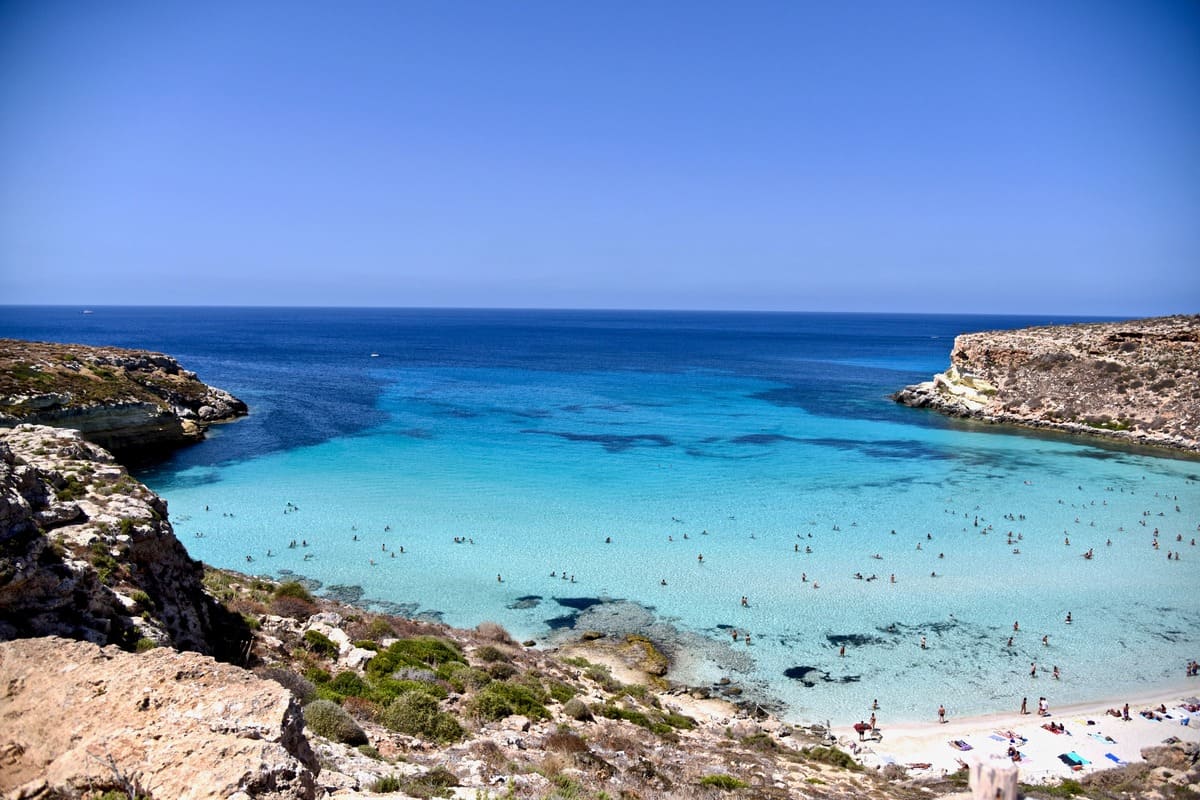
Beautiful Beach In Lampedusa, Italy

A whole 110 nautical miles south of Sicily, closer in fact to the African continent than it is to its parent country, Lampedusa is one of those geographical anomalies we simply can’t shut up about.

It measures about 7 miles long, and 2 miles at its widest point, and with a population of only 6,000, this is probably the most remote community in Italy, and get this, they may not be impressive in size, but they have the clearest turquoise seas in the entire Mediterranean right on their doorstep.

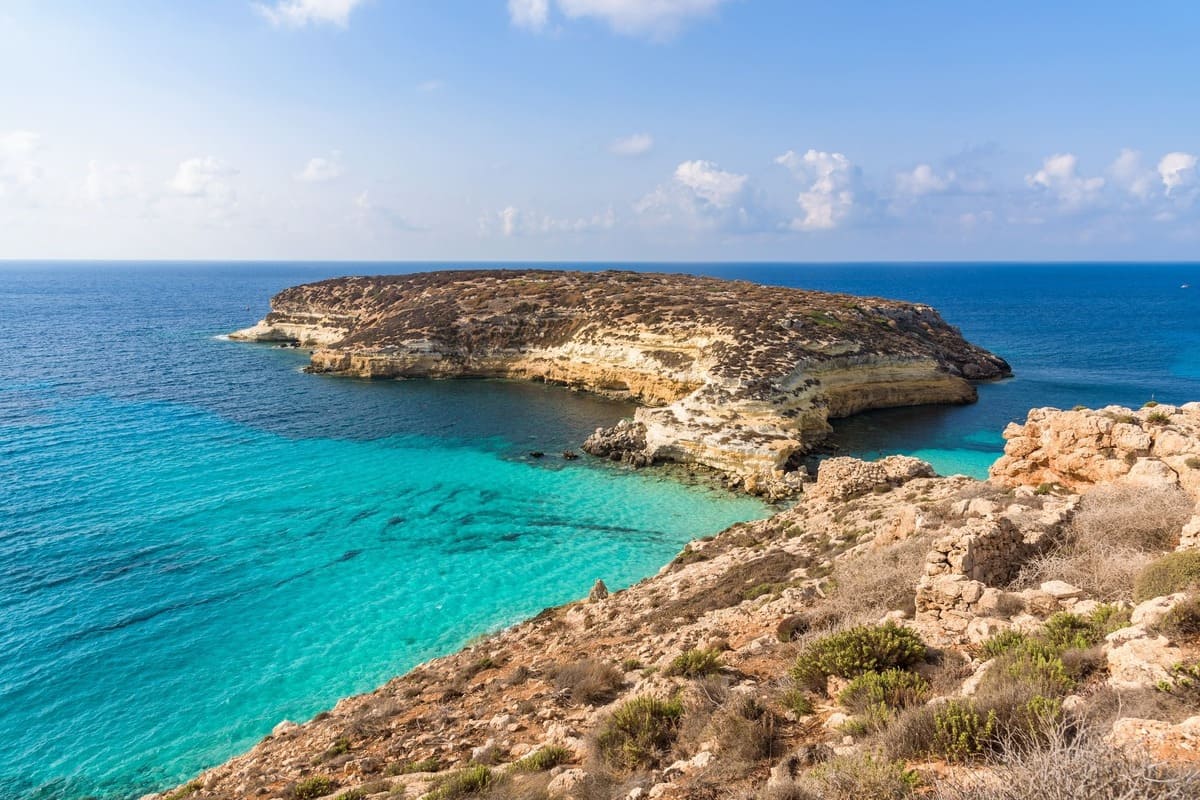
Rabbit Beach, or Spiaggia dei Conigli, consistently ranks as one of Europe’s best beaches, with Caribbean-like sands basically merging with the calm sea it borders, going from off-white, to teal, to turquoise, and finally deep-blue.

The endangered Loggerhead Sea Turtle regularly nests here, so development on the entire coast is severely curtailed, making Lampedusa Italy’s prime spot for marine life preservation, and if you can’t keep away from the sea for long, you’ve come to the right spot.

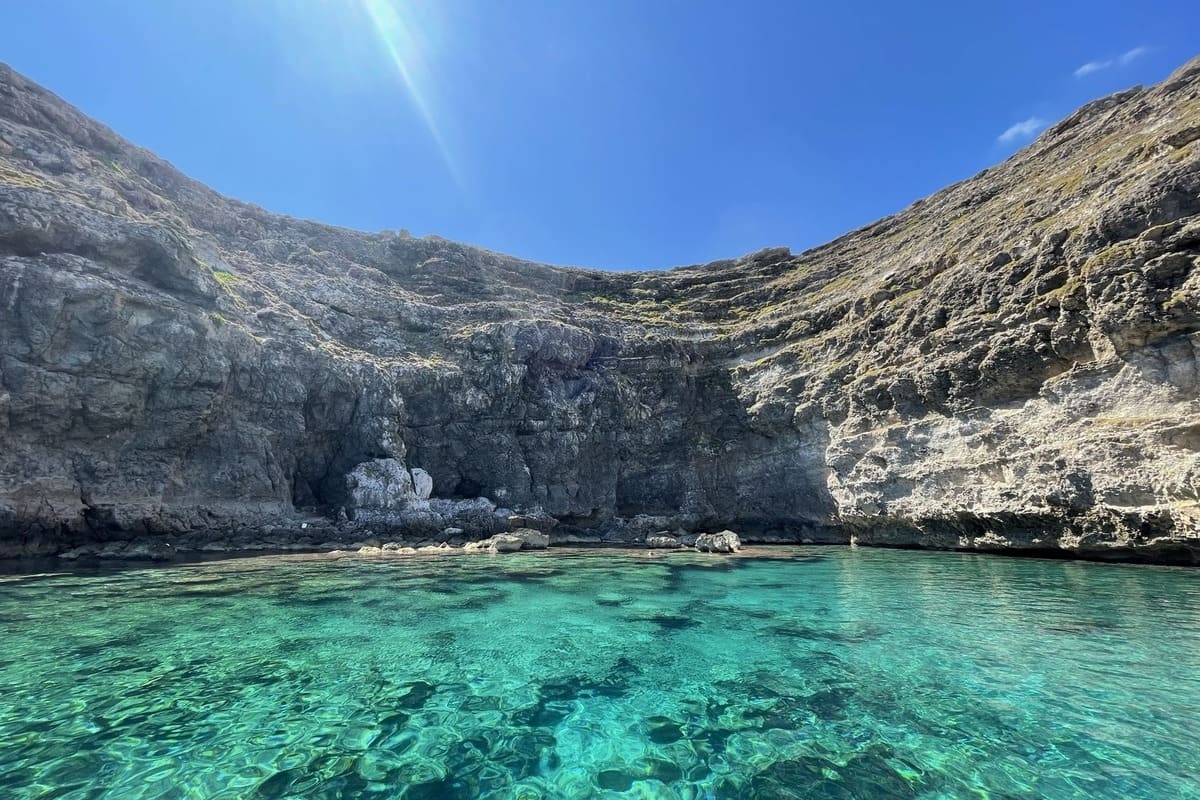
Turquoise Cala In Lampedusa, Italy

The best way to explore the island is actually going on a boat tour around it, stopping for a snorkel at Cala Pulcino, a paradisiacal cove with gatorade waters, passing Cala Creta’s dramatic rocky coastline, and making it to Capo Ponente just in time for a final dip in the ocean, and that fiery, blood orange-tinged sunset.

The best part? They’re virtually crowd-free.

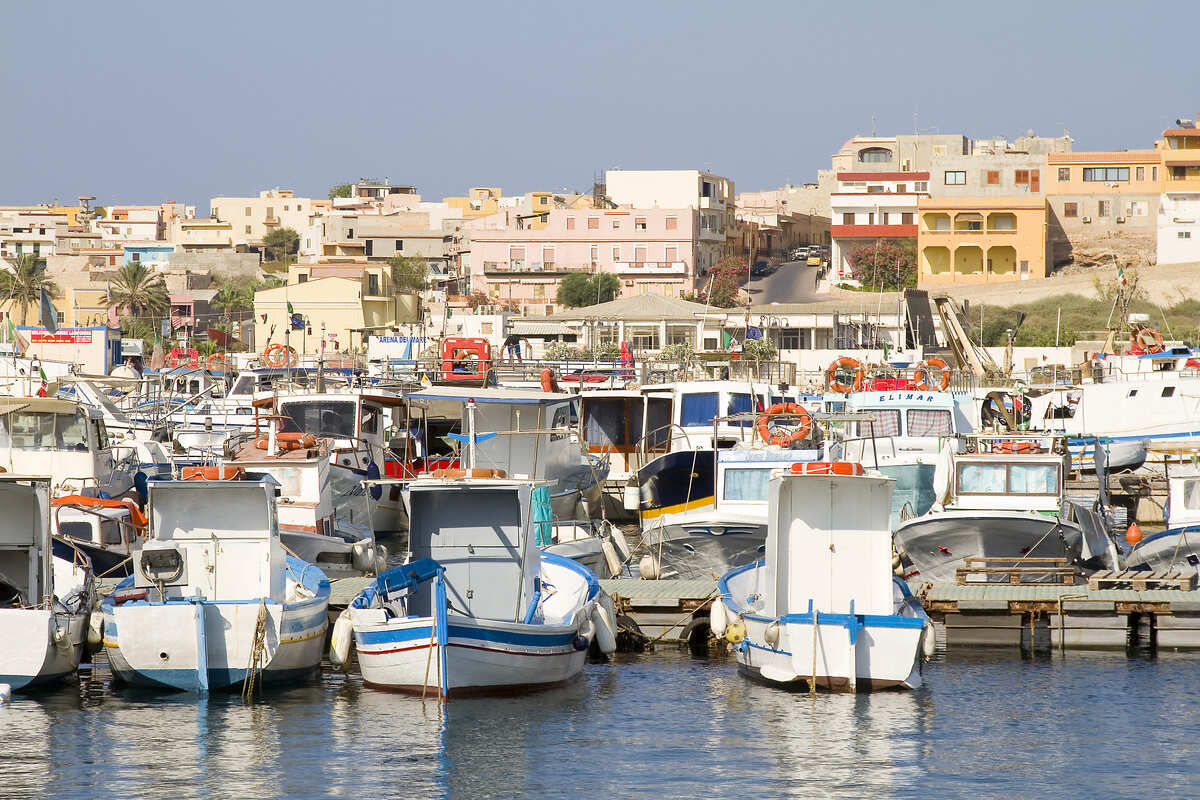
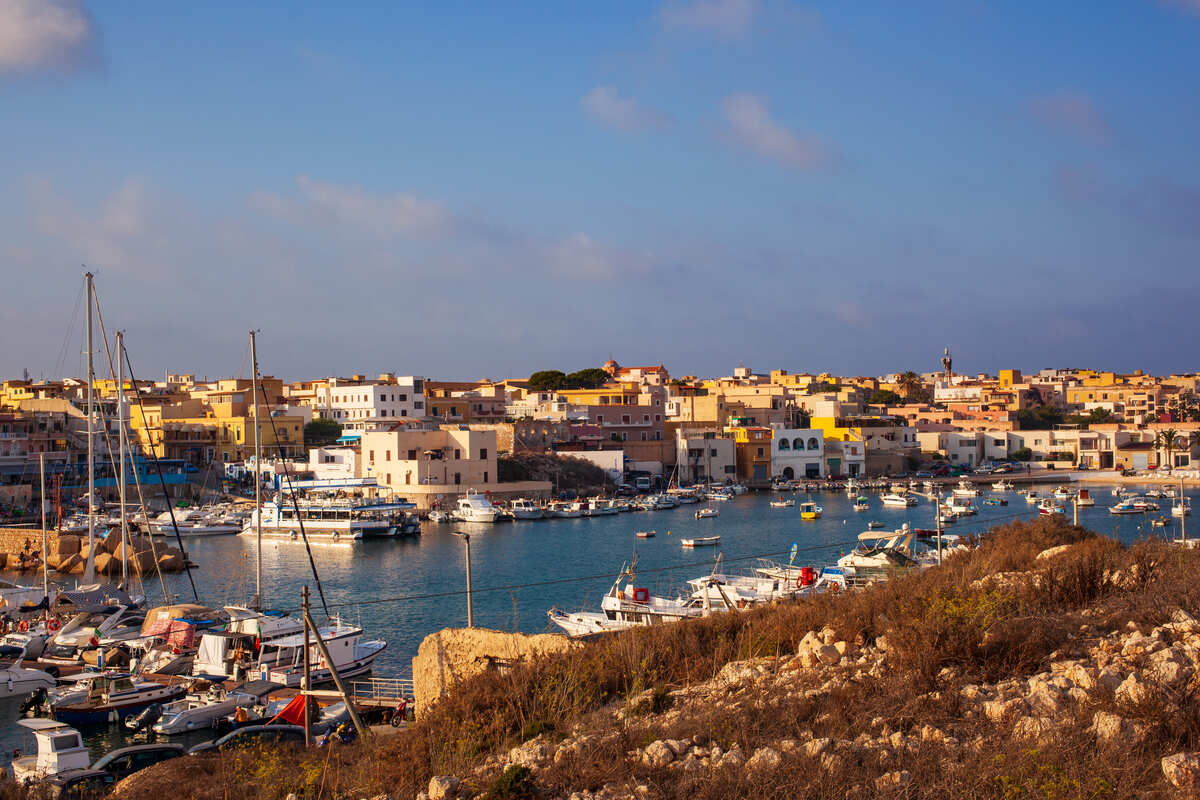
Lampedusa really truly has one main town, which is named Lampedusa itself, and it’s where you go for that much-needed evening buzz, and a little pistacchio gelato after a full day of beach-hopping. The Old Port is so picturesque, with its bobbing boats and waterfront trattorie, and there are two restaurants you shouldn’t miss when in town:

Number one, Ristorante La Nigra, great for upscale seafood, especially Lampedusa’s signature fresh tuna and red prawns, or if you’re looking for something a little less fancy, that might fit your Capri dupe budget, La Chiglia serves up classic Sicilian trattoria fare, like seafood couscous and grilled fish, and the bill here will run you up $30 tops.

Lampedusa Town, Italy

Average Prices In Lampedusa, Italy

Accommodation
  • Budget B&B: $90–150/night
  • Mid-range hotel: $170–300/night
  • Nice sea-view hotel: $300–550+/night
Food
  • Coffee + pastry: $3–6
  • Casual lunch: $12–22
  • Pizza or simple dinner: $15–30
  • Seafood dinner: $35–70
  • Fine dining seafood: $60–100+
Ideal stay
  • 3-4 days: just enough time for some beachside relaxation, a boat trip or two, and getting a good feel of island life in Lampedusa Town

How Safe Is Lampedusa?

Rabbit Island Off The Coast Of Lampedusa, Italy

Now, we need to address the elephant in the room.

The reason why Lampedusa has been actively pushing for more tourism is that, for the past decade or so, the island has been at the frontline of Mediterranean migration routes, with seasonal arrivals of small boats from North Africa due to its proximity… just 68 miles from the coast of Tunisia.

Because of this, certain coastal zones have historically seen increased maritime activity, alongside operational infrastructure around arrivals and processing. While this is separate from the main tourist experience today, it’s part of the island’s recent reality and modern identity.

The good news is that with increased coordination in the central Mediterranean and a stronger coast guard presence, day-to-day life in the main towns and beaches now feels calm and typically laid-back.

Lampedusa Town Port, Italy

Tourism areas remain focused on visitors, and most travelers experience Lampedusa as what it has always been at heart: a small, quiet Mediterranean island with clear water, bright limestone coves, and a slow, village-like rhythm.

On occasion, you may still spot coast guard or NGO vessels offshore or in port, but it rarely disrupts the overall atmosphere.

Italy as a whole currently scores an impressive 92/100 on the Traveler Safety Index, a metric based on on-the-ground visitor reports used to gauge general safety across destinations.

Favignana

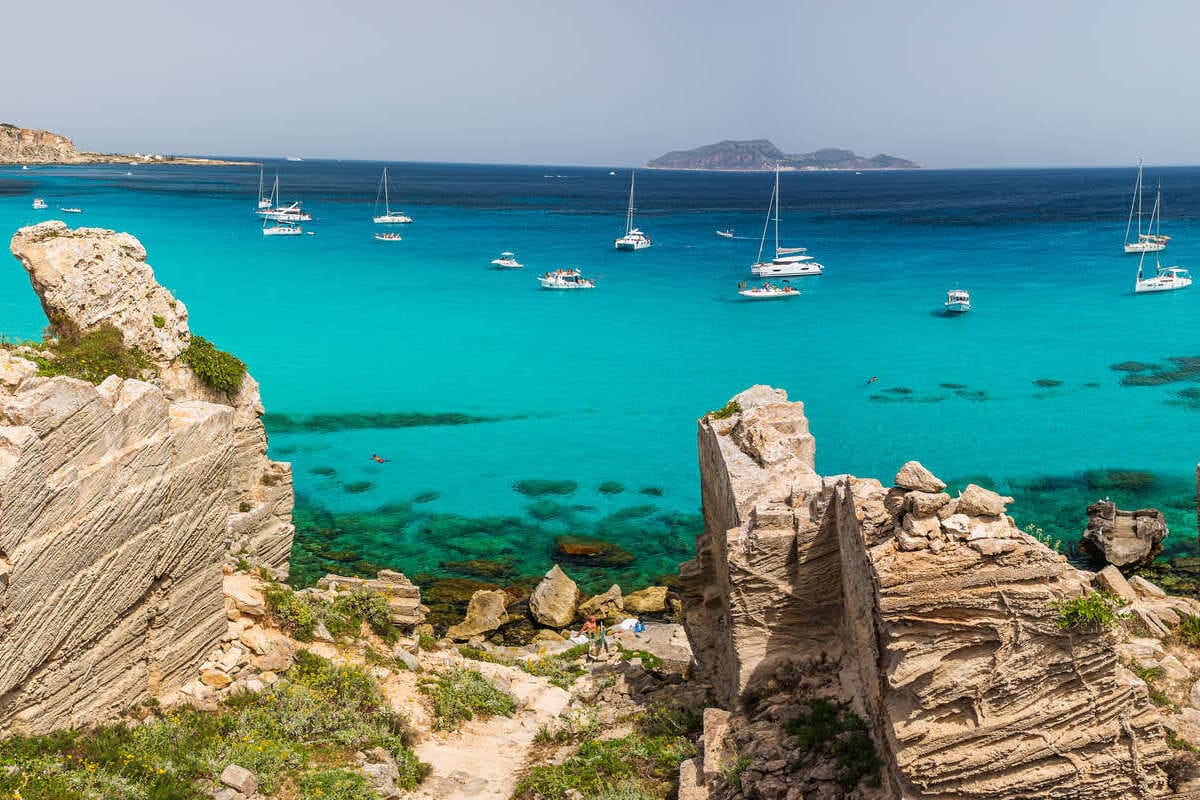
Favignana Island Off The Coast Of Sicily, Italy

The largest of Sicily’s Egadi Islands, lying just off the coast of the city of Trapani, a hidden gem locals go to themselves to beat the crazy summer prices, Favignana feels like the Mediterranean if time had stood perfectly still.

No cruise liners, no massive influx of day-trippers coming from larger hubs—Palermo is a whole 70 miles away—just chill, unhurried, timeless Italian charm packed tightly in an 11 square mile island, virtually untouched by mass tourism.

It’s no wonder Christopher Columbus picked this slice of heaven right here as the backdrop for his upcoming Odyssey.

Before you set out on your own Homeric journey and fly across the pond this summer, do check the Entry Requirements in place at your destination on this page.

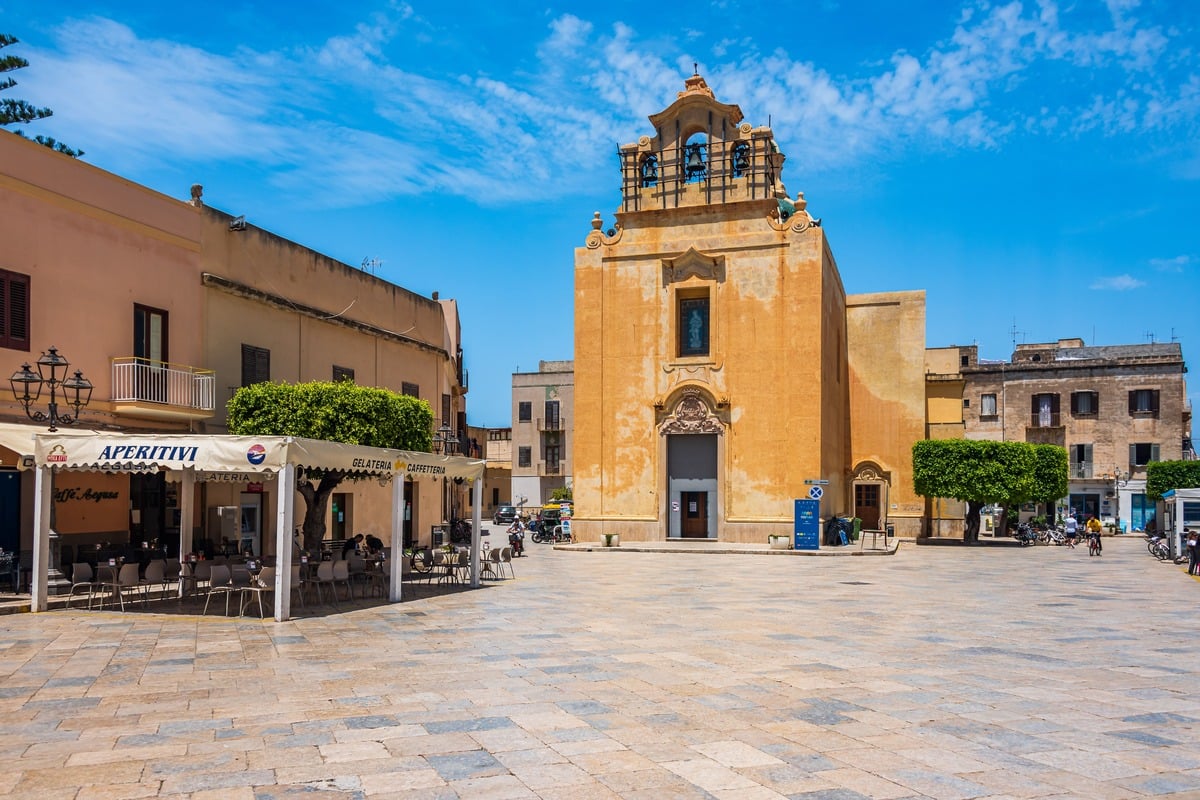
Main Square In Favignana, Italy

Between fingerprinting and a pending mandatory travel permit Americans will soon be forced to get if they wish to fly to Europe, the Old Continent is tightening entry rules significantly for 2026.

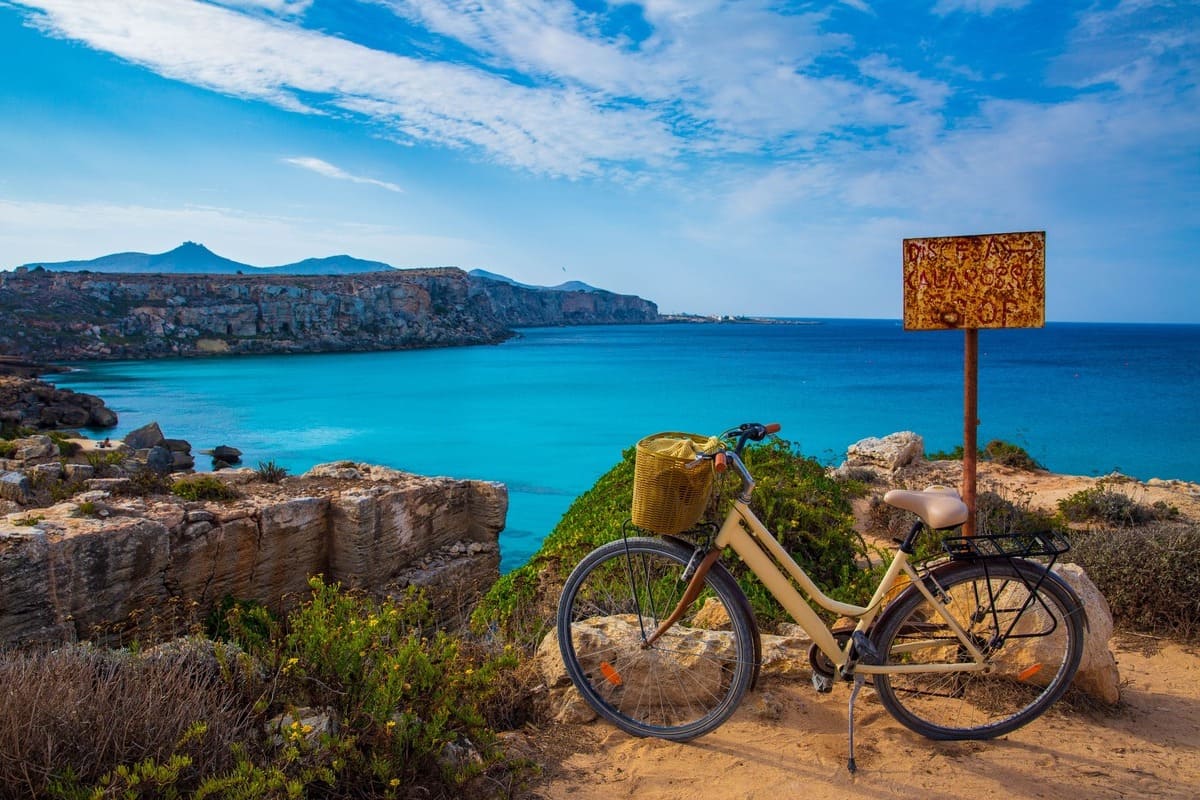
Back to gorgeous little Favignana, Cala Rossa has that bright turquoise water and pale rocky cliffs you’re sure you’ve seen in a postcard before, and it really feels more like a natural swimming pool than a beach, while Cala Azzurra has soft sand patches, shallow waters, and a laid-back vibe.

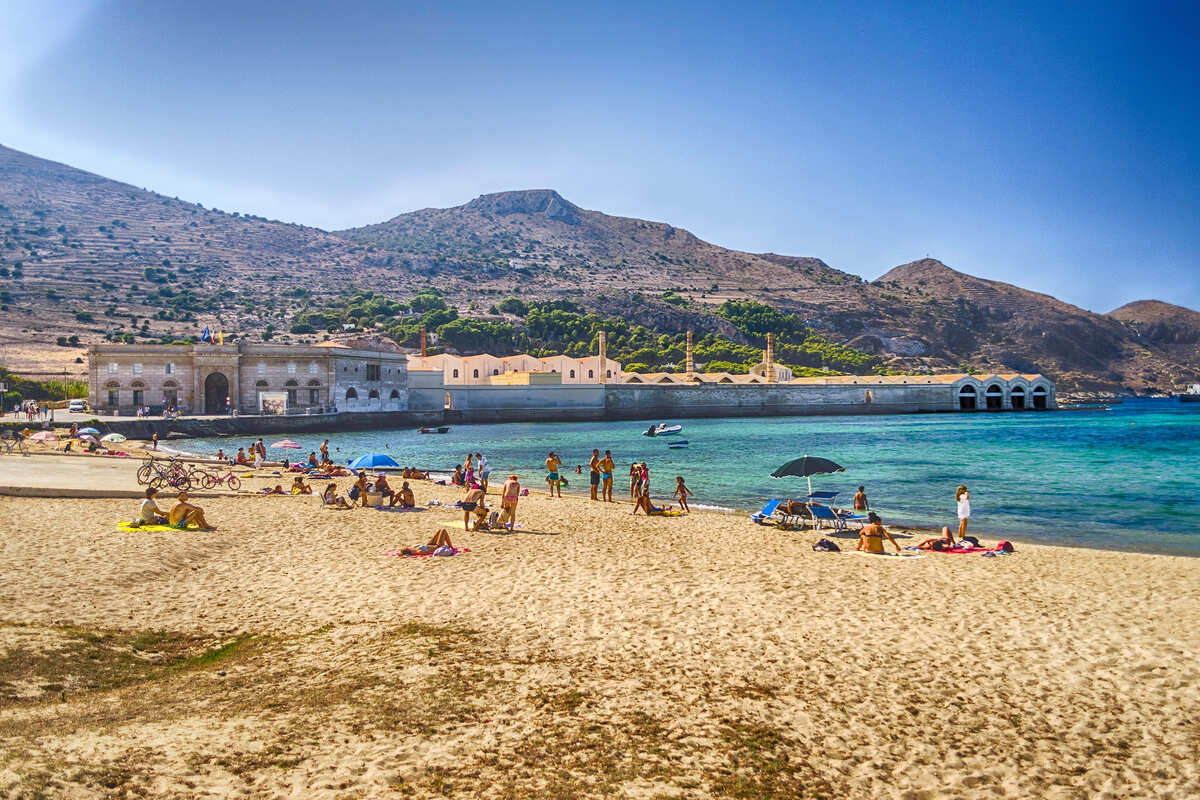
From the cluster of calas, it’s a short 15-minute bike ride to the Old Tuna Factory, a must-visit spot on Favignana that chronicles the island’s historic tuna processing.

Oh, if you happen to swing by Favignana Town later in the day, make sure you book a seat at Trattoria da Papù, near the harbor, for the best (tuna related dish) you’ll have in your life.

Beach In Favignana Island, Italy

Favignana Town itself is the coziest little Italian port town for early-evening gelato wanderings, with its stone-paved streets snaking out of a lively Piazza Madrice, sunlit lanes, and a pretty harbor backed by pastel-hue buildings.

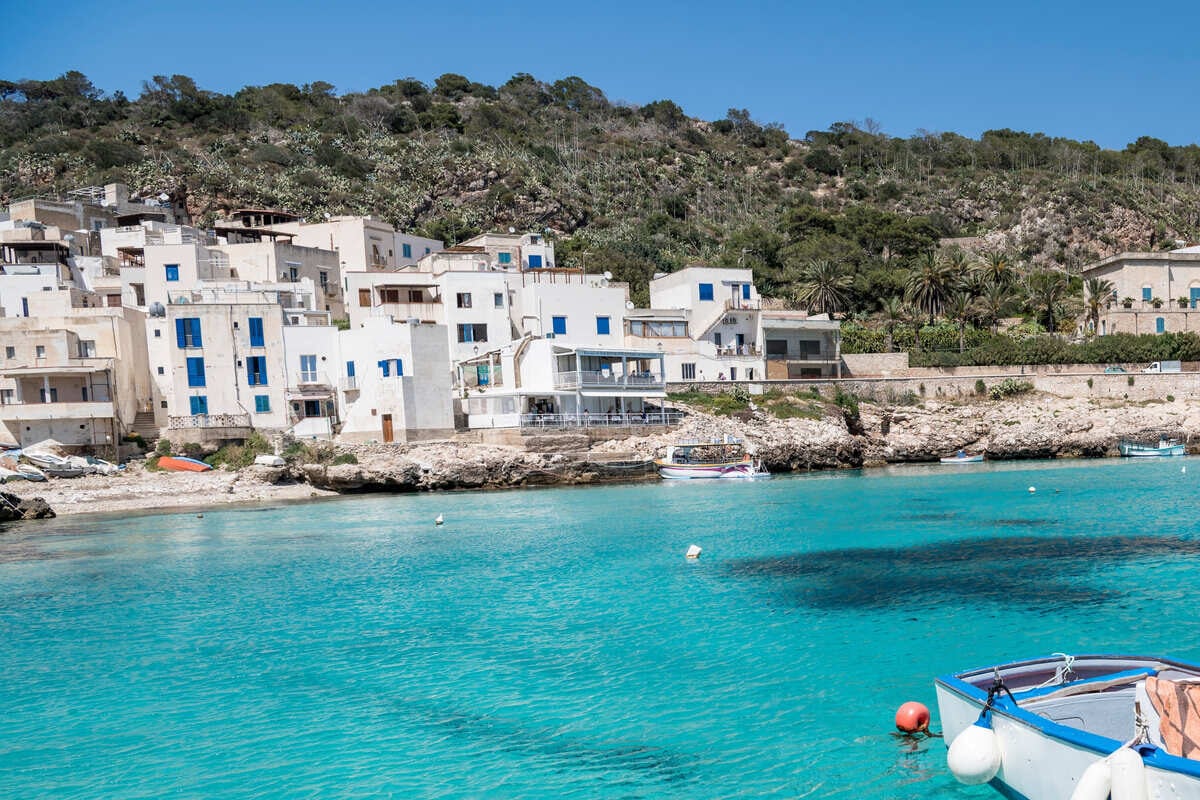
If staying in Favignana longer, you can also island-hop around the Egadi archipelago and hit up other smaller islands nearby, like Levanzo, with a whitewashed port town that looks like Italy and Santorini’s lovechild, and Marettimo, the wildest, most remote, ringed by limestone cliffs and scenic coves.

It’s the kind of place that doesn’t exactly win you over by the plethora of sights or manmade wonders, but rather the slower-paced feel of life, the wild nature… and the fact that it’s just the complete opposite of a place like Amalfi.

Average Prices In Favignana (Sicily), Italy

Charming View Of Favignana Town, Italy
Accommodation
  • Budget B&B: $80–140/night
  • Mid-range hotel: $150–280/night
  • Nice boutique/sea-view stay: $250–500+/night

Favignana is generally cheaper than Amalfi, but it can still get pricey in July–August.

Food
  • Coffee + pastry: $2–5
  • Casual lunch (panini, pizza, light meals): $10–20
  • Simple dinner (pizza or trattoria): $15–30
  • Seafood dinner: $30–60
  • Higher-end seafood / restaurant: $50–90+
Ideal stay:
  • 45 days: enough time to see the main beaches, rent a bike or scooter, do boat trips, and visit other islands nearby like Levanzo and Marettimo

Heading to Sicily (and surrounding islands) this summer? Find more under-the-radar spots just like Lampedusa and Favignana here.


Source link

Recent Reviews