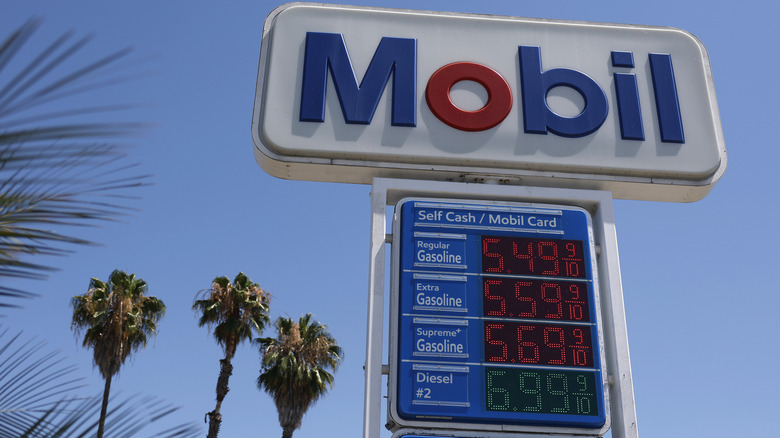

Living and driving in the state of California in 2026 can be a challenge, thanks in part to recent reports of gas price gouging, not to mention the incredibly high cost of fuel overall. But things are poised to get even tougher at the pumps for residents, as yet another price hike is on the way. This increase actually dates back to 2017, with the passing of Senate Bill 1, a transportation funding package that raised California’s fuel taxes.
SB 1 did more than that, though; it also established a new system that allowed for fuel tax rate adjustments based on inflation. This means that instead of setting up a per-gallon tax that didn’t change, the law enables the state to update the rate over time using preset calculations. That system has brought changes to the per-gallon tax since it passed, and it’s set to do so again to the tune of an additional 2.2 cents on July 1, 2026. When that increase happens, it will bring California’s total gas tax to 63.4 cents per gallon.
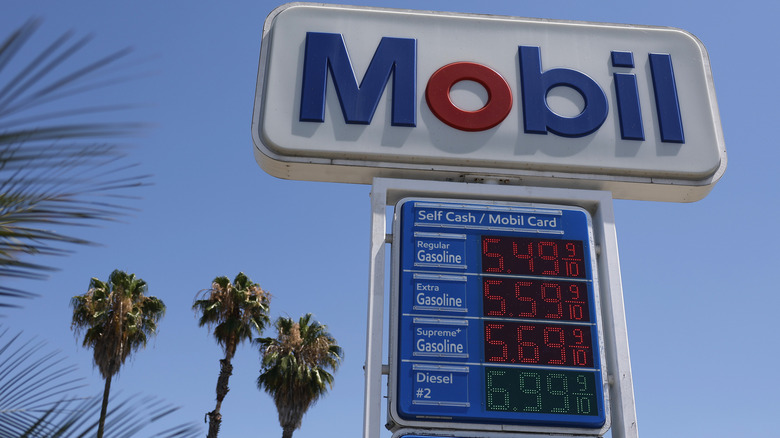
But that’s not the worst of it. After additional state and local fuel-related fees are included, the total amount of taxes and charges on each gallon will be around $1.20. As of this writing, the statewide average cost of gas in California is around $5.49 per gallon, so the increase will put the price at approximately $5.51 per gallon. Based on that total, around only $4.31 of the cost is for the fuel itself — the rest goes right to tax revenues.
Political pushback and proposed fuel cost relief programs in California
California’s July 1 gas tax increase has drawn criticism from Republican lawmakers, who argue it will add further strain to a state that already has the highest fuel costs in the country. State Senator Tony Strickland said the increase is coming at an economically challenging time, and noted that higher fuel prices can lead to potential increases in everyday costs like groceries. He also pointed out that other states have suspended gas taxes, at least temporarily, during periods of higher fuel prices.
The decision to suspend fuel taxes does fall on the states themselves, as there has never been a federal gas tax suspension. Lawmakers have suggested such events as a way to give people a measure of relief at the pump, especially when fuel costs increase. However, even state-level gas tax suspensions aren’t always passed on to drivers in the form of substantially lower prices. Because of this, the idea of such relief-driven policies is typically up for debate.
According to the Bipartisan Policy Center, when states do take a “gas tax holiday,” the move usually means only a short-term partial reduction in price at the pumps. Additionally, fuel taxes are typically used by states for transportation funding systems like the Highway Trust Fund. Because such funds largely depend on fuel tax dollars in order to operate, cutting that money out could have a negative impact on those programs.

Stephan is the sports journalist for the Maple Grove Report.