
A kit car is a replica of a notable automobile model that can be purchased in pieces. These pieces are then put together by either an automotive enthusiast, or a professional shop. One of the most popular kit car models is the Shelby Cobra, as owning one of the original production versions is exceedingly expensive. Even a completed kit car version of the Cobra goes for an average of $94,785, according to AutoTrader.com. So, when Matt Ryan, an engineer and automotive fan noticed one up for auction at only $23,000, he jumped at the opportunity. However, Ryan would quickly realize the reason for the discounted price: Extensive flood damage.
This particular Cobra car kit had significant amounts of water in the gas tank and engine. For those wondering if a car engine can work underwater, the short answer is no. Fortunately, Ryan has plenty of experience in this area, noting “In my 18 years of rebuilding cars, I have done probably 2,000 flood cars,” in his YouTube video. By the conclusion of part 2, this particular Cobra kit car was spinning its tires at 60 mph, but as far as flood damaged vehicles, you might not be so lucky.
The cost of owning a salvage vehicle
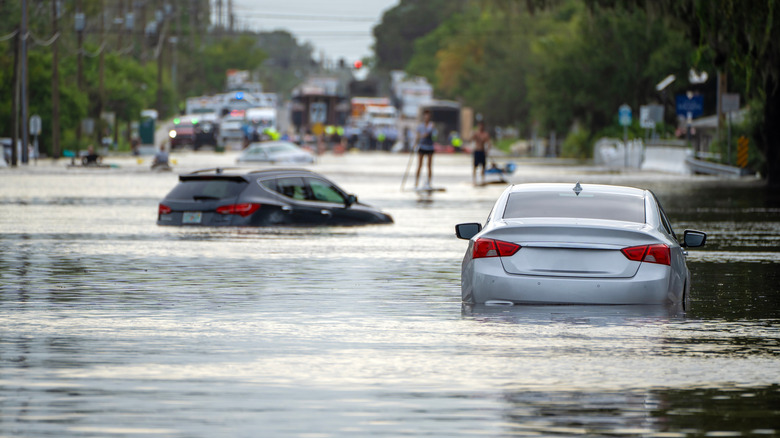
A salvage vehicle is one the insurance company considers a total loss, as the amount of money needed to fix it up is more than its total value. Auctions sell these salvage cars at steep discounts making them attractive options for project cars among those interested in restoration. The problem is, that initial price can be misleading, with the potential for a much higher price tag down the line.
Depending on the extent of repairs, and whether you’re performing the work or hiring a shop, your salvaged car can exceed the cost of cars with clean titles. A salvaged vehicle may have been subject to theft, been in an accident, or even plucked from the water following a hurricane, and its issues may not be readily visible, let alone clue you in on the total costs involved. There are several ways to tell if a car had flood damage, so keep an eye out for the signs.
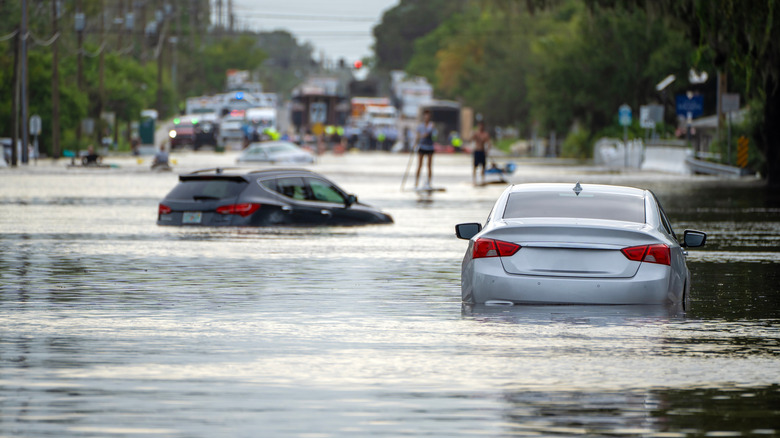
Flooded cars can be especially expensive, running between $3,000 to $8,000 to repair a flooded engine, according to Mach1Services.com. Don’t be the person who tries to drive through a flood, as the potential damage isn’t worth the risk. You could also be looking at electrical system problems and issues with the interior upholstery that require complete replacement. Professionally swapping in fresh foam cushioning, springs and upholstery fabric for your average car can be up to $2,000, per Cars.CostHelper.com.
Should you try to restore a flood damaged car?
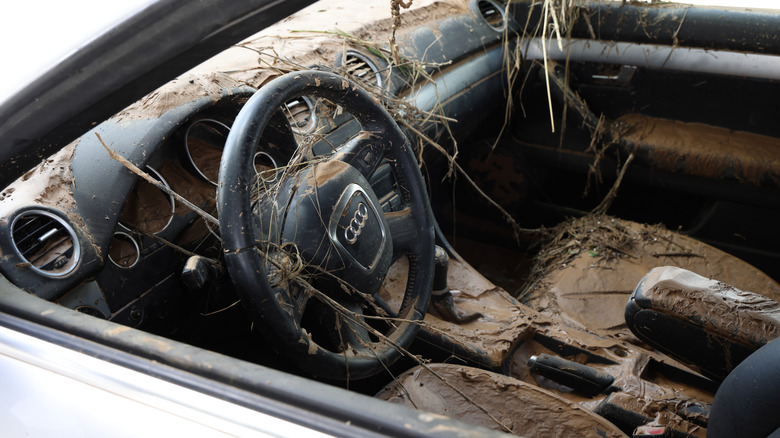
The short answer? Probably not, but take a quick peek on social media and you can find all sorts of videos with claims that a water-damaged car is now beautifully restored to new. While these clips certainly make for an entertaining transformation, not only is buying one of these financially risky, but repairing them is far more complex and dangerous than you’d imagine. Only highly experienced mechanics should even attempt it, and many choose to opt out of these types of jobs. Depending on the depth of the water, the car may need to be largely taken apart just to be properly cleaned.
If it sat in salt water for an extended period, the efforts to bring it back to life may be in vain. Salt water is far more corrosive than fresh water, and wreaks havoc on the vehicles metal, rusting essential parts like the brake line. Electronics are also heavily affected, with even parts that appear in working order often failing down the line as corrosion works away. This can lead to owners dealing with consistent problems over the course of years.

Stephan is the sports journalist for the Maple Grove Report.