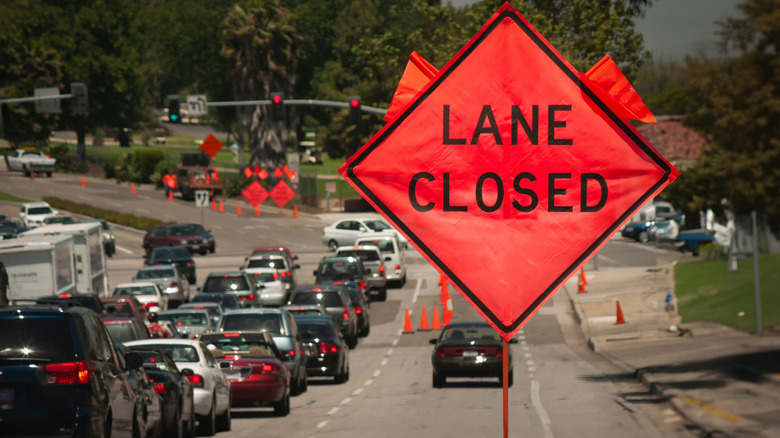

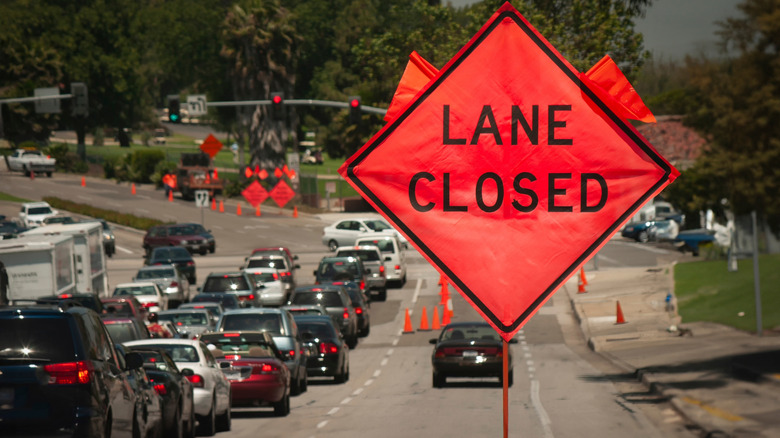
Data from Inrix.com found that American drivers in 2025 on average spent nearly 50 hours a year sitting bumper to bumper with other motorists, up from 44 hours in 2024. Something those residing in places like Chicago, and other U.S. cities that have the worst traffic know only too well. According to the U.S. Department of Transportation, other than severe weather, merging is the biggest enemy to the flow of traffic.
In an effort to reduce bottlenecks, several state level agencies have been promoting something called “zipper merging.” Essentially, vehicles in the merging lane should wait to get over until nearing the lanes end, with motorists in both the merging and open lane alternating turns. But there is a lot of confusion surrounding the practice. It requires motorists in the open lane to allow mergers in and is typically reserved for specific circumstances such as lane closures. Also, a consistent speed from the merging lane is crucial. Rushing forward then hitting the brakes at the merge point go against the zipper method.
To be clear, there is no national law mandating the practice. Some states ask drivers to implement it in certain conditions and included it in campaigns to educate the public. However, others such as Utah, do have a law (41.6a-903.1) that specifically names the “Zipper method.” It’s also mentioned in Illinois Rules of the Road publication and carries a potential fine if disregarded. You should verify your areas stance on zipper merging with your local DMV.
Why use zipper merging?
When two lanes merge into one, the zipper method asks motorists to use the entirety of the lane that’s coming to an end (rather than getting over immediately). This allows speeds to match across both lanes of traffic, improving efficiency. The slowdown affects everyone equally, which may reduce anger among drivers. Some figures, like a Minnesota study from 2013, reported by AAA.com, claim the practice can lessen traffic jams by as much as 40%. According to the Missouri Department of Transportation, congestion can see a reduction of up to 50%. Zipper merging isn’t the only way speed is used to manage traffic flow, as other methods such as a minimum speed limit sign helps reduce congestion by narrowing the disparity in speeds between motorists.
The concept isn’t new and has been in place for years in some European countries. Belgium made it a law back in 2014, and Germany included it among its motorist regulations in 2001. Some Canadian provinces have also been campaigning for its use, with examples like British Columbia, putting up signs encouraging the practice.
Why zipper merging has struggled to gain traction among U.S. drivers

The zipper merge tends to go against certain unwritten rules many drivers have followed for years. Kevin Gutknecht of the Minnesota DOT summed up the problem in an interview with NewsChannel5.com, “From kindergarten on we’re told we need to stand in line and stay in place in line.” A motorist who successfully merges at the first opportunity, can feel slighted when another driver continues past them in the closing lane, because it can be interpreted as cutting ahead in line.
The zipper method can create frustration from both early mergers and those who follow it correctly. A motorist following the zipper method can become increasingly upset that others aren’t willing to allow them to merge, trapping them in place. Situations like these can cause tempers to boil over, especially when motorists become more aggressive trying to force a merge. Surprisingly, Louisiana has the most road rage in America, according to Consumer Affairs.
Some states have taken a step back on the zipper merge idea, like Tennessee. According to a Tennessee Department of Transportation statement published on Fox17.com, “It requires a significant amount of not only public education, but also public compliance. According to our traffic division, some states have had issues with getting the public to comply with the “take turns” direction.” Some law enforcement officials in Arizona have expressed their opinion that the zipper method would work well in an idyllic society, but reality is different.

Stephan is the sports journalist for the Maple Grove Report.