More Than 1 in 5 Users Make Health Decisions Based on Social Media, Despite Widespread Distrust


One second, you’re watching a cute animal video, and the next, you’re being given unsolicited health advice from a wellness influencer who swears a trendy diet cured their illness. 

We live in a world where our social media feeds are controlled by AI algorithms that feed off engagement. And more people are engaging with health content than you might think.

A new study released on Tuesday in JAMA, the Journal of the American Medical Association, found that among US adults who used social media over the preceding 12 months, nearly 85% reported sharing health information, whether personal or general, on social platforms, while close to 70% participated in health-related online communities. 

AI Atlas

Though the majority of users (78%) believed that the health information they viewed on social media was false or misleading, over one in five said they made health decisions based on the content they’d seen on it.

“Clinicians, public health leaders and platforms have to take this information environment seriously,” said Dr. Rohan Khera, a cardiologist and data scientist at the Yale School of Medicine and one of the study’s authors. 

“The goal should not simply be to tell people to avoid social media, but to improve the quality of health information in the places where people already spend time,” Khera told CNET. 

The study comes at a time when many are struggling to find consistent, affordable access to healthcare, making free social media health content more immediately available. 

The results are based on the 7,278 people who participated in the 2024 Health Information National Trends Survey, conducted annually by the National Cancer Institute to learn about the US public’s use of health- and cancer-related information. 

Image of smartphone folder with social media icons

Most of us are on social media. We need more trusted healthcare sources to join us there.

hapabapa/Getty Images

Seeking health info on social media

In particular, Hispanic users and adults age 65 and older were found to be more likely to make health decisions based on social media content. Black and Hispanic individuals were also reportedly less likely than white individuals to distrust social media health content, while those with higher education or household income were more inclined to doubt it, regardless of other factors.

Among the adults with chronic conditions who used social media, they were less likely than those without chronic conditions to share health information or participate in online communities. It’s unclear whether that’s because they were already receiving regular care from a dedicated doctor. 

“This study focused on how people engage with health information on social media, but it did not evaluate the specific content people were seeing, where it came from or whether it was accurate,” said Khera. Future studies could expand on the sources of social media health information, delving into whether it’s AI-generated or from a doctor or influencer.

Since the study relied on self-reported survey data, the results may be subject to bias.

“We also need to better understand which types of content are most likely to influence decisions, which groups may be most affected and how platforms can promote accurate health information while limiting misleading claims,” Khera concluded.

Ultimately, health misinformation impacts all demographics. When medical professionals aren’t accessible, many of us are left to independently audit and verify health-related social media content on our own. 


Source link

Leave a Reply

Subscribe to Our Newsletter

Get our latest articles delivered straight to your inbox. No spam, we promise.

Recent Reviews


Today, when one pictures a “classic Dodge Charger”, the first image that pops up is almost certainly one of the highly desirable Charger models from the late 1960s or early ’70s. Indeed, those early muscle car Chargers are iconic, playing a starring role in the “Dukes of Hazzard” television show and, somewhat more recently, “The Fast and the Furious” films. But as time ticks on, is it time to start appreciating the modern version of the Charger as a potential modern classic?

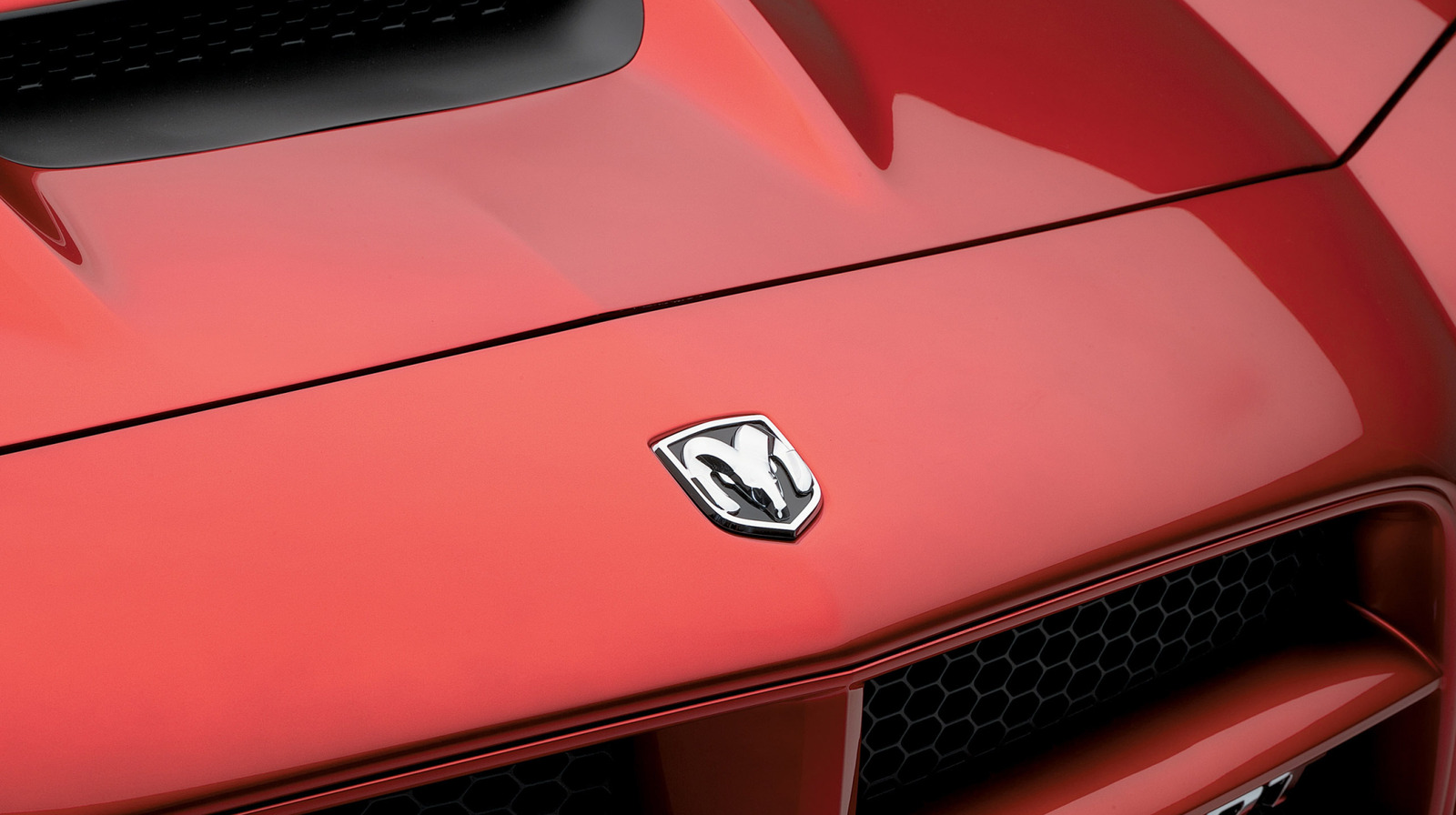
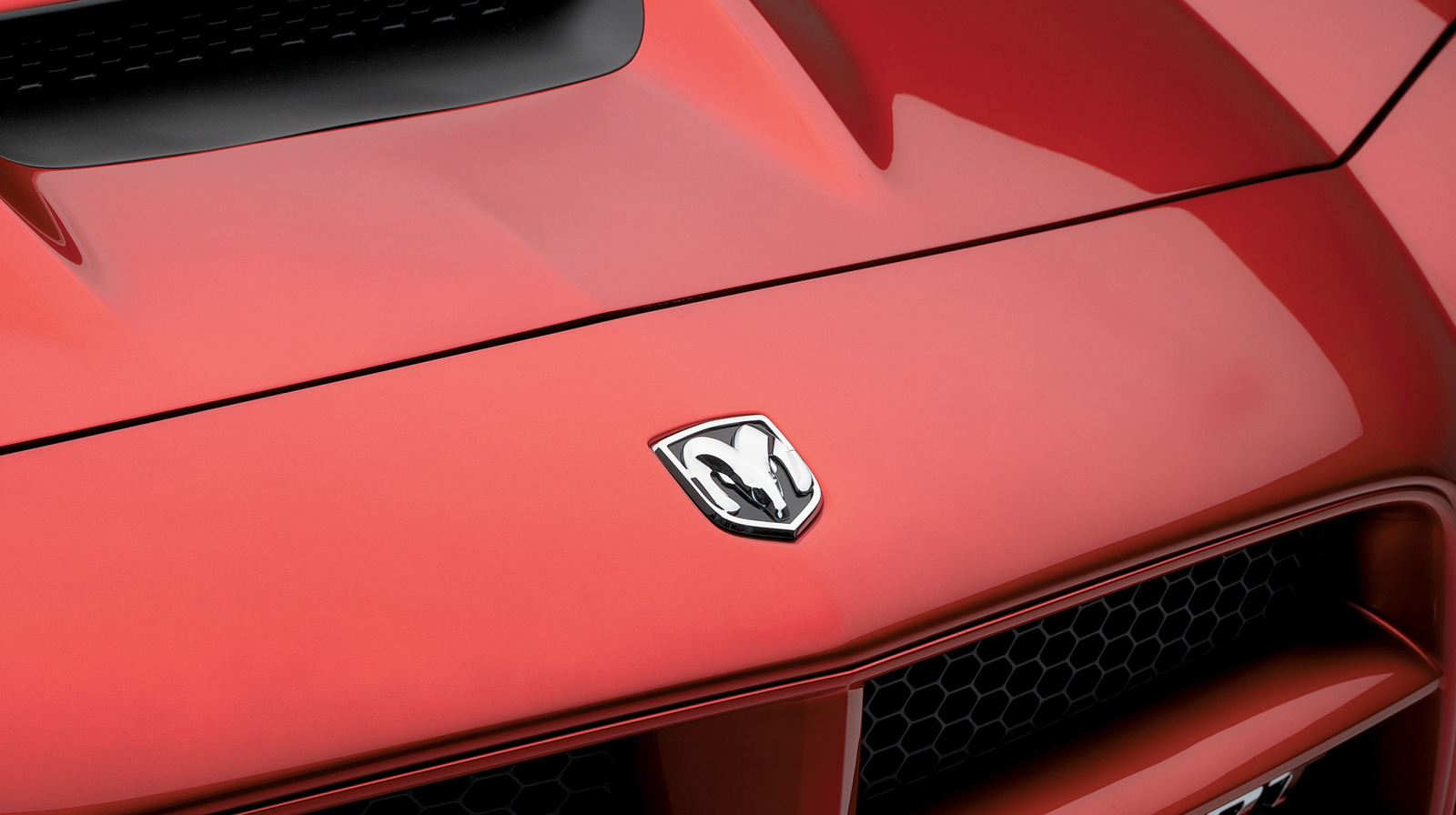
It’s now been over 20 years since Dodge brought back the Charger nameplate for a spacious four-door sedan with an optional HEMI V8 engine. While the basic Charger R/T was a potent machine for its time, Dodge really took the Charger’s game to the next level for the 2006 model year with the debut of the Charger SRT8. 

The SRT8 model used a larger version of the third-gen HEMI V8 that, combined with other performance upgrades, transformed the sedan into a serious performance car capable of running with its 1960s HEMI ancestors at the drag strip — to say nothing of its vastly superior handling and refinement. In the years that followed, Dodge would continue to improve the Charger’s performance with larger and more powerful HEMI engines, but the significance of the original Charger SRT8 is not to be overlooked.

A muscle car legend reborn for the 2000s

Today, with the modern Charger being such an established part of the car enthusiast world, it’s easy to forget some of the controversy that surrounded its mid-2000s return. Most of it focused on the fact that the beloved muscle car nameplate had been brought back for a four-door sedan rather than a retro-styled coupe. Fortunately, those people looking for that retro coupe would be satisfied by the reborn Dodge Challenger when it arrived a few years later, while the Charger went on to become a highly popular muscle sedan in its own right.

The addition of the SRT8 model to the lineup certainly helped, of course. Under the hood was the larger 6.1-liter HEMI V8, which differed from the standard 5.7-liter HEMI in several ways, not least the displacement. With the 6.1 under the hood, the SRT8 made 425 hp and 420 lb-ft of torque, easily laying down a mid-13-second quarter-mile time in Motor Trend’s hands. This was very quick by mid-2000s standards, especially considering the now-outdated five-speed automatic transmission.

But the SRT8’s performance went beyond just the drag strip. As part of the SRT transformation, Dodge also gave the car larger wheels and tires, a retuned suspension setup, and large Brembo brakes. While this didn’t necessarily make the car an agile road course weapon, it did give the SRT8 an athleticism that belied the Charger’s weight and size. 

The evolution of modern Dodge muscle

What’s even cooler about this era in Chrysler/Dodge performance history is that the Charger was just one of the four-door LX platform cars that the automaker offered with SRT badges and a powerful HEMI engine under the hood. Apart from the Charger, buyers could also choose from the more upscale, but ultimately short-lived SRT version of the Chrysler 300C sedan or the Dodge Magnum SRT8 station wagon.

The original Charger SRT8 marked the beginning of a long run of increasingly powerful, high-performance models. In the early 2010s, the Charger SRT8’s 6.1 HEMI was replaced by the larger and more powerful 6.4/392 HEMI, with that motor eventually becoming available in the less expensive Charger R/T Scat Pack. Then, of course, came the Charger SRT Hellcat, with a 707-hp, supercharged 6.2-liter that turned the car into a genuine super sedan.

So is the original Charger SRT8 a guaranteed future classic? Classified listings show that clean examples still bring decent money today, but the fact that it was followed by improved models may ultimately limit its potential for becoming a true, mega-desirable collector car. Regardless, though, the Charger SRT8’s accomplishments in modern muscle car history are not to be taken lightly.


Source link