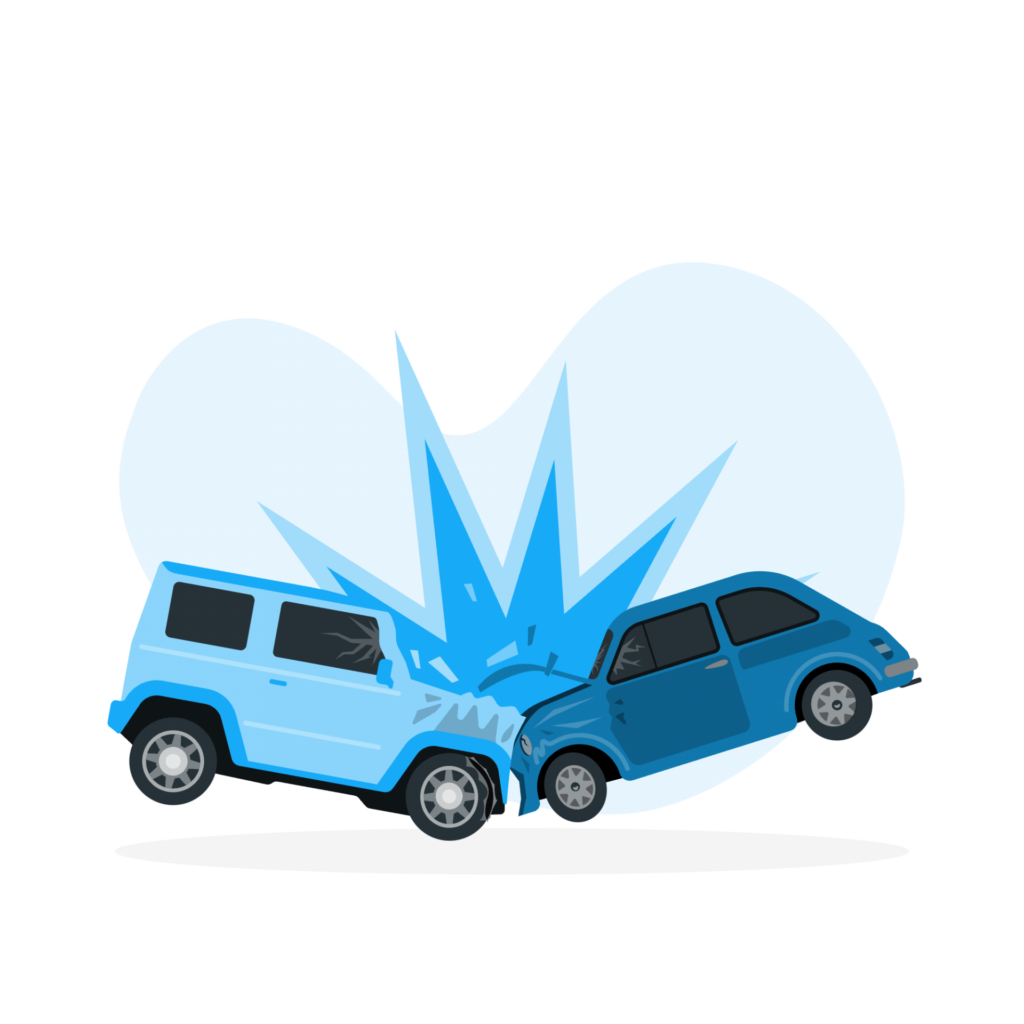

When legal disputes arise from vehicular collisions, establishing fault becomes the cornerstone of any successful case. In case of a car accident, lawyers such as attorney J.L. King, II, employ a systematic approach combining physical evidence, expert analysis, and reconstruction techniques to build compelling arguments that demonstrate liability. Understanding these methods reveals how justice is pursued through scientific precision and legal expertise.
The Foundation: Physical Evidence Collection
The process of proving fault begins immediately at the accident scene with comprehensive evidence gathering. Lawyers work closely with investigators to preserve crucial physical evidence that tells the story of what transpired. Vehicle damage patterns provide critical clues about impact angles, speeds, and the sequence of events. Skid marks, debris fields, and road surface conditions are meticulously documented through photographs, measurements, and detailed reports. Speeding was a factor in 29% of accidents in 2022, and physical evidence like skid marks play a big role in establishing liability.
Paint transfers between vehicles, broken glass distribution, and metal deformation patterns serve as silent witnesses to the collision dynamics. Following a car accident, even seemingly minor details like headlight filament analysis can reveal whether lights were functioning at impact, potentially indicating right-of-way violations or unsafe driving conditions.
Witness Testimony and Documentation
Human accounts form another vital component of fault determination. Lawyers systematically interview witnesses, passengers, and first responders to gather consistent narratives about the events leading to the collision. These testimonies are cross-referenced with physical evidence to identify discrepancies or corroborate key facts.
Police reports, while not always admissible in court, provide valuable initial assessments and often contain officer observations about fault factors. Traffic camera footage, dash cam recordings, and surveillance videos from nearby businesses have become increasingly important in modern accident litigation, offering objective visual evidence that can definitively establish fault.
The Science of Accident Reconstruction
Professional accident reconstruction represents the most sophisticated tool in proving fault. These experts employ physics principles, engineering analysis, and computer modeling to recreate the precise circumstances of a collision. Using mathematical calculations, they determine vehicle speeds, braking distances, and impact forces based on physical evidence and established scientific principles.
Reconstruction specialists analyze factors such as coefficient of friction between tires and road surfaces, vehicle dynamics during emergency maneuvers, and the biomechanics of occupant injuries. Around 11k accidents are attributed to bald tires every year.
Advanced software programs create detailed simulations that can demonstrate how an accident unfolded, providing visual representations that help judges and juries understand complex technical concepts.
Technology and Modern Investigation
Contemporary fault determination increasingly relies on technological evidence. Event data recorders, commonly called “black boxes,” which are fitted to around 85% of new cars in the US, capture crucial information about vehicle speed, braking patterns, and steering inputs in the moments before impact. Cell phone records can reveal distracted driving, while GPS data provides precise location and timing information.
Digital forensics experts examine electronic devices to uncover evidence of texting, calling, or social media use that might indicate driver negligence – in 2022, texting while driving caused 8% of fatal accidents. Medical records and toxicology reports help establish whether impairment or medical conditions contributed to the accident.
Building the Legal Case
Successful fault determination requires lawyers to synthesize multiple evidence streams into coherent legal arguments. They must anticipate opposing counsel’s challenges and prepare comprehensive responses supported by expert testimony and physical evidence. The goal extends beyond simply proving what happened to demonstrating how specific actions or negligence directly caused the collision and resulting damages.
Through meticulous evidence collection, expert analysis, and strategic legal presentation, attorneys transform complex accident scenarios into clear narratives of responsibility and liability.

Stephan is the sports journalist for the Maple Grove Report.